Ausführliche Erläuterung der Unterschiede zwischen Barytpulver und ultrafeinem Bariumsulfat

Differences Between Barite Powder and Ultrafine Barium Sulfate

Ausführliche Erläuterung der Unterschiede zwischen Barytpulver und ultrafeinem Bariumsulfat

In industries such as coatings, plastics, and rubber, barite powder und ultrafine barium sulfate are two powder materials frequently mentioned. They share the same chemical composition, yet their properties and applications differ significantly.

In simple terms, barite powder is typically the “basic grade” obtained by physical processing of natural barium sulfate, while ultrafine barium sulfate is the “advanced grade” that has undergone deep processing, offering higher purity and superior performance.


🧐 Core Differences at a Glance

AspectBarite Powder (Baryte Powder)Ultrafine Barium Sulfate
Definition & SourceA natural barium sulfate product made from natural barite ore through crushing, grinding, and other physical processes.A high‑end product derived from barite powder through deep grinding, classification, purification, and sometimes surface modification.
Production ProcessPhysical processing (crushing, grinding, air classification, etc.).Ultrafine grinding and precision classification; some high‑grade products also require chemical purification and surface modification.
PurityBaSO₄ content generally ≥90%, with up to 10% natural impurities such as quartz and iron compounds.BaSO₄ content can reach >98%, with minimal impurities and more stable chemical properties.
Particle Size / FinenessRelatively coarse, generally below 180 µm (approx. 80 mesh).Extremely fine, at least below 22 µm (approx. 2500 mesh); some products can reach 0.2–0.7 µm (sub‑micron).
Key Physical PropertiesHigh specific gravity (4.2–4.5), moderate whiteness (≤94°), relatively high oil absorption, moderate dispersibility.Large specific surface area, narrow particle size distribution, high whiteness (Grade I >92), low oil absorption, excellent dispersibility.
Main ApplicationsScenarios with low fineness requirements: petroleum drilling mud weighting agent (primary use), radiation shielding materials, general industrial fillers, etc.Medium‑to‑high‑end applications demanding performance: premium coatings/powder coatings, engineering plastics, high‑grade inks, precision rubber products, electronic ceramics, etc.
Price & CostLow cost, a basic industrial raw material.High processing cost, high‑value‑added product, significantly more expensive than ordinary barite powder.

🔬 In‑Depth Analysis of the Differences

1. Source and Production Process: Origin Determines Quality

  • Barite powder is “naturally occurring.” It is directly mined from natural barite ore and obtained through simple physical crushing, washing, etc.
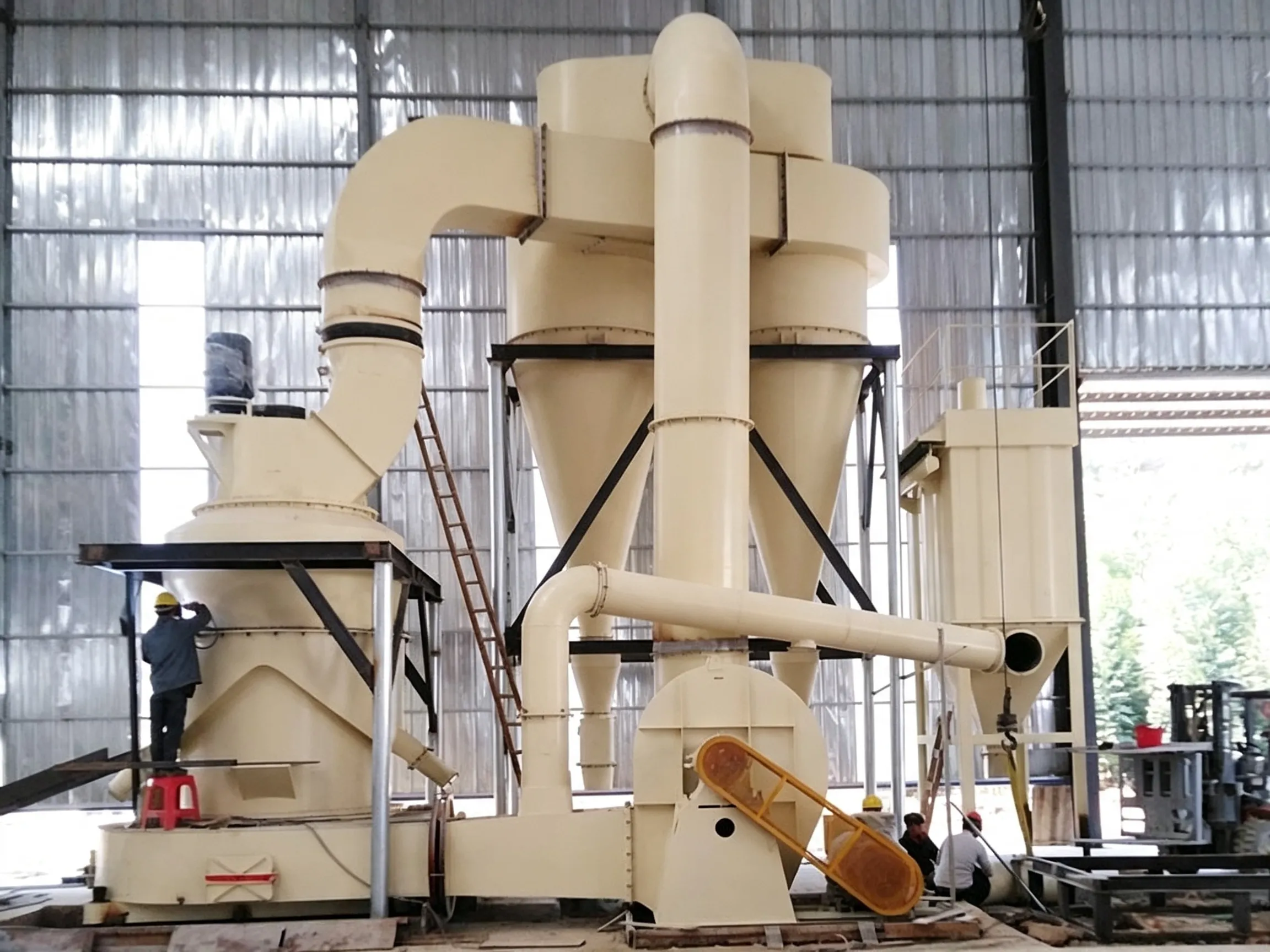
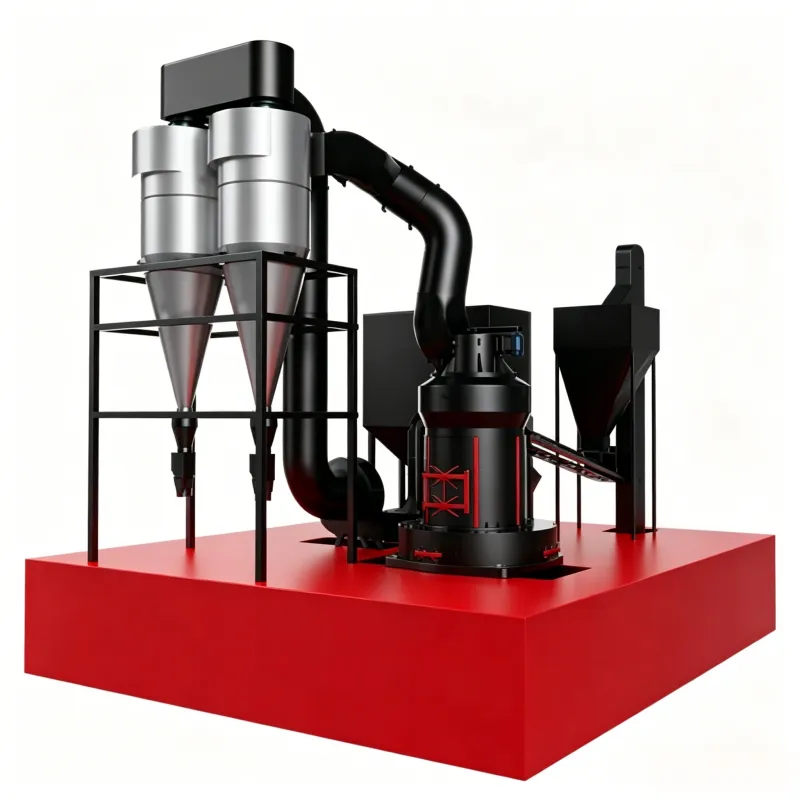
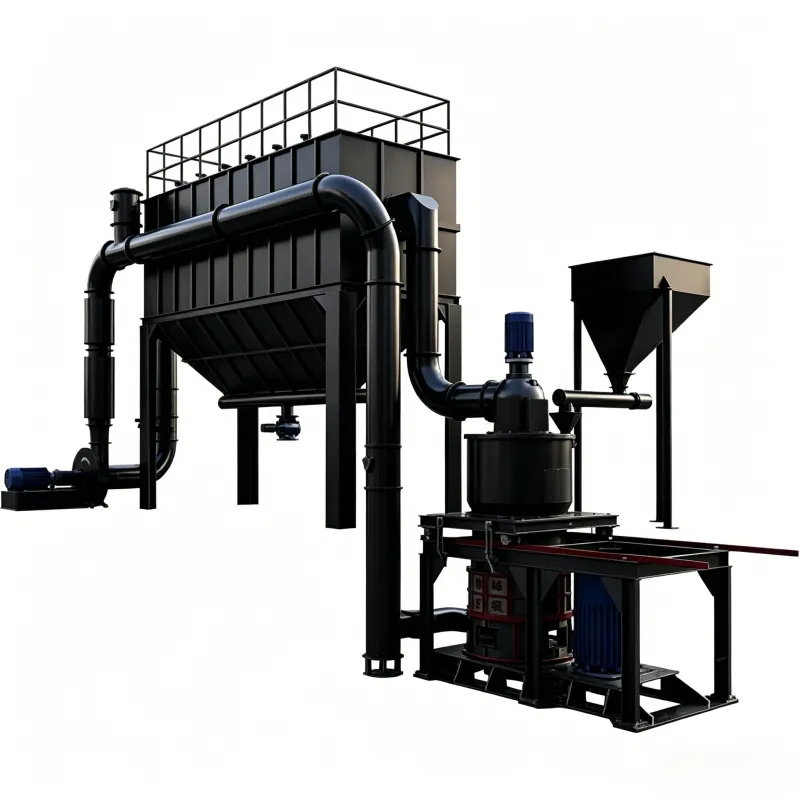
  • Ultrafine barium sulfate is “engineered.” It starts from barite powder and undergoes deep grinding with equipment such as ultrafine vertical roller mills, followed by high‑precision air classification. Some products even undergo chemical purification and surface modification to achieve ultrafine, high‑purity, and high‑performance standards.

2. Purity and Particle Size: Quantitative Change Leads to Qualitative Change

  • Purity: Barite powder contains natural associated impurities, whereas ultrafine barium sulfate raises the BaSO₄ purity to over 98% through selected ore sources and fine processing, resulting in fewer impurities, higher whiteness, and better chemical stability.
  • Particle size: This is the most critical difference. Barite powder is “fine powder,” while ultrafine barium sulfate is “ultrafine powder.” This leap from micron to sub‑micron or even nano scale brings about qualitative changes in physical properties:
    • Better dispersibility: Less agglomeration, more uniform dispersion in the matrix material.
    • Lower oil absorption: Saves resin and other binders, reducing costs.
    • Better filling effect: More compact filling of material voids, improving product performance.

🎯 Application Scenarios: Each Has Its Own Role

  • Barite powder: Focuses on cost‑performance. Its largest use is in the petroleum drilling industry as a weighting agent in drilling muds, leveraging its high density. In ordinary coatings and rubber, it is also commonly used as an inexpensive extender filler.
  • Ultrafine barium sulfate: Serves as a performance enhancer. In high‑end applications, it is not just a filler but a functional additive. For example, in high‑gloss coatings, it improves film gloss, smoothness, and weather resistance. In engineering plastics, it enhances surface smoothness and hardness of finished parts.

Although barite powder and ultrafine barium sulfate share the same origin, they represent two different market positions. The choice between them depends entirely on your application needs:
  • If you seek the lowest cost and basic functionality – for example, as a drilling mud weighting agent or general filler – barite powder is the economical choice.
  • If you pursue superior performance and product quality – for example, in premium coatings or engineering plastics – ultrafine barium sulfate is the key to enhancing product competitiveness.

Diese Produkte könnten Ihnen ebenfalls gefallen

Peripheralantrieb-Eindicker

Peripheralantrieb-Eindicker

Peripheralantriebs-Eindicker Derzeit sind die in China hergestellten Peripheralantriebs-Eindicker im Allgemeinen…
Drehrohrofen

Drehrohrofen

Produktübersicht: Kernausrüstung für die industrielle Kalzinierung Der Drehrohrofen ist ein…
Hammerbrecher

Hammerbrecher

Arten von Hammerbrechern Seit seiner Einführung im Jahr 1924 hat der Hammerbrecher…
Copyright © 2026 Oreprocessings. Alle Rechte vorbehalten.