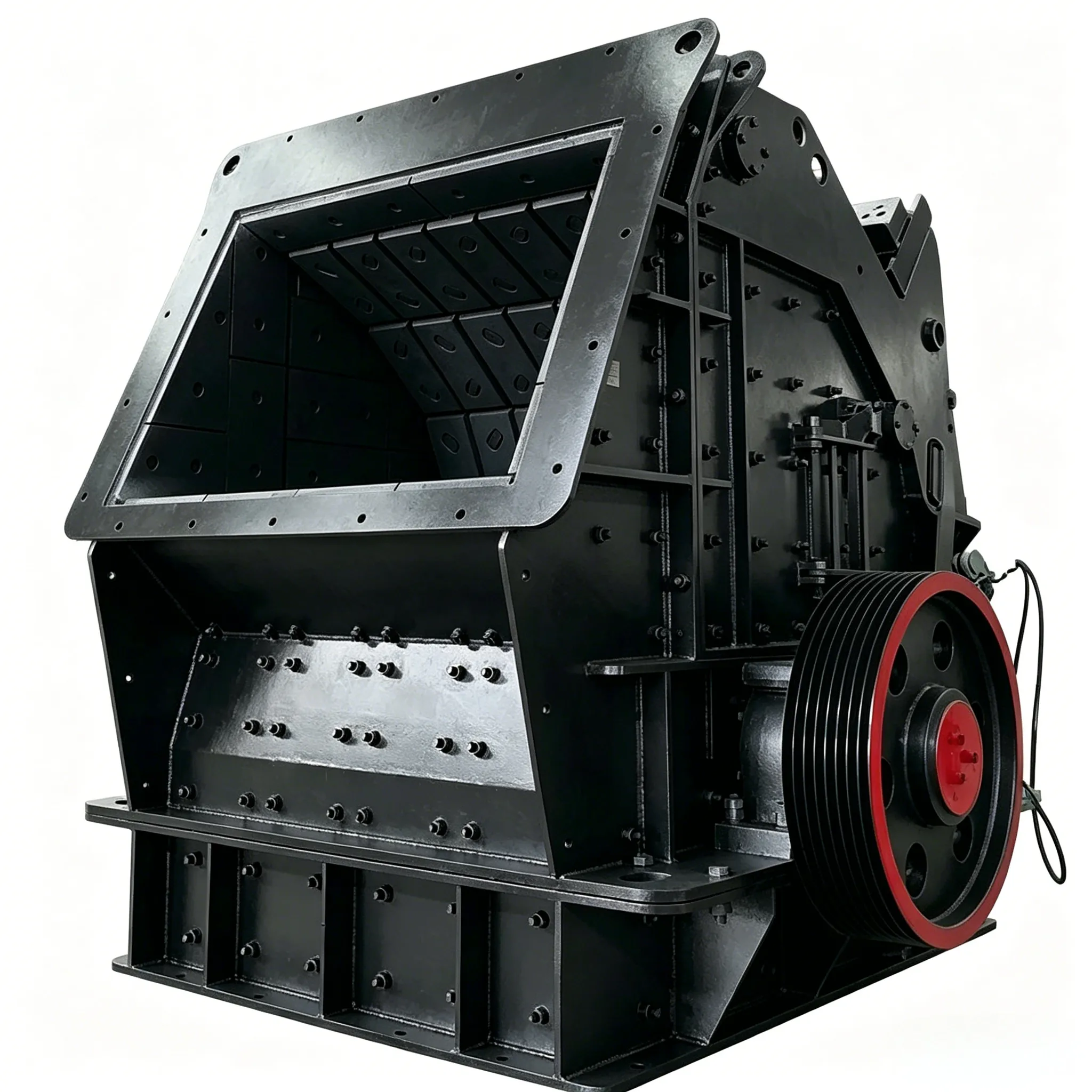
Prallbrecher
Arten von Prallbrechern Ein Prallbrecher ist eine Vorrichtung, die mit Prallkraft arbeitet…

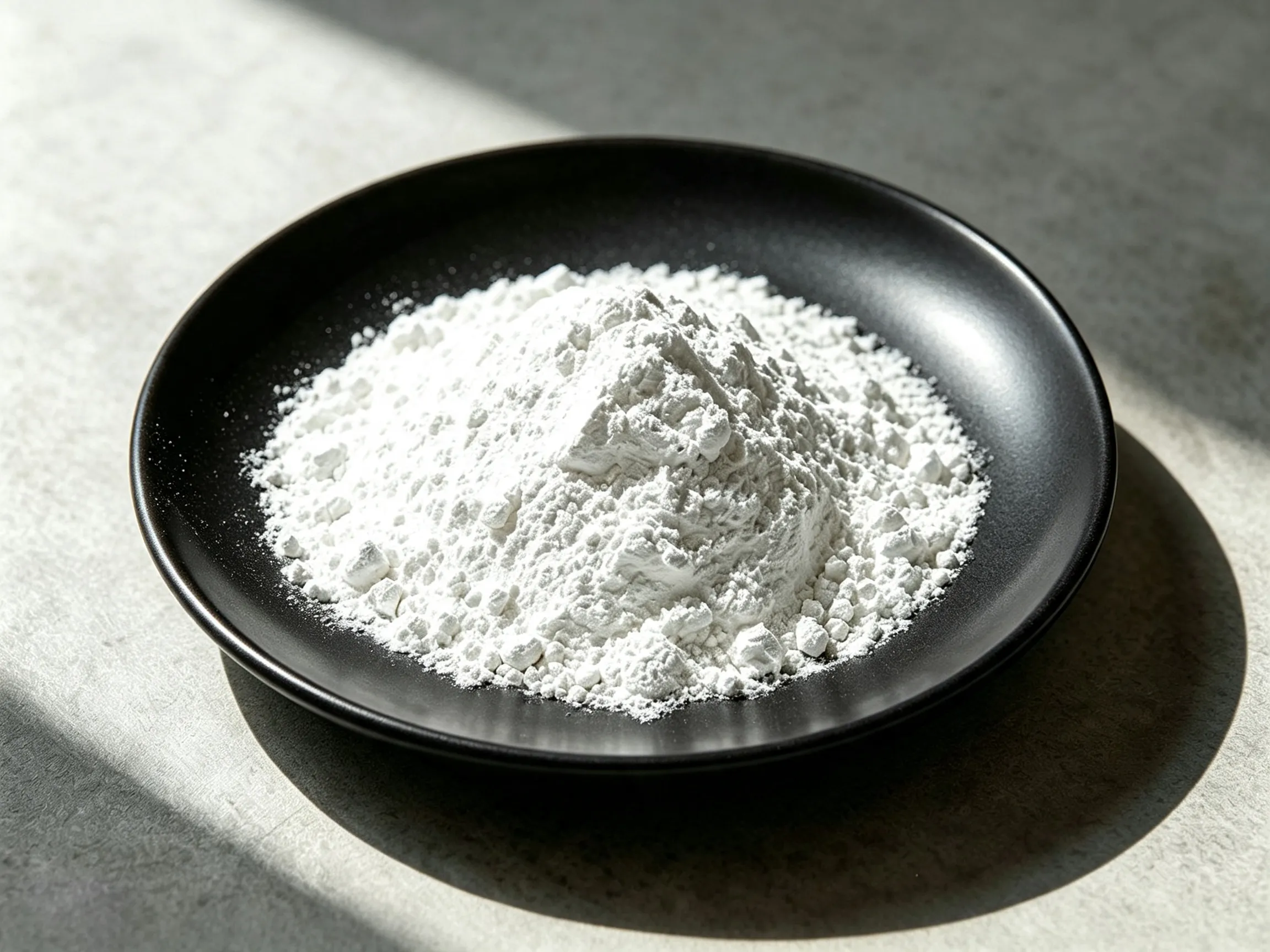
With increasingly stringent global environmental regulations and the deepening of the “dual carbon” strategy, magnesium hydroxide – as a non-toxic, smoke-suppressing, and non-corrosive green inorganic flame retardant – is experiencing explosive demand growth. Global magnesium hydroxide production reached 305,000 tonnes in 2022, with an output value of RMB 3.47 billion. However, the market value of magnesium hydroxide is closely linked to its purity, fineness, particle size distribution, and specific surface area. Ultrafine grinding, as a key technology for enhancing the added value of magnesium hydroxide products, has become a focal point for the industry. This article provides a comprehensive analysis of the process schemes, core equipment, and development trends for magnesium hydroxide ultrafine grinding.
The flame-retardant performance of magnesium hydroxide is closely related to its particle size. The smaller the particle size of the magnesium hydroxide flame retardant, the better its flame-retardant effect. As the particle size decreases, the specific surface area increases and surface properties change, which helps to improve dispersion and mechanical properties in polymer matrices.
Specifically, the core value brought by ultrafine grinding includes:
Particle size reduction via grinding is more straightforward than many other processing routes, allowing low‑cost production of high‑grade powder with greater versatility.
Magnesium hydroxide ultrafine grinding is divided into two main technical routes: dry grinding und wet milling, each with its own application scenarios and process characteristics.
Dry grinding is the mainstream method for magnesium hydroxide ultrafine grinding, especially suitable for high‑purity magnesium hydroxide. Core equipment includes jet mills, ring roller mills, and ultrafine vertical roller mills.
Typical process flow:
Raw material (brucite ore or synthetic magnesium hydroxide) → Coarse crushing (Backenbrecher/hammer crusher) → Ultrafine grinding (jet mill/ring roller mill/vertical mill) → Classification → Collection → Finished product
High‑purity magnesium hydroxide is generally processed with a jet mill, which can easily produce ultrafine powder in the 1–74 μm range. A jet mill system typically includes, in sequence, a feed hopper, jet milling device, air classifier, cyclone collector, dust filter, and induced‑draft fan.
Wet milling is another important route for ultrafine grinding, particularly suitable for producing sub‑micron or even nano‑sized particles. Its typical process is:
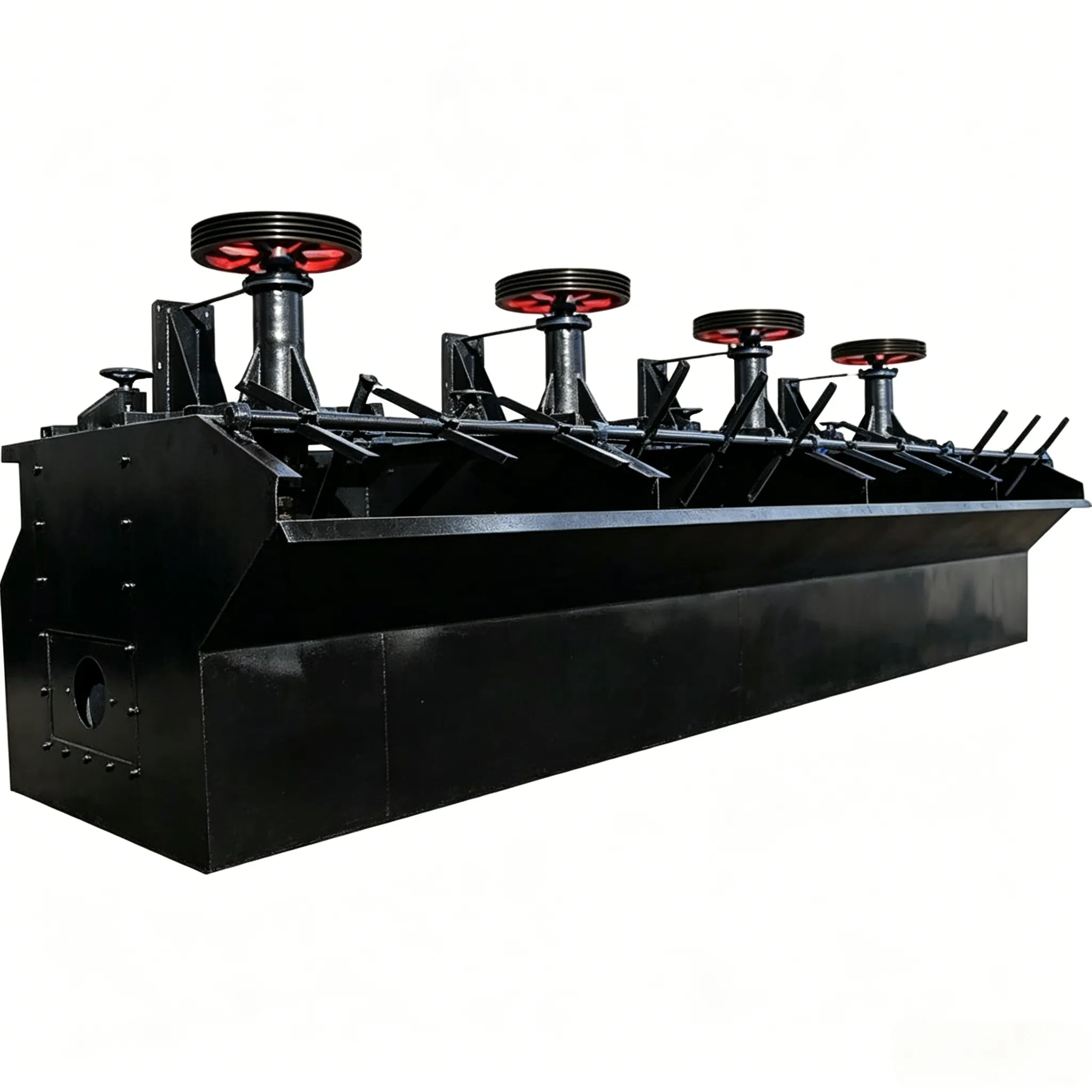
Raw material pre‑treatment (preliminary crushing, drying) → Slurry preparation (water + dispersant) → Wet milling (bead mill/stirred mill) → Classification → Drying → Finished product packaging
Wet milling uses water as the dispersion medium, with surfactants or dispersants added to form a stable slurry. Particle size reduction is achieved through impact and shear forces from high‑density grinding media (e.g., zirconium silicate beads).
Comparison between dry and wet routes:
| Aspect | Dry Grinding | Wet Milling |
|---|---|---|
| Final particle size | 1–74 μm (jet mill can reach finer) | Can reach sub‑micron/nano scale |
| Suitable materials | High‑purity, dry materials | Materials requiring good dispersion |
| Energy consumption | Relatively higher | Relatively lower |
| Post‑processing | No drying required | Requires drying, redispersion, etc. |
| Main risk | Dust, agglomeration | Particle re‑agglomeration |
Different ultrafine grinding equipment differs in principle, fineness, and energy consumption. Selection should be based on product targets and production scale.
The jet mill is a classic machine for magnesium hydroxide ultrafine grinding. Its working principle: compressed air, after cooling, filtering, and drying, is expanded through nozzles to form supersonic airflow that enters the grinding chamber. Material particles collide, impact, rub, and shear intensely at the intersection of multiple nozzle streams, achieving ultrafine size reduction.
Die wichtigsten Vorteile:
Technical parameters reference: final fineness 1–75 μm, feed size ≤5 mm, single‑unit output 1–4000 kg/h. Certain jet mill models can grind magnesium hydroxide powder down to 3000–10,000 mesh.
To address the high power consumption and high maintenance costs of traditional jet mills, the ring roller mill has emerged as a disruptive solution in the magnesium hydroxide ultrafine grinding field in recent years.
Magnesium hydroxide has relatively low hardness (Mohs ~2.5–3) but demands extremely high fineness and exhibits a certain stickiness. The ring roller mill, with its unique “impact + extrusion + grinding” three‑dimensional comminution mechanism, perfectly matches the grinding characteristics of magnesium hydroxide.
Real‑world application results (case of a large East China magnesium hydroxide flame retardant producer):
The ring roller mill can process magnesium hydroxide in a single pass to 325 mesh – 2500 mesh (D97), with the fraction below 2.5 μm accounting for about 40%. Grinding rolls and rings are made of special wear‑resistant alloy steel, extending service life by 2–3 times.
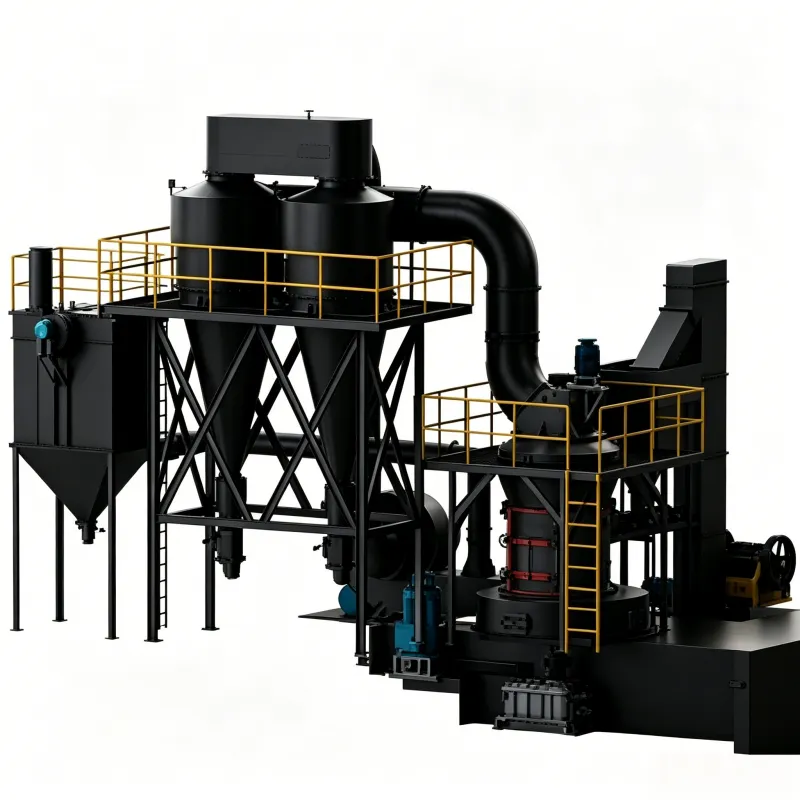
Ultrafine vertical roller mills (e.g., HLMX series) integrate ultrafine grinding and classification in one unit, suitable for large‑scale continuous production. They feature high single‑unit capacity and a high degree of automation, making them ideal for production lines with annual capacities of tens of thousands of tonnes or more.
| Anwendungsszenario | Recommended Equipment | Rationale |
|---|---|---|
| High purity, small‑batch, multi‑grade production | Jet mill | No contamination, high fineness, flexible changeover |
| Large‑scale, continuous, cost‑driven production | Ring roller mill | High capacity, low energy consumption, low maintenance cost |
| Nano‑sized ultrafine powder | Combined wet milling + jet milling | Can exceed dry‑grinding limitations |
Ultrafine magnesium hydroxide, with its triple functions of flame retardancy, smoke suppression, and filling, is widely used in the following fields:
Ultrafine magnesium hydroxide is one of the most important halogen‑free flame retardants for the wire and cable industry. In a typical formulation, 55 parts of ultrafine magnesium hydroxide (silane‑modified, 1 μm particle size) can achieve an oxygen index of 38 and UL94 V‑0 flame‑retardant rating.
Ultrafine magnesium hydroxide can be widely used in engineering plastics, epoxy resins, rubber, etc. After particle refinement, its dispersibility and compatibility in polymer matrices are significantly improved, helping to enhance the mechanical properties of finished products.
Studies show that ultrafine magnesium hydroxide can replace zinc borate and cobalt trioxide, providing better smoke‑suppression effects while meeting flame‑retardancy requirements. It is particularly suitable for applications with stringent flame retardancy and smoke‑suppression demands, such as mining cable sheaths and cable accessories.
High‑purity ultrafine magnesium hydroxide is also an important raw material for producing high‑purity magnesia, silicon‑steel‑grade magnesia, and various active magnesia products.
Reducing the particle size of magnesium hydroxide from 5–10 μm to 0.5–2 μm (ultrafine) or 50–200 nm (nano) via jet milling and wet grinding is the core direction of current technological development.
Companies such as Hefei Zhongke Flame‑Retardant New Materials have applied for patents on scalable production of ultrafine magnesium hydroxide, achieving product sizes of D50: 1–2 μm. Large‑scale, low‑energy, continuous production is becoming the industry goal.
New‑generation dry ultrafine grinding equipment, represented by the ring roller mill, is challenging the traditional notion that “ultrafine grinding must be energy‑intensive”. Under the same fineness conditions, it delivers comprehensive benefits of over 30% higher output and over 35% lower power consumption.
Fully enclosed negative‑pressure operation, zero dust emissions, and low noise have become standard requirements for magnesium hydroxide ultrafine grinding production lines. Environmental performance indicators such as equipment sealing and system negative‑pressure operation directly affect a company’s market competitiveness.
 English English
 Spanish
 Russian
 Arabic
 Swahili
 French
 Turkish
 Portuguese
 Korean
 Japanese
 German
 Italian