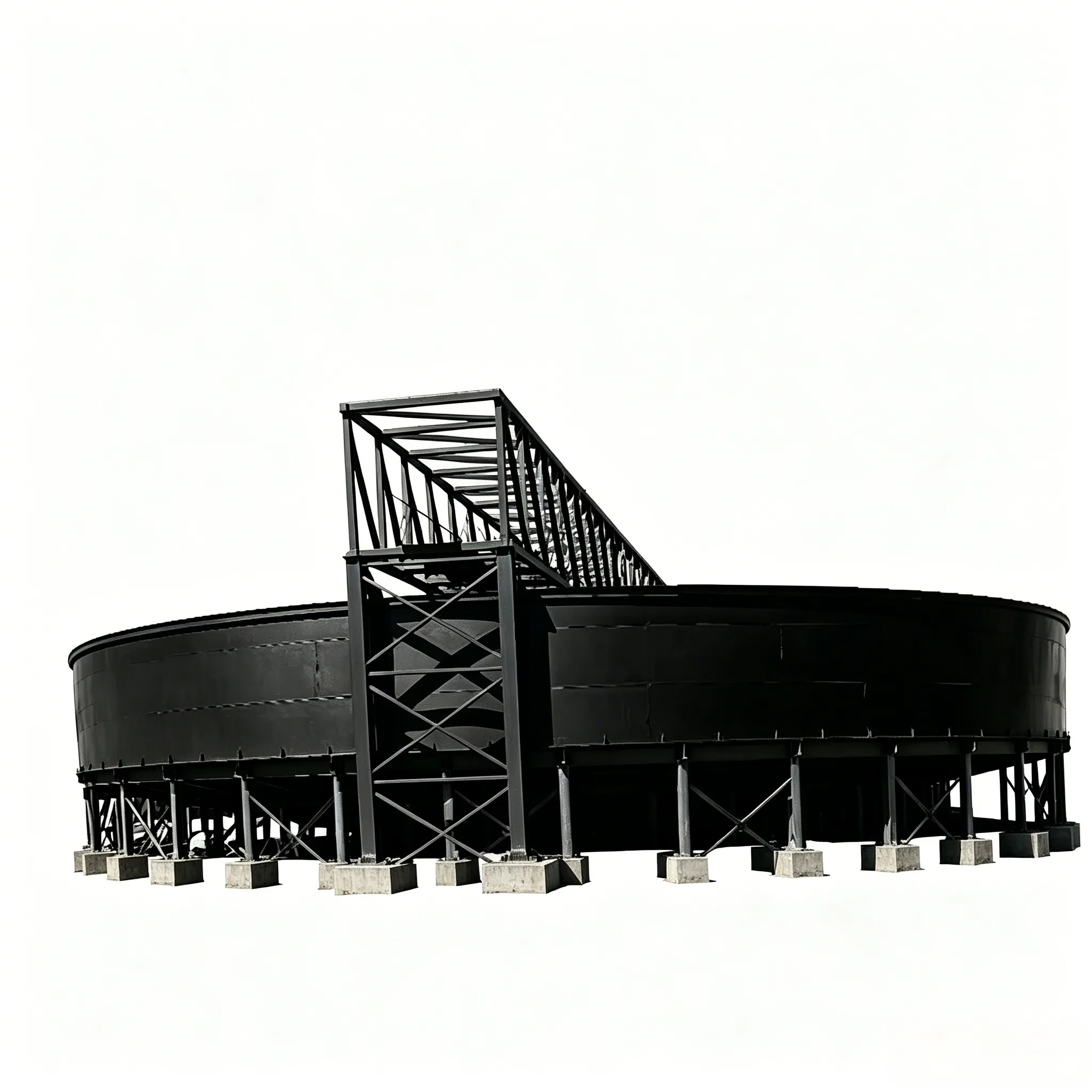
Kastenförmiger Schrägplatten-Eindicker
Herkömmlicher Schrägplatten-Eindicker Der Schrägplatten-Eindicker (Klärbecken) der Baureihe KMIZ(Y) ist ein neues…

Silver is a precious metal widely used in jewelry, industrial manufacturing, electronics, and investment. However, few people know the complex refining process that turns a piece of ordinary silver ore into a shiny pure silver ingot. This article provides a detailed, step-by-step walkthrough of the complete silver ore extraction and refining process.
Silver is widely distributed in nature but in low concentrations. Global proven silver reserves are about 244,000 tonnes. Notably, only about 10% of silver comes from independent silver-dominant ores; the remaining 90% is recovered as a by‑product from non‑ferrous metal ores (e.g., lead, zinc, and copper). By grade, deposits with silver content above 100 g/t are classified as independent silver ores, while those below this threshold are called associated silver ores.
Silver extraction methods are generally divided into hydrometallurgical und pyrometallurgical routes. A typical industrial process flow includes: Mining → Crushing → Grinding → Flotation → Concentrate treatment → Cyanide leaching → Precipitation → Electrorefining. Let’s examine each step in detail.
Silver ores are extracted either by open‑pit or underground mining. Run‑of‑mine ore first enters a crushing system, typically using two‑stage crushing with a closed‑circuit vibrating screen. The purpose is to reduce the ore to a suitable size for subsequent processing, generally below 13 mm.
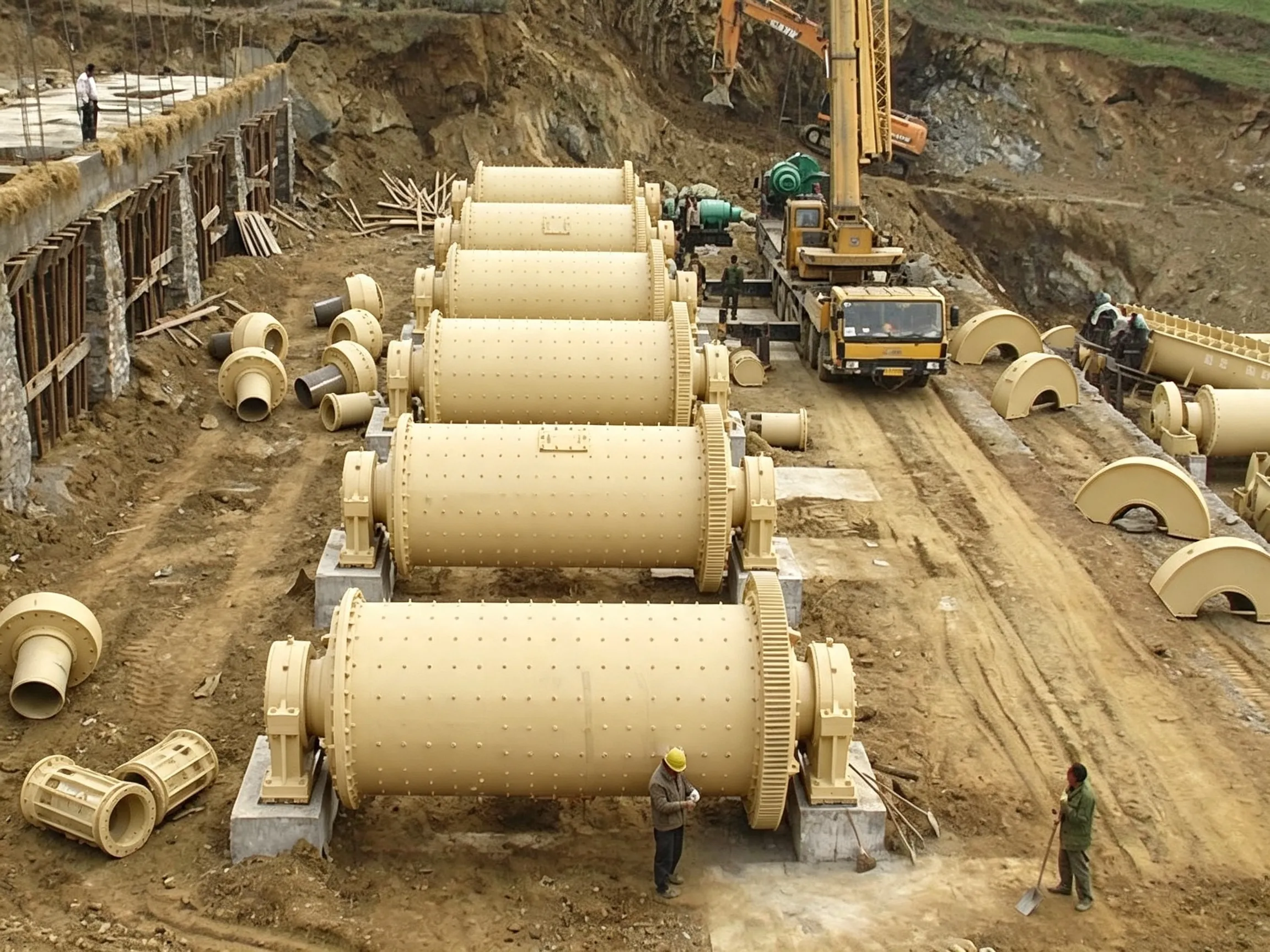
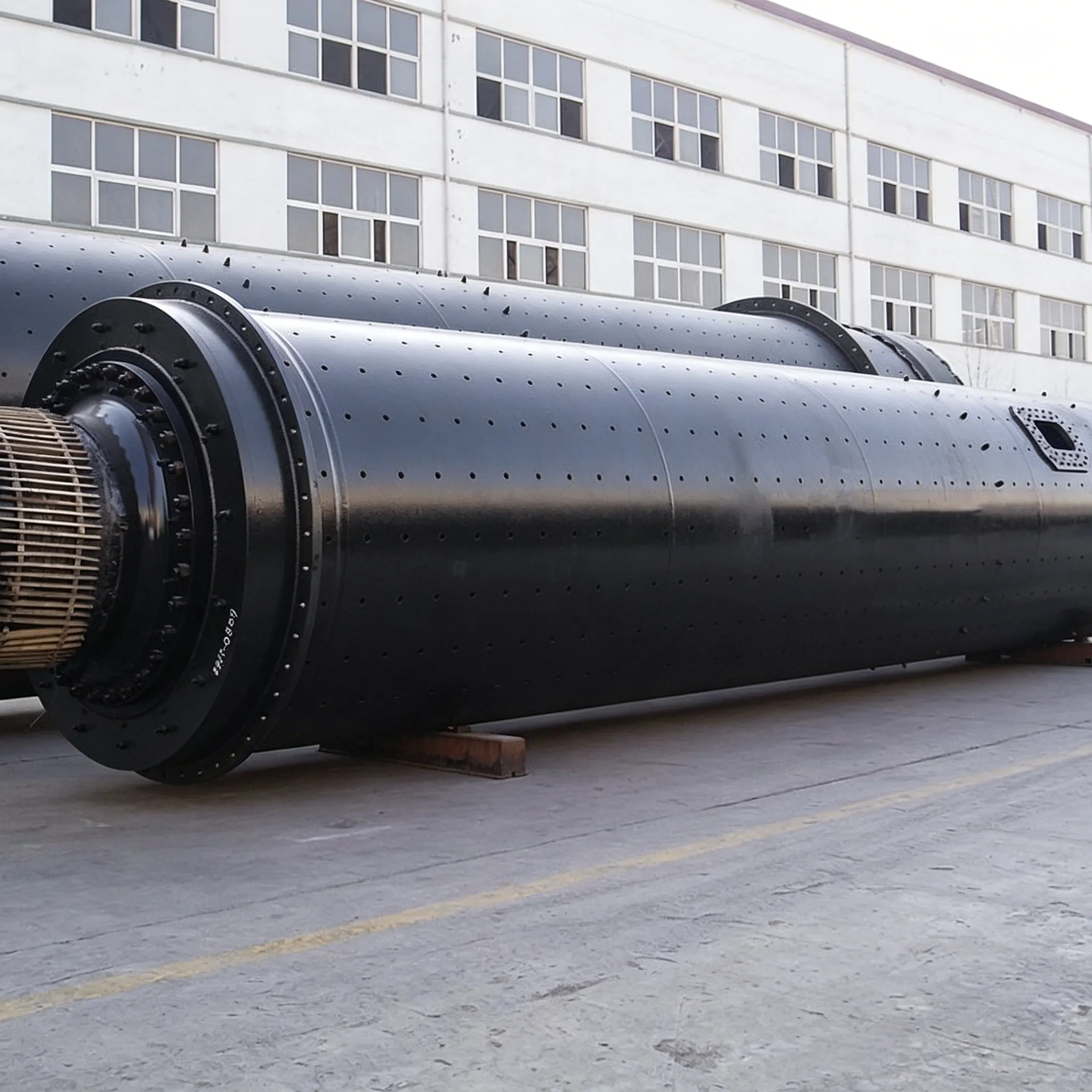
Crushed ore is then ground in ball mills to liberate silver minerals from gangue. In a typical process, the ore is ground and classified by hydrocyclones to produce a slurry with a solid concentration of 37%–39% and a particle size of 60% passing 0.075 mm, at a pH of 7–8.
Modern flotation circuits often adopt two‑stage continuous grinding. The first stage achieves a fineness of –3 mm, followed by screening and hydrocyclone classification. Final grinding fineness is usually 70%–80% passing 0.074 mm.
Flotation is the most critical enrichment stage for silver ores. Since the vast majority of silver ores are sulphide ores, flotation is highly effective, typically achieving a 30‑ to 40‑fold concentration of the valuable minerals.
The silver flotation process generally includes:
Flotation reagents include collectors (e.g., butyl xanthate, ammonium dibutyldithiophosphate), activators (e.g., copper sulphate), and frothers (e.g., No. 2 oil). A typical flowsheet of one rougher, two cleaners, and two scavengers yields a marketable mixed silver concentrate.
For complex polymetallic ores, more sophisticated circuits are used. For example, a silver‑manganese ore may use “dry magnetic pre‑treatment → flotation of non‑magnetic fraction → flotation of magnetic fraction”. A silver‑iron‑manganese polymetallic ore may adopt a combined “silver flotation – iron low‑intensity magnetic separation – manganese high‑intensity magnetic separation” process.
The silver concentrate then proceeds to cyanide leaching. The cyanidation process, invented in 1887, was once the dominant method. It uses cyanide (usually sodium or potassium cyanide) to dissolve silver from the ore. Main reactions:
Compared with conventional gold cyanidation, silver leaching has several distinctive features: higher cyanide concentration (0.3%–0.6%), longer retention time for sulphide ores (2–3 days), finer grinding (−0.15 mm), and intense aeration.
For low‑grade silver ores, heap leaching with agglomeration is a cost‑efficient alternative. The low‑grade ore, crushed material, or tailings are mixed with cement, lime, and water to form agglomerates, which are stacked into heaps and sprayed with sodium cyanide solution in a recirculating system to produce a pregnant solution. For instance, a U.S. mine treating waste rock grading 35 g/t Ag achieved a 90% recovery by heap leaching.
After two stages of cyanide leaching, the mixed silver concentrate yields a pregnant leach solution containing dissolved silver.
The pregnant solution is deoxygenated and then treated by zinc dust precipitation to displace silver from the sodium cyanoargentite complex. This produces a silver‑gold sludge precipitate. The silver concentration in the pregnant solution typically ranges from 0.2 to 1 g/L.
The sludge is acid‑washed, dried, and smelted to produce a silver‑gold alloy anode.
The silver‑gold alloy anode is finally subjected to silver electrorefining for purification. Electrolysis yields high‑purity silver. The silver powder deposited at the cathode is melted and cast into final commercial silver ingots.
Besides the main process described above, there are several other important methods:
Amalgamation: This ancient technique (dating back to the Qin‑Han dynasty in China) uses mercury to selectively wet silver, forming an amalgam, from which mercury is later distilled off. Due to severe mercury pollution, it is now rarely used except as an auxiliary step.
Acid leaching: High‑grade silver ores can be leached with a sulphuric‑nitric acid mixture. Silver is precipitated from the leach liquor as AgCl using HCl or NH₄Cl, then converted and reduced to metallic silver.
Slurry electrolysis: A technology invented in China, used for flotation concentrates from polymetallic ores, where lead and silver are simultaneously dissolved in an electrolytic cell.
Traditional processes like amalgamation have been phased out due to mercury contamination. Modern silver refining is moving toward more environmentally friendly and efficient approaches:
Silver ore extraction is a complex system engineering that integrates physical mineral processing, chemical metallurgy, and electrochemical refining. From mining and crushing to the final pure metal, each step embodies modern technological innovation. Understanding this process not only helps us appreciate the valuable resource but also deepens our respect for the science and engineering behind every silver product we use.
 English English
 Spanish
 Russian
 Arabic
 Swahili
 French
 Turkish
 Portuguese
 Korean
 Japanese
 German
 Italian