Perlite filter aid is a white powdery filtration medium produced through a special process. It is widely used in industries such as brewing, beverages, and pharmaceuticals, primarily to increase filtration speed and improve filtrate clarity while leaving the colour, aroma, and taste of the liquid unaffected.
🤔 What Is a Filter Aid?
Before diving into perlite filter aid, it helps to understand the concept of a “filter aid.”
A filter aid is a group of inert, insoluble solid particles. Its working principle is to form a loose, porous filter cake during filtration. This filter cake acts like a finer “sieve,” effectively trapping fine impurities from the liquid.
🔬 The Origin and Manufacture of Perlite Filter Aid
The raw material for perlite filter aid is a natural volcanic glassy rock. To become a filter aid, it undergoes a remarkable transformation:
- Ore Selection and Classification: Perlite ore of specific particle sizes is selected.
- High‑Temperature Expansion: This is the critical step. The ore is fed into a vertical kiln at about 1000°C. Upon heating, the water inside the ore vapourises rapidly, causing the material to expand dramatically into a lightweight, porous glassy structure.
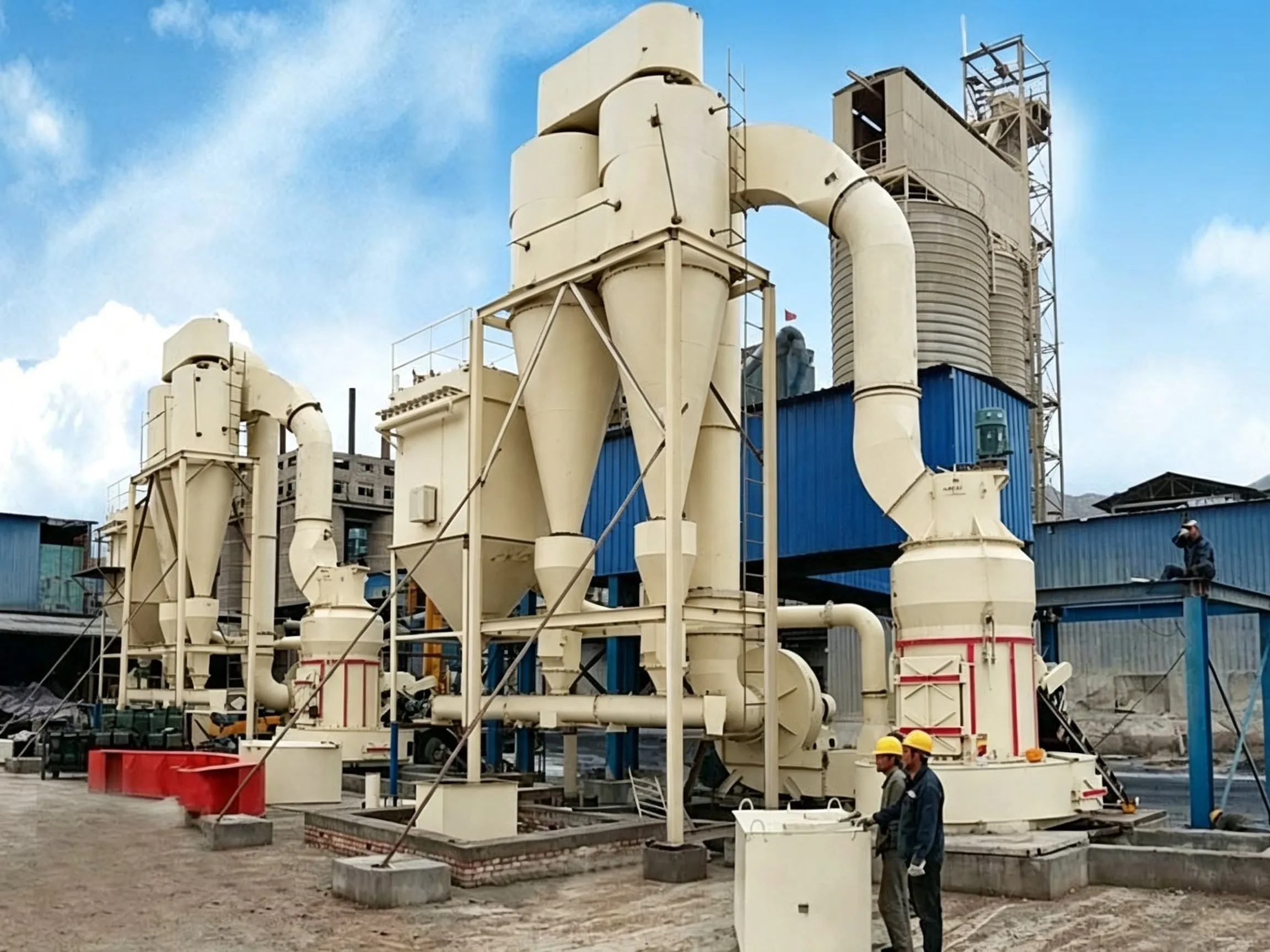
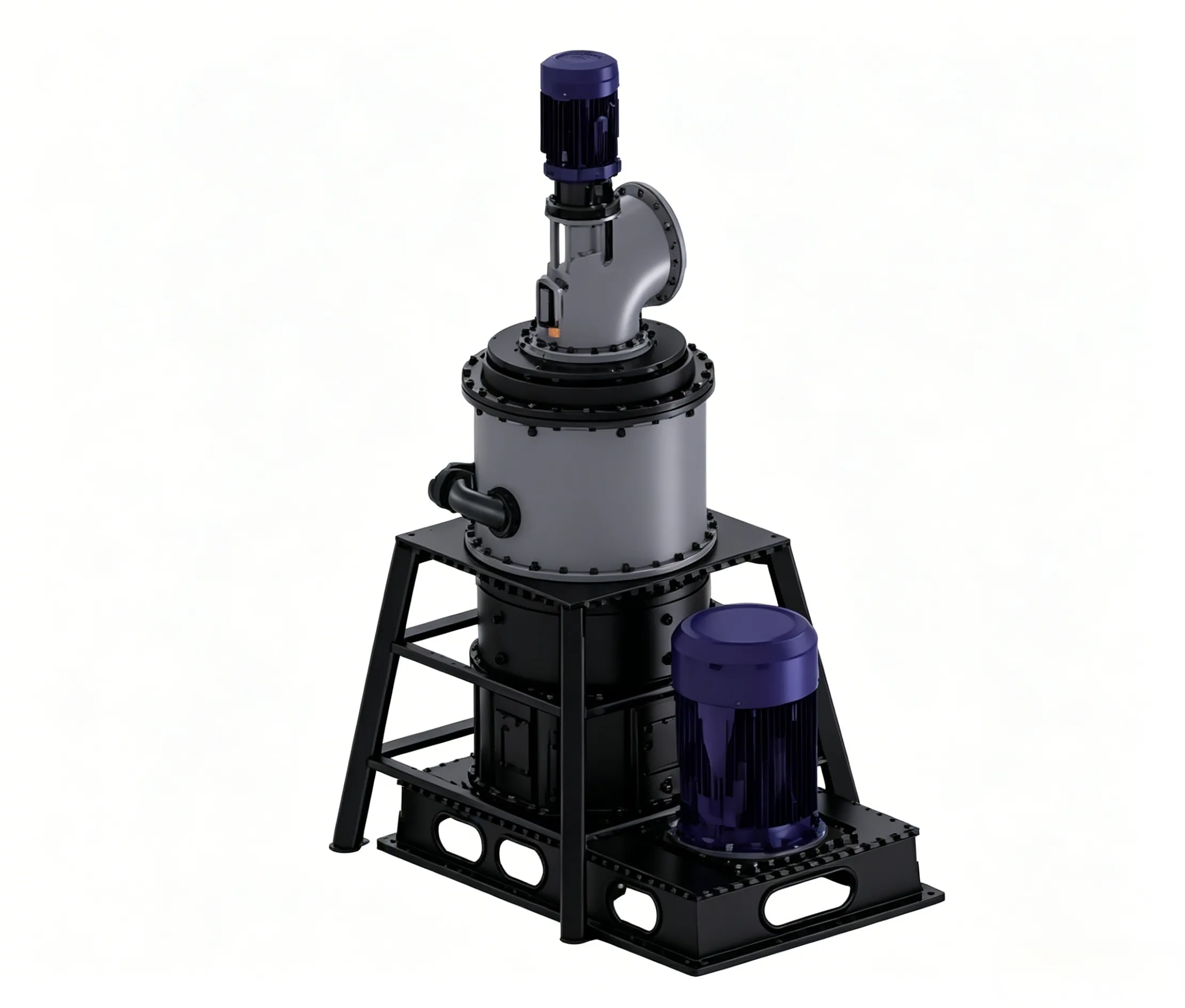
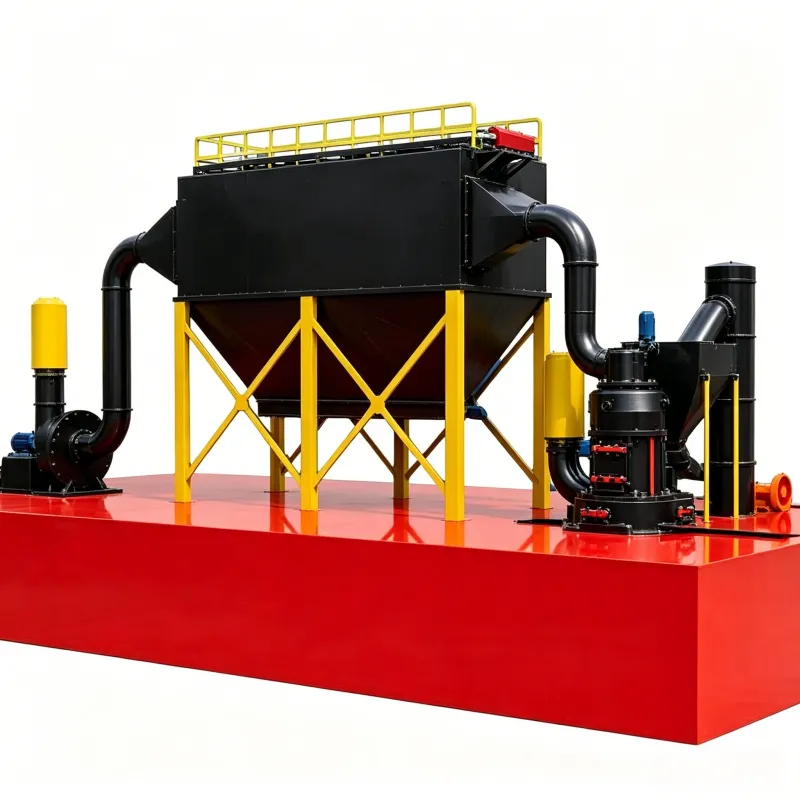
- Grinding and Air Classification: The expanded perlite is ground into a powder and then separated by multi‑stage air classification into different particle size ranges, producing various grades.
⚙️ How Does It Work?
Perlite filter aid enhances filtration primarily through precoat und body feed applications:
- Precoat: Before filtration begins, a slurry of the filter aid is circulated to form a thin, uniform “precoat layer” on the filter medium (such as filter cloth or screen). This precoat effectively prevents impurities from directly clogging the filter medium, prolonging its service life.
- Body Feed: A small amount of filter aid is continuously added to the liquid being filtered. These particles combine with the impurities in the liquid, increasing the porosity of the filter cake and preventing it from becoming blocked, which would reduce filtration speed.
Die irregular, jagged structure of perlite particles causes them to interlock when forming the filter cake, creating countless micron‑sized channels. These channels efficiently trap solid impurities while maintaining a high void space of 80%–90%, achieving both high throughput und high clarity in filtration.
📊 Specifications and Standards: How to Choose?
Perlite filter aids have clear industry standards (e.g., JC/T 849-2024), classified mainly by application und filtration speed:
- Nach Anwendung:
- Food Grade (Code S): Used in food, beverages, pharmaceuticals, etc., with strict safety limits on heavy metals and microorganisms.
- Industrial Grade (Code G): Used in chemicals, paints, petroleum, wastewater treatment, and other industrial fields.
- By Filtration Speed:
- Fast (Code K): Lowest bulk density (<0.15 g/cm³), fastest filtration rate, suitable for liquids containing coarse particles.
- Medium (Code Z): Filtration speed and clarity fall between fast and slow types; the most widely used.
- Slow (Code M): Highest bulk density (<0.25 g/cm³), slowest filtration rate, but captures the finest particles, offering the highest clarity.
✨ What Are the Core Advantages?
- Chemically Stable: The main component is inert aluminosilicate, insoluble in acids and alkalis, free of harmful organics, and does not react with the filtrate.
- Safe and Hygienic: The production process includes high‑temperature sterilisation, making it safe for food and pharmaceutical filtration. Heavy metal ion content is extremely low, typically around 0.005 ppm.
- Lightweight and Efficient: Its bulk density is about 20% lighter than diatomaceous earth, a traditional filter aid, meaning less material is needed to achieve the same filtration effect, reducing costs.
- Excellent Filtration Performance: It can capture particles smaller than 1 micron and effectively retains solids while maintaining high flow rates.
- Improves Product Quality: It can adsorb some high‑molecular‑weight proteins in the filtrate, which helps improve the non‑biological stability of beverages like beer.
🏭 Main Application Areas
Thanks to these advantages, perlite filter aid is used across a wide range of fields:
- Food and Beverage: Filtration of beer, wine, fruit juices, syrups, edible oils, condiments (soy sauce, vinegar), etc.
- Pharmaceutical and Biotechnology: Fine filtration of pharmaceuticals, antibiotics, vitamins, enzyme preparations, and other liquids.
- Chemical and Industrial: Processing of paints, coatings, petrochemicals, industrial wastewater, etc.
- Sonstiges: Water treatment, textile industry, etc.
🆚 Perlite vs. Diatomaceous Earth: What’s the Difference?
Both are mineral‑based filter aids and are often compared. Perlite’s main advantages over diatomaceous earth include:
- Lighter Weight: Its bulk density is roughly half that of diatomaceous earth, meaning less product is required by volume, helping to reduce transport and disposal costs.
- Easier Cake Disposal: The filter cake is more porous and less prone to hardening, making cleaning easier.
- Broad Applicability: Its performance is similar to diatomaceous earth and can be used as a direct substitute in many applications.
💡 How to Use Perlite Filter Aid?
Perlite filter aid is used in a similar way to diatomaceous earth, typically with equipment such as plate‑and‑frame filters oder rotary vacuum drum filters. A typical operating procedure is:
- Slurry Preparation: Mix perlite filter aid with clean liquid (e.g., water or the liquid to be filtered) and stir thoroughly to form a slurry.
- Precoat Application: Pump the slurry through the filter equipment, recirculating until a uniform precoat layer (typically 1.5 to 3.0 mm thick) is formed on the filter medium.
- Main Filtration: Pass the liquid to be filtered through the precoated filter. At this stage, a small amount of filter aid can be continuously added to the liquid to maintain the porosity of the filter cake as needed.
- Cake Removal: After filtration is complete, remove the spent filter cake and re‑precoat as required.
⚠️ Important Considerations
- Avoid High Shear: Perlite particles are brittle. Avoid high‑shear mixing to prevent particle breakage, which could impair filtration performance.
- Optimise Dosage: The dosage should be determined through experimentation – more is not always better, as excess can actually reduce filtration speed.
With its safe, efficient, and economical characteristics, perlite filter aid has become an indispensable material in modern precision filtration processes. From everyday beer and beverages to fine pharmaceutical production, it plays a vital role behind the scenes.


 English
 Spanish
 Russian
 Arabic
 Swahili
 French
 Turkish
 Portuguese
 Korean
 Japanese
 German
 Italian