
Barite, an important barium-containing mineral, is widely used in oil drilling, chemical, and pharmaceutical industries. Since barite often occurs in association with minerals such as calcite , fluorite , and quartz , effective flotation separation methods are crucial for obtaining high-grade barite concentrate.
Barite, an important barium-containing mineral, is widely used in oil drilling, chemical, and pharmaceutical industries. Since barite often occurs in association with minerals such as calcite , fluorite , and quartz , effective flotation separation methods are crucial for obtaining high-grade barite concentrate. The following will detail common barite flotation beneficiation processes.
Direct flotation is a mineral processing method that directly floats barite while suppressing gangue minerals. By adding a targeted collector , the barite surface becomes hydrophobic and floats, while the gangue minerals remain in the pulp. This method is relatively simple and easy to operate and control. Commonly used collectors are fatty acid collectors (oleic acid, sodium oleate, etc.), which have good collection effects on barite in an alkaline pulp environment (pH 9-11). Simultaneously, adjusters are often added to regulate the pulp pH, and depressants are added to suppress gangue minerals. Direct flotation of barite is generally suitable for ores where the floatability of gangue minerals is relatively poor and the intergrowth relationship between barite and gangue minerals is not complex.
Reverse flotation is a mineral processing method that floats gangue minerals while suppressing barite. Unlike direct flotation, it involves adding a suitable collector to float gangue minerals while leaving barite at the bottom of the tank. This method effectively removes harmful impurities from the ore and improves the purity of the barite concentrate.
When using barite flotation to remove carbonate gangue such as calcite, amine collectors can be used to float the calcite in an acidic pulp environment (pH 5-7). Simultaneously, depressants (such as zinc sulfate, sodium sulfite, etc.) need to be added to suppress barite formation.
Reverse flotation of barite is suitable for processing ores in which gangue minerals have good floatability and barite and gangue minerals are closely associated, making them difficult to separate effectively by direct flotation.
Preferred flotation is a mineral processing method that recovers different minerals sequentially by floating them according to their differences in floatability. In barite flotation, minerals with high floatability are floated first, followed by other minerals, ultimately yielding barite concentrate. This method enables the separate recovery of multiple minerals, improving resource utilization. Accurate understanding of the floatability differences among minerals is crucial during flotation, requiring the appropriate selection of flotation reagents and control of flotation conditions. For polymetallic ores containing barite, fluorite, and calcite, reagent adjustments can be made to prioritize fluorite flotation, followed by adjusting conditions to float calcite, and finally barite. Preferred barite flotation is particularly suitable for complex barite ores containing multiple valuable minerals with significant differences in floatability, maximizing the recovery of various useful minerals and minimizing resource waste.
Mixed flotation is a mineral processing method that involves floating two or more minerals with similar floatability together, followed by separation. In barite flotation, if barite has similar floatability to some gangue minerals or other valuable minerals, mixed flotation can be performed first to obtain a mixed concentrate, which can then be further separated. This method simplifies the flotation process and improves flotation efficiency.
During flotation, it is necessary to find a universal collector that can simultaneously float the target minerals. For ores with similar floatability to barite and fluorite, fatty acid collectors can be used for mixed flotation in a neutral or weakly alkaline pulp environment. In the subsequent separation process, appropriate modifiers are selected to change the pulp properties based on the differences in properties between barite and fluorite to achieve separation.
Mixed flotation of barite is suitable for processing ores in which barite has similar floatability to other minerals and is difficult to float individually. By using mixed flotation, the number of flotation operations can be reduced, thus lowering costs.
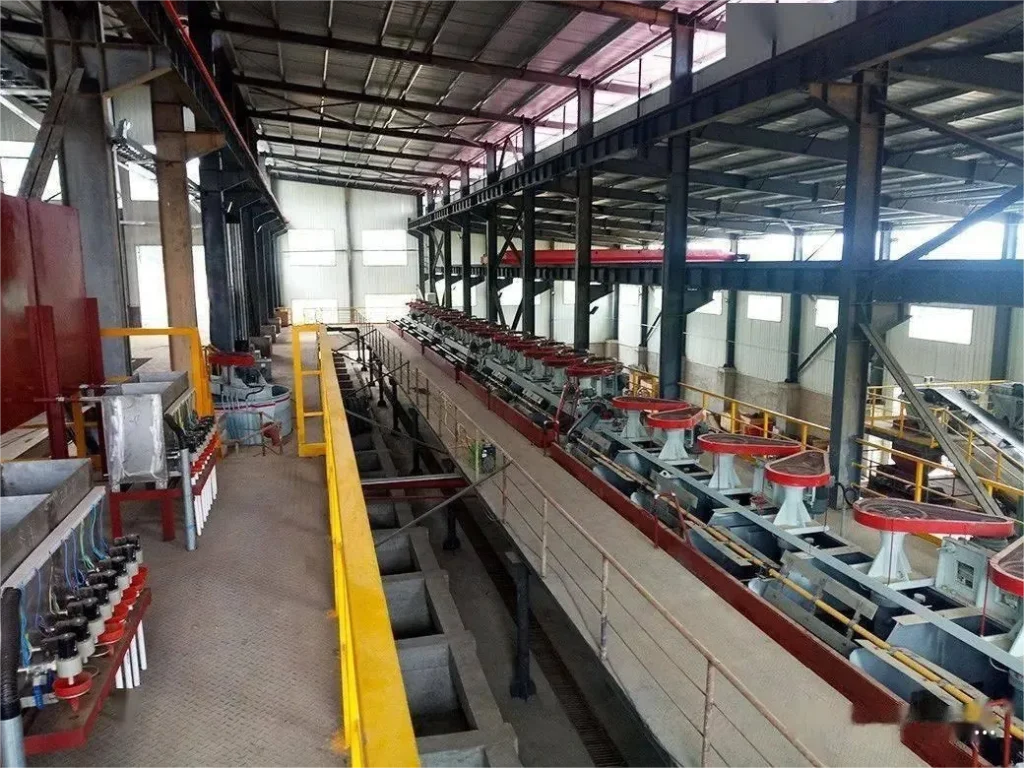
Barite is often associated with salt minerals such as fluorite, calcite, and quartz, as well as metallic sulfide minerals such as chalcopyrite and galena. These associated minerals directly contribute to the low grade of barite ore. Due to the fine grain size and complex composition of this type of barite, gravity separation is difficult to use . Barite flotation is a commonly used beneficiation method for barite, and it is well-suited to various complex distribution types of barite. The reagents used in barite flotation directly affect the separation effect; therefore, reagent selection plays a crucial role in barite flotation.
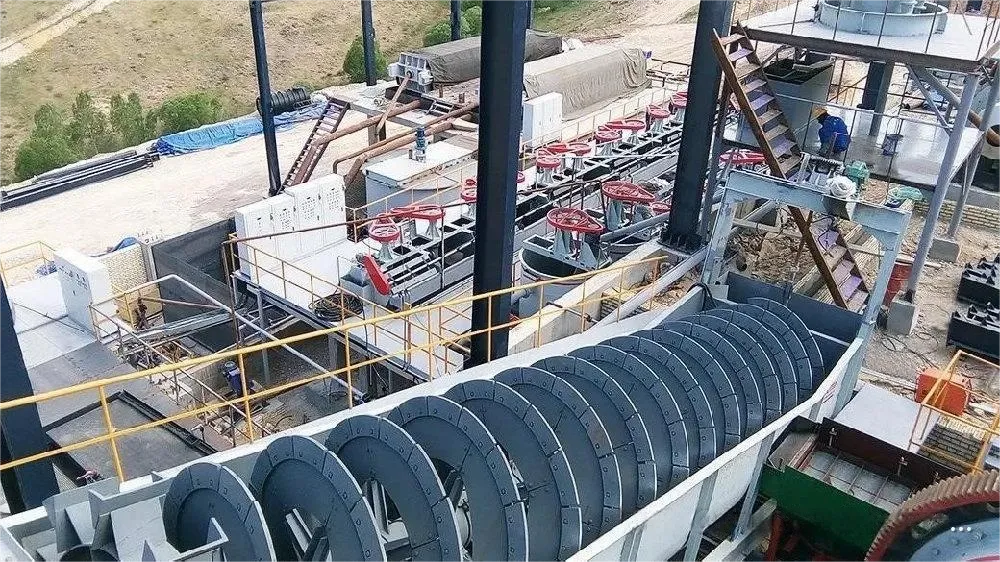
Barite flotation can achieve efficient recovery of high-grade concentrates while meeting economic and environmental requirements. The specific process needs to be customized according to the ore characteristics (particle size, associated minerals, etc.). The following is a typical barite flotation process flow and key steps:
I. Crushing and Grinding
Coarse crushing: The raw ore is crushed to a particle size of <50mm by a jaw crusher.
Fine crushing: Using a cone crusher or impact crusher, the ore is further crushed to <10mm.
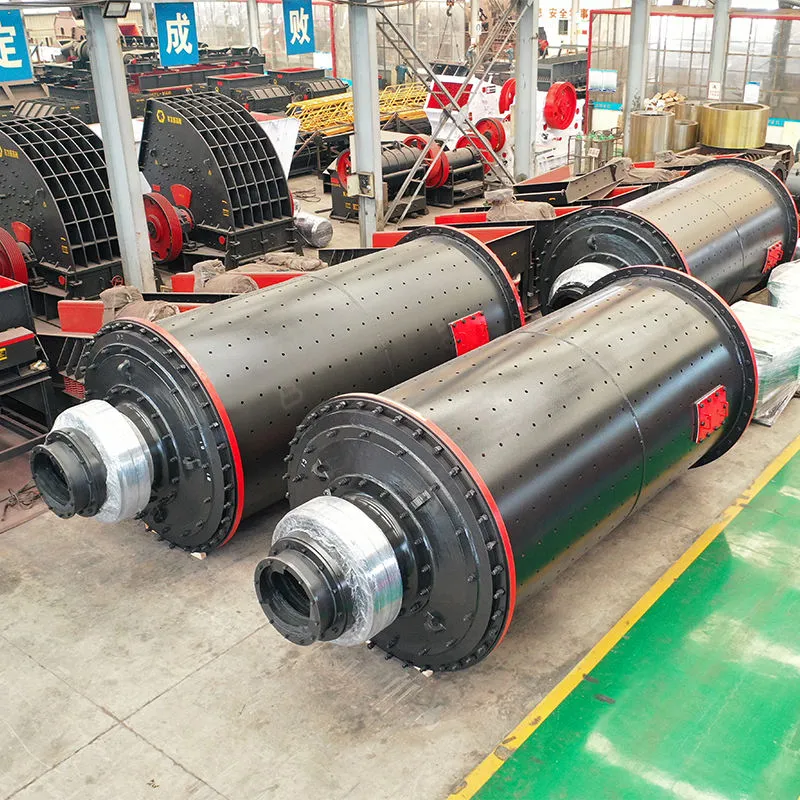
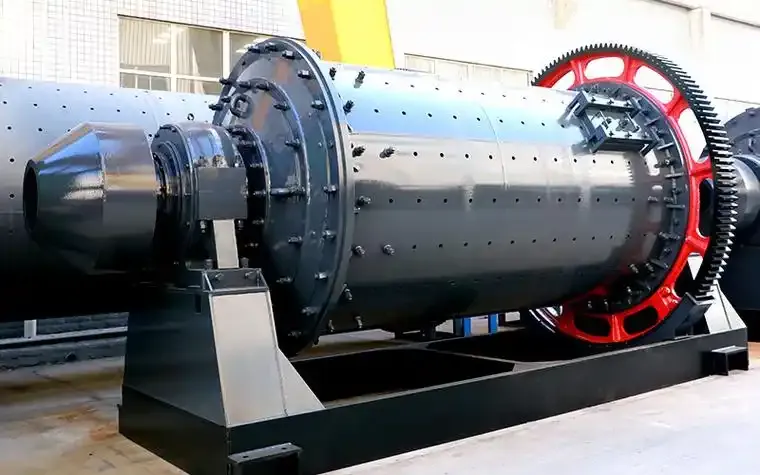
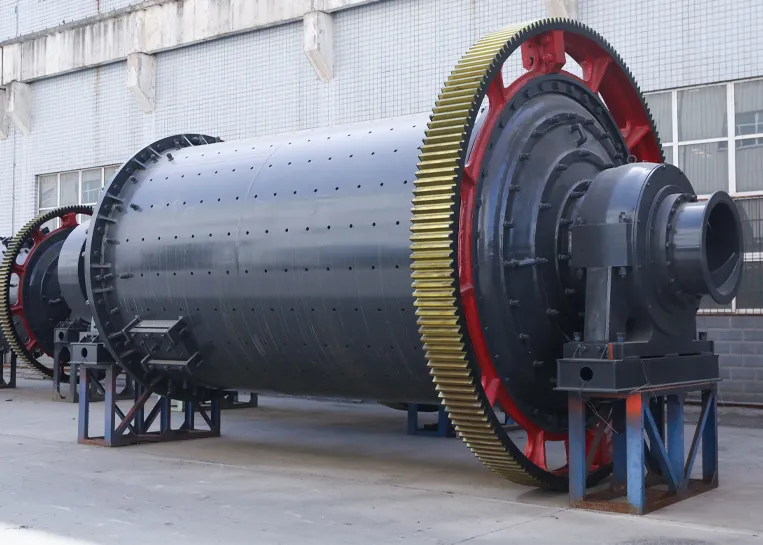
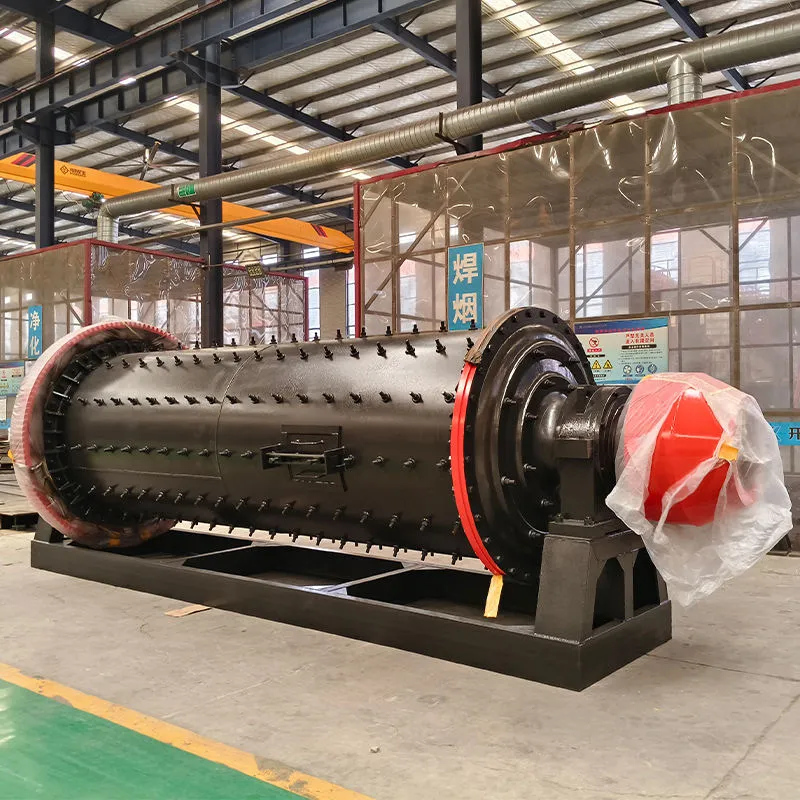
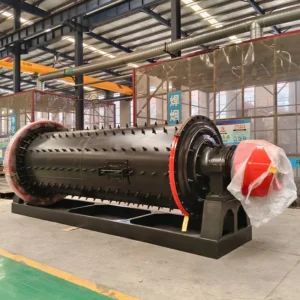
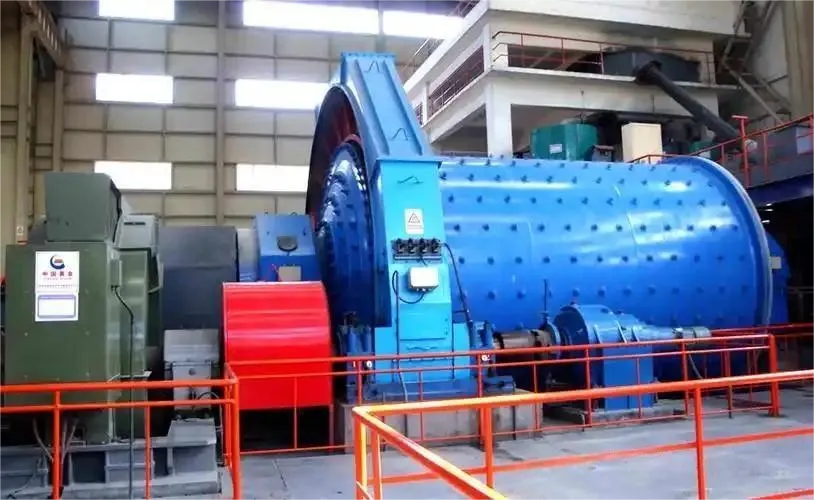
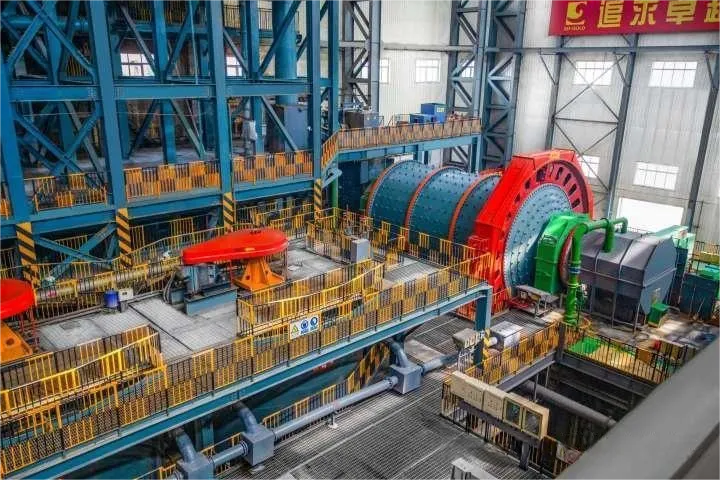
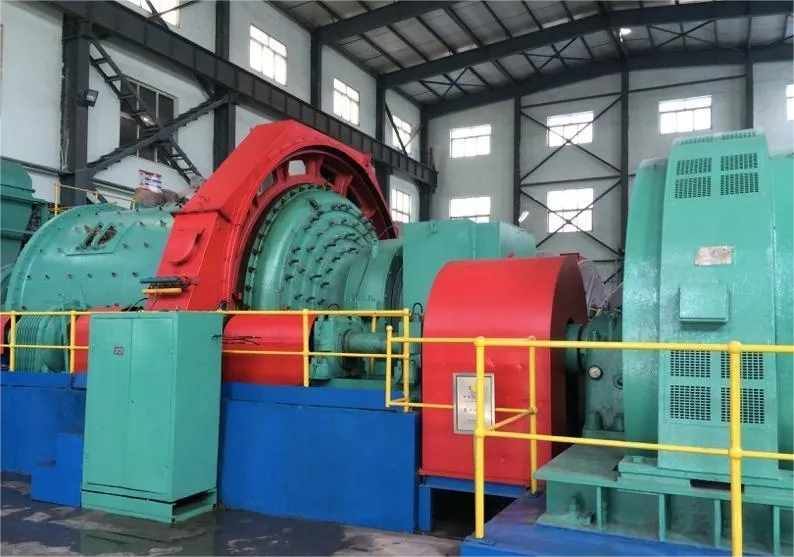
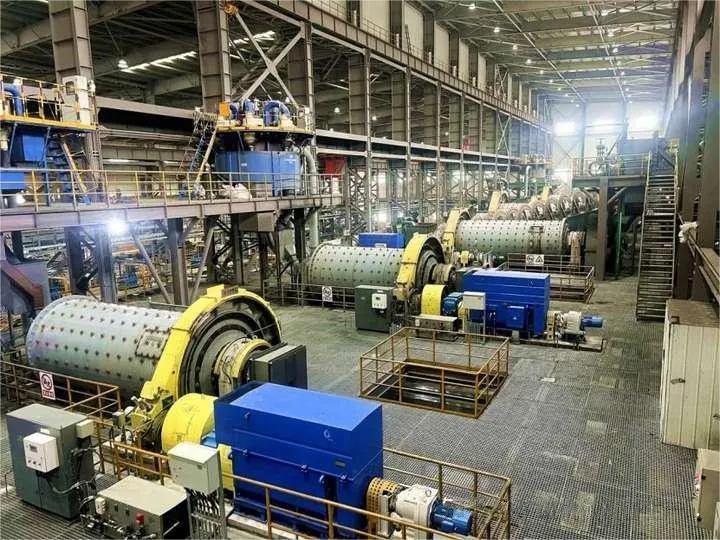
Grinding: Ball mills or vertical mills grind the ore to a suitable flotation particle size (usually -200 mesh accounts for 60%~80%) to ensure that barite and gangue minerals are fully liberated.
II. Grading and Slurry Preparation
Classification: Spiral classifiers or hydrocyclones separate qualified particle sizes of slurry, while coarse particles are returned to the mill for regrinding.
Slurry preparation: Adjust the pulp concentration to 25%~35% and add a modifier (such as sodium carbonate) to adjust the pH value to 8~10 to create an alkaline flotation environment.
III. Flotation Process
1. Rough selection
Collectors: Fatty acids (such as oleic acid, oxidized paraffin soap) or sulfonates (such as sodium dodecyl sulfate) adsorb onto the surface of barite to enhance hydrophobicity.
Inhibitors: Water glass (sodium silicate) or starch, which inhibit gangue minerals such as quartz and calcite.
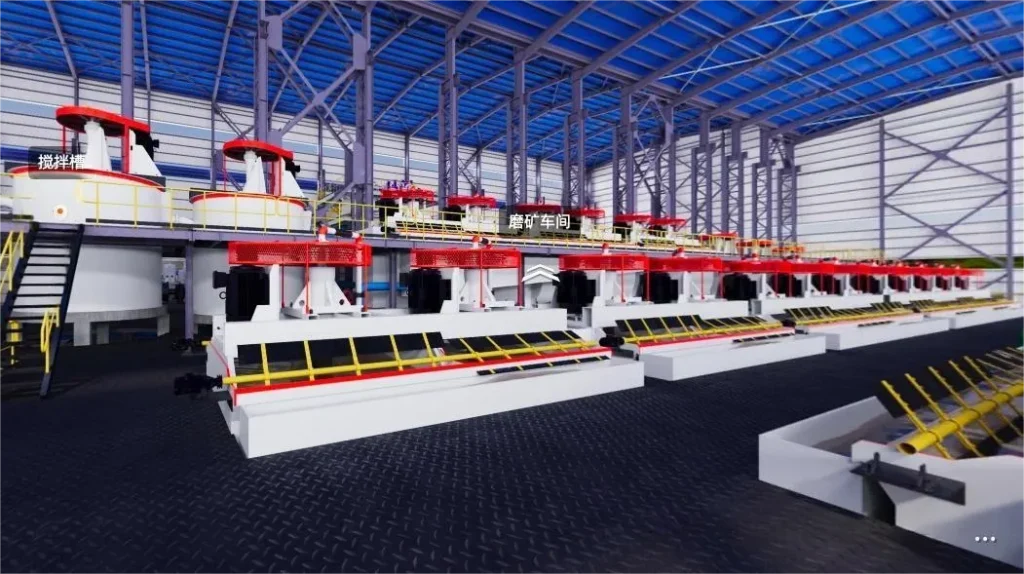
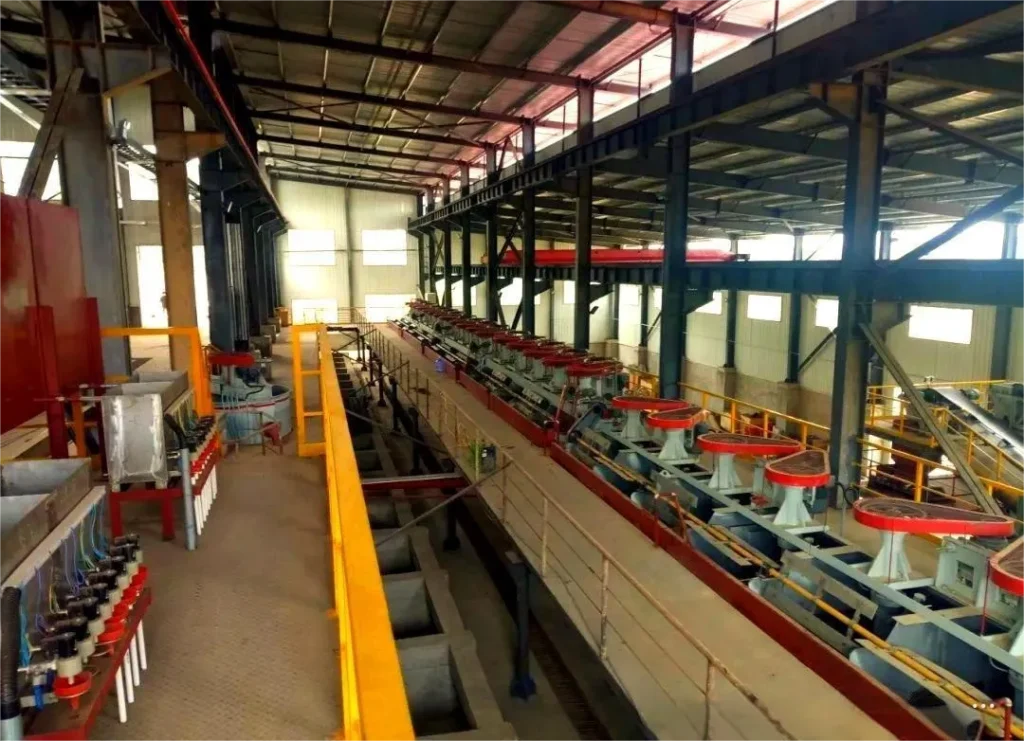
Barite is floated to the surface using a flotation machine (such as a mechanically agitated or aerated type) to form a foam layer, from which the coarse concentrate is scraped off.
2. Scan
The tailings from the roughing process are scavenged 1-2 times to recover the remaining barite and reduce resource waste.
3. Selected
The rough concentrate is cleaned 2-3 times to gradually remove gangue minerals and improve the grade of the concentrate.
A small amount of inhibitor (such as citric acid) can be added for further purification.
IV. Dehydration and Drying
Concentration: The thickener dehydrates the flotation concentrate to a solid content of 50%~60%.
Filtration: Vacuum filters or filter presses dewater the slurry to a moisture content of <15%.
Drying: Processed with a rotary dryer or an airflow dryer to obtain the final barite concentrate (BaSO₄ content > 90%~95%).
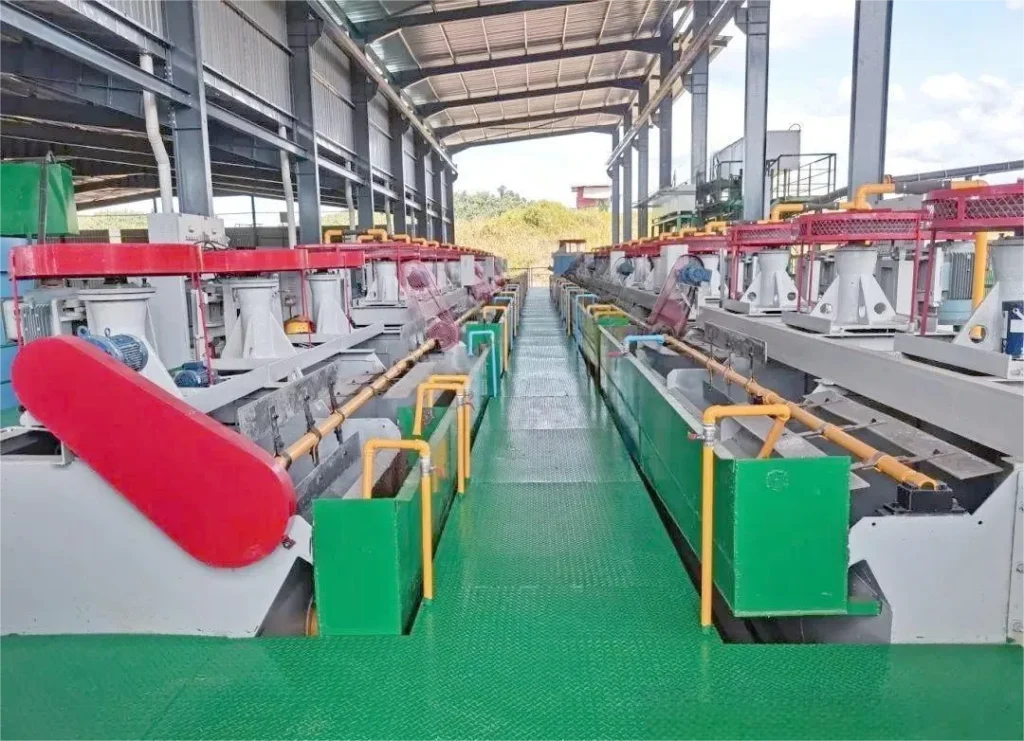
The barite flotation beneficiation process can be divided into two types based on the type of associated minerals: barite-quartz-calcite and barite-fluorite.
1. Barite-Quartz-Calcite Type: The barite flotation beneficiation process mainly involves two separation methods: direct flotation and combined flotation-gravity separation. Direct flotation first suppresses quartz and calcite, then adds anionic collectors to the pulp, followed by roughing and multiple flotation stages to obtain barite concentrate. The combined flotation-gravity separation process first adds sodium silicate and a collector to the pulp, and flotation removes quartz. Since gangue minerals such as calcite have a density difference from barite, gravity separation can yield barite concentrate.
2. Barite-Fluorite Ore Type: In the barite flotation process , the gangue minerals of quartz are typically suppressed first, and then mixed and floated to obtain a mixed concentrate of barite and fluorite. The barite and fluorite are then separated. Based on the order in which barite and fluorite are floated, this can be divided into: barite-suppressed fluorite flotation and fluorite-suppressed barite flotation.
(1) Barite Suppression and Fluorite Flotation: The mixed concentrate of barite and fluorite obtained by flotation is first suppressed to remove barite and then float out fluorite. This process can simultaneously recover high-grade barite concentrate and fluorite concentrate and is widely used in mineral processing plants.
(2) Suppressing fluorite flotation of barite: The mixed concentrate of barite and fluorite flotation first suppresses the fluorite ore, and then the barite concentrate can be floated out. Then, fatty acid collectors and sodium silicate need to be added to the tailings, and the fluorite concentrate can be obtained by multiple fine-tuning. This process is simple and easy to operate, and can obtain qualified barite concentrate.
Grinding fineness: Ensures liberation of monomers; too coarse a grinding fineness affects flotation, while too fine a grinding fineness increases the risk of mud formation.
pH control: An alkaline environment (pH 8~10) is beneficial for barite flotation and inhibits carbonate minerals.
Chemical formulation: The dosage of collectors and inhibitors needs to be optimized according to the ore properties to avoid excessive use that could lead to increased costs or concentrate contamination.
Flotation time: The time spent in roughing, cleaning and scavenging affects the recovery rate and concentrate grade.
1. Develop efficient and environmentally friendly flotation reagents (such as bio-based collectors).
2. Use high-efficiency equipment such as flotation columns to improve separation accuracy.
3. Combine gravity separation (such as shaking table) pretreatment to reduce flotation load.
4. Intelligent control (such as online particle size analysis and automatic reagent addition) improves stability.
The above is an introduction to the barite flotation beneficiation process. In actual beneficiation plants, the selection of barite beneficiation methods should be based on the properties of the barite ore and the types of gangue minerals it contains. It is recommended to conduct beneficiation tests and design suitable and reasonable barite beneficiation methods through test analysis. At the same time, the required barite beneficiation equipment can also be provided based on the process plan.