
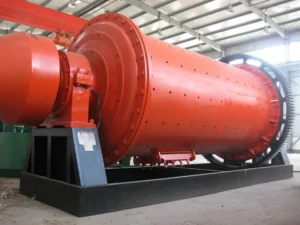
In the field of mineral resources, copper-cobalt ore, as one of the important polymetallic minerals, has always attracted much attention in terms of the research and application of its beneficiation methods. Effective beneficiation methods can not only improve the grade and recovery rate of ore
In the field of mineral resources, copper-cobalt ore, as one of the important polymetallic minerals, has always attracted much attention in terms of the research and application of its beneficiation methods. Effective beneficiation methods can not only improve the grade and recovery rate of ore, but also provide high-quality raw materials for subsequent smelting and processing.
In recent years, with technological advancements, copper-cobalt ore beneficiation processes have been continuously improved and optimized. The latest processes not only significantly improve concentrate quality but also substantially increase copper and cobalt recovery rates. These new processes include special treatments for high-calcium-magnesium oxidized copper-cobalt ores, comprehensive recycling of tailings water containing copper and cobalt ions , and highly efficient flotation methods for low-grade copper-cobalt ores.
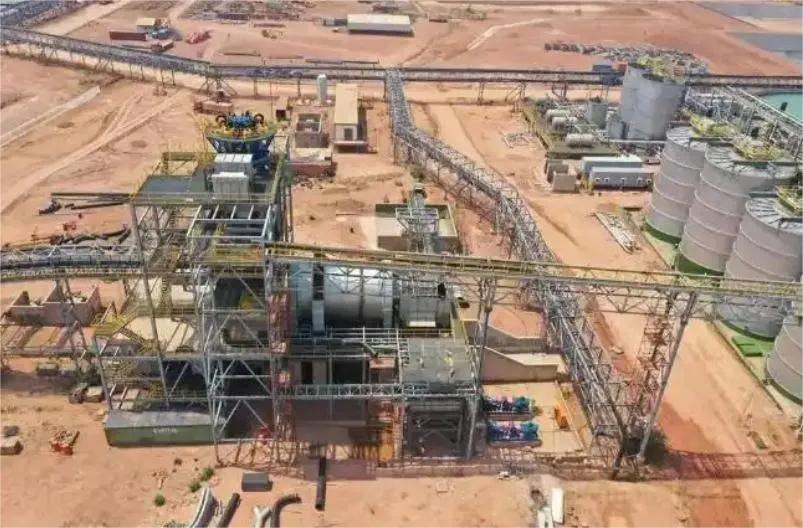
I. Copper-Cobalt Ore Beneficiation Process – Flotation Process
Flotation is one of the most common and important mineral processing techniques in copper-cobalt ore beneficiation. By adding appropriate reagents, the physicochemical properties of the mineral surface are altered, allowing valuable minerals to selectively adhere to bubbles, thereby achieving separation from gangue minerals.
In the copper-cobalt mixed flotation-separation process, the ore is first ground to adjust its particle size to a suitable range. Next, the pH of the pulp is adjusted to approximately 9-10, and collectors (such as xanthates) and frothers are added for roughing and scavenging in the copper-cobalt mixed flotation. This process yields tailings. The froth from the mixed flotation is then repeatedly cleaned, with depressants added to obtain a copper-cobalt mixed concentrate. This concentrate is then further processed, with depressants and collectors added for copper-cobalt separation flotation. After roughing and scavenging, cobalt concentrate is obtained, while the froth from the copper-cobalt separation flotation is further cleaned to obtain copper concentrate.
For example, a copper-cobalt mine adopted this beneficiation process and successfully improved the recovery rate of copper and cobalt, achieving good economic benefits.
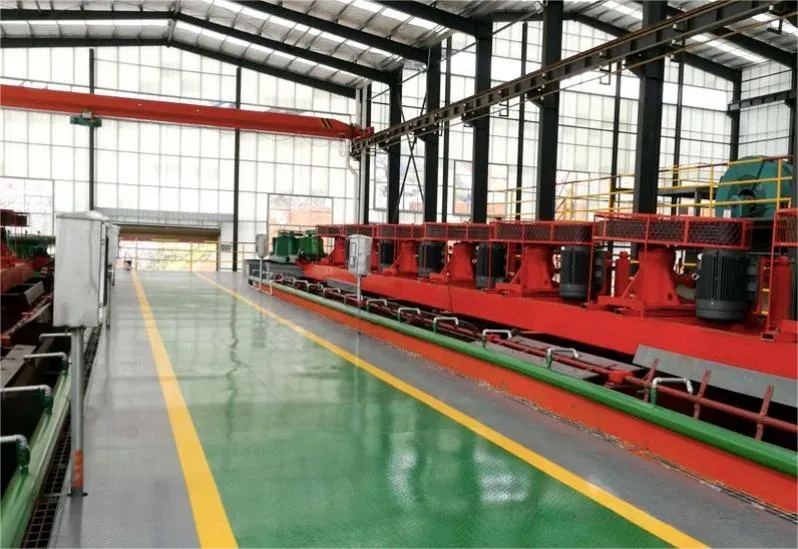
II. Copper-Cobalt Ore Beneficiation Process – Combined Flotation-Magnetic Separation Process
For some copper-cobalt ores where it is difficult to effectively recover cobalt using flotation alone, the combined flotation-magnetic separation process has become an effective option.
First, the flotation tailings are further ground to achieve a particle size of -0.074mm, with 70-90% being 0.074mm. The ground material is then formulated into a slurry of a certain concentration and subjected to strong magnetic roughing (using a high-gradient magnetic separator with a background field strength of 0.8-1.2t ) to obtain strong magnetic roughing concentrate and tailings. The strong magnetic roughing concentrate is then subjected to strong magnetic cleaning (also using a high-gradient magnetic separator), and the cleaned tailings are the final magnetically separated concentrate. Next, the cleaned concentrate is further ground to -0.037mm, with 50-80% being 0.037mm, and after slurry preparation, it is subjected to weak magnetic separation. The weak magnetic separation concentrate is the final magnetically separated concentrate.
This combined mineral processing technology fully leverages the advantages of flotation and magnetic separation, thereby improving the comprehensive utilization rate of resources.
III. Copper-Cobalt Ore Beneficiation Process – Leaching Beneficiation Process
1. Acid leaching process
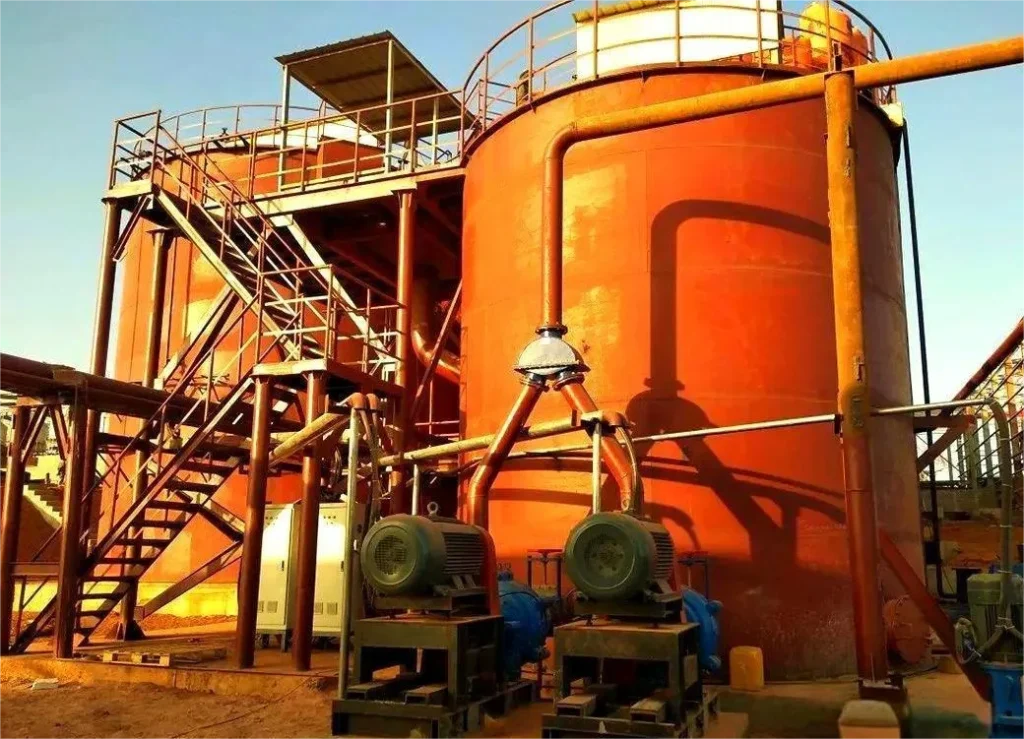
Acid leaching offers unique advantages in processing complex copper-cobalt oxide ores. In the combined heap leaching-stirred leaching process, the raw ore is first crushed, ground, and then classified. The +5mm particle size is leached using heap leaching, with staged heap leaching first involving spray leaching of copper, controlling the pH at approximately 1.5, the spray intensity at 10-15 L/m².min, and the leaching time at 60-120 days. The -5mm particle size is then leached using stirred leaching, under normal pressure, with the temperature controlled at 20-80 °C, pH = 1.5, a leaching liquid-to-solid ratio of 4:1, a grinding fineness of -200 mesh accounting for 60%-90%, and a leaching time of less than 4 hours.
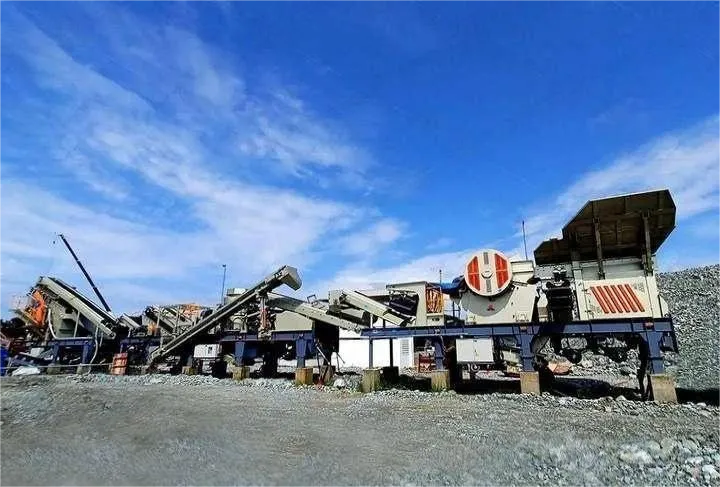
2. Microbial leaching and beneficiation process
Microbial leaching utilizes specific microorganisms and their metabolites to oxidize and decompose copper-cobalt minerals, dissolving the copper and cobalt into a solution for subsequent extraction. Although this method has advantages such as being environmentally friendly and low-cost, it is still in the research and development stage.
IV. Copper-Cobalt Ore Beneficiation Processes – Other Beneficiation Processes
1. Washing and beneficiation process
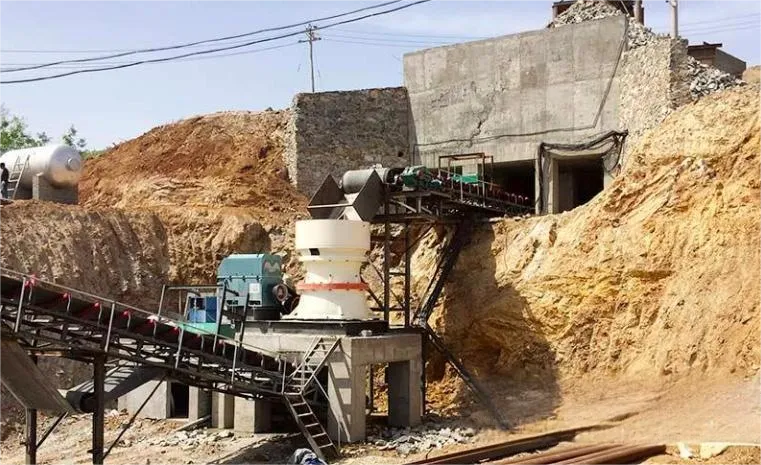
The washing and beneficiation process separates gangue minerals from ore through manual washing. Although the process is simple to operate, the recovery rate is low and resources are wasted, so it is rarely used in practice.
Gravity separation mineral processing technology
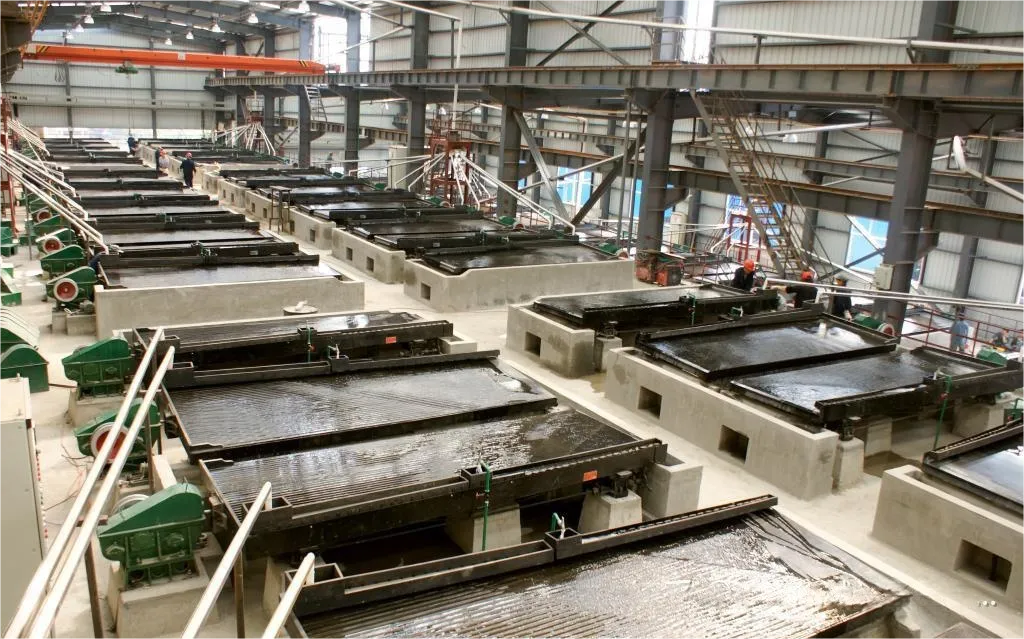
Gravity separation is a mineral processing method that uses equipment such as jigs, shaking tables, and spiral sluices to separate valuable minerals from gangue minerals. However, due to its low recovery rate, generally below 60%, its application in copper-cobalt ore beneficiation is limited.
Application and effects of copper-cobalt ore beneficiation technology in copper-cobalt mines in the Democratic Republic of Congo:
The Democratic Republic of Congo (DRC) is the world’s largest producer of cobalt and a significant copper producer, possessing a large share of global cobalt reserves and substantial copper resources. This makes the DRC an ideal location for researching copper-cobalt ore beneficiation processes. However, the DRC’s copper-cobalt deposits also exhibit certain complexities, such as high calcium and magnesium content and the coexistence of multiple minerals, posing challenges to mineral flotation separation. Therefore, applying the latest flotation technologies is crucial for improving the utilization rate of mineral resources in the region.
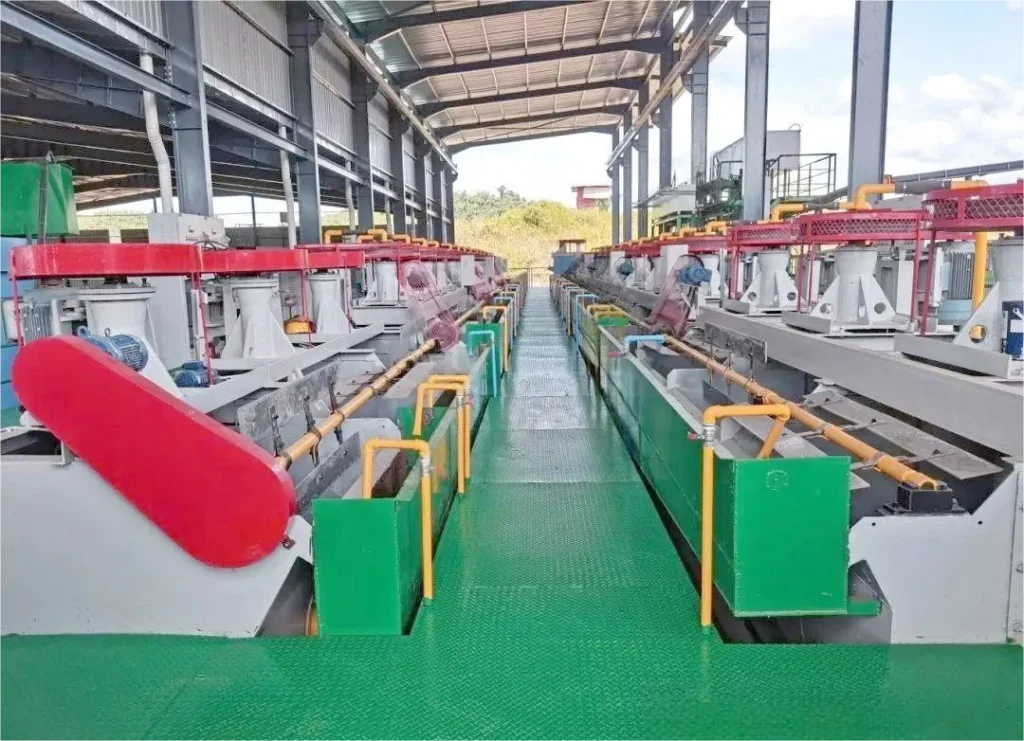
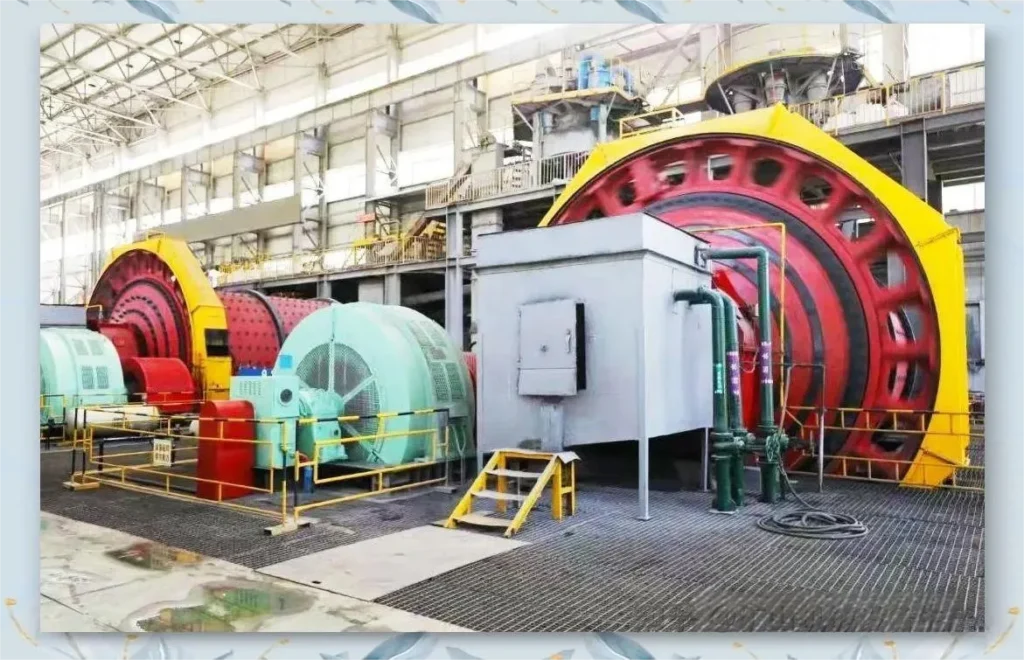
The latest copper-cobalt ore beneficiation technologies have been successfully applied in copper-cobalt mines in the Democratic Republic of Congo. These new processes comprehensively consider multiple factors such as the physicochemical properties of the ore, grinding fineness, and reagent formulation, achieving highly efficient separation of copper and cobalt. Specifically, the new copper-cobalt ore beneficiation processes optimize various parameters in the flotation process through refined operation, such as pulp concentration, reagent dosage, and flotation time. This not only increases the copper and cobalt content in the concentrate but also reduces metal loss in the tailings, thereby improving the efficiency of the entire flotation process.
The future application potential of copper-cobalt ore beneficiation technology:
With the continued growth in global demand for metals such as copper and cobalt, improving the utilization and recovery rates of mineral resources is of paramount importance. The latest copper-cobalt ore beneficiation processes have demonstrated significant potential in this regard. In the future, these processes are expected to further enhance the comprehensive utilization rate of mineral resources, reduce production costs, and contribute to environmental protection. Simultaneously, the successful application of these new processes provides valuable reference and guidance for the mining of other similar deposits.
In summary, different copper-cobalt ores have different ore properties and characteristics. Therefore, in the beneficiation process, it is necessary to select appropriate copper-cobalt ore beneficiation technology or combination methods according to the actual situation in order to achieve efficient recovery and utilization of resources.