
Flotation is a crucial method for graphite ore beneficiation, and it’s more widely used than other mineral processing methods. The principle of graphite ore flotation is to enrich the selected target mineral at the gas-liquid interface by adding a series of flotation reagents
Flotation is a crucial method for graphite ore beneficiation, and it’s more widely used than other mineral processing methods. The principle of graphite ore flotation is to enrich the selected target mineral at the gas-liquid interface by adding a series of flotation reagents , thereby separating it from impurity minerals and achieving purification. This article will explain the graphite ore flotation process, flotation equipment, and commonly used flotation reagents. It aims to provide a comprehensive overview of all aspects of the graphite ore flotation process in one article.
Graphite ore generally needs to undergo beneficiation to increase its fixed carbon content to 90% or even 95% or higher to achieve high industrial value. Due to graphite’s excellent natural floatability, flotation is the most commonly used beneficiation method for graphite. The graphite ore flotation process utilizes the selective adsorption of chemical reagents by graphite and non-graphite minerals based on their different surface orientations. Separation is then achieved under the mechanical force of physical flotation, thereby improving graphite recovery rate and quality. This technology has been improved and optimized based on traditional graphite flotation techniques, better addressing the influence of various impurities in graphite ore, resulting in higher purification levels and better quality graphite.
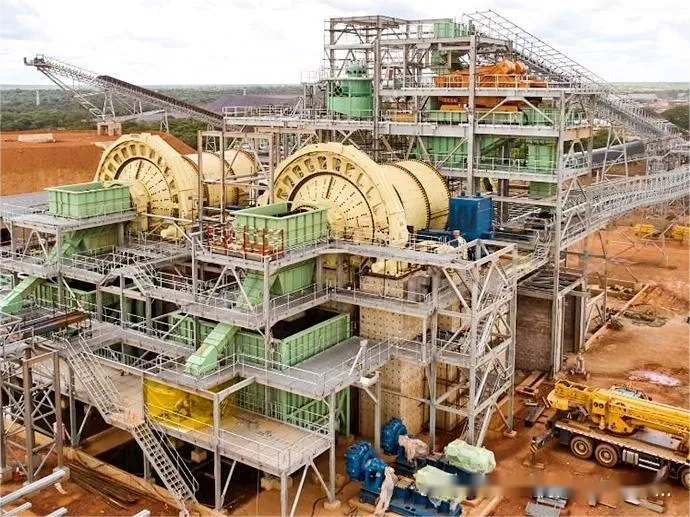
The general principle of graphite flotation is as follows: First, the raw graphite ore is crushed and ground to physically separate graphite from other minerals. Then, the graphite ore is mixed with some chemical reagents, and soaking reduces the surface tension of graphite and other minerals, making them easier to separate. After roughing, scavenging, and cleaning processes, the purity and quality of the graphite are further improved through physical and chemical methods.
Graphite itself possesses excellent natural floatability and hydrophobicity, therefore, conventional graphite ores can be purified using flotation processes. During the purification process, to protect the large graphite flakes, the process generally employs multi-stage grinding, multiple separations, and regrinding and re-separation of the rough concentrate. The diagram below shows the principle flow chart of the graphite ore flotation process.
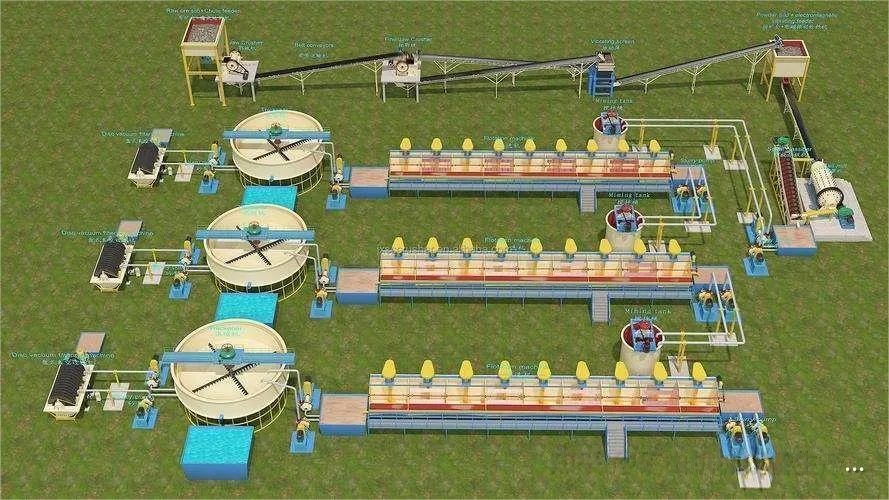
The flotation process for graphite ore mainly consists of three parts: ore preparation, slurry preparation, and grinding and flotation.
1. Ore preparation
broken:
The primary method of crushing is through mechanical force, using crushing equipment to crush graphite through compression, impact, splitting, and grinding, thereby achieving the initial liberation of graphite from gangue minerals. Graphite ore is generally medium-hard or medium-hard to soft, with a raw ore grade between 2% and 10%. The crushing process is relatively simple, often employing a three-stage, two-stage, or one-stage open-circuit process. For small mines processing weathered ore, grinding can be performed directly without further crushing.
Grinding:
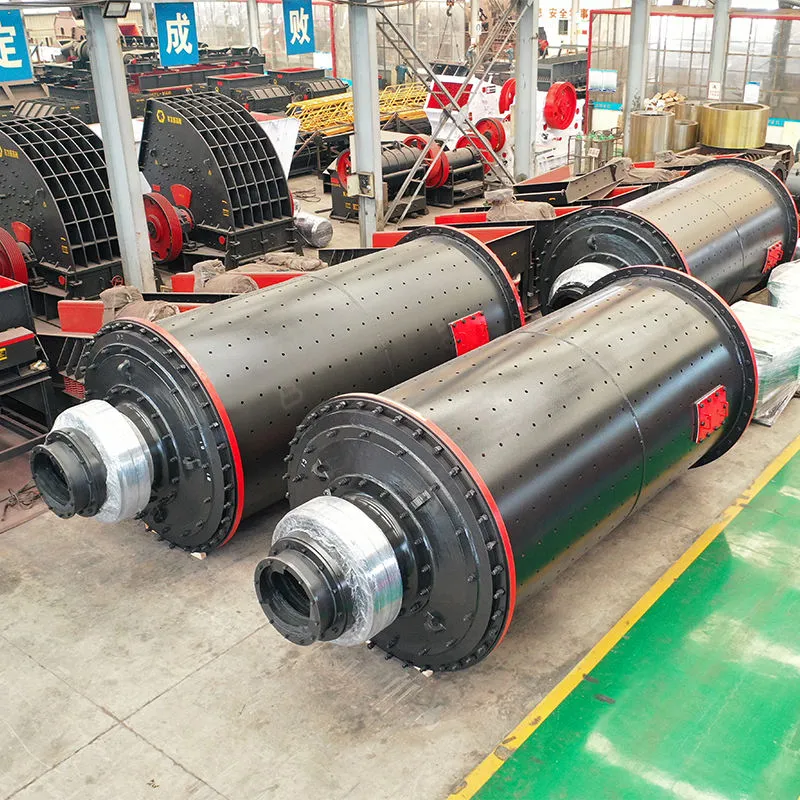
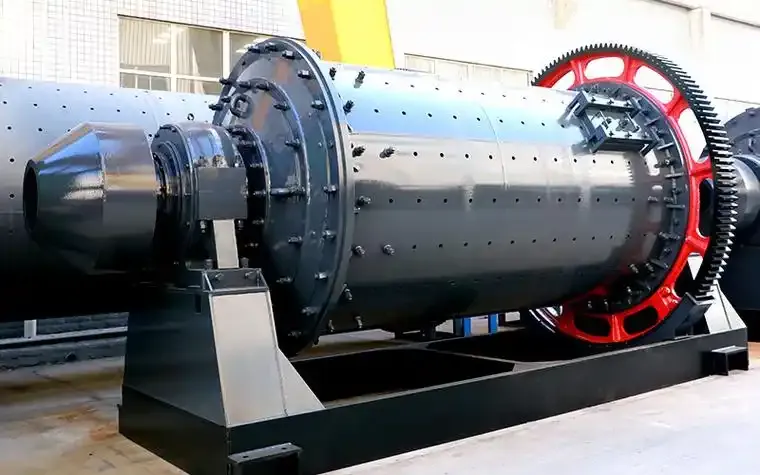
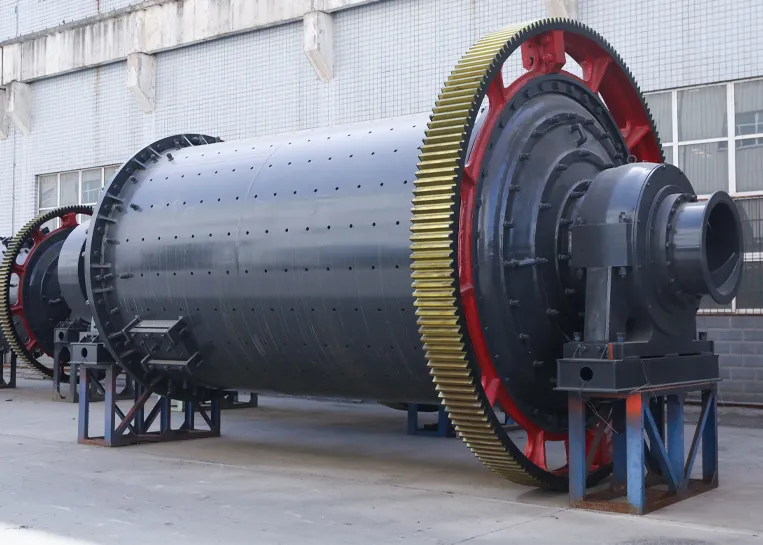
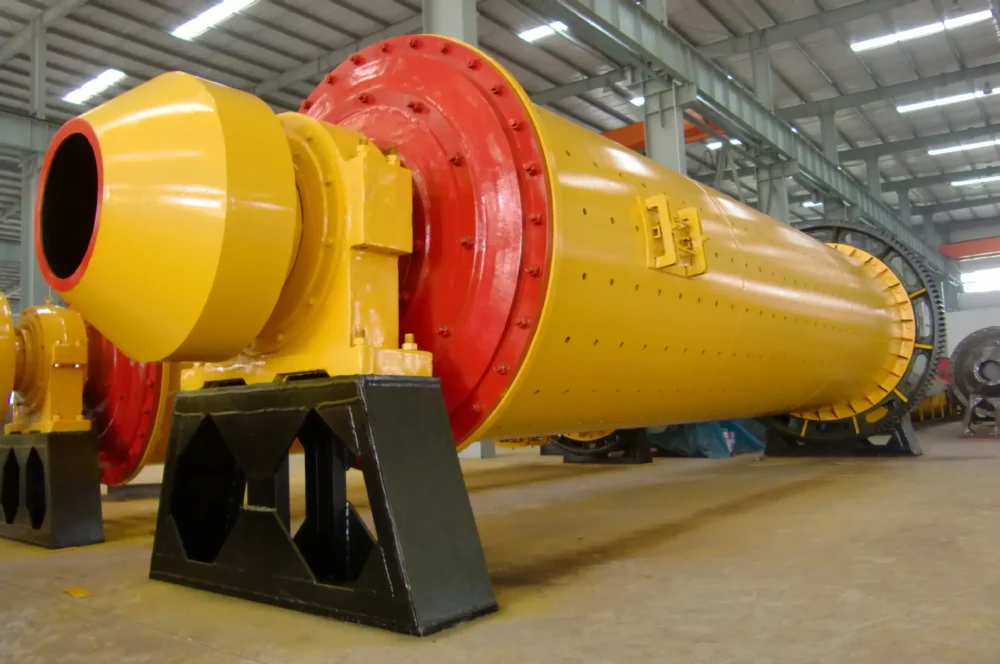
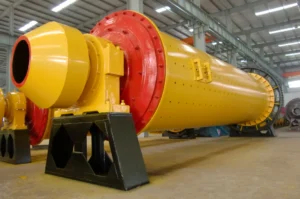
This stage, following crushing, further liberates graphite monomers or intergrowths. To select large flake graphite as early as possible, a multi-stage grinding process is often used in conjunction with flotation to complete the separation. Ball mills, rod mills, and stirred mills are commonly used as grinding equipment in this stage.
Classification:
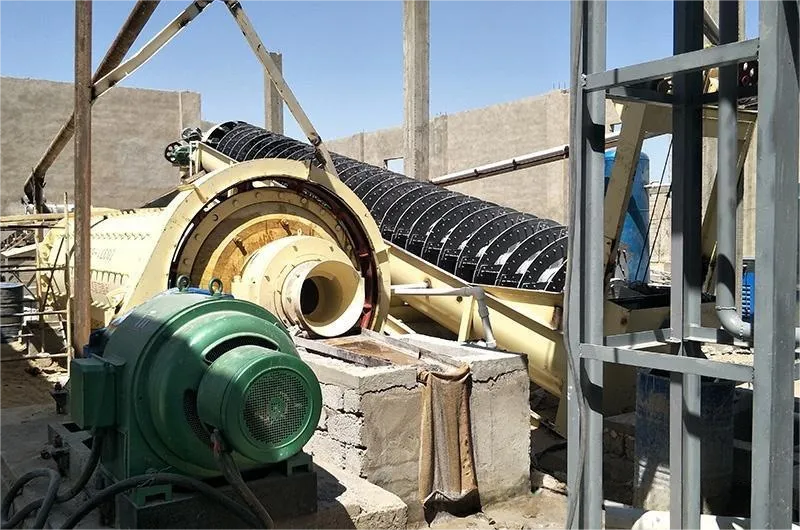
Generally, grinding and classification operations are performed together with grinding. After grinding, the qualified material is fed into the classification equipment, where solid particles are separated according to their size to promptly separate products of the appropriate particle size. Hydrocyclones and spiral classifiers are commonly used for graphite classification.
2. Mixing the paste
Slurry preparation is a crucial step in the mineral purification and separation process, preparing the minerals for subsequent separation operations. It typically involves adjusting the slurry concentration to ensure reagent dispersion and adequate contact with the graphite minerals. Slurry preparation in graphite ore beneficiation plants can be categorized into conventional preparation, aerated preparation, and graded preparation, followed by mechanical stirring, jet mixing, and static mixing to complete the preparation process.
3. Grinding and floating process
The flotation process varies depending on the type of graphite. A typical flotation process is a closed-loop process involving multi-stage flotation followed by sequential or centralized middlings return. After each grinding stage is completed, the flotation stage begins. For example, after one grinding stage (when the ore particle size reaches approximately -200 mesh, around 40%), a single flotation stage is performed, followed by multiple grinding and separation stages. Middlings return involves sequentially or centrally returning the middlings produced after flotation to the previous stage to improve the flotation efficiency of graphite ore.
The flotation process for graphite ore boasts advantages such as high maturity, simple equipment, low energy consumption, and low production costs. In other words, it can significantly improve the quality of graphite through simple means. Currently, almost all natural graphite in industrial production is separated using flotation. The beneficiation technology employs a multi-stage grinding and multi-stage separation process. Based on this, more effective and rational equipment and processes are being researched for ores with different properties, thereby maximizing the fixed carbon content and protecting the graphite flake structure.
The greatest advantage of the flotation process for graphite ore is that it consumes the least energy and reagents, and has the lowest cost among all purification methods. However, silicate minerals and compounds of elements such as potassium, calcium, sodium, magnesium, and aluminum, which are extremely finely intercalated within the graphite flakes, cannot be separated into individual particles by grinding, and this method is also detrimental to the protection of large graphite flakes. Therefore, flotation is only a primary method for graphite purification; to obtain higher carbon content, other purification methods must be used.
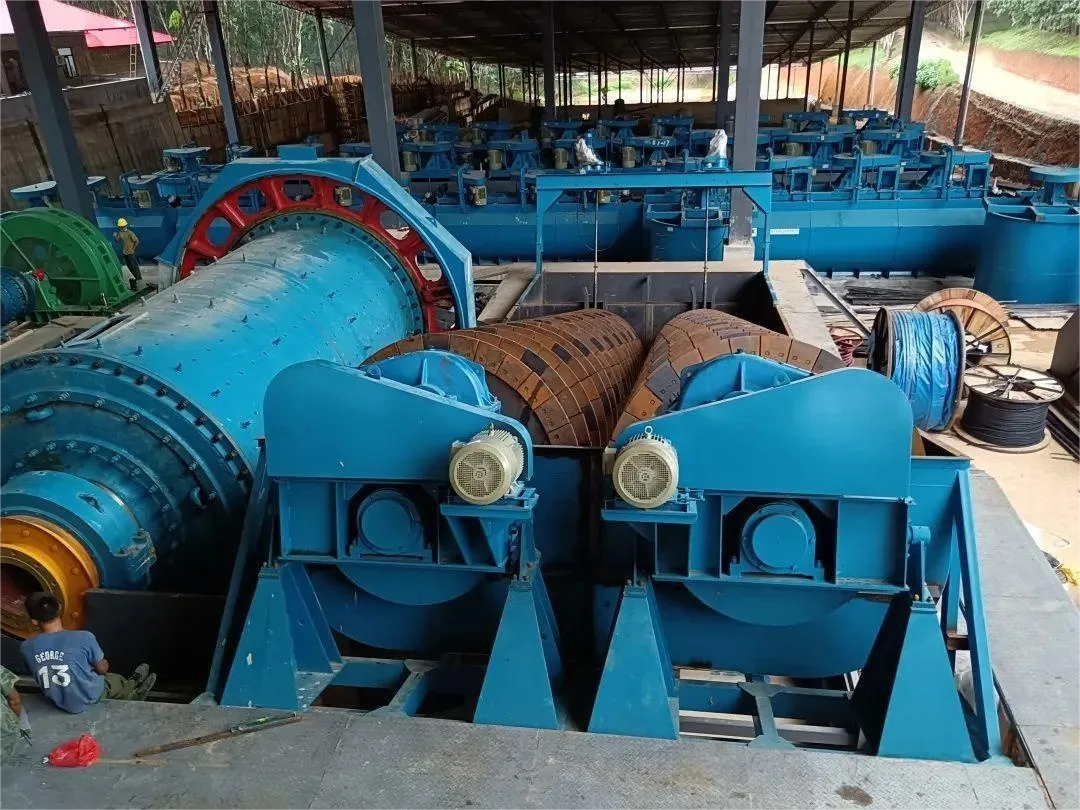
The equipment used in each stage of the graphite ore flotation process is as follows:
1. Jaw crushers are commonly used for coarse crushing of large-sized minerals in the crushing stage; hammer crushers and impact crushers are used for medium crushing of minerals; and cone crushers and roller crushers are used for fine crushing of minerals.
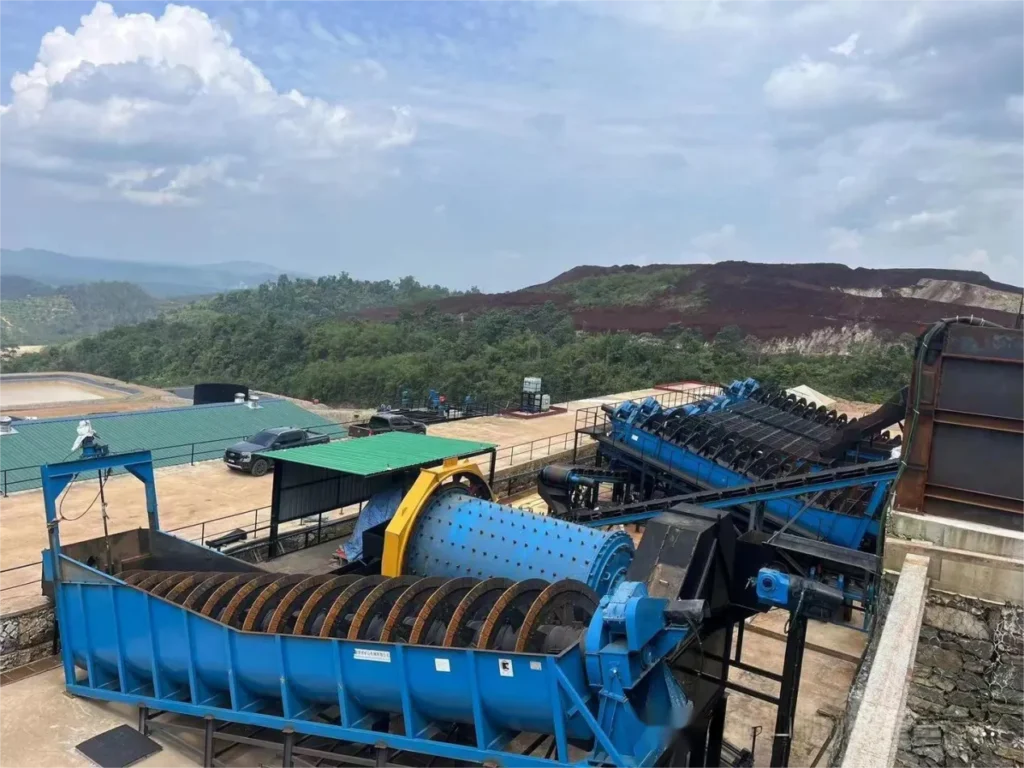
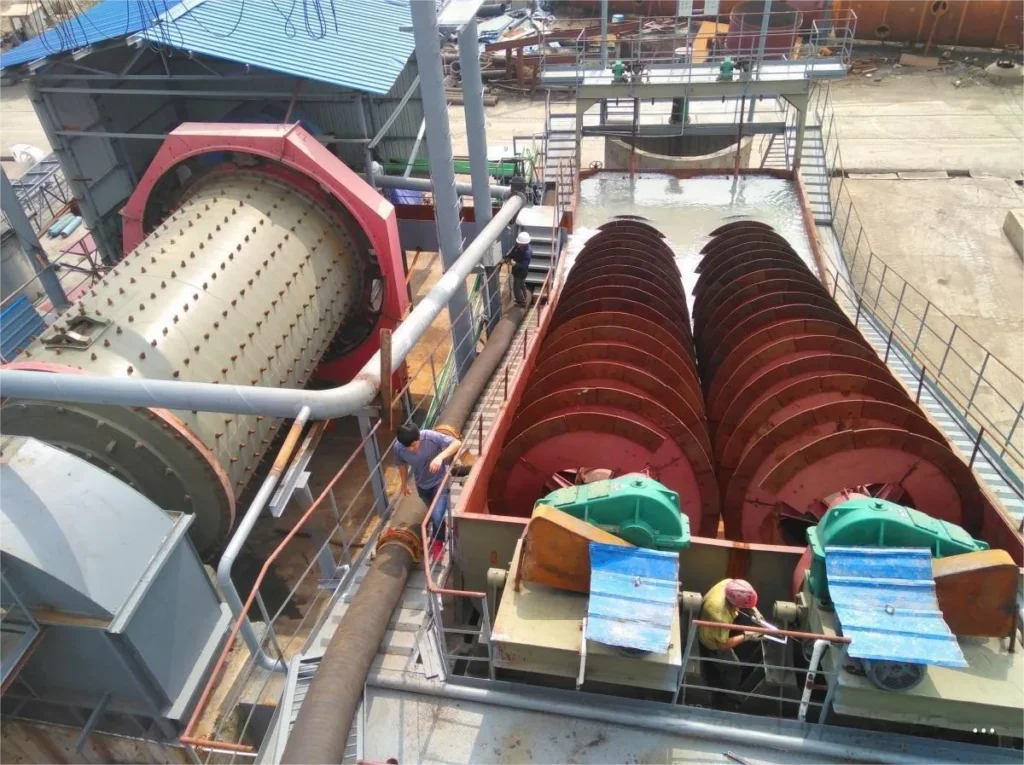
2. The grinding stage uses grinding equipment such as ball mills, rod mills, and autogenous mills, while the classification stage uses spiral classifiers or hydrocyclones for classification.
3. The slurry preparation stage is mainly completed in equipment such as mixing tanks, slurry pre-processors, and slurry preparers;
4. During the grinding and flotation stage, overflow ball mills are commonly used for fine grinding, SF type flotation machines and JJF type flotation machines are used for roughing and scavenging, and XJK type flotation machines are used for cleaning.
In actual mineral processing, besides selecting a suitable flotation process for graphite ore, the choice of reagents is also crucial. Adding reagents can improve the hydrophobicity of graphite, thereby enhancing the effective separation of graphite from gangue minerals. Currently, common flotation reagents for graphite ore mainly include collectors , frothers , and modifiers .
1. Collecting agent
Graphite itself possesses a certain degree of floatability, and graphite concentrate can be floated without the use of collectors. However, the flotation efficiency is not ideal. Therefore, by appropriately adding collectors, a thin oil film can be formed on the surface of the graphite ore, enhancing its hydrophobicity and allowing it to adhere firmly to air bubbles, thereby improving the floatability of graphite and increasing the concentrate recovery rate. Common graphite ore flotation reagents mainly include kerosene, diesel oil, liquid paraffin, heavy oil, and other hydrocarbon oils.
2. Foaming agent
Foaming agents are composed of polar and nonpolar molecules, with polar groups being hydrophilic and nonpolar groups hydrophobic. Adding foaming agents can increase the mechanical strength of bubbles, control their quantity and size, regulate their rising speed, and alter their distribution. Commonly used foaming agents for graphite ore include No. 2 oil, No. 4 oil, pine oil, cresol acid, and camphor oil.
3. Adjustment agent
The purpose of pH adjusters is to modify the interaction between collectors and minerals, thereby inhibiting or enhancing the hydrophobicity of minerals. Based on their different functions, they can be divided into three types: pH adjusters, inhibitors, and dispersants.
pH adjusters: Commonly used ones include lime (CaO), NaCO3, and Na(OH)2;
Inhibitors: These mainly include water glass, sodium carboxymethyl cellulose, EDTA, tartaric acid, citric acid, oxalic acid, etc.
Dispersants: mainly include water glass, sodium hexametaphosphate, sodium polyacrylate, etc.
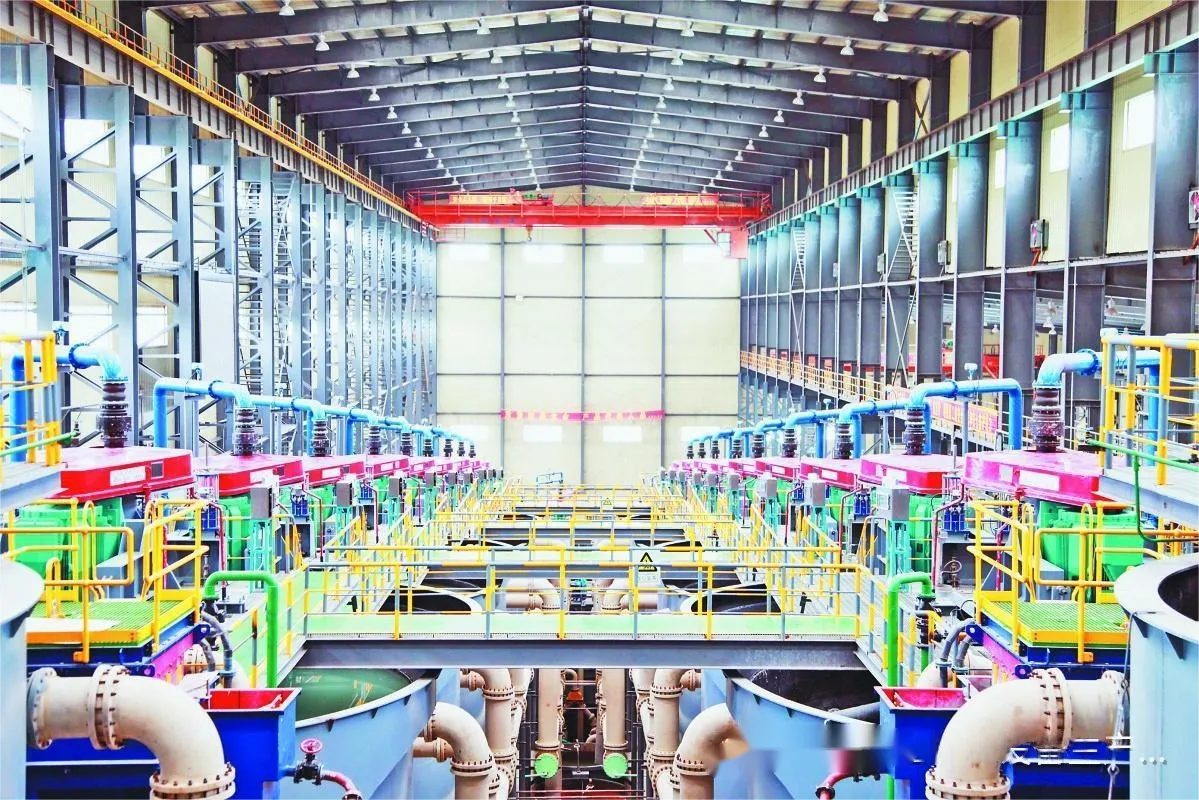
Flotation is a commonly used and important mineral processing method. Utilizing the natural floatability of graphite, virtually all graphite can be purified through flotation. To protect the graphite flakes, most graphite ore flotation processes employ multi-stage flotation. Kerosene is typically used as the flotation collector at a dosage of 100–200 g/t, while frothers are usually pine oil (an excellent frother for non-ferrous metals) or butyl ether oil (used as a solvent, electronic cleaning agent, and in organic synthesis), at a dosage of 50–250 g/t.
The above describes the flotation process, equipment, and commonly used flotation reagents for graphite ore. Graphite ore flotation can purify graphite to a grade of 80%–90%, or even around 95%, and this method is characterized by low reagent consumption, low energy consumption, and low cost. However, when graphite ore contains extremely fine silicate minerals and compounds of elements such as potassium, calcium, sodium, magnesium, and aluminum, the grinding stage cannot achieve monomer liberation, requiring further purification using other processes after flotation.
Research progress on graphite ore flotation process
(1) The impact of crushing technology on the flotation process of graphite ore
Liu Haoran et al., by comparing the particle size distribution of different pulverized products with that of flotation concentrate, determined the separation and flake protection effects of high-pressure roller milling and ball milling products, revealing the dissociation and protection mechanism of fine flake graphite. The results show that, based on the inherent toughness of graphite flakes and the line contact during the high-pressure roller milling process, high-pressure roller milling has a significant protective effect on graphite flakes, promoting graphite dissociation. Flotation kinetics experiments show that high-pressure roller milling significantly improves the flotation rate and flotation indices of fine flake graphite in actual production. Scanning electron microscopy analysis indicates that high-pressure roller milling promotes the formation of cracks along the symbiotic interface between graphite and gangue, thus promoting graphite dissociation and flake protection. This research provides theoretical guidance for the protection and efficient dissociation of fine flake graphite.
(2) The influence of graphite ore flotation process parameters and regrinding equipment on the graphite flotation effect
Liu Haiying et al. optimized the beneficiation process parameters and regrinding equipment for large-flake graphite ore. They adopted a process of ball milling of the rough concentrate followed by stirred milling, five regrinding cycles, and seven cleaning cycles, which increased the fixed carbon content from 39.87% to 96.61%. The results indicate that selecting appropriate flotation equipment, grinding time, and cleaning cycles plays a crucial role in improving the purity of graphite.
(3) The impact of graphite ore flotation process on the flotation effect of different graphite ores
Ren Junwu et al., through flotation experiments, found that the flotation process for graphite ore is easily affected by the beneficiation process, grinding fineness, collector, and frother. Specifically, increasing the coarse grinding fineness is beneficial for improving the concentrate index of fine flake graphite ore. After multiple stages of regrinding and flotation treatment of the coarse concentrate, better concentrate index can be obtained. However, cryptocrystalline graphite ore does not require excessively high coarse grinding fineness. Appropriate pulverization of the ore during regrinding can gradually liberate the monomers. The amount of reagents used in regrinding is much greater than that used for fine flake ore, at least twice as much.
(4) The influence of graphite properties on the flotation rate of graphite ore flotation process
Wei Shaowei et al. conducted contact angle tests, crystal structure characteristic analysis, and flotation rate experiments on graphite concentrates from 10 sources, including Mozambique, Yichang (Hubei), and Jilin. The results showed that the flotation rate of graphite concentrate conformed to the classical first-order kinetic model ; the degree of graphitization was positively correlated with the flotation rate, with higher graphitization resulting in faster flotation rates and higher fixed carbon content in the concentrate; large flake graphite generally had a higher degree of graphitization, and its flotation rate was faster than that of fine flake graphite and cryptocrystalline graphite, thus its concentrate had a higher fixed carbon content.
Graphite flotation is generally used to purify low-grade natural graphite, purifying it to medium-carbon graphite grade through a enrichment process. This process uses simple equipment and has low production costs, but over-grinding is detrimental to the protection of graphite flakes. Furthermore, fundamental scientific questions such as the control mechanism of gangue inclusions during fine-flake beneficiation, the suppression and removal of light, flaky mica impurities, and the influence mechanism of crystal structure characteristics on graphite floatability require further investigation. Research on these fundamental scientific questions will provide a theoretical basis for optimizing graphite flotation processes, and simultaneously develop new flotation reagents and equipment to optimize graphite flotation performance.