
Lithium ore flotation is an essential process in mining development, primarily consisting of three parts: ore preparation, separation, and post-separation dewatering. Separation methods include magnetic separation, gravity separation, direct flotation, and reverse flotation
Lithium ore flotation is an essential process in mining development, primarily consisting of three parts: ore preparation, separation, and post-separation dewatering. Separation methods include magnetic separation, gravity separation, direct flotation, and reverse flotation, each with its own distinct process flow. The following section introduces the basic process flow of a lithium ore flotation plant, highlighting the crucial role of each step in determining the final concentrate grade and recovery rate .
Generally, the basic process of lithium ore flotation plant beneficiation mainly includes three processes: crushing and screening, grinding, and separation. To prevent clogging during crushing and screening, washing is required in the intermediate crushing stage. However, due to incomplete washing and high mud content in the raw ore, the clogging problem cannot be solved. To better address mud clogging, a two-stage crushing process combining coarse and intermediate crushing can be adopted. In recent years, as lithium ore mining has gradually shifted from oxide ores to primary ores, most beneficiation plants have opted for a three-stage, closed-circuit crushing process in the crushing stage.
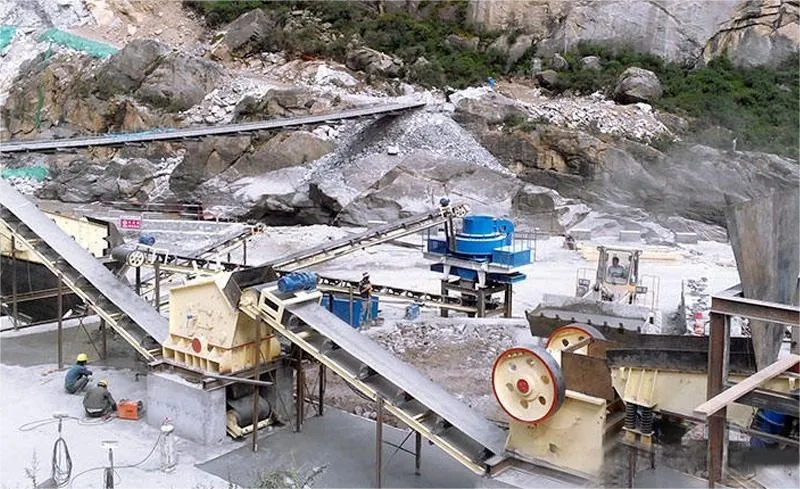
1. The crushing and screening process in a lithium ore flotation plant mainly includes coarse crushing, medium crushing, and fine crushing. In the coarse crushing stage, the raw ore is unloaded into a coarse crushing trough, fed into a jaw crusher by a feeder, and then transported to the medium crushing stage by a belt conveyor. In the medium crushing stage, the coarsely crushed ore is fed into a cone crusher by a feeder. The medium-crushed ore can be stored in a storage tank or directly sent to the fine crushing stage. In the fine crushing stage, the medium-crushed ore passes through a custom vibrating screen and a cone crusher to form a closed circuit. The product on the screen is returned for further fine crushing, while the undersize product that meets the standards is sent to the grinding mill for grinding.
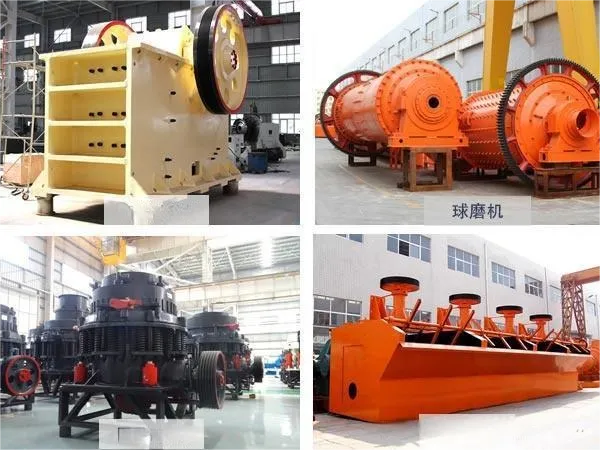
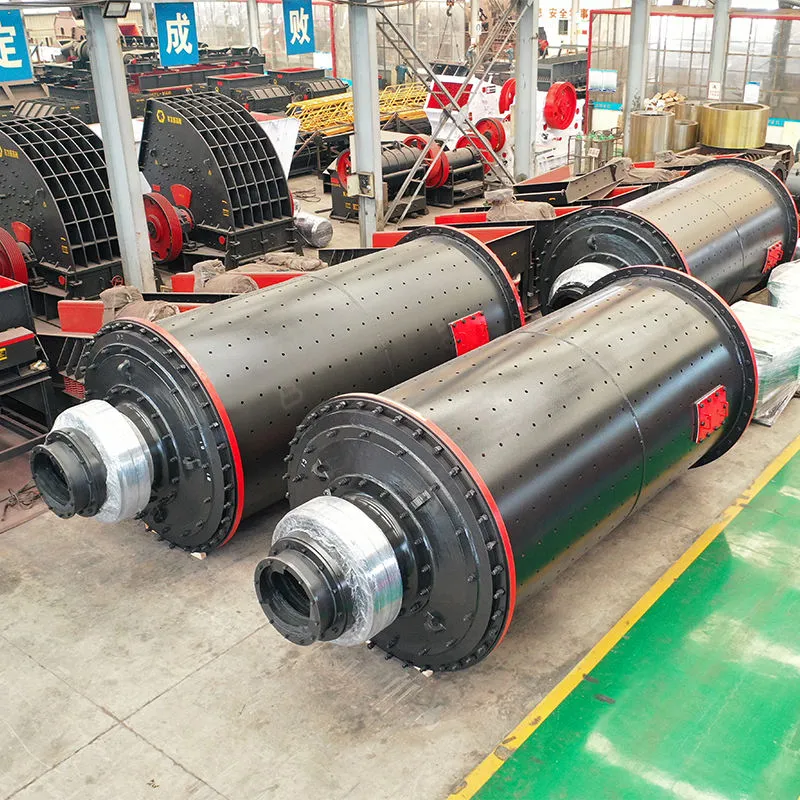
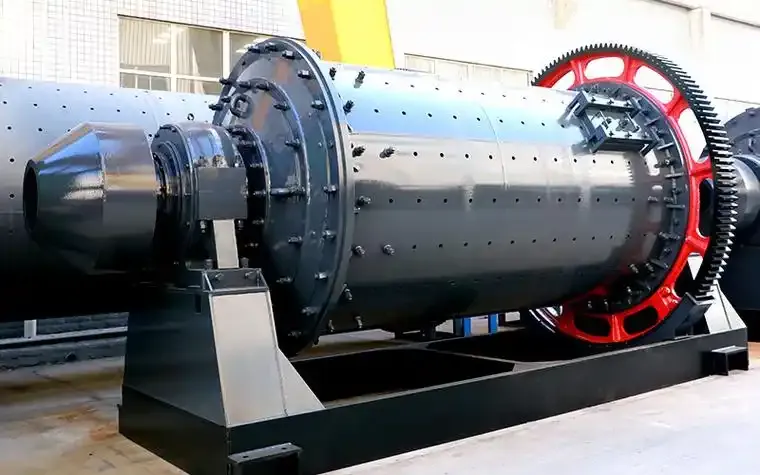
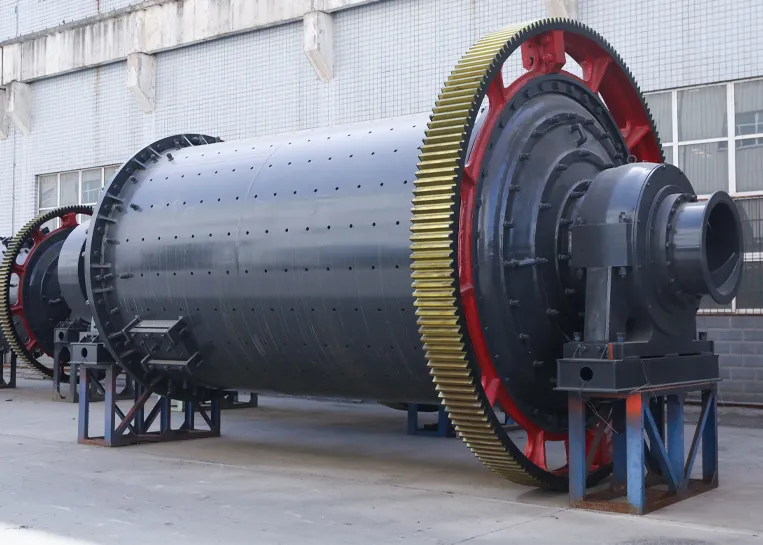
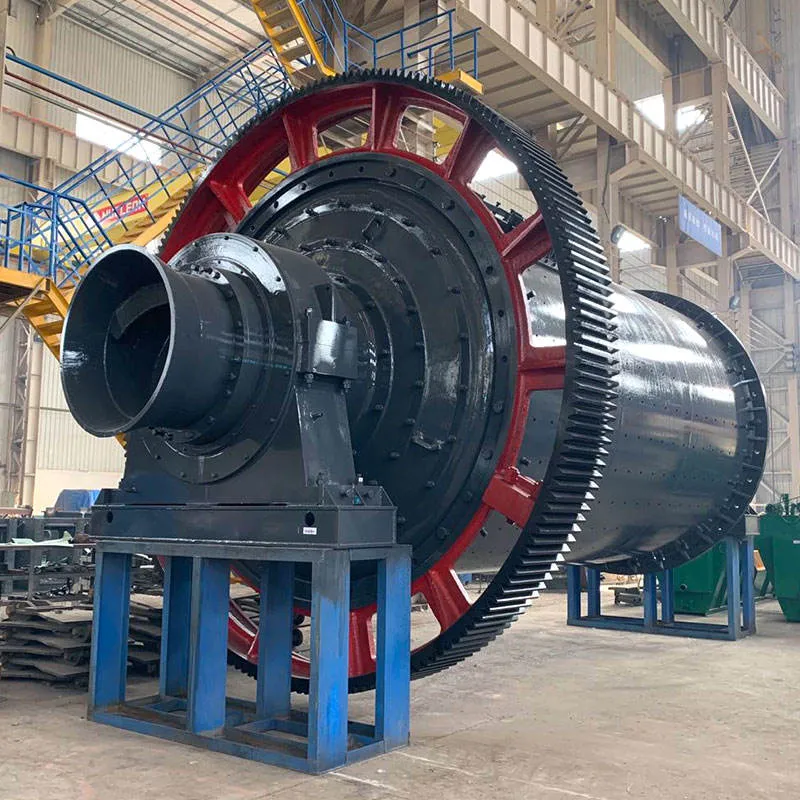
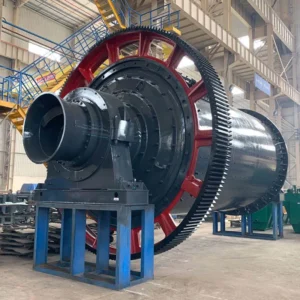
ball mills for grinding operations . For example, in the iron ore beneficiation process, three ball mills and three spiral classifiers are often used in the second stage to form a closed circuit. The overflow from the spiral classifier enters the flotation machine. After demagnetization, the rough concentrate enters the second classifier. The second classifier and the second ball mill form a closed circuit again, and the overflow from the classification is separated for secondary separation to finally obtain the desired concentrate.
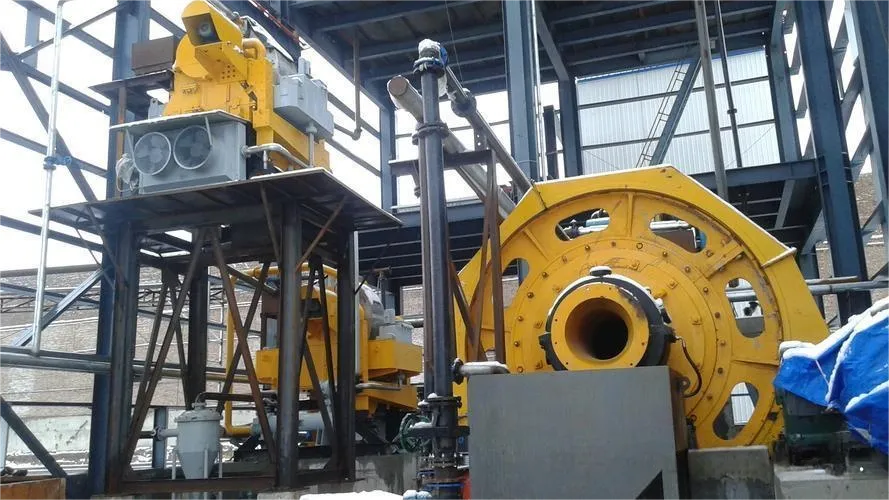
Grinding operation: The undersize product of No. 1 linear vibrating screen is fed into a closed-loop grinding and screening process consisting of a wet energy-saving grate ball mill and No. 2 linear vibrating screen to grind the spodumene mineral to the qualified size.
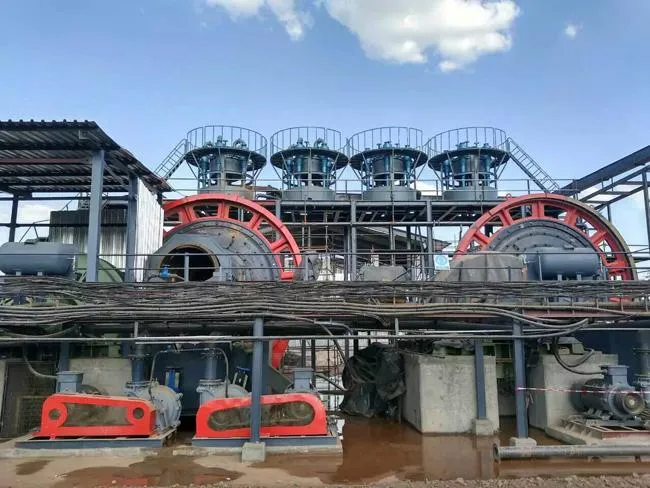
Grading operation: After the undersize product of No. 2 linear vibrating screen is mixed with water to make slurry, it is pumped to No. 1 grading hydrocyclone for grading. The overflow is pumped to No. 2 and No. 3 thickening hydrocyclones for desliming treatment. The qualified slurry is then used for the next stage of operation.
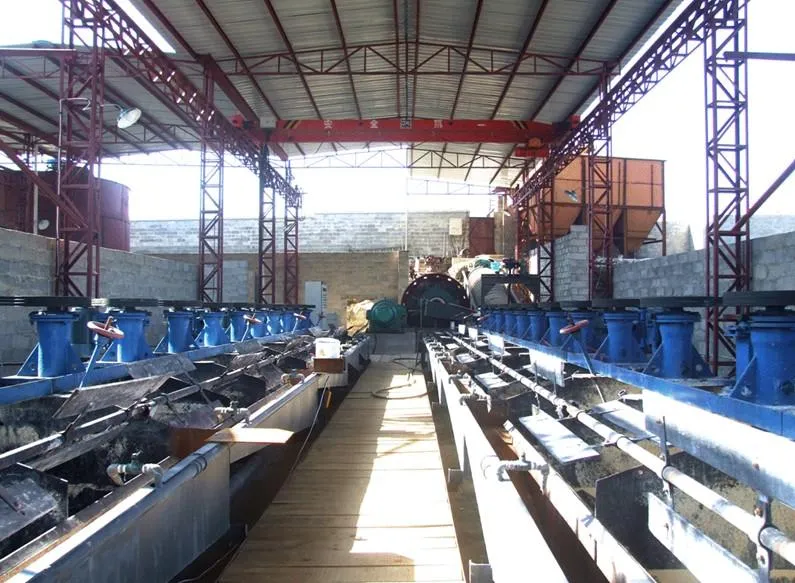
Lithium mica flotation: The graded slurry is fed into a high-efficiency mixing tank , and after mixing, it is fed into a flotation machine for flotation. The flotated lithium mica concentrate slurry is fed into a hydraulically driven high-efficiency thickener via a slurry pump, and then filtered by a belt filter to obtain lithium mica concentrate .
Lithium spodumene flotation: After the lepidolite is separated, the remaining slurry in the flotation machine enters the high-efficiency mixing tank for stirring, and then feeds it into the flotation machine for roughing, cleaning and scavenging flotation operations . Gangue minerals remain in the flotation tank.
Lithium ore magnetic separation: The spodumene concentrate slurry after flotation is screened by a drum screen to remove impurities and then sent to a wet magnetic separator and a high-gradient magnetic separator for iron removal. After iron removal, the concentrate slurry is pumped by a slurry pump into a hydraulic central rotating high-efficiency thickener and filtered by a disc vacuum filter to obtain spodumene concentrate .
Lithium ore gravity separation: The tailings slurry after being processed by the high gradient magnetic separator is roughed, scavenged and cleaned by the shaking table to obtain tantalum concentrate. The gravity separation tailings are screened by high frequency fine screening and sent to a wet energy-saving overflow ball mill. The slurry with qualified size is sent to the spodumene concentrate thickener for the next stage of operation.
Thickeners are mostly used for dewatering operations after lithium ore flotation HYPERLINK “https://zhida.zhihu.com/search?content_id=230562183&content_type=Article&match_order=1&q=%E6%B5%93%E5%AF%86%E6%9C%BA&zhida_source=entity” \t “_blank” . Currently, the more advanced tailings dewatering technology in China is the tailings dry stacking technology developed by our company . This technology consists of a concentrated hydrocyclone, a high-efficiency deep cone and multi-cone thickener, and a high-efficiency multi-frequency dewatering screen combined equipment. It not only has high dewatering efficiency but also low operating cost, making it a tailings dewatering technology with a high cost performance.
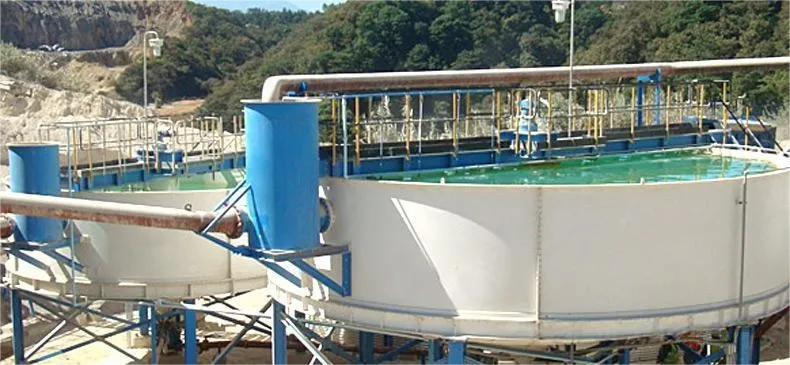
In the basic process of lithium ore flotation, desliming is performed before flotation to create a favorable working environment. A combined flotation-magnetic-gravity separation process is used to separately float lepidolite concentrate and spodumene concentrate. Then, a magnetic separation process removes iron and magnetic minerals, and a gravity separation process recovers tantalum concentrate. This lithium ore beneficiation process employs a correct and reasonable processing procedure, emphasizing the separation sequence, and can achieve the separate recovery of lepidolite concentrate, spodumene concentrate, and tantalum concentrate.
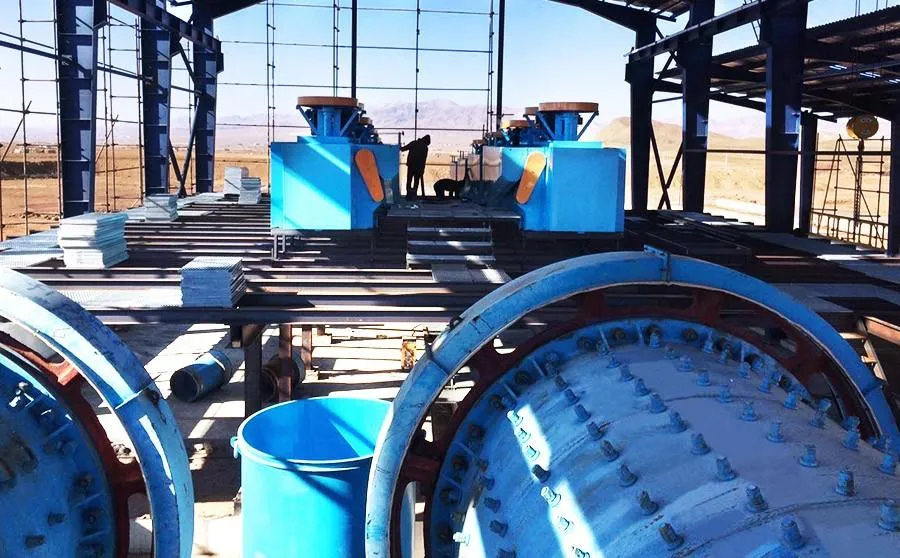
The above provides a detailed overview of the basic process of lithium ore flotation plant beneficiation. This process is not limited by production scale, and it not only efficiently beneficiates lithium minerals but also rationally recovers and utilizes other useful mineral components in lithium ore, such as lepidolite and tantalum ore. Simultaneously, it minimizes tailings discharge, achieving high-value comprehensive utilization of lithium resources.
The equipment used in lithium ore flotation plants needs to be selected based on the properties of the ore. If you are not familiar with this issue, you can consult relevant service companies. Our company is a mining machinery enterprise integrating consulting, research, production, and sales. We welcome you to visit and exchange ideas at any time.