
Magnetite ore is an important source of iron ore and belongs to the category of strongly magnetic minerals. Its dispersive state can be classified into coarse-grained, coarse-fine-grained, fine-grained, and micro-fine-grained dispersive states.
Magnetite ore is an important source of iron ore and belongs to the category of strongly magnetic minerals. Its dispersive state can be classified into coarse-grained, coarse-fine-grained, fine-grained, and micro-fine-grained dispersive states. One commonly used beneficiation process for magnetite is fine screening followed by regrinding. However, this process has drawbacks, as all the iron concentrate enters the grinding equipment, easily leading to over-grinding and increasing energy consumption, especially for coarse-fine-grained magnetite. To address this issue, a staged grinding and distributed magnetic separation beneficiation process can be adopted. This process can effectively separate coarse-grained magnetite that has already been liberated, avoiding over-grinding and improving economic efficiency. The following will provide a detailed introduction to the process flow of staged grinding and distributed magnetic separation for magnetite.
Magnetite ore is fed into a crusher for crushing. After screening, the ore enters a primary grinding mill for further grinding. The grinding equipment used is primarily a ball mill or rod mill. The ground ore undergoes primary classification via a hydrocyclone . The resulting sand and grit are then sent to the primary grinding mill for regrinding to improve mineral utilization. The overflow from the hydrocyclone enters a primary magnetic separation machine for magnetic separation. The concentrate obtained from magnetic separation enters a secondary separation stage, and the tailings are sent to a tailings dam for storage.
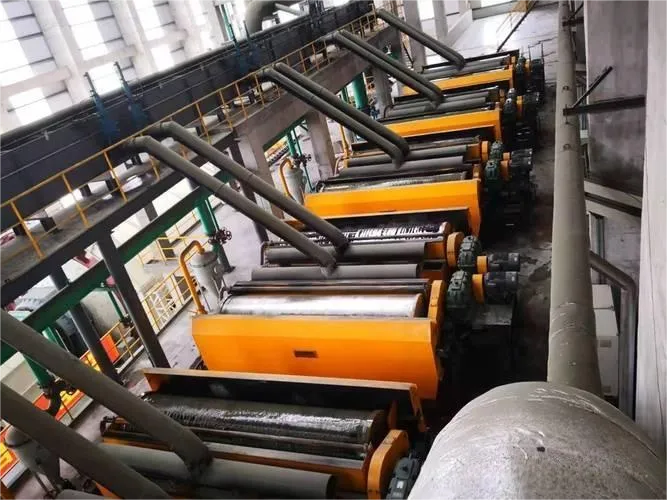
The concentrate obtained from the first-stage magnetic separation enters the second-stage magnetic separator for further magnetic separation. The magnetically separated concentrate then enters the second-stage grinding mill for grinding. The undersize product from the second-stage magnetic separation is used as the final concentrate, while the oversize product is regrinded in the second-stage grinding mill. The product after the second-stage grinding mill needs to be classified by a hydrocyclone. The undersize is sent to the second-stage grinding mill, while the overflow product enters the third-stage magnetic separation process. Because the second-stage magnetic separation is insufficient to collect all the concentrate from the minerals, a third-stage and fourth-stage magnetic separation process is required to improve concentrate recovery and mineral utilization. The concentrate from the third-stage magnetic separation enters the fourth-stage magnetic separation process for further processing. The resulting concentrate is sent to a concentrate storage tank, while the middlings produced during the fourth-stage magnetic separation process are sent back to the second-stage grinding mill for further processing.
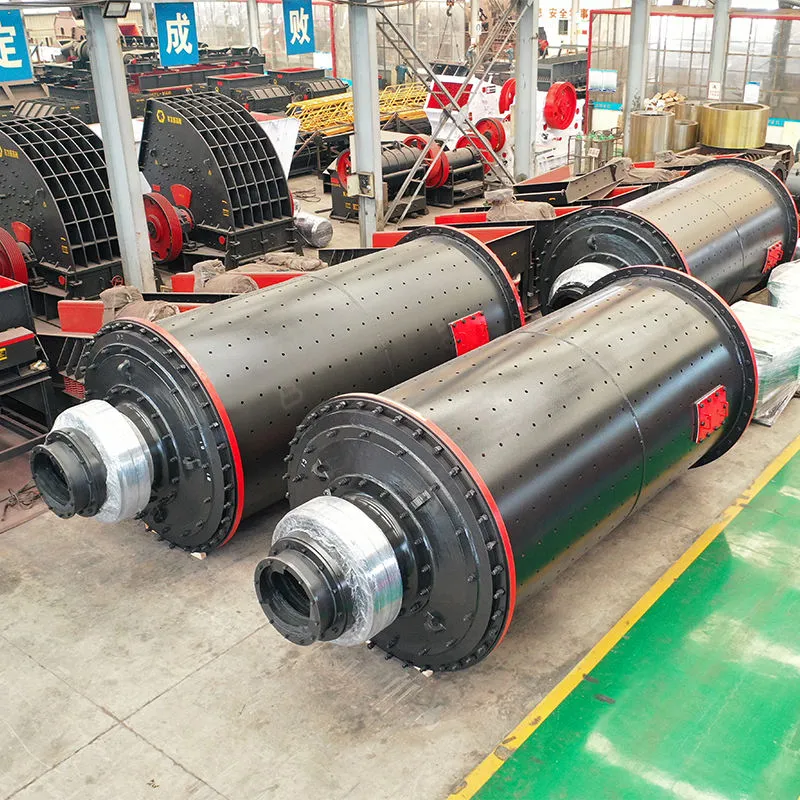
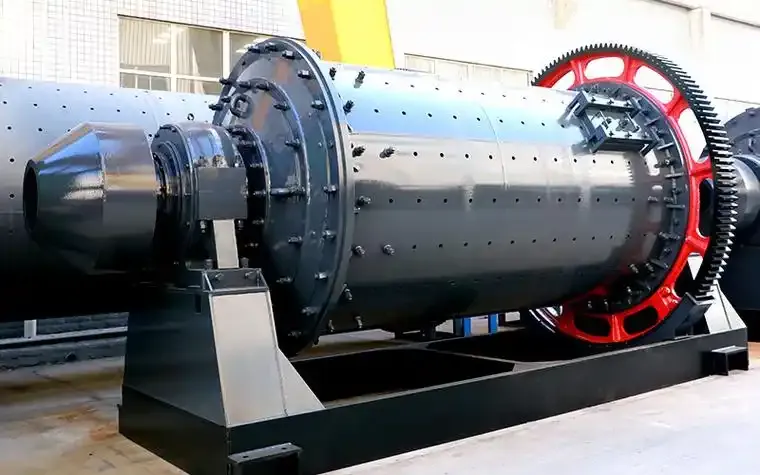
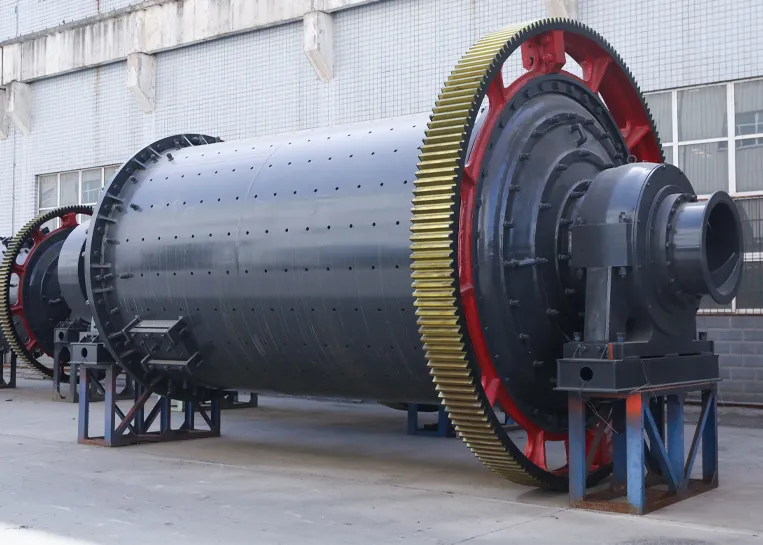
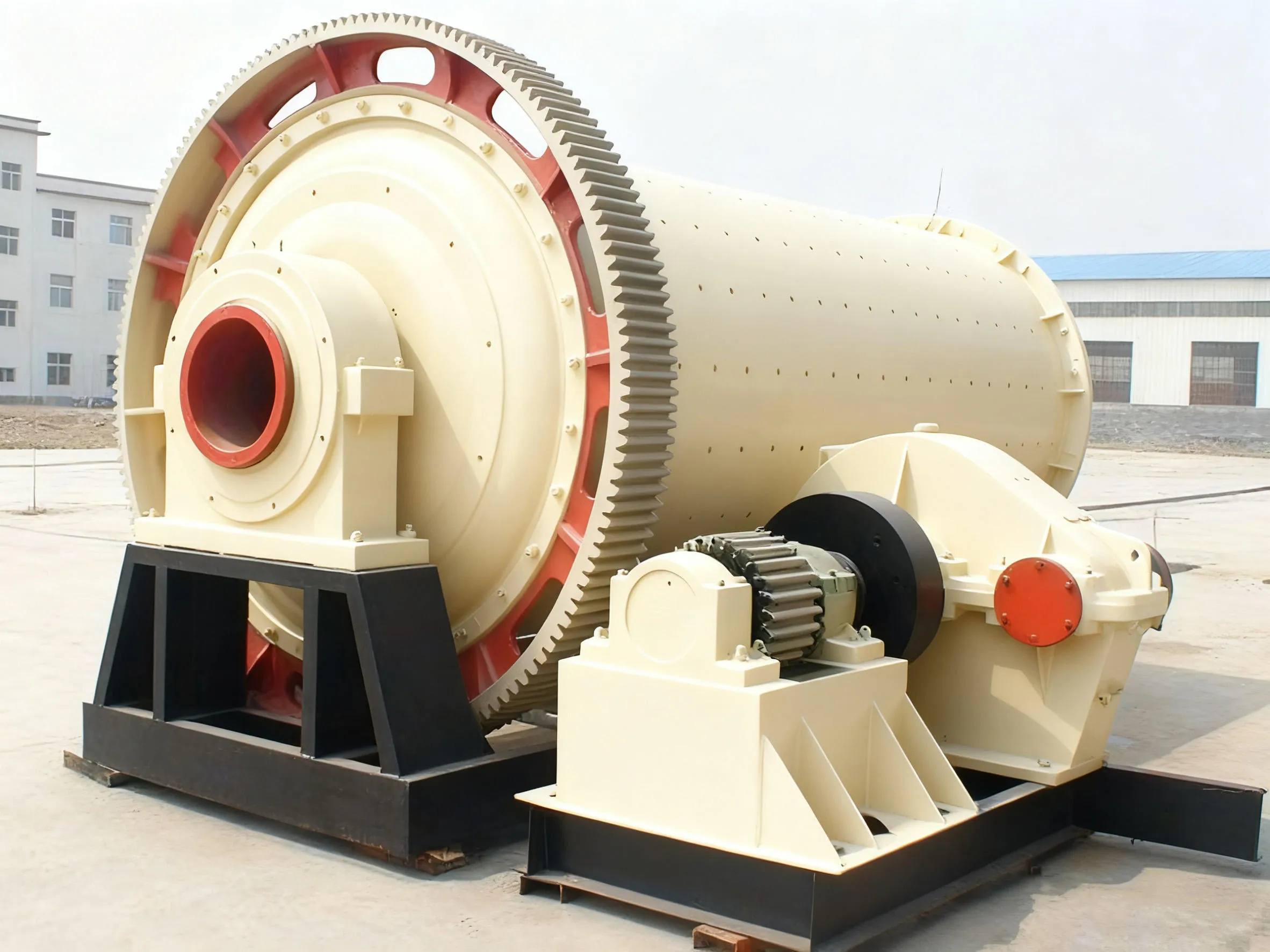
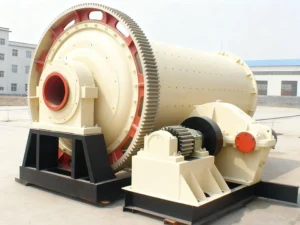
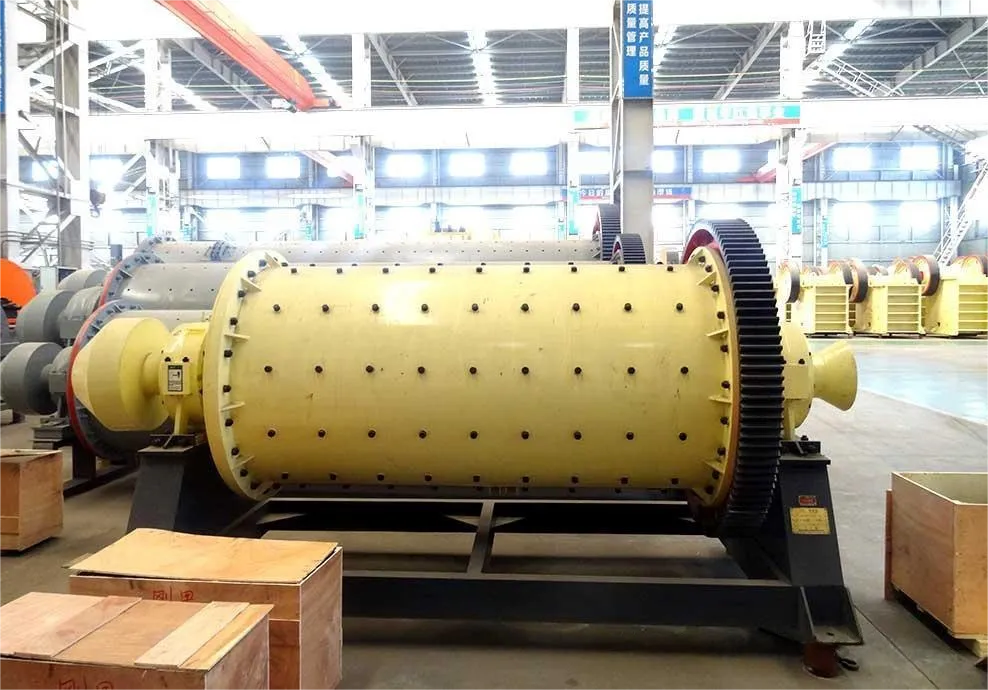
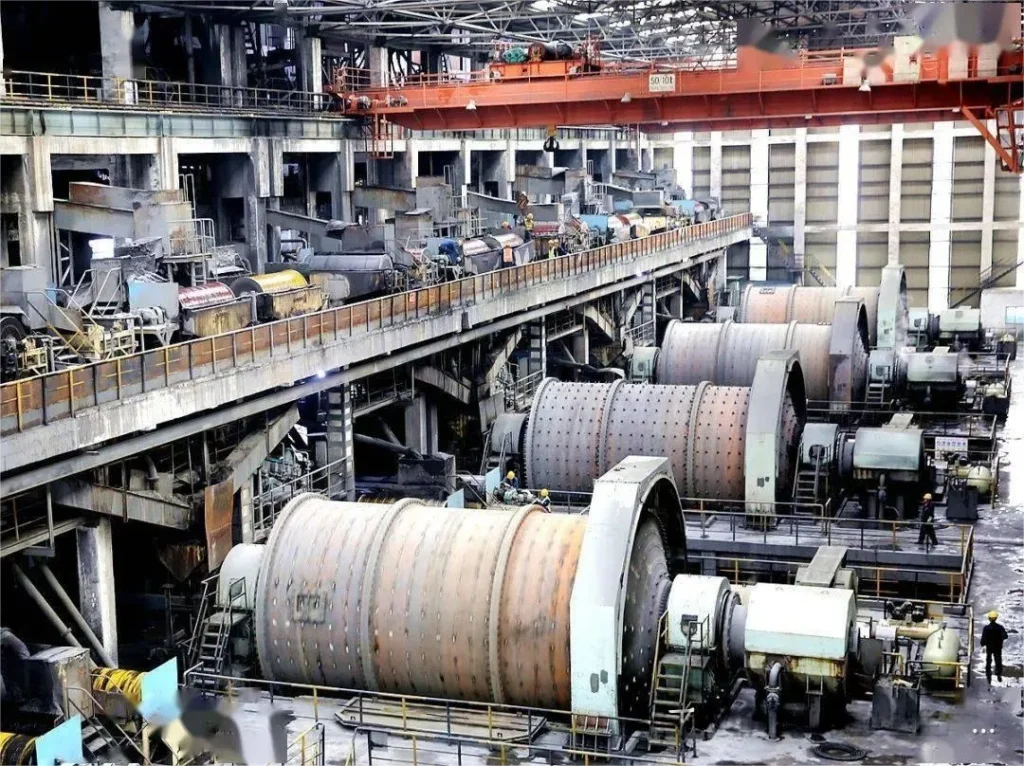
The equipment used in the primary and secondary grinding processes of magnetite is a ball mill or a rod mill.
When using a ball mill, the primary function is to crush materials through impact with steel balls, which also serve a grinding purpose. To improve the efficiency of the ball mill, the steel balls should be configured appropriately. Smaller steel balls fill the gaps between the larger balls, increasing the bulk density. The main function of the large balls is to crush the ore, while the smaller balls primarily grind the material, transferring the impact energy from the larger balls and further compressing the ore, allowing the minerals to better fill the spaces between the larger balls.
When using a rod mill, appropriate grinding media steel rods are installed inside the cylinder. Under the action of centrifugal force and friction, the steel rods crush the ore. The product is discharged from the machine through overflow and continuous feeding for further processing. When selecting grinding equipment, the grinding efficiency should be improved based on the degree of mineral crushing required.
After analyzing the properties of the lean magnetite ore through experiments, a staged grinding-stage beneficiation process was designed for it.
Through the analysis of first-stage, second-stage, and third-stage grinding tests on the iron ore, a staged grinding process was finally customized for it. The first-stage grinding adopted a grinding and classification operation consisting of a grate ball mill and a spiral classifier, with a grinding particle size of -0.076mm 55%. Then, preliminary magnetic separation was carried out to obtain magnetite rough concentrate.
Two-stage grinding is used for regrinding the rough concentrate. It employs an overflow ball mill and hydrocyclones to perform grinding and classification operations, grinding the rough concentrate to -0.076mm (95%), followed by two-stage magnetic separation to obtain fine magnetic concentrate. The second-stage magnetic concentrate is then fed into a high-frequency fine screen. The undersize product undergoes two stages of weak magnetic separation to obtain concentrate, while the oversize product undergoes three-stage regrinding to -0.043mm (83%).
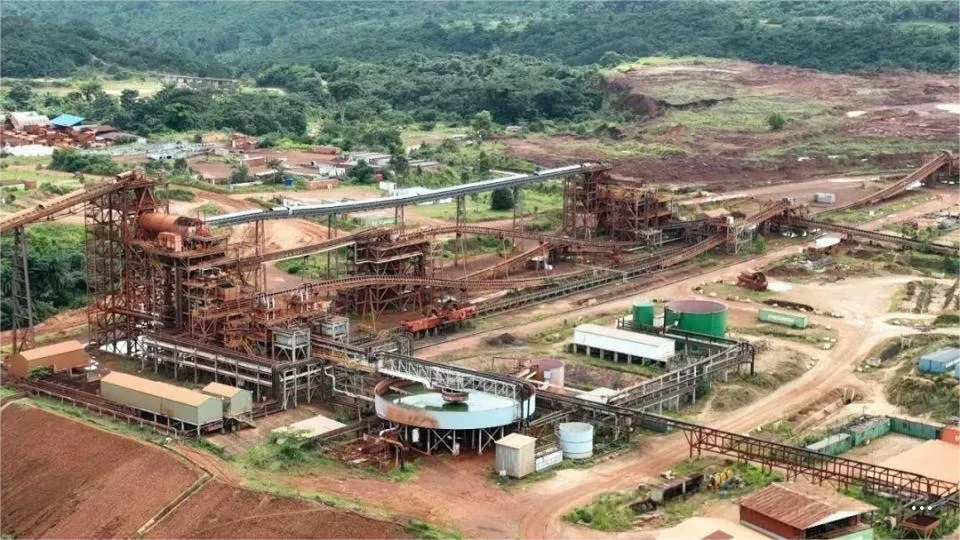
The beneficiation stage of this lean magnetite stage adopts a three-stage magnetic separation- reverse flotation process. The magnetic separation part is combined with grinding. Each grinding stage is separated by weak magnetic separation to obtain coarse and fine magnetic concentrates. After three stages of grinding-magnetic separation, it enters the anion reverse flotation process.
The process uses a flotation concentration of 30% and a flotation temperature of 30℃. The feed reagents are NaOH 850g/t, starch 850g/t, and CaO 350g/t, and the flotation is carried out to obtain the final qualified magnetite concentrate.
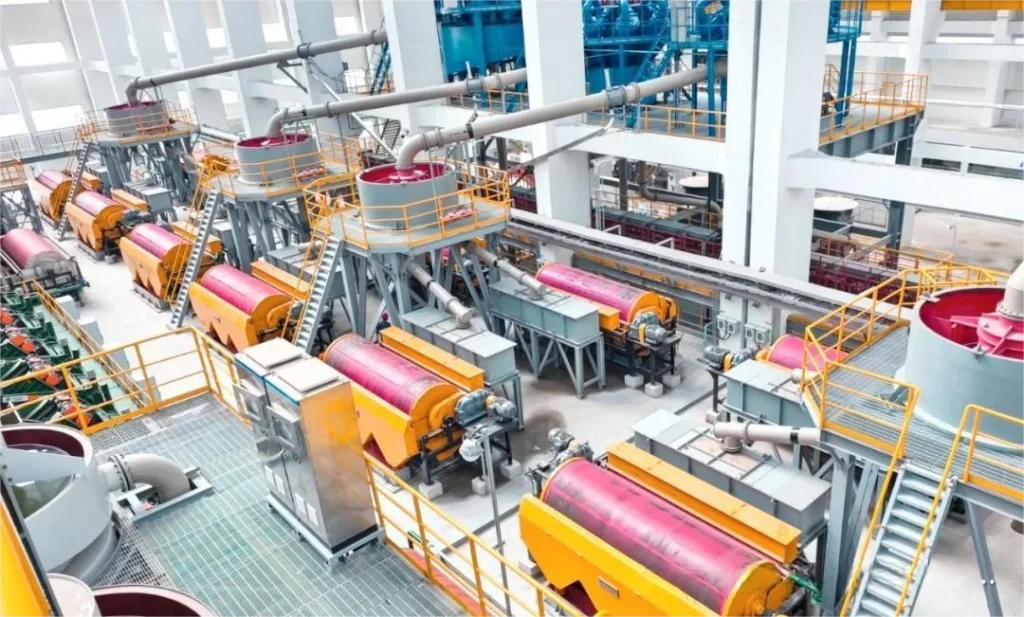
The above is a flow chart of the magnetite grinding and magnetic separation process and the required grinding equipment. Using this process, the magnetic field increases the settling velocity and size difference between magnetite and gangue mineral intergrowths, allowing for the early recovery of liberated magnetite, reducing the feed rate to the secondary grinding stage, lowering the energy consumption of the concentrator, and improving economic efficiency. This process is simple, has stable technical indicators, and low operating costs. When designing magnetite beneficiation processes, concentrators can customize the design based on the characteristics of the magnetite ore to improve concentrate recovery and resource utilization, further achieving better economic benefits.