
Oxidized gold ore is a representative of difficult-to-process gold ores. Flotation and heap leaching are effective beneficiation methods for low-grade, difficult-to-process gold ores. They are simple, require few equipment, are easy to operate, require little investment, and have a short cycle.
Oxidized gold ore is a representative of difficult-to-process gold ores. Flotation and heap leaching are effective beneficiation methods for low-grade, difficult-to-process gold ores. They are simple, require few equipment, are easy to operate, require little investment, and have a short cycle. They are commonly used gold extraction methods in many small and medium-sized gold mines. The following will provide a comprehensive introduction to the beneficiation process, methods, and equipment of oxidized gold ore.
The flotation process for oxidized gold ore mainly utilizes the surface property differences between gold and other gangue minerals. During flotation, a collector is added to create hydrophobic conditions for the gold particles, which then adhere to air bubbles for separation. However, due to the significant difficulty in separating oxidized gold, flotation alone often fails to achieve satisfactory gold recovery rates. Therefore, flotation is frequently combined with other technologies to form a combined beneficiation process. Commonly used processes include: flotation + concentrate cyanide leaching , flotation + concentrate thiourea leaching , flotation + amalgamation , and flotation + concentrate roasting + high-acid washing + cyanide leaching .
The flotation + concentrate cyanidation leaching process is mainly suitable for the beneficiation of oxidized gold ores containing quartz veins or pyrite . During flotation, xanthates can be used as collectors and pine alcohol as frothers. Under weakly alkaline pulp conditions, flotation is first used to obtain gold concentrate, and then the gold concentrate is cyanidated and leached. The obtained solution is replaced with zinc powder to obtain the final gold mud, which can be directly smelted to obtain pure gold in the subsequent process.
The flotation + concentrate thiourea leaching process is suitable for processing oxidized gold ores containing arsenic, sulfur, or high carbon content . During flotation, flotation reagents are used to make the ores hydrophobic with water, and the ores float to the surface with the foam, thus completing the flotation process and obtaining sulfur-containing gold concentrate. Then, the gold is recovered from the concentrate using the thiourea leaching process.
Amalgamation is used to recover gold and is generally suitable for processing relatively coarse oxidized gold ore and quartz primary ore containing native gold grains or free gold near the surface. Gold concentrate is obtained through flotation, and then gold is extracted using amalgamation. The suitable particle size range for amalgamation gold extraction is 0.2~0.03 mm.
The flotation + concentrate roasting + high acid washing + cyanide leaching gold beneficiation process is mainly suitable for processing oxidized gold ores with high arsenic and sulfur content. Due to the high sulfur and arsenic content, the gold concentrate obtained by flotation will contain impurities such as arsenic, sulfur and iron. Direct cyanide leaching of this type of gold ore is not very efficient. Therefore, after flotation, oxidative roasting can be carried out first to remove arsenic and sulfur, and then high acid pretreatment can be used for washing to remove most of the impurities (dissolved by acid). Finally, cyanide leaching is carried out to obtain qualified gold concentrate.
I. Crushing and Grinding Operations
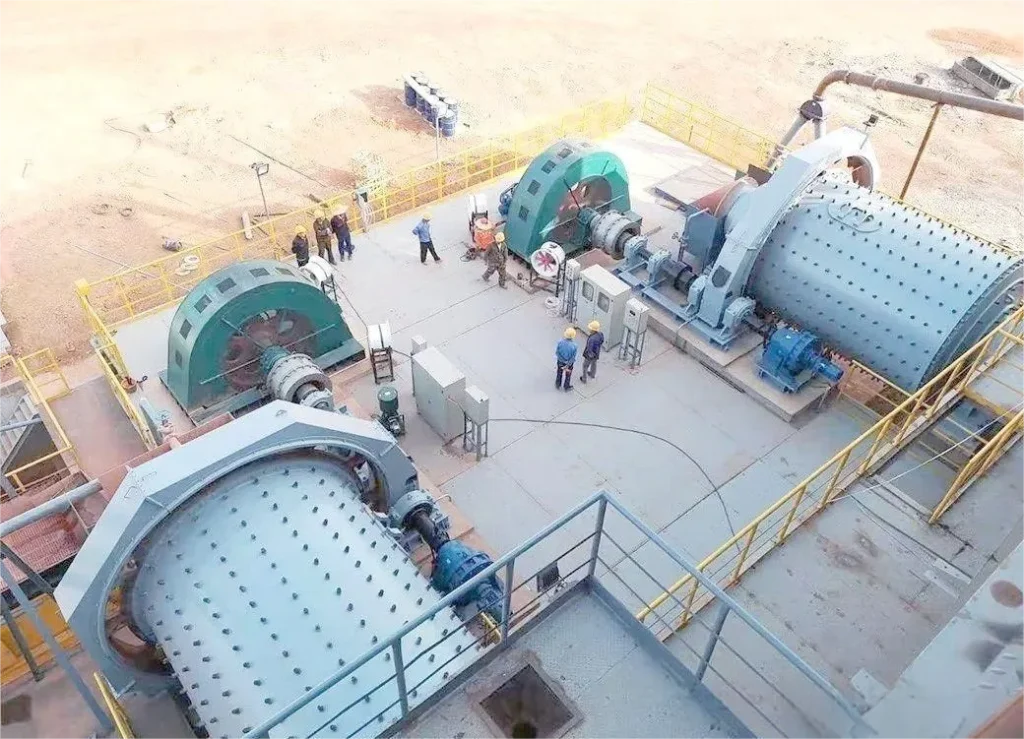
In the gold ore flotation process, the first step is crushing and grinding. The main purpose of this stage is to crush and grind the raw ore to make subsequent beneficiation operations more efficient. This step involves the use of various equipment, such as crushers, grinding mills, and screening machines. These devices work together to crush the ore to the appropriate particle size, laying the foundation for subsequent beneficiation operations.
II. Selection Task
The separation process is the core of gold ore flotation. This stage effectively separates the target minerals from gangue and other impurities. Key equipment such as flotation machines are used in this process . The flotation machine achieves effective mineral flotation by adjusting the reagent regime and air volume. Simultaneously, other auxiliary equipment, such as agitators and froth skimmers, is employed to ensure the efficient execution of the separation operation.
III. Dehydration Operation
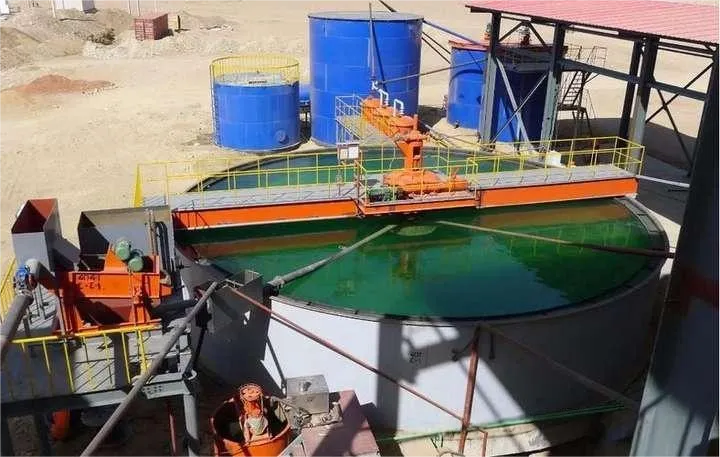
After the beneficiation process, the resulting concentrate still contains a certain amount of moisture. To facilitate subsequent smelting and processing, dewatering is necessary. This stage mainly relies on dewatering equipment, such as thickeners and filters, to remove the moisture from the concentrate, resulting in a concentrate product with lower moisture content. Furthermore, dewatering is an indispensable part of the entire gold ore flotation process, directly affecting the quality and yield of the final product.
I. Crushing Equipment
Jaw crusher: This type of equipment is often used for the initial crushing of gold ore. It has a wide crushing range and is suitable for ores of various soft and hardness.
Cone crusher: Used to further crush ore to ensure that its particle size meets the requirements of subsequent processing.
II. Grinding Equipment
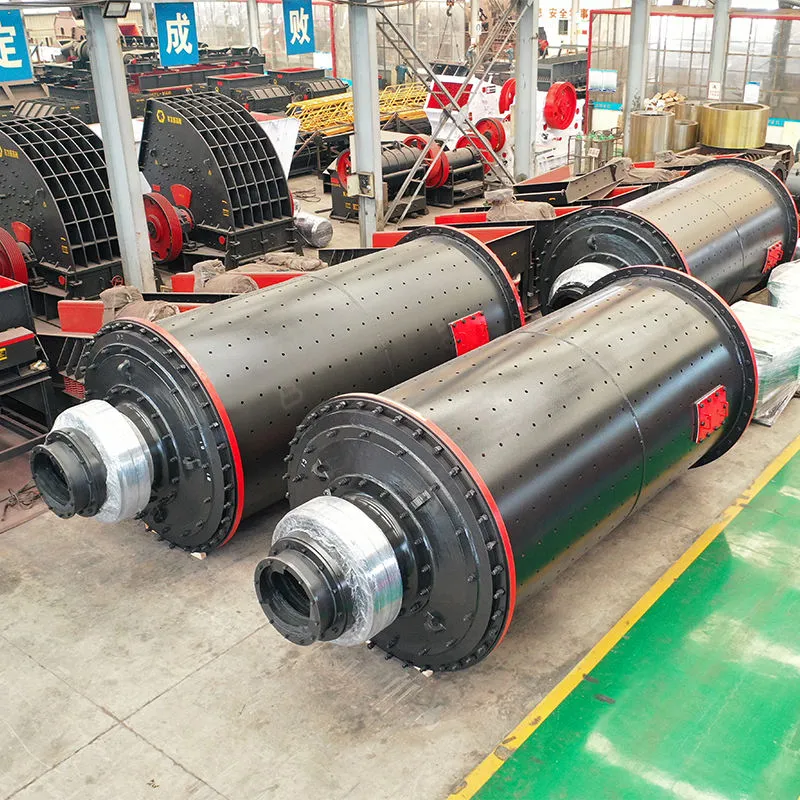
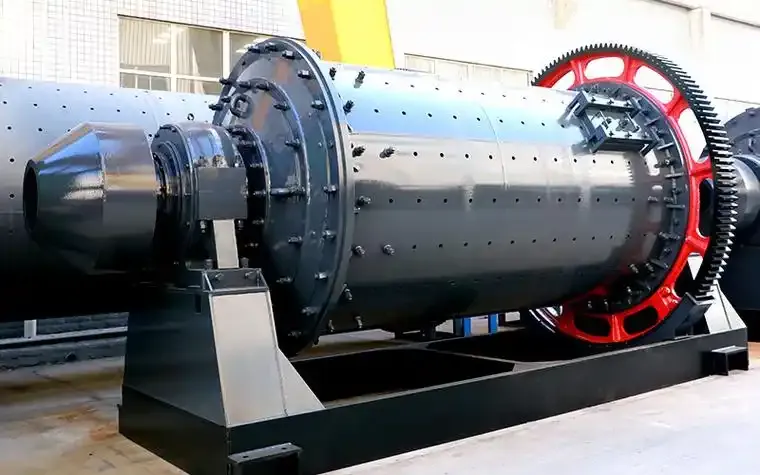
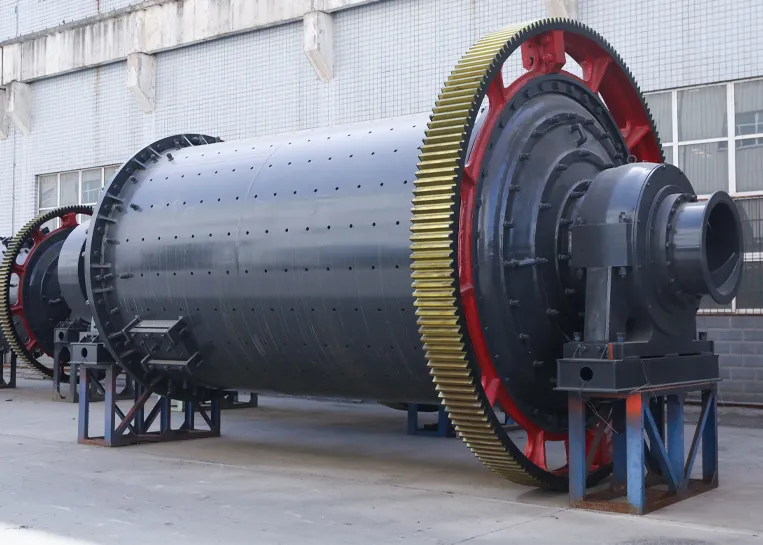
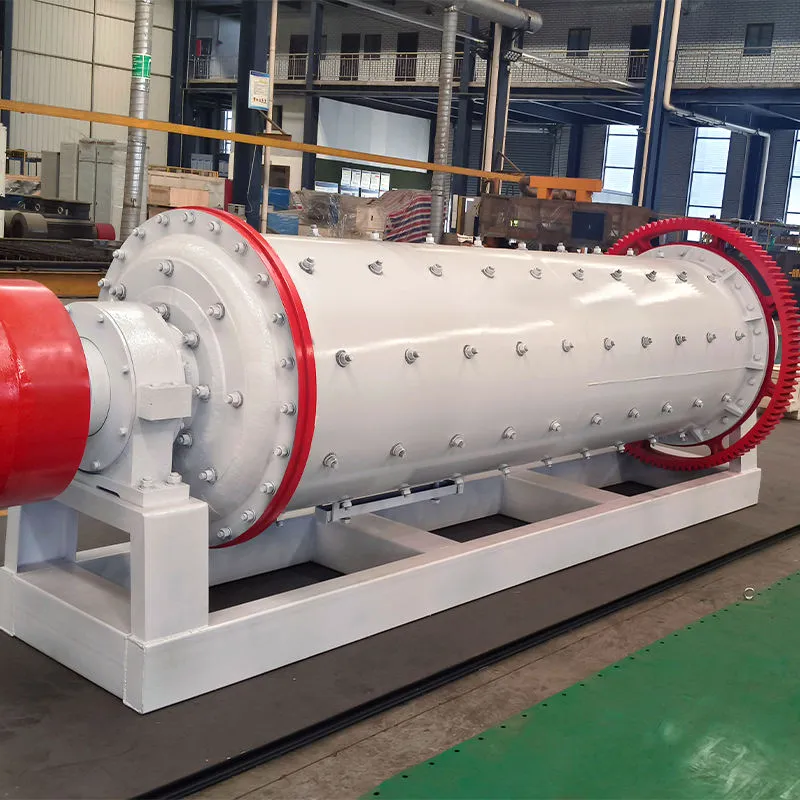
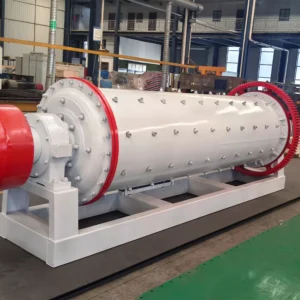
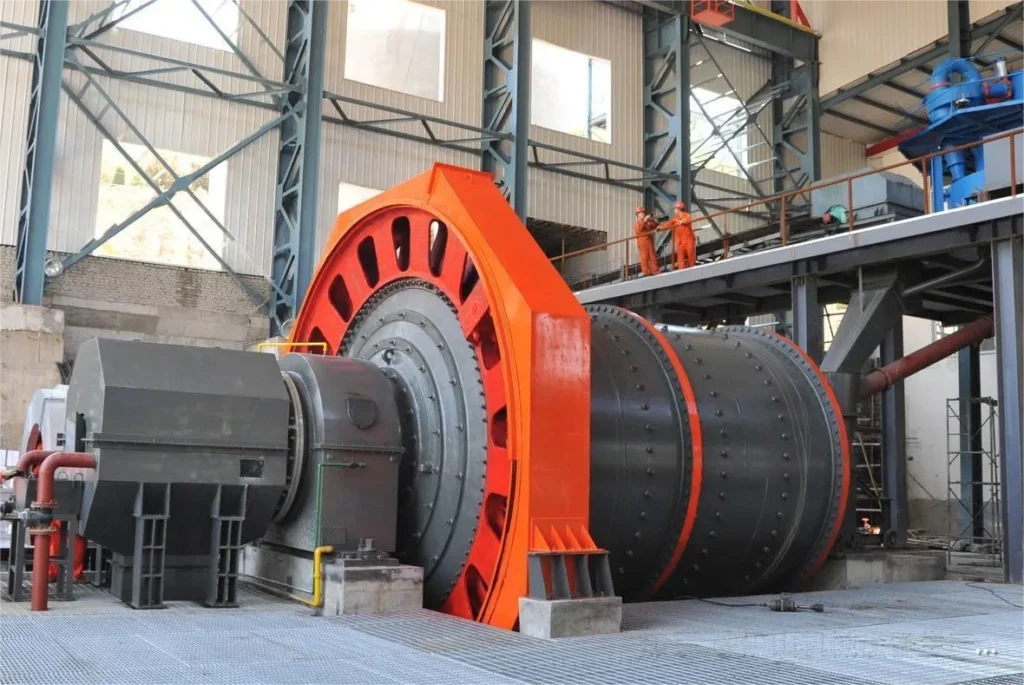
Ball mill: This is a crucial step in ore crushing, refining the ore to a suitable particle size to facilitate subsequent mineral processing. Ball mills can be divided into grate type and overflow type. Grate type ball mills are used for coarse grinding in the first stage of grinding, while overflow type ball mills are used for fine grinding in the second stage. The choice depends on specific requirements.
III. Grading Equipment
Spiral classifier: When used in conjunction with a ball mill, it forms a closed-loop circulation system to screen out qualified mineral sands, avoid over-grinding, and recover unqualified coarse sands for regrinding.
IV. Flotation Equipment
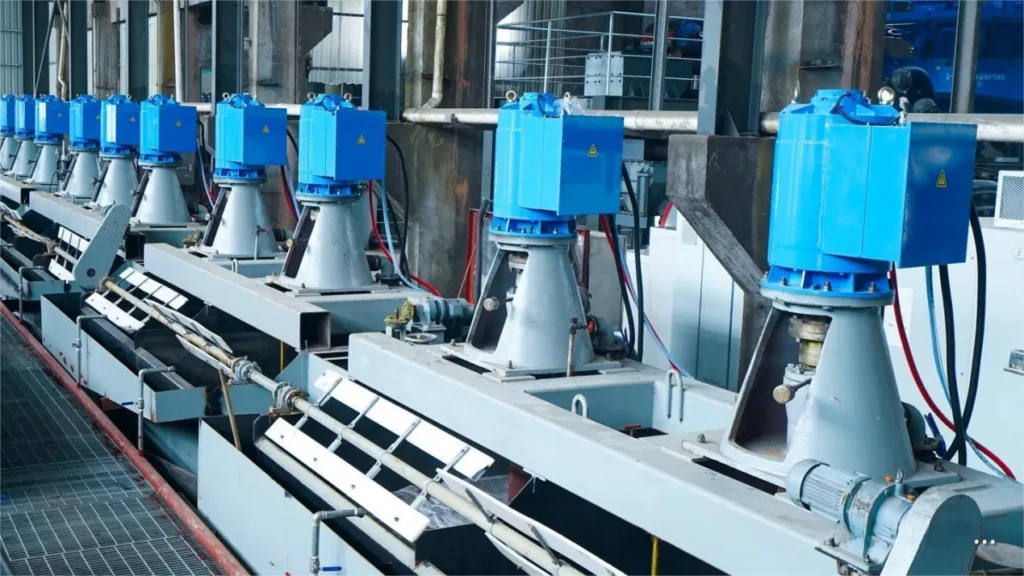
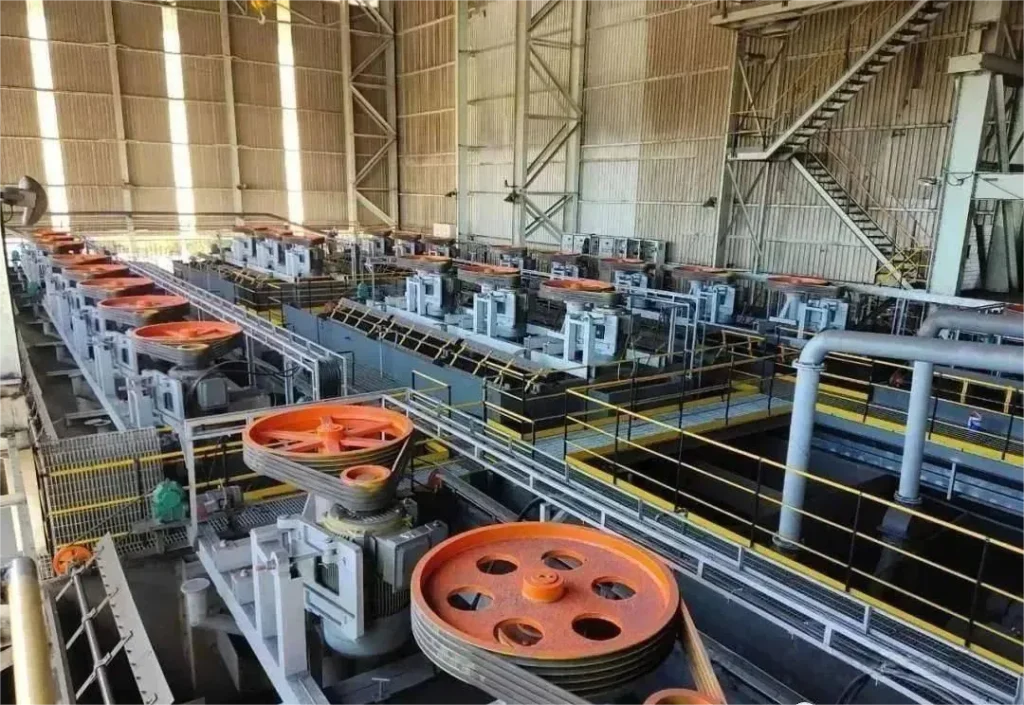
Flotation machines: Commonly used flotation equipment includes mechanically agitated flotation machines, such as the SF, JJF, and BF types, and aerated agitated flotation machines, such as the XCF and KYF types. Among these, the SF, JJF, and XCF types are more suitable for roughing and scavenging, while the KYF and BF types are suitable for roughing and cleaning. Furthermore, flotation columns are mainly used to process fine-grained, low-density gold minerals, and their application in lode gold deposits is relatively limited.
V. Dehydration Equipment
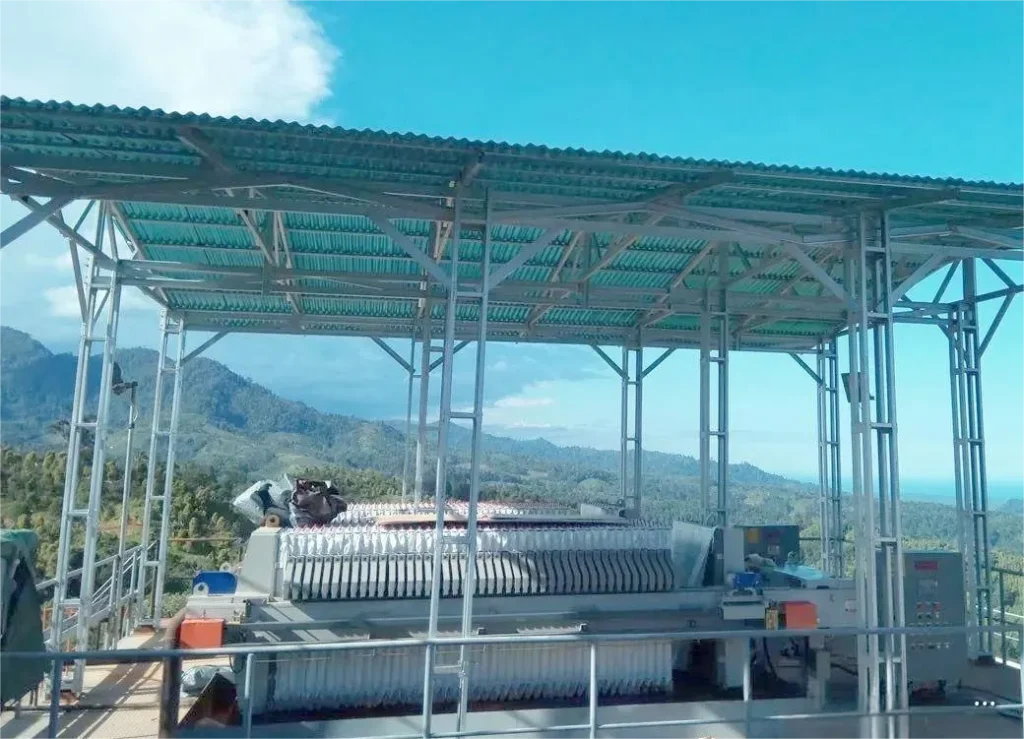
Dewatering equipment includes thickeners, filter presses, and hydrocyclones. Thickeners can be used for one-stage dewatering of concentrates and tailings, as well as for pre-leaching concentration or leaching washing in cyanide plants. Hydrocyclones and filter presses are mainly used for tailings dewatering.
In addition, there are auxiliary equipment such as ore feeders, hoists, conveyors, mixing tanks, ore bins, sand pumps, pump pools, and motors. The specific configuration depends on the actual situation and process requirements. When selecting equipment, various factors such as ore characteristics, production capacity, investment costs, and environmental protection requirements must be considered comprehensively.
The heap leaching process for gold oxide extraction mainly involves piling gold ore, tailings, or waste rock on a base material, which is made of asphalt, concrete, or plastic film. Then, a low-concentration alkaline sodium oxide solvent is continuously sprayed onto the ore pile, which dissolves the gold elements in the ore. The gold flows into a collection device pre-installed on the base material and is then transported to a storage tank.
Then, activated carbon adsorption , zinc displacement precipitation, or direct electrolytic deposition are used to recover the gold. The liquid that has been adsorbed and replaced will be returned to the gold leaching process, while the ore tailings after the reaction are disinfected and discharged.
The commonly used heap leaching processes for oxidized gold ores include three methods: zinc powder replacement , carbon adsorption , and ion exchange adsorption .
Zinc powder replacement method: This method is used to treat gold-containing precious solutions after cyanide leaching. Zinc powder or zinc wire is used as a reducing agent to replace the gold from the leaching solution, and then electrolytic gold extraction is carried out. There are two methods: CDD method and CCF method. The process is as follows: washing solid-liquid separation, leaching solution purification, deoxidation, and zinc powder replacement.
Carbon adsorption method: This method allows gold adsorption without the need for filtration devices, deoxidation tanks, or pumps. There are two methods: CIP and CIL . The process involves placing activated carbon into a cyanide slurry, then adsorbing the dissolved gold onto the activated carbon, from which the gold is extracted.
Ion exchange adsorption: This method involves a metathesis reaction between the target component ions in solution and a solid ion exchanger, selectively transferring the target component from the liquid phase to the solid phase. Then, appropriate reagents are used to transfer the target component back into the liquid phase, thus achieving separation and enrichment of the target component. The process of transferring the target component from the liquid phase to the solid phase is usually called adsorption, and the process of transferring it from the solid phase to the liquid phase is called elution.
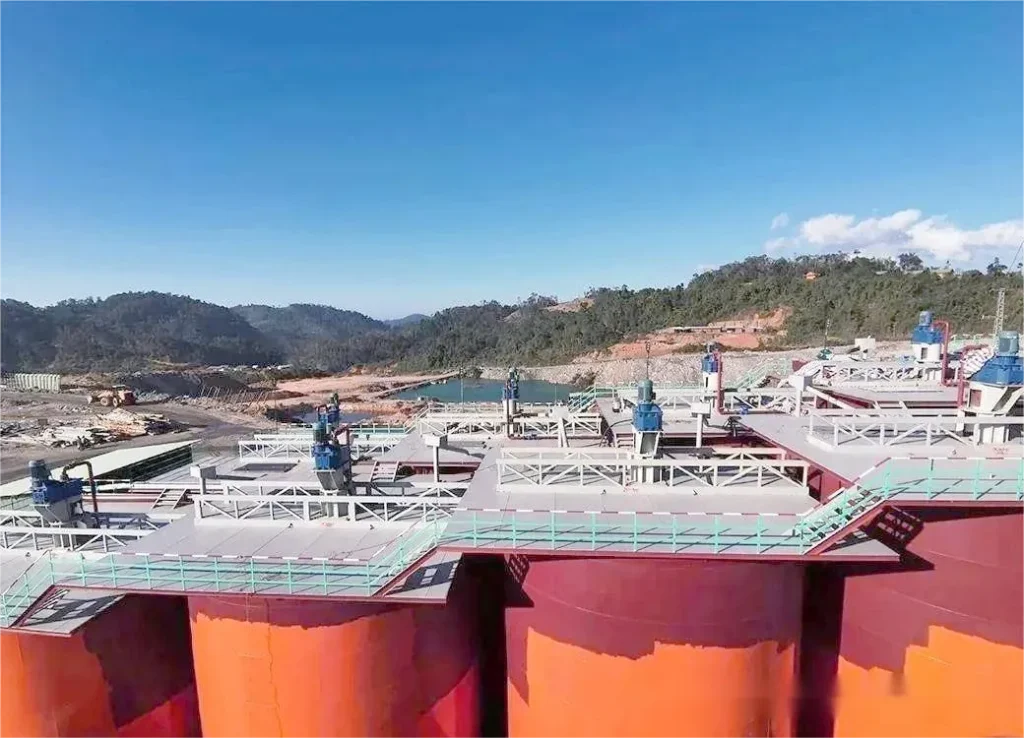
The equipment used in the heap leaching process of oxidized gold ore beneficiation is determined by the process flow. The equipment that may be used in the beneficiation process from raw ore to gold slime includes: crushers (jaw crushers, cone crushers), vibrating screens, adsorption columns, lean liquor tanks, lean liquor pumps, precious liquor tanks, carbon storage tanks, acid washing tanks, desorption columns, electrolytic cells, desorption liquid tanks, air compressors, circulating pumps, three (two) layer washing and thickening machines, zinc powder feeders, deoxidation towers, filter presses, slurry pumps, thickeners, etc.
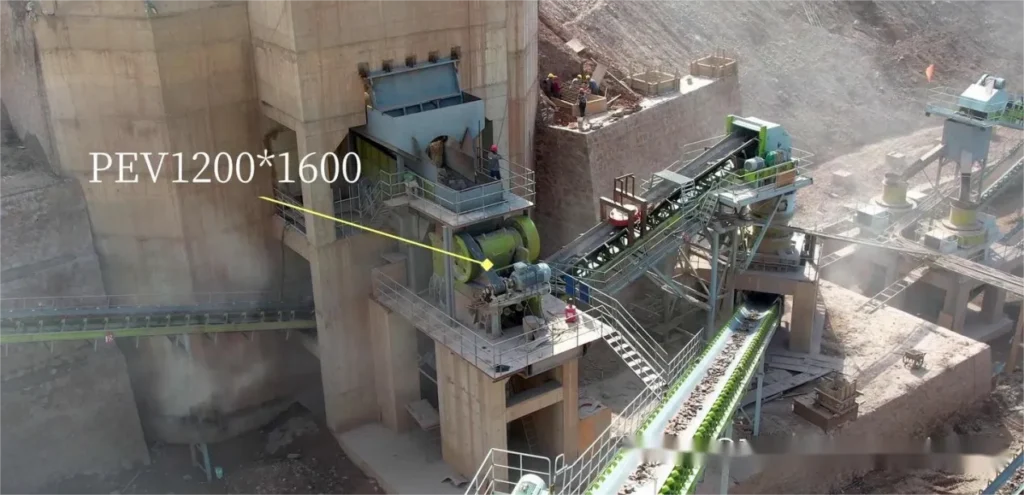
The gold minerals are mainly native gold, with gold grains generally occurring in granular, small flake, or vein-like forms. A small amount is embedded in quartz and limonite in dendritic patterns. The grain size characteristics are fine-grained native gold, existing as medium-fine, micro-fine, and submicroscopic gold, with a small amount existing as coarse-grained gold. The granular native gold embedded in quartz is mostly 0.02–0.08 mm in size. Based on the above ore characteristics, mineral processing tests were conducted, and a gold extraction process flow of crushing-gravity separation-cyanide heap leaching was finally designed. The mineral processing flow is as follows: the raw ore is mainly extracted from the open source more than 1 km away, transported by dump truck and entered the ore bin. After a two-stage open-circuit crushing process with pre-screening, the product particle size is less than 20 mm. It is then sent to a three-layer vibrating screen by a belt conveyor to screen and divide the mineral particles into three particle size products. The coarse ore lumps larger than 2 mm are sent to the stockpile for heaping, while the fine particles smaller than 2 mm are processed by a jig to recover coarse gold particles and enter the carbon-in-pulp regrinding operation with the intermediate grade products. After regrinding, the products are granulated by a granulator and then sent to the stockpile for heaping, spraying and leaching.
The above is an introduction to several common gold oxide ore beneficiation processes and equipment. Mineral resources are non-renewable, as we all know, especially gold, which is a hard currency and whose price has skyrocketed. It is a major mineral resource developed by major mining companies. However, the composition of each type of gold ore is different, so the beneficiation processes also vary. If you want to obtain the ideal gold ore grade and improve the return on investment, it is recommended to conduct beneficiation tests and design suitable gold flotation processes or other gold ore beneficiation processes through test analysis.