
With the continuous development and utilization of high-quality phosphate rock resources globally, their reserves are declining year by year. This is especially true in regions with lower ore grades, where the proportion of medium- and low-grade phosphate rock resources is increasing.
With the continuous development and utilization of high-quality phosphate rock resources globally, their reserves are declining year by year. This is especially true in regions with lower ore grades, where the proportion of medium- and low-grade phosphate rock resources is increasing. Faced with this change in resource proportions, researching how to mine and utilize medium- and low-grade phosphate rock is a major solution. The phosphate rock beneficiation process is key to improving the efficiency of mineral resource utilization, directly affecting the recovery rate, grade, and environmental impact of phosphate rock resources. This article will introduce the various phosphate rock beneficiation processes.
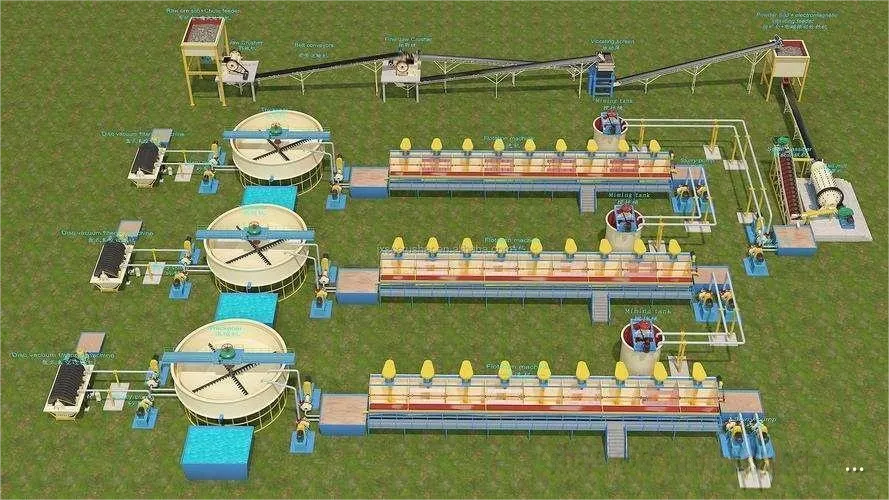
Currently, the common phosphate rock beneficiation processes in concentrators mainly include scrubbing and desliming, flotation, and chemical beneficiation.
1. Phosphate Rock Scrubbing and Desliming Process
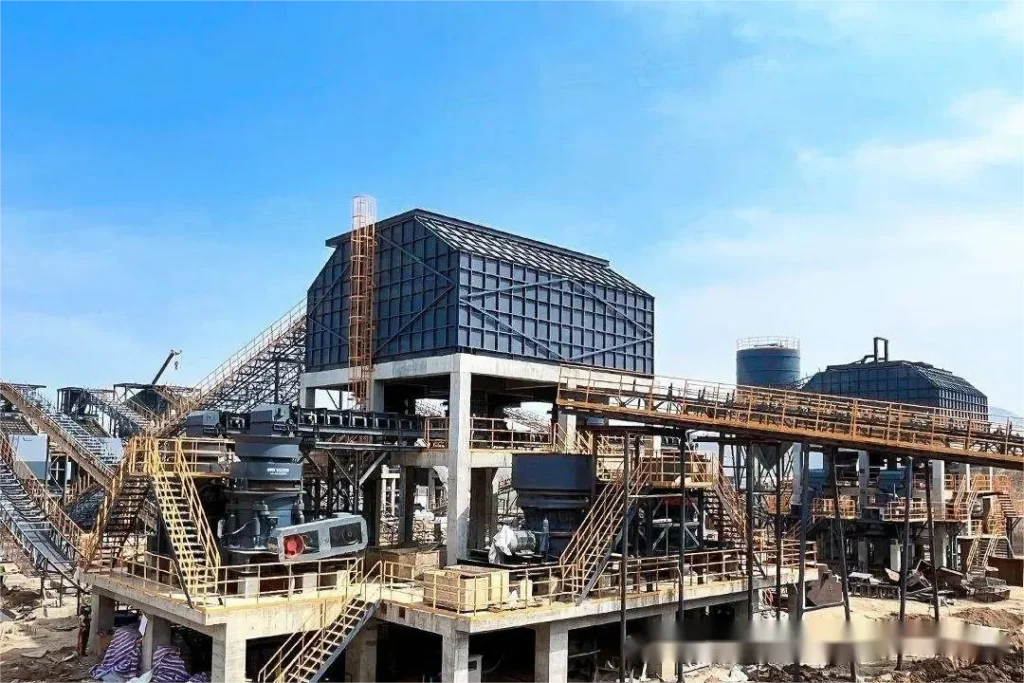
The phosphate rock scrubbing and desliming process mainly utilizes physical friction and water flow to remove fine mud and impurities from the surface of the phosphate rock, thereby improving its purity. The process mainly includes crushing, screening, scrubbing, and desliming. First, the phosphate rock is crushed to meet the particle size requirements for subsequent processing. Then, it is screened to separate particles of different sizes. Next, in the scrubbing equipment, mechanical stirring and other methods are used to make the mineral particles rub against each other and against the inner wall of the scrubbing equipment. At the same time, water is used to wash away the fine mud adhering to the surface of the phosphate rock. Finally, the fine mud is separated from the phosphate rock through a grading and desliming operation.
The application scope of this phosphate rock beneficiation process is limited, and it is not well-suited for processing ores with high concentrate enrichment ratios. The concentrate grade obtained using this process is relatively low, making it difficult to meet the industrial production demands for high-grade phosphate rock. Furthermore, the high phosphate mineral content in the tailings indicates insufficient resource recovery and a certain degree of resource waste.
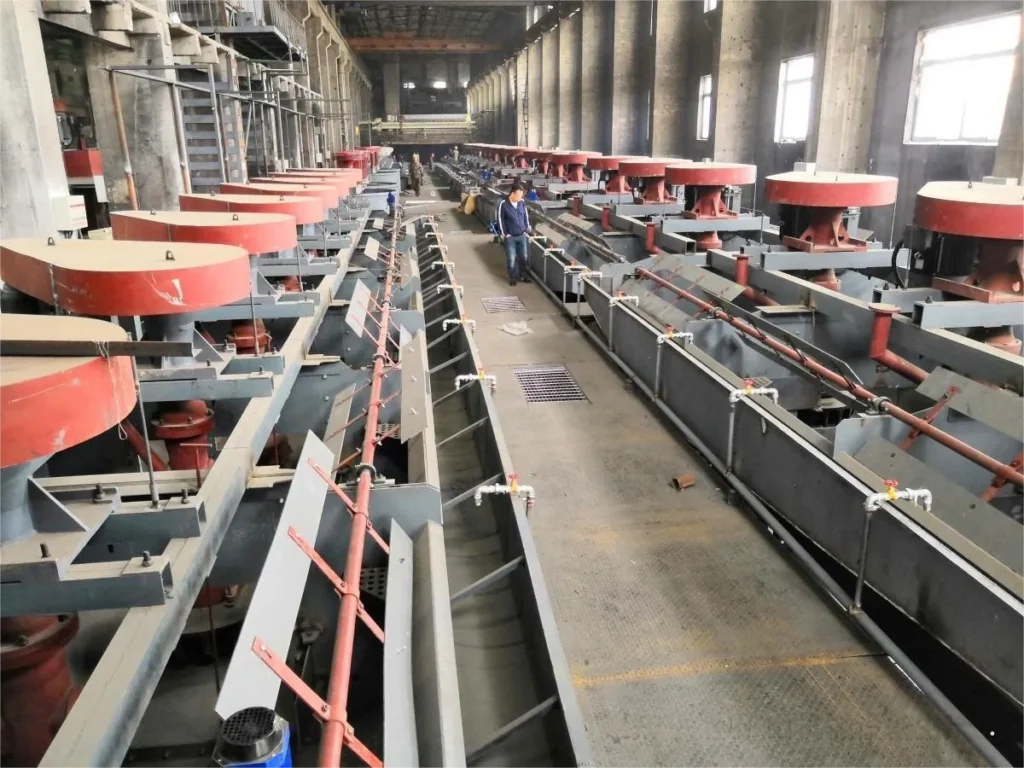
2. Phosphate Rock Flotation Process Flowchart
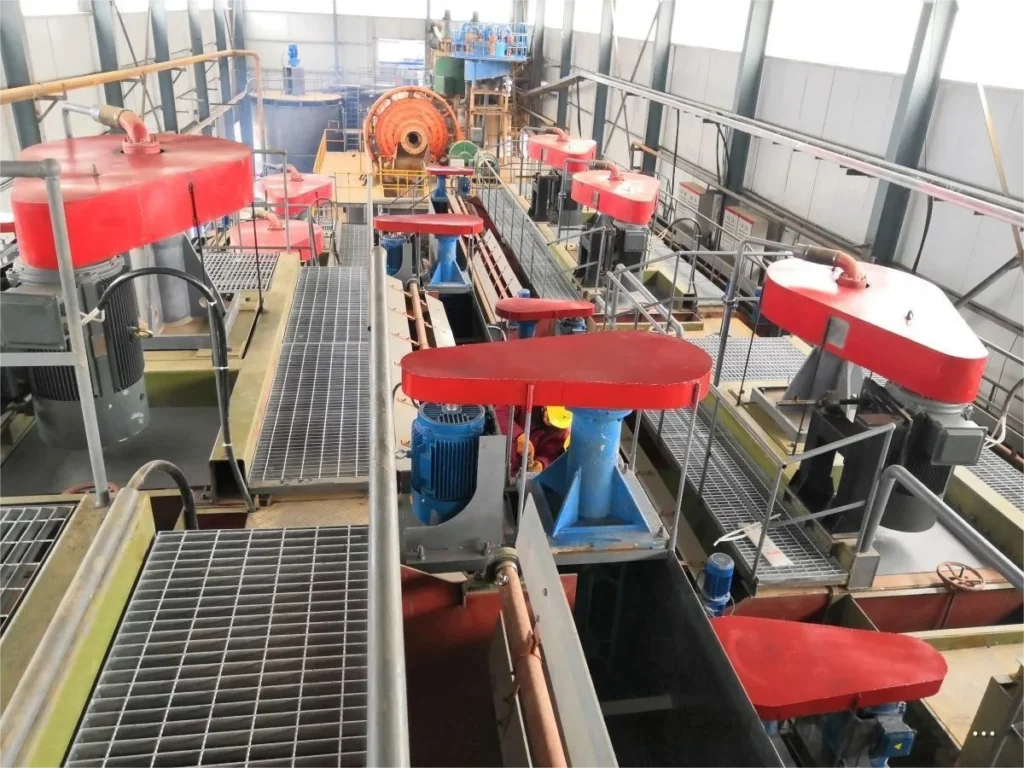
The phosphate rock flotation process is a commonly used technique for phosphate ore beneficiation. It uses reagents to adjust the hydrophilicity and oleophilicity of the mineral surface. When the surface properties of the mineral change, the contact with the froth also changes, thus achieving the separation of different minerals. Specifically, during the flotation process, specific collectors and frothers are added to the pulp. The collectors selectively adsorb onto the surface of the phosphate minerals, making the surface hydrophobic and allowing it to combine with air bubbles. The frothers promote the generation of a large number of stable air bubbles in the pulp. As the bubbles rise, those that have adsorbed phosphate minerals float to the surface of the pulp, forming a froth layer. Scraping this froth layer yields the concentrate containing phosphate minerals, while the remaining minerals in the pulp are gangue minerals and other impurities.
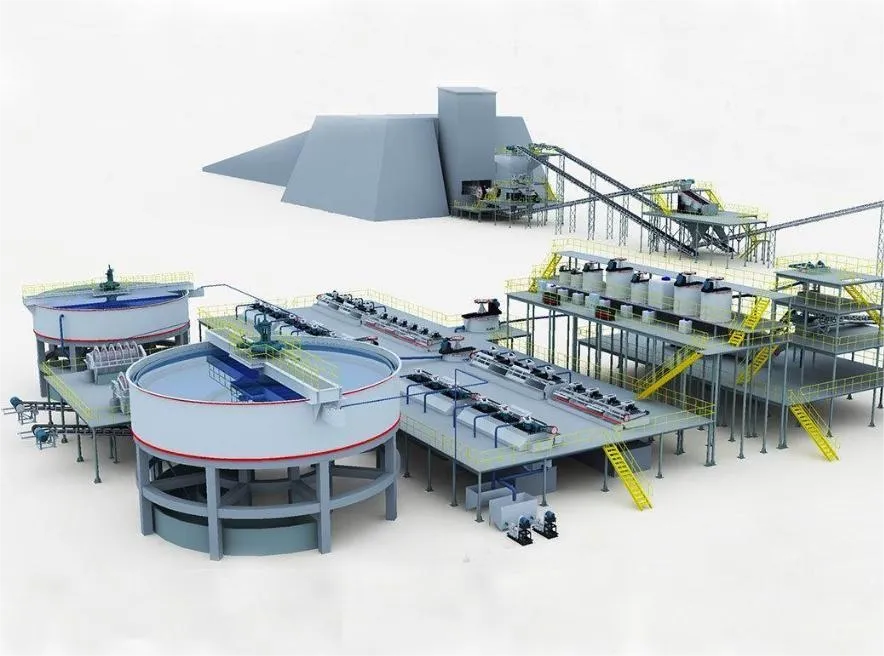
Phosphate ore flotation is a crucial process for processing phosphate ores with complex mineral structures, significantly improving phosphate ore recovery and grade. Common phosphate ore flotation methods include:
* **Direct flotation:** Primarily used for siliceous phosphate ores with high silica content and low magnesium oxide content. By adding depressants to suppress gangue minerals such as quartz and feldspar, phosphate minerals are allowed to bind with air bubbles and float preferentially, achieving separation between phosphate minerals and gangue minerals.
* **Reverse flotation:** Suitable for calcareous phosphate rocks containing minerals such as dolomite and gypsum. This process suppresses the flotation of phosphate minerals while allowing gangue minerals to float preferentially, thus improving the phosphate ore grade.
* **Combined direct and reverse flotation:** Primarily designed for complex phosphate ores. Phosphate minerals are floated preferentially first, followed by gangue minerals. This process can separate different types of minerals in multiple stages, effectively handling phosphate ores with complex mineral compositions and multiple coexisting impurities.
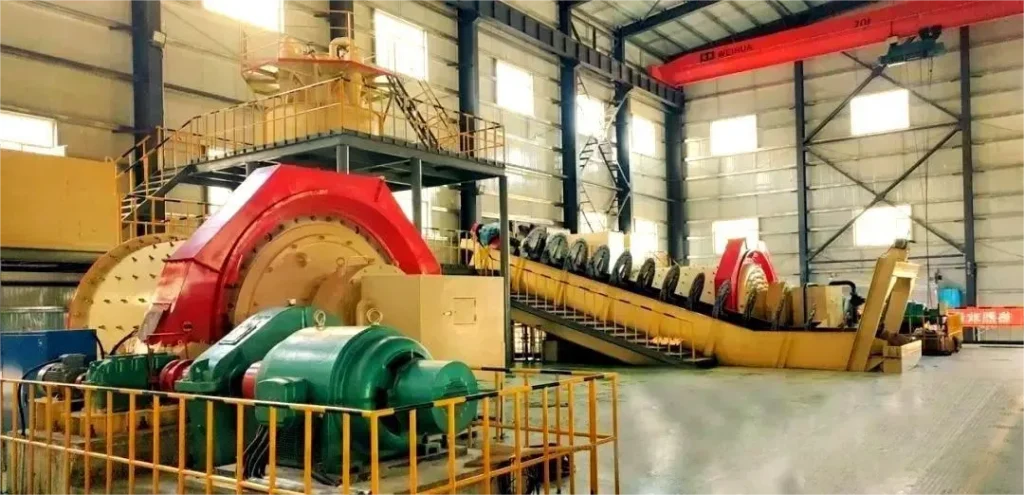
Reverse flotation process: The reverse of forward and reverse flotation, this process is well-suited for phosphate rock containing a high amount of gangue minerals. By first flotating the gangue minerals and then processing the phosphate minerals, the flotation sequence can be flexibly adjusted according to the ore characteristics, improving beneficiation efficiency.
Double reverse flotation process: This process uses two-step reverse flotation to remove gangue minerals first, then other impurities. It is particularly suitable for processing low-grade phosphate rock, effectively improving its grade and recovery rate, and to some extent solving the problem of the difficulty in utilizing low-grade phosphate rock.
Stage grinding-stage beneficiation process: This process is used to process phosphate rock with poor liberation. Through stage grinding, the phosphate rock is gradually ground to a suitable particle size, allowing for sufficient liberation of the phosphate minerals from the gangue minerals. Beneficiation is then carried out at different stages, improving the separation efficiency of the phosphate rock and avoiding the adverse effects of over-grinding or under-grinding on beneficiation indicators.
3. Chemical Beneficiation Process for Phosphate Rock
The chemical beneficiation process for phosphate rock primarily achieves the separation of phosphate rock from gangue minerals through chemical reactions. This can include partial acidification, thermal decomposition, and activation-promoted release methods.
Partial Acidification Process: This process utilizes an acidic solution to partially acidify the phosphate rock, dissolving or transforming the gangue minerals, thereby achieving separation of the phosphate rock from the gangue minerals.
Thermal Decomposition Process: This process uses high temperatures to decompose the gangue minerals in the ore, generating easily separable molten products. Under high-temperature conditions, the chemical composition and structure of the gangue minerals change, transforming them into substances that can be separated by physical methods, such as molten or gaseous substances, achieving separation from the phosphate rock.
Activation-Promoted Release Process: This process relies on the activation and promotion reactions of phosphate and gangue minerals to increase their dissolution rate, achieving separation. By adding specific activators, the activity of the mineral surface is altered, making the phosphate or gangue minerals easier to dissolve or react under specific conditions, thus achieving separation.
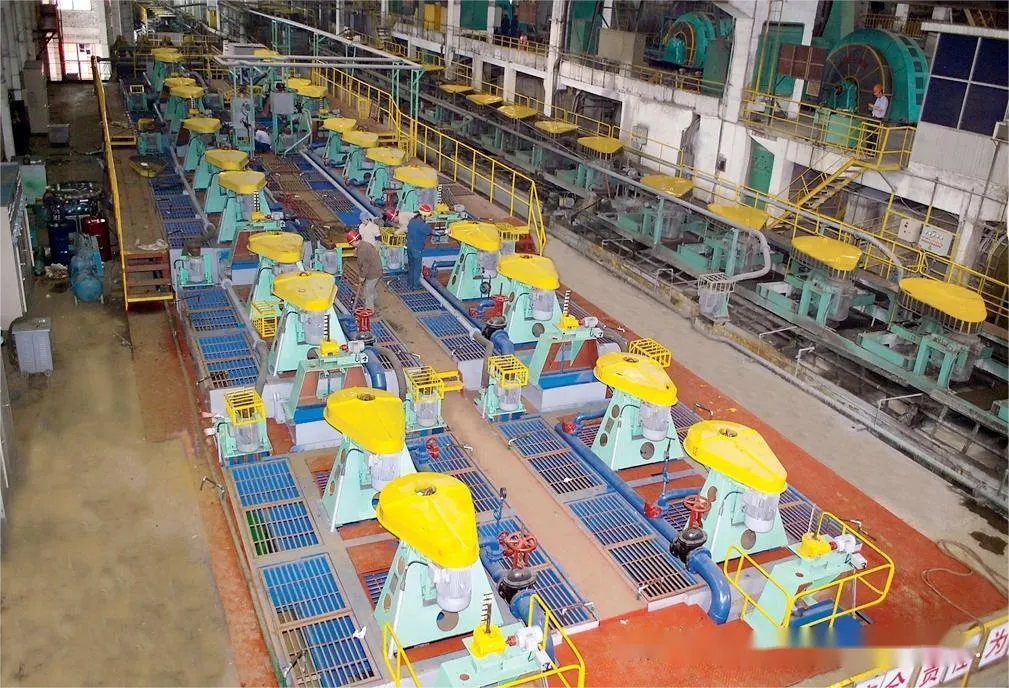
4. Phosphate rock gravity beneficiation process flow: The phosphate rock gravity beneficiation process flow is mostly heavy media beneficiation, and the equipment used is heavy media hydrocyclone, which is mainly used as the separation equipment. During the beneficiation process, magnetic minerals in the ore can be used as weighting agents of the medium. A coarse-fine heavy media process is used for washing and desliming.
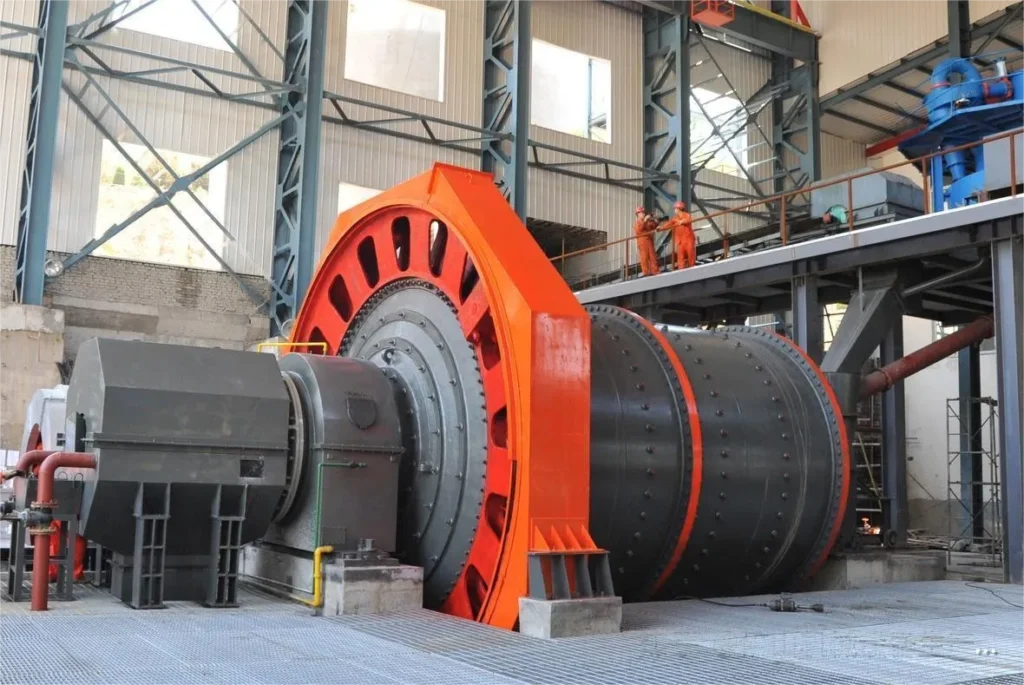
5. Calcination and Digestion Process for Phosphate Rock The calcination and digestion process for phosphate rock is primarily suitable for calcareous phosphate rocks (those with relatively low silicate content and high carbonate content). The purpose of calcination is to minimize the silica content (to below 5%). The process involves calcination at 900℃. Under these high temperatures, the carbonate minerals decompose, releasing carbon dioxide. Water is then added for digestion, promoting the hydration of magnesium oxide and calcium oxide to form granular magnesium hydroxide and calcium hydroxide, thus enriching the phosphate rock.
6. Phosphate Rock Electrostatic Separation Process Flow
Generally, electrostatic separation is a dry process that does not generate wastewater or pollute the environment. The corresponding equipment has a relatively simple structure, providing greater convenience for operation and maintenance. The production cost is relatively low, and good separation results can be achieved.
7. Other Phosphate Rock Beneficiation Processes
In addition to the above-mentioned beneficiation processes, there are other new processes such as magnetic separation, microbial methods, and thermal greening methods, all of which can remove MgO from phosphate rock. However, due to differences in the occurrence states of the minerals, the required process methods vary.
Introduction to the Beneficiation Processes of Different Phosphate Rocks!
1. Beneficiation Process of Siliceous Phosphate Rock The main impurities in siliceous phosphate rock are silicates. In this type of ore, phosphate minerals and siliceous gangue are closely associated, making beneficiation difficult. To address this characteristic, beneficiation plants often use reverse flotation to separate phosphate minerals from gangue. The process generally follows crushing, grinding, and separation (reverse flotation).
Crushing: A coarse-medium or coarse-fine crushing process is commonly used to gradually crush large pieces of phosphate rock to a suitable particle size, not exceeding 15mm, to facilitate subsequent grinding operations.
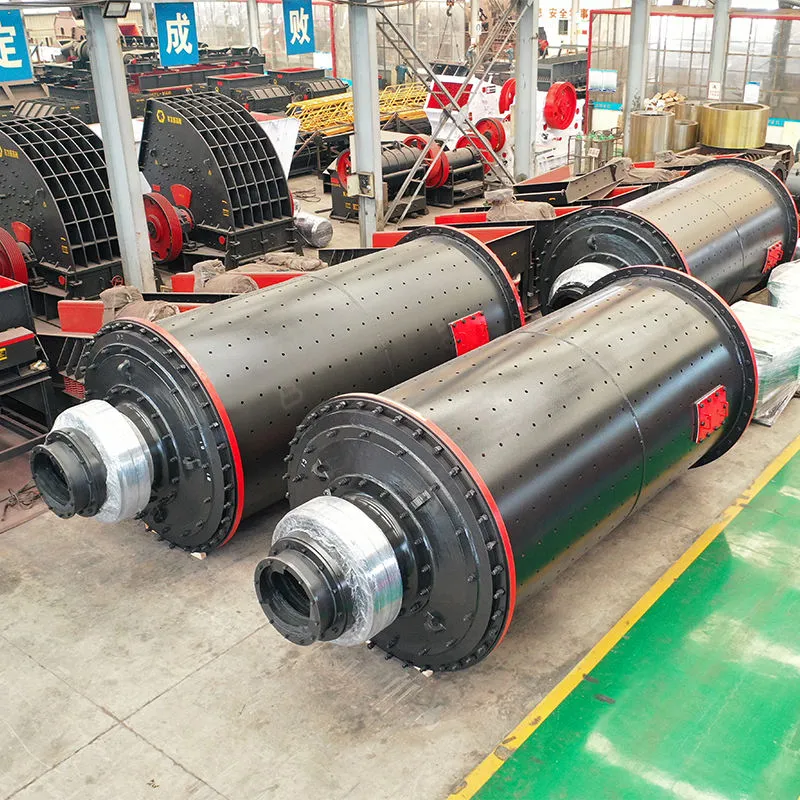
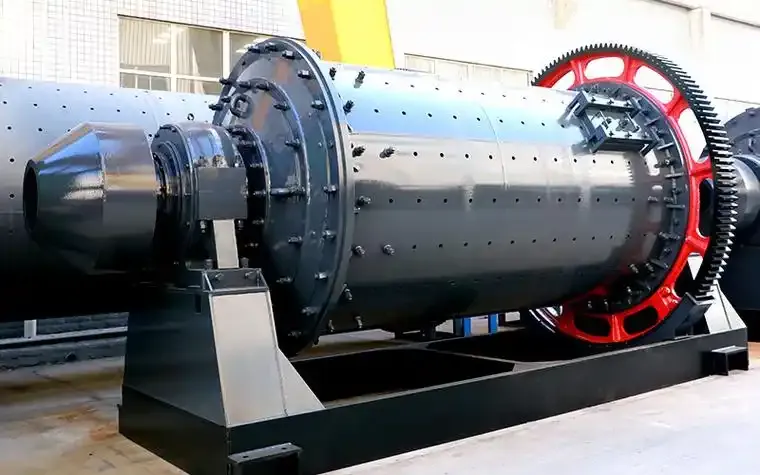
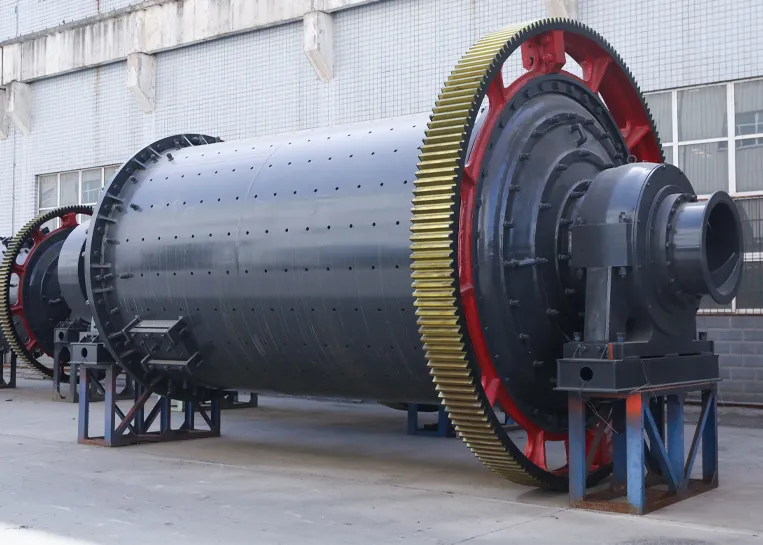
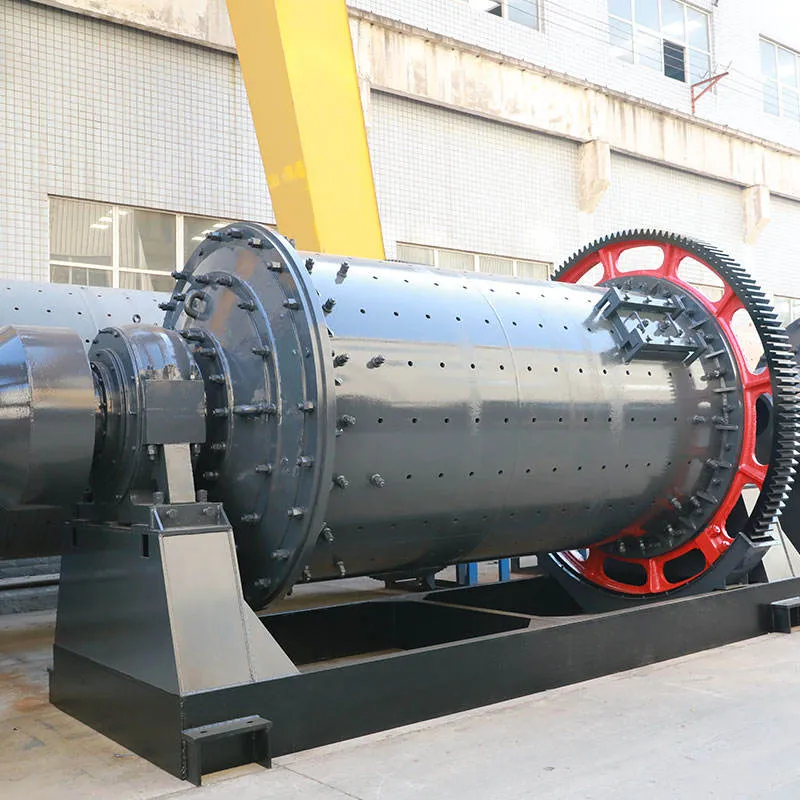
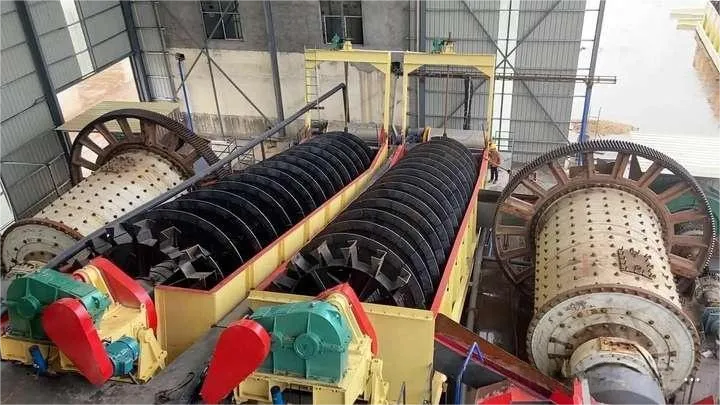
Grinding: Fine grinding is performed on the crushed minerals to fully liberate the phosphate minerals from the siliceous gangue. Ball mills, rod mills, and other equipment are typically used, combined with spiral classifiers or hydrocyclones to form a closed-circuit grinding system. During the grinding process, the grinding particle size usually needs to be controlled at -200 mesh (0.074 mm) and the content should reach 70-80%.
Reverse flotation: After grinding, the slurry enters the reverse flotation process. Depressants such as water glass are added. Water glass selectively adsorbs onto the surface of phosphate minerals, forming a hydrophilic film that inhibits their flotation. Simultaneously, amines or modified fatty acid collectors are added. These collectors react with the surface of silicate gangue, making it hydrophobic. Under stirring and aeration conditions, the hydrophobic silicate gangue adheres to the surface of the bubbles and floats to the surface of the slurry, forming a foam layer, while the inhibited phosphate minerals remain in the slurry. To further improve the grade of the phosphate concentrate, multiple stages of roughing, cleaning, and scavenging are typically employed. Through multiple flotation separations, silicate impurities are removed to the maximum extent possible.
Concentrate dewatering: The phosphate concentrate after flotation contains a large amount of water and needs to be dewatered and filtered to reduce the water content for subsequent processing. Generally, a thickener is first used to concentrate the concentrate from 20%-30% to 50%-60%; then a filter is used to further reduce the moisture content of the concentrate, so that the moisture content of the final product is reduced to below 12%, thus obtaining a phosphate rock product that meets the quality requirements.
2. Beneficiation Process of Calcium Phosphate Rock The main impurities in calcium phosphate rock are carbonate minerals, such as calcite and dolomite. For this type of phosphate rock, direct flotation or roasting-digestion processes are typically used for beneficiation and impurity removal.
Direct Flotation: In direct flotation, sodium carbonate is added to the pulp as a modifier to adjust the pH to 8-10, creating a suitable alkaline environment for reagent action. Simultaneously, fatty acid collectors (oleic acid, sodium oleate) are added, which react chemically with metal ions on the surface of the phosphate minerals to form a hydrophobic film, allowing the phosphate minerals to adhere to bubbles and float. After roughing, cleaning, and scavenging processes, phosphate concentrate is obtained, which is then concentrated and filtered to obtain the final phosphate concentrate product.
Roasting-Digestion Process: This process involves directly roasting the crushed product at high temperatures (800-1000℃). During this process, carbonate impurities decompose; calcium carbonate decomposes into calcium oxide and carbon dioxide, and magnesium carbonate decomposes into magnesium oxide and carbon dioxide. After roasting, the ore is cooled and then digested with water or dilute acid to dissolve alkaline oxides such as calcium oxide and magnesium oxide produced by decomposition into the solution. Then, impurities are removed through processes such as washing and filtration. Finally, the filter cake is dried to obtain the phosphate rock product.
3. Beneficiation Process of Mixed Phosphate Rock
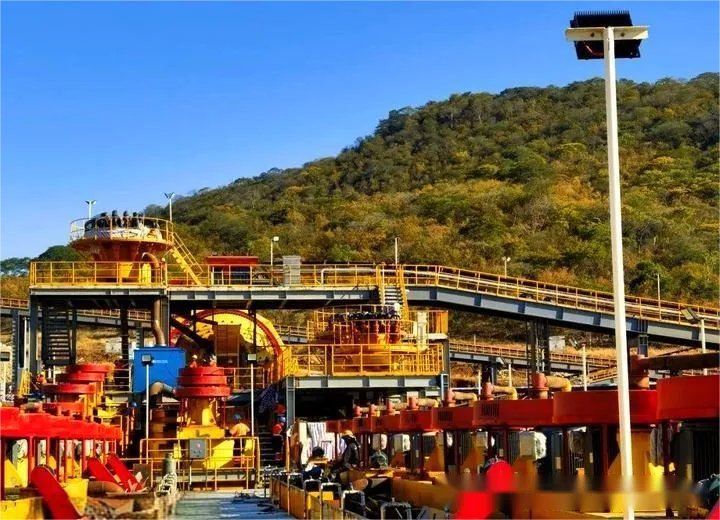
Mixed phosphate rock contains multiple impurities such as carbonates and silicates, resulting in complex ore properties. A single beneficiation method is insufficient to achieve ideal separation results. Therefore, a staged grinding-classification-combined flotation process is typically employed.
Staged Grinding and Classification: This generally involves two or three stages of grinding. The first stage grinds the ore to a certain particle size, causing initial liberation of some phosphate minerals from gangue. Then, a classification device separates the pulp of the qualified particle size, while the coarse particles are returned for regrinding. Staged grinding avoids over-grinding caused by excessively fine grinding in a single pass, reducing the loss of fine phosphate minerals and improving grinding efficiency.
Combined Flotation: Depending on the content and properties of carbonate and silicate impurities in the ore, direct flotation or double reverse flotation can be used for preliminary removal of carbonate impurities. After carbonate removal, multiple stages of grinding and flotation operations are used to gradually increase the phosphate ore grade and effectively remove various impurities.
The above are introductions to several different phosphate rock beneficiation processes. In actual beneficiation plants, different types of phosphate ores, such as siliceous phosphate, calcareous phosphate, and mixed phosphate ores, require specific beneficiation processes due to differences in impurity types, mineral composition, distribution characteristics, and grade. Simultaneously, factors such as production costs, environmental requirements, and equipment selection must be comprehensively considered. Through continuous experimentation, research, and process optimization, economical, efficient, and environmentally friendly phosphate rock beneficiation processes can be developed, thereby achieving the effective utilization and sustainable development of phosphate resources.
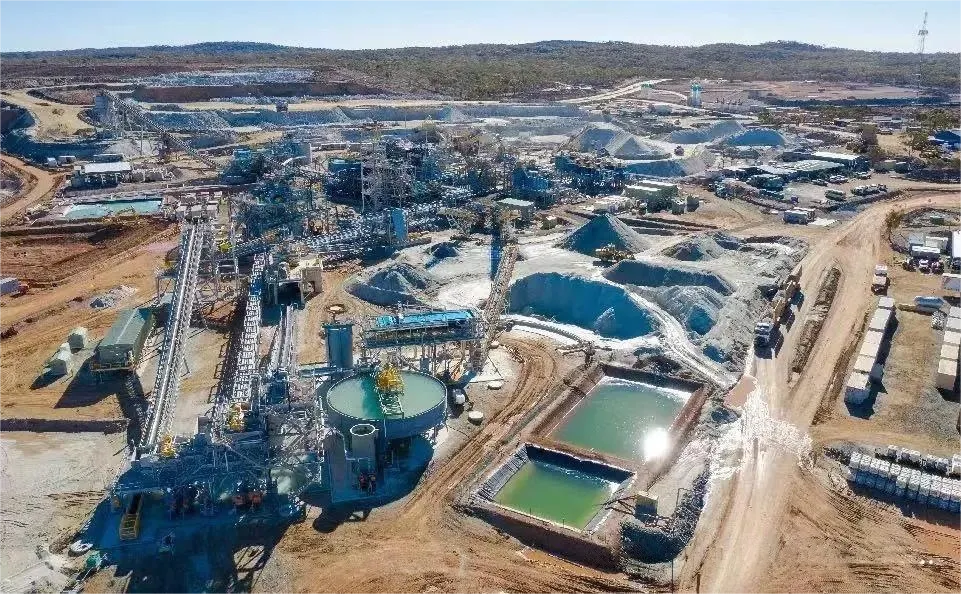
Phosphate ore beneficiation processes are crucial for the utilization of phosphate resources. With the increasing availability of low- and medium-grade phosphate ore, adopting efficient and environmentally friendly beneficiation technologies is essential for improving resource utilization. Our plant is committed to providing customized, full-chain phosphate ore beneficiation services to meet the specific needs of each phosphate ore beneficiation plant, helping clients build efficient, intelligent, and green phosphate ore beneficiation plants and achieve high-quality development in the phosphate industry.