
Silver ore refers to silver concentrated in large quantities as an independent mineral, rarely associated with other metals. For the beneficiation of this type of silver ore, flotation is commonly used . This method utilizes the differences in the surface physicochemical properties of silver minerals and gangue minerals
Silver ore refers to silver concentrated in large quantities as an independent mineral, rarely associated with other metals. For the beneficiation of this type of silver ore, flotation is commonly used . This method utilizes the differences in the surface physicochemical properties of silver minerals and gangue minerals, adding flotation reagents to cause the silver minerals to adhere to air bubbles and float to the surface, thus separating them from the gangue minerals. So, what is the silver ore refining process?
The silver ore refining process is primarily based on the differences in chemical properties between silver and other substances. In its natural state, silver typically exists as silver sulfide, silver chloride, and other forms. Through a series of chemical reactions, these silver-containing compounds can be converted into pure silver.
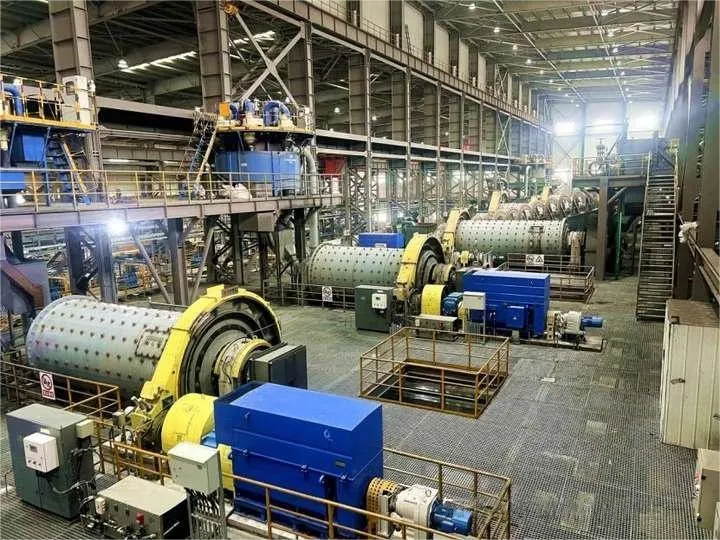
The basic process of silver ore refining follows steps such as crushing, grinding, slurry preparation, flotation, and concentrate dewatering.
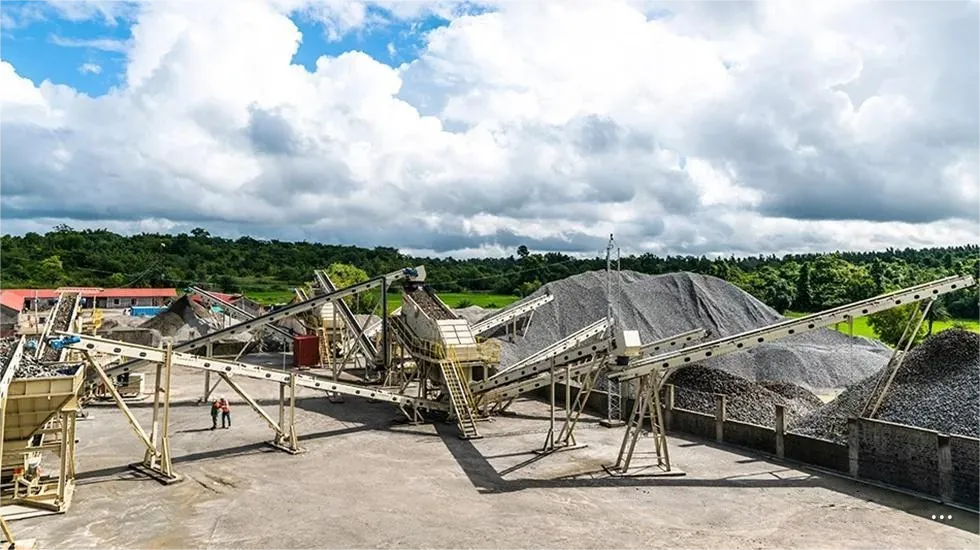
After silver ore is mined, it first enters the crushing stage. Large pieces of raw ore undergo coarse crushing using a jaw crusher. The moving jaw periodically approaches and moves away from the stationary jaw, compressing and splitting the ore, reducing the particle size from a relatively large size (e.g., around 1000mm) to 150-200mm, thus reducing the load on subsequent processing. Next, a cone crusher takes over, further refining the particle size. Driven by an eccentric bushing, the moving cone rotates, and the ore is continuously compressed and bent between the stationary and moving cones, being crushed to 25-40mm, meeting the feed requirements for grinding.
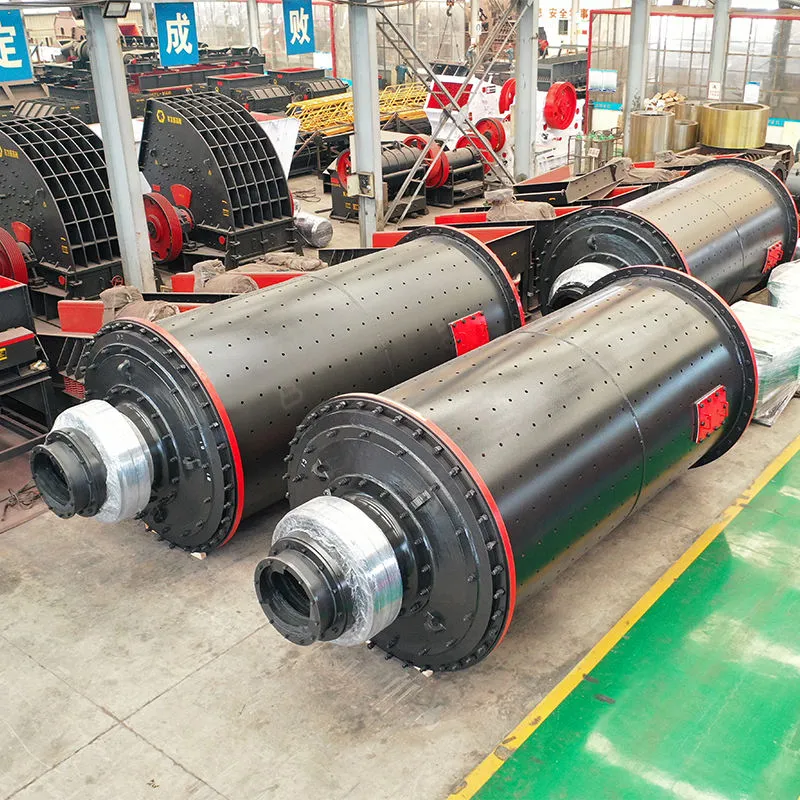
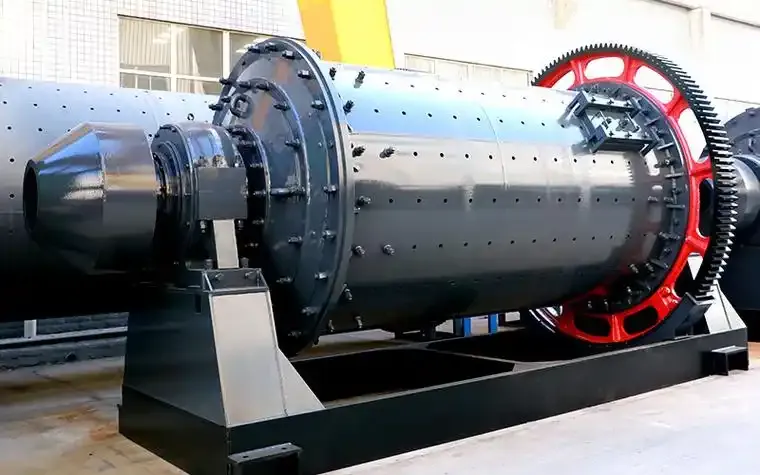
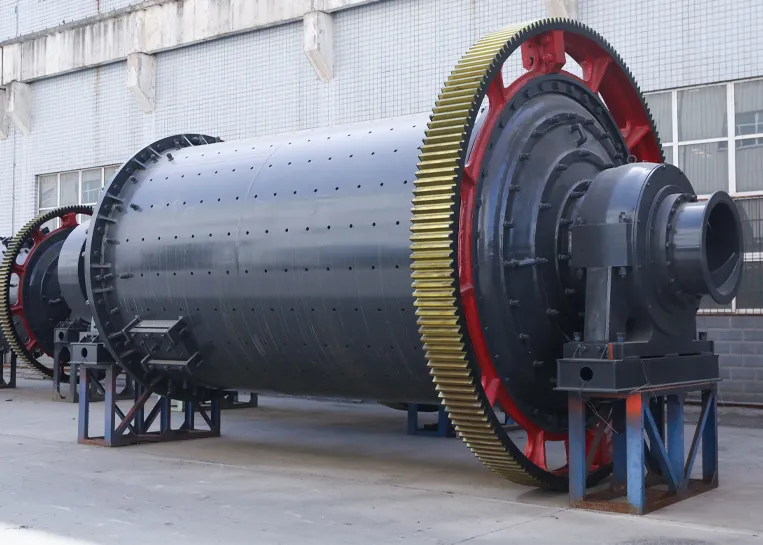
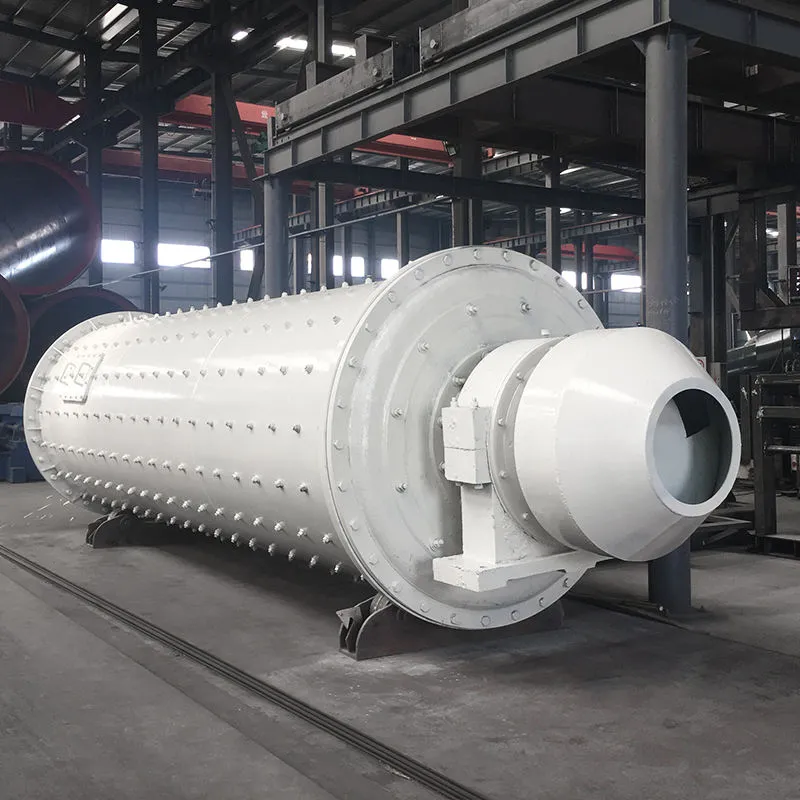
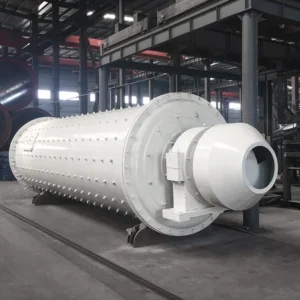
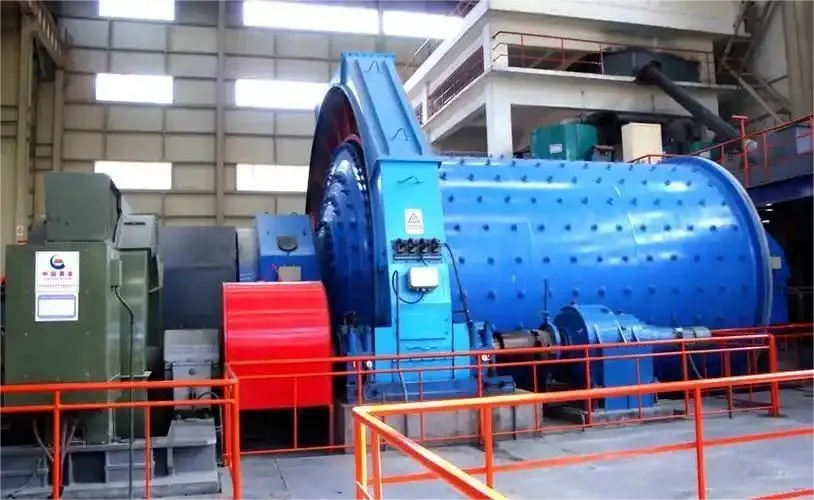
Ball mills have become the primary grinding medium. Steel balls loaded in their horizontally rotating cylinders rise under centrifugal force and friction as the cylinder rotates, then fall freely, violently impacting and grinding the silver ore inside. This process grinds the crushed ore to a density of -0.074mm, with 60%-80% of the particles falling below this size, allowing for thorough dissociation of the silver minerals from the gangue minerals. When processing certain isolated silver ores requiring high particle size uniformity and where the silver minerals are prone to over-grinding, rod mills can play a crucial role. The line contact between the steel rods preferentially breaks down larger particles, preventing over-grinding, better protecting the crystal structure of the silver minerals, and improving the quality of dissociation.
The purpose of pulp conditioning is to adjust the pulp concentration, pH value, and add various flotation reagents to create a pulp environment conducive to the flotation of silver minerals. Depending on the ore properties and flotation process requirements, an appropriate amount of water is added to adjust the pulp concentration to a suitable range, generally around 20%-40%. Simultaneously, lime, sodium carbonate, and other conditioning agents are added to adjust the pH value of the pulp, making it alkaline, which is beneficial for the flotation of silver minerals. In addition, flotation reagents such as collectors and frothers are added. Collectors selectively adsorb onto the surface of silver minerals, making them hydrophobic; commonly used collectors include xanthate and dioxin. Frothing agents generate a large number of stable bubbles in the pulp, carrying hydrophobic silver mineral particles to the surface; common frothers include pine oil and methyl isobutyl alcohol (MIBC).
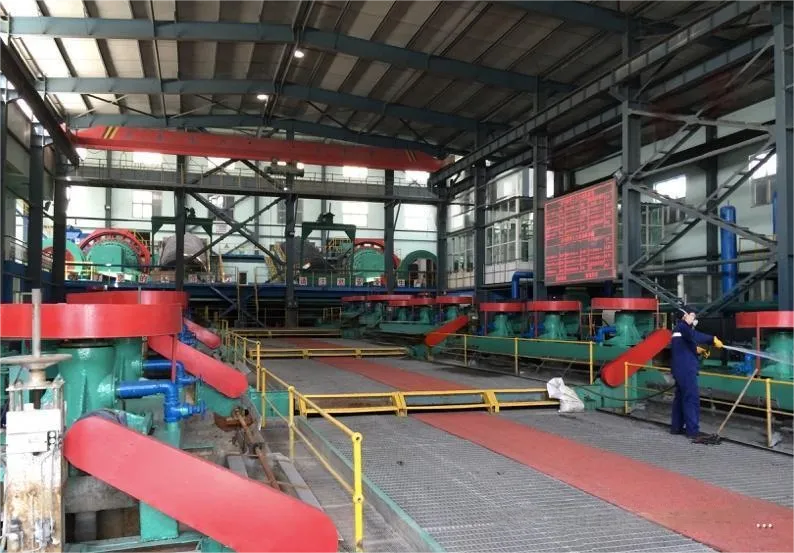
In flotation equipment, through operations such as stirring and aeration, silver mineral particles in the slurry adhere to air bubbles and float to the surface of the slurry, forming a froth layer, thereby separating them from gangue minerals. The process is divided into roughing and cleaning steps.
Roughing: This typically involves feeding the milled and prepared pulp into a flotation machine for agitated flotation. Commonly used flotation equipment includes mechanically agitated flotation machines and aerated flotation machines . In the flotation machine, the pulp is agitated by an impeller, creating intense turbulence. Simultaneously, air is introduced into the pulp through an aeration device, generating numerous tiny bubbles. Silver mineral particles, with their hydrophobic surfaces due to the collector, collide with and adhere to the bubbles, rising to the surface of the pulp to form a frothy layer containing silver minerals. Gangue minerals remain in the pulp, achieving the initial separation of silver minerals from gangue minerals.
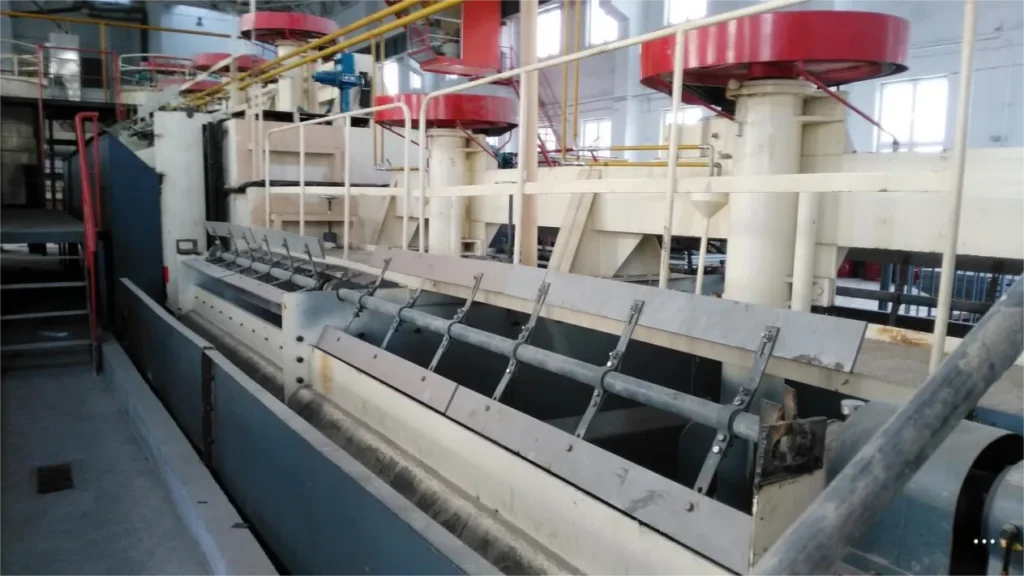
Cleaning: Further processing of the frothy product (rough concentrate) obtained from flotation to improve the grade and quality of the silver concentrate. This process often includes multiple cleaning and scavenging operations. Cleaning involves re-flotating the rough concentrate to further remove gangue minerals and impurities, increasing the silver grade. Scavenging involves re-flotating the flotation tailings to recover any remaining silver minerals, thereby improving the silver recovery rate. Through repeated cleaning and scavenging cycles, a higher-grade silver concentrate and tailings are ultimately obtained.
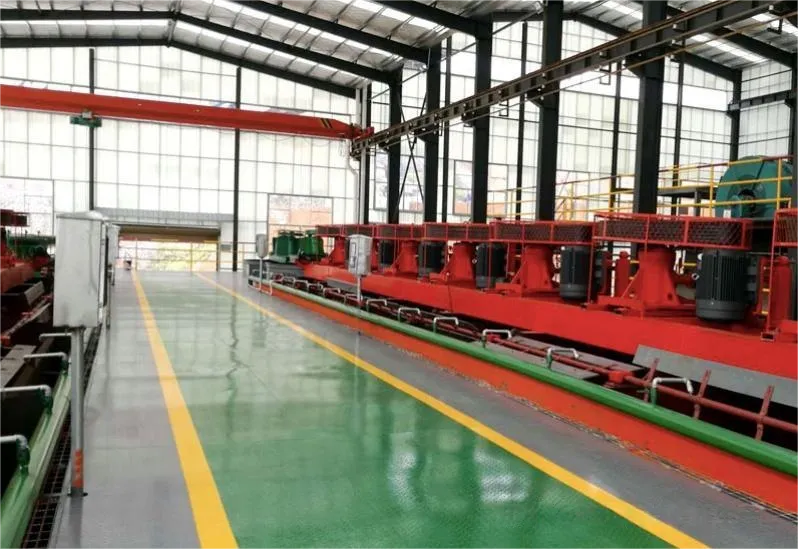
The selected silver concentrate is dehydrated to reduce its moisture content, making it easier to transport, store, and process in subsequent smelting.
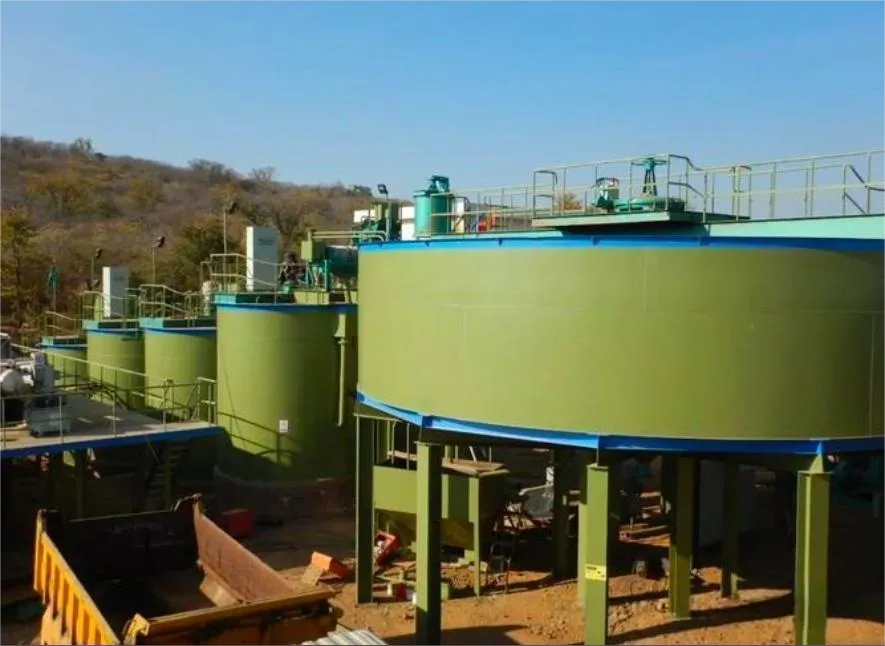
The silver concentrate produced by flotation contains a large amount of water and needs to be dewatered to reduce its moisture content for easier transportation, storage, and subsequent smelting. The process involves initial dewatering in a thickener. In the thickening tank, solid particles settle under gravity, and a slowly rotating rake scrapes the sediment to the central discharge port, increasing the slurry concentration from 10%-30% to 50%-60%. Subsequently, a filter press is used to pressurize the concentrated slurry, forcing the liquid out through the filter cloth, reducing the moisture content of the silver concentrate to 10%-15%, meeting the requirements for transportation and smelting.
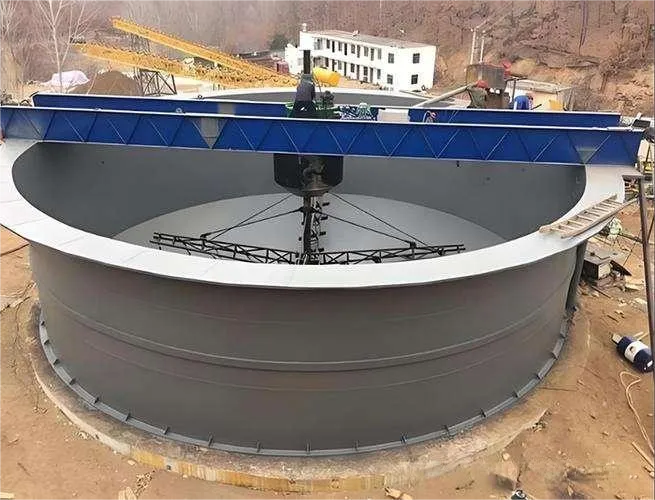
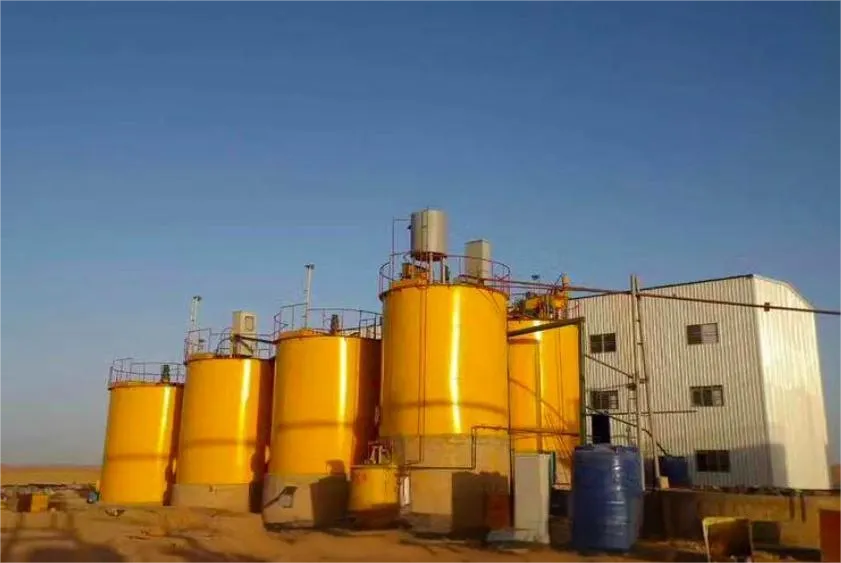
Oxidation: The slurry enters an oxidation tank made of stainless steel or rubber-lined carbon steel, and oxidants such as air, oxygen, or hydrogen peroxide are added. Taking the air oxidation of silver ore containing silver sulfide minerals as an example, under the conditions of 40-60℃ and pH 8-10, oxidation is carried out for 2-4 hours to break the bond between the silver minerals and gangue minerals, thus exposing the silver minerals.
Leaching: The oxidized slurry is transferred to a leaching tank, where leaching agents such as cyanide or thiosulfate are used. For example, in cyanide leaching , the cyanide concentration is controlled at 0.05%-0.2%, the temperature is 20-30℃, and the leaching time is 24-48 hours. The silver minerals react with the leaching agent, and silver ions dissolve into the solution.
Silver recovery: Silver is recovered from the leachate through methods such as displacement and adsorption. For example, when zinc powder is used for displacement, zinc reacts with silver ions in the solution, causing the silver to be reduced and precipitated, thus achieving silver recovery.
The product obtained after rough refining is called a metal ingot. The metal ingot is not pure enough and needs further refining. There are generally two methods of refining: pyrometallurgical and hydrometallurgical. Pyrometallurgical refining involves heating the metal ingot to a high temperature, causing impurities to evaporate. Hydrometallurgical refining involves dissolving the metal ingot in a specific solvent and separating the silver through electrolysis or other methods.
In the silver ore refining process, a variety of factors can affect the final extraction result. These include the silver content of the ore, the particle size of the crushing and grinding process, the choice of leaching solvent, and the conditions of the displacement reaction. To obtain high-quality metallic silver, we need to carefully control these factors.
The above is an introduction to the silver ore refining process. In actual ore beneficiation plants, due to the differences in the properties of silver ore, the process methods used should also be differentiated. The process scheme should not be selected blindly. The appropriate process scheme should be selected according to the specific properties of the silver ore in order to effectively improve the silver recovery rate.