Get the latest price? We will reply as soon as possible (within 12 hours)
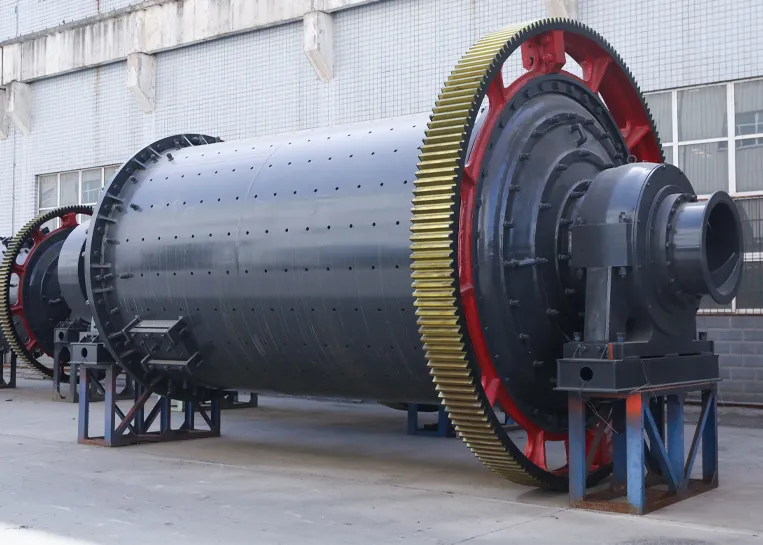
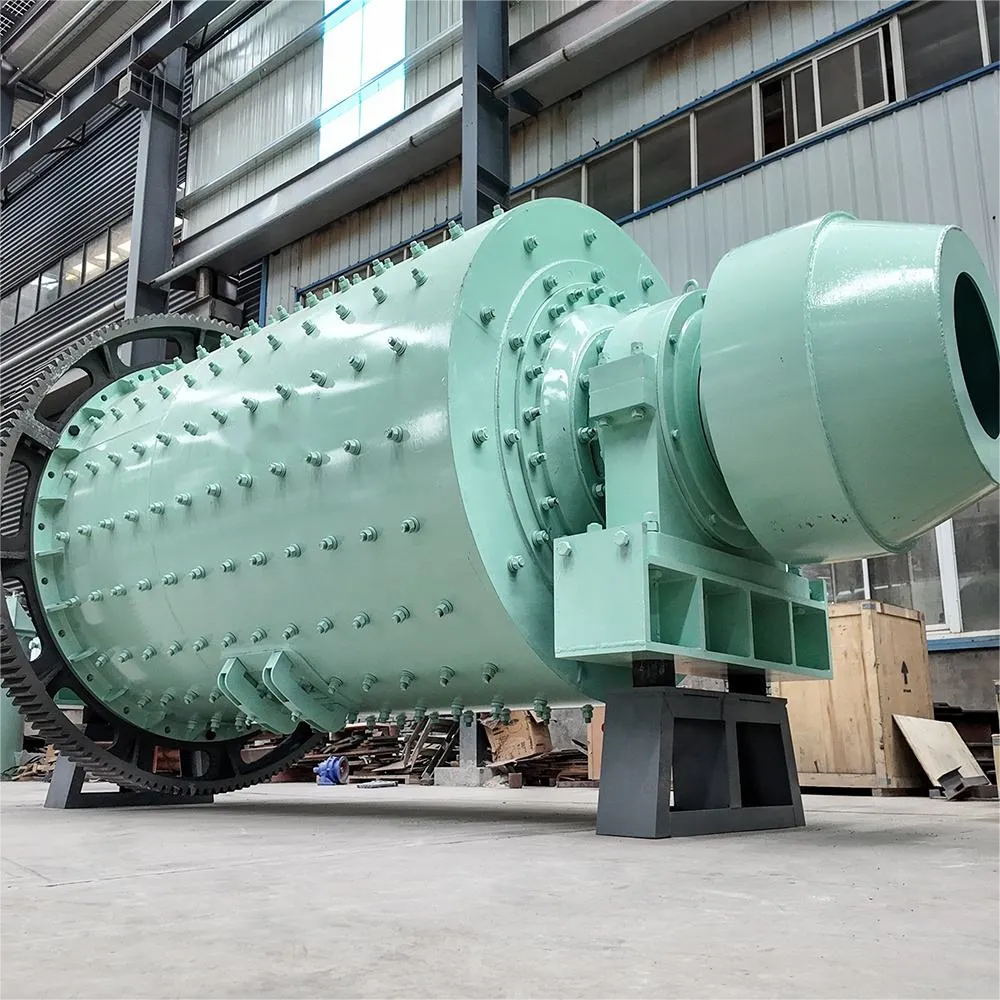
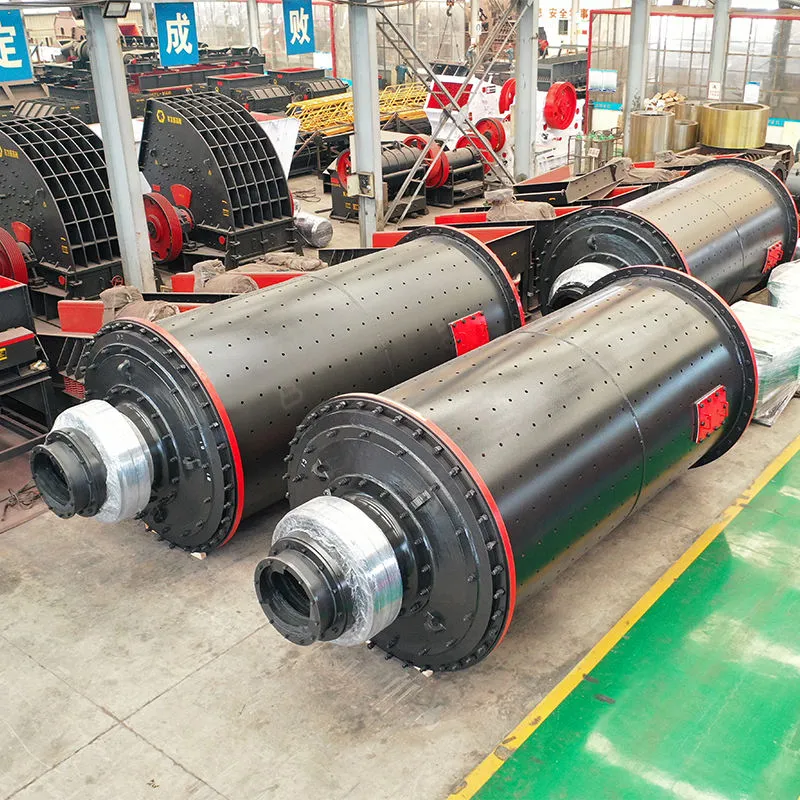
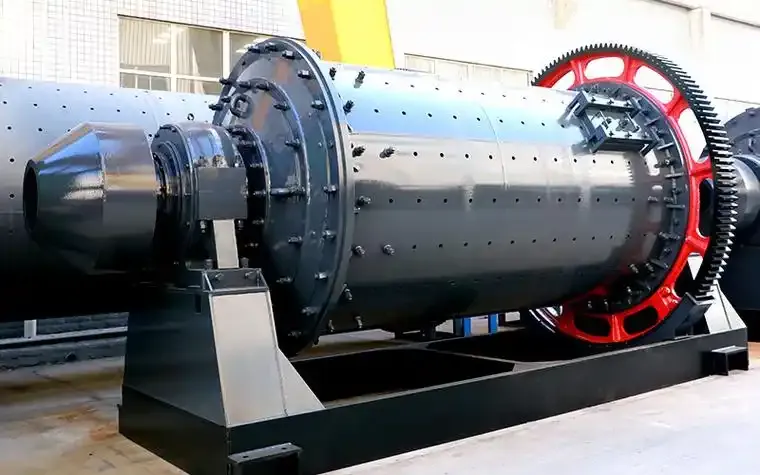
ball mill for sulfide copper ore
Copper sulfide ores, a crucial component of global copper resources, encompass a variety of minerals including chalcopyrite , chalcocite , covellite, and bornite . These ores also contain associated gangue minerals such as quartz , calcite , feldspar , dolomite , sericite , and chlorite .
Copper sulfide ores, a crucial component of global copper resources, encompass a variety of minerals including chalcopyrite , chalcocite , covellite, and bornite . These ores also contain associated gangue minerals such as quartz , calcite , feldspar , dolomite , sericite , and chlorite . The efficient development and utilization of these copper sulfide resources is vital for the stable supply of copper globally and in China. Among numerous mineral processing technologies, the copper sulfide flotation process is widely used for the enrichment and separation of sulfide ores due to its excellent utilization of low-grade minerals. It is worth noting that, based on differences in ore characteristics, copper sulfide ores can be further subdivided into monometallic copper sulfide ores and polymetallic copper sulfide ores. Because of the complex composition and structure of these minerals, different types of copper sulfide ores require different flotation processes.
Characteristics of copper sulfide ore resources and basic flotation theory
1.1 Mineralogical characteristics of copper sulfide ores
Copper sulfide ores are ore aggregates with copper sulfides as the main component, and their mineral composition directly affects the flotation process design.
Bornite (Cu₅FeS₄) : Isometric crystal system, surface is easily oxidized to form an iron hydroxide film.
Chalcocite (Cu₂S) : Contains up to 79.8% copper and has the best natural floatability.
Copper Stain (CuS) : Layered structure with strong hydrophobicity on cleavage surfaces.
1.1.2 Typical Associated Minerals
Mineral types
Common minerals
Interference characteristics
sulfides
Pyrite (FeS₂), Sphalerite (ZnS)
The consumption of collectors requires selective inhibition.
oxides
Hematite (Fe₂O₃), goethite
Easily becomes muddy, worsening the flotation environment
vein stones
Quartz (SiO₂), Calcite (CaCO₃)
Effective separation is necessary to affect concentrate grade.
1.2 Theoretical Basis of Flotation Separation
1.2.1 Regulation of mineral surface wettability
Contact angle theory : The contact angle can be greater than 90° through collector adsorption (the ideal contact angle of chalcopyrite can reach 120°).
Surface potential regulation : When the pH is adjusted to 9-11 with lime, a Fe(OH)₃ hydrophilic film forms on the pyrite surface.
1.2.2 Role of the three-phase slurry system
Solid-liquid interface : Adsorption kinetics of reagents on mineral surfaces (xanthate adsorption rate on chalcopyrite is 5 times faster than on pyrite).
Gas-liquid interface : Relationship between bubble size control (optimal diameter 0.8-1.2 mm) and mineralization efficiency
Solid-gas interface : Collision probability model between mineral particles and bubbles (Stokes number must be > 0.1)
1.2.3 Advances in Modern Flotation Theory
Quantum chemical calculations : Predicting interaction sites between drug molecules and mineral surfaces
Atomic force microscopy observations reveal the adsorption morphology of collector molecules at the nanoscale.
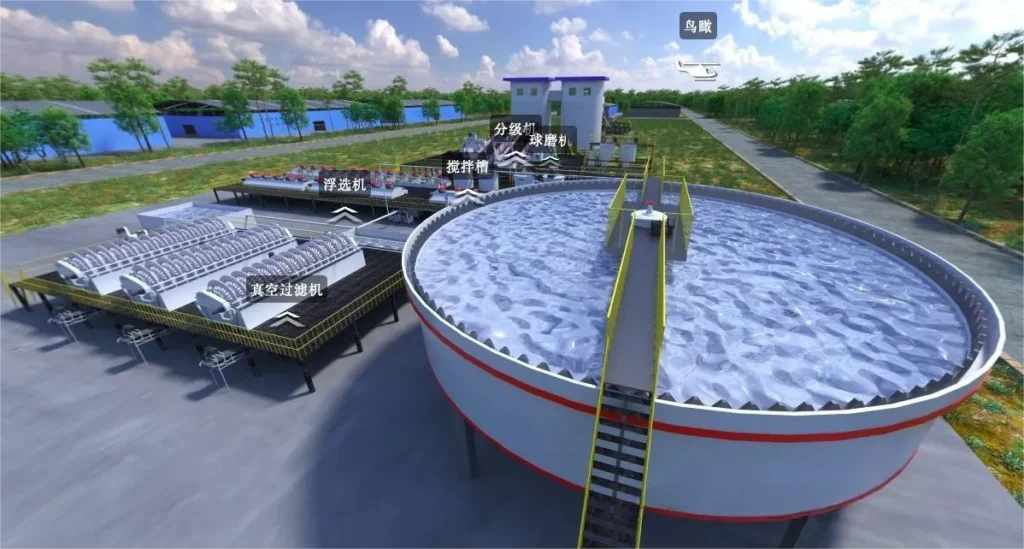
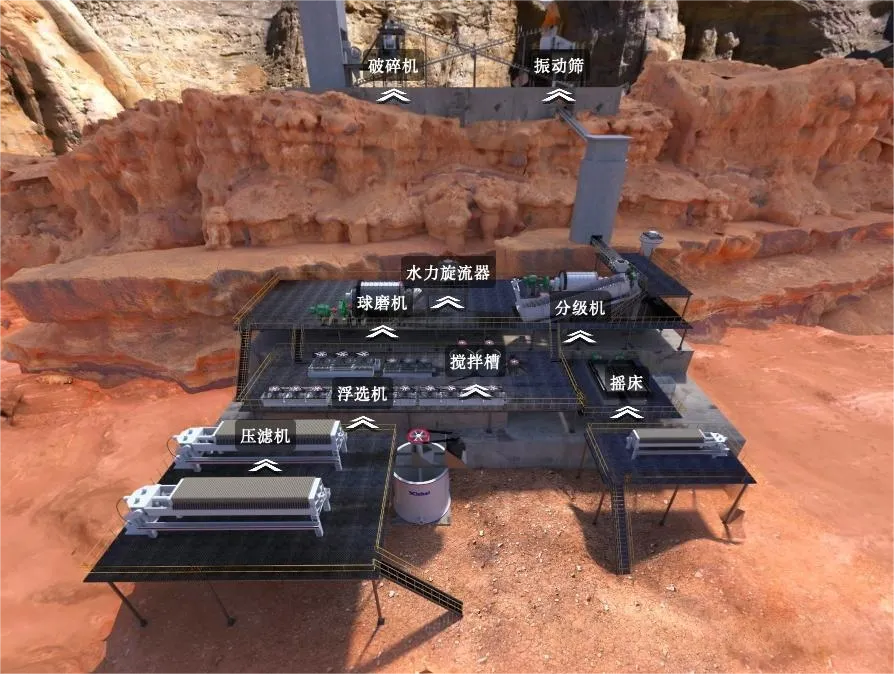
Classification of flotation processes for copper sulfide ore:
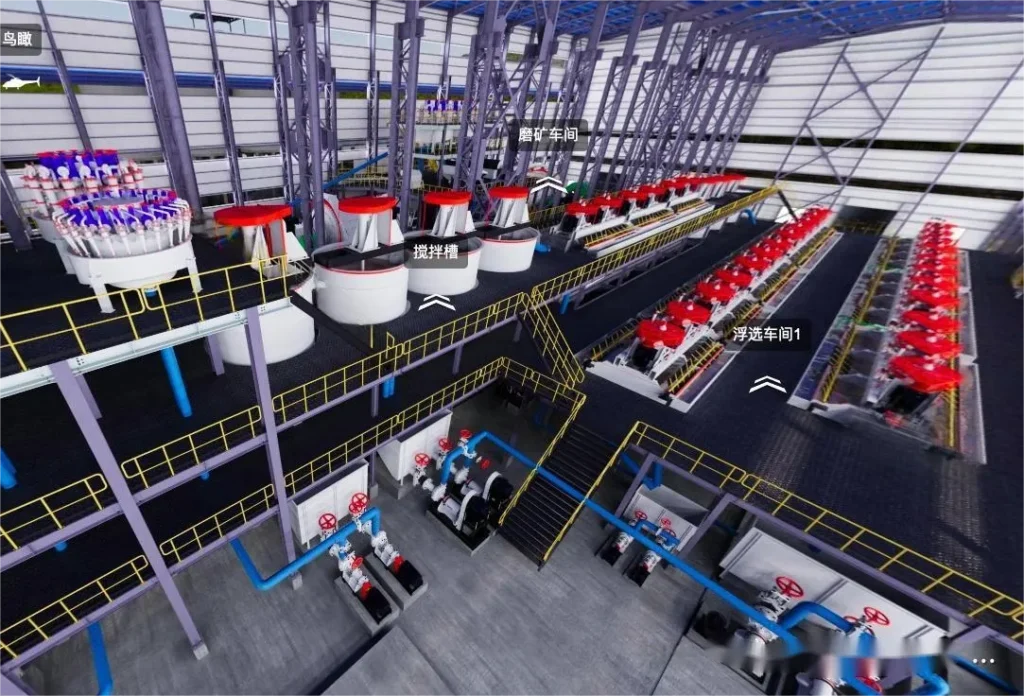
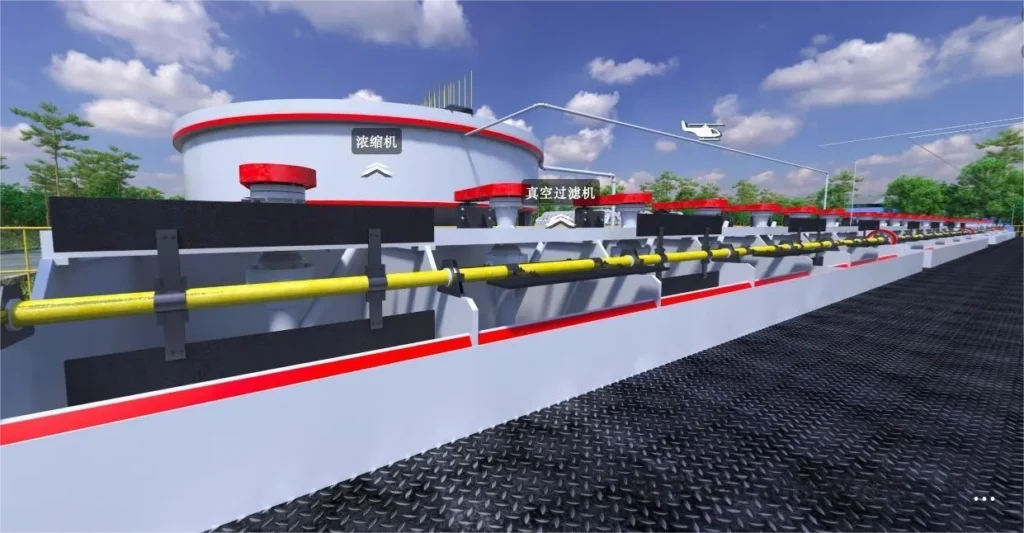
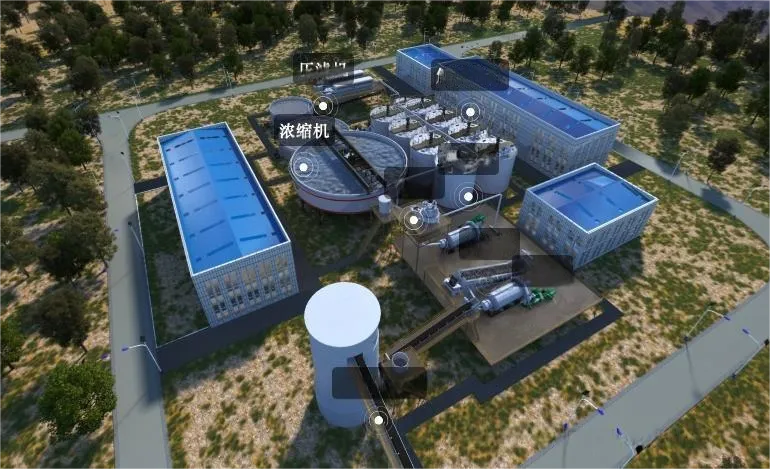
The flotation process for copper sulfide ore mainly includes single copper sulfide flotation and polymetallic copper sulfide flotation. Different ore types and mineral compositions determine different flotation process flows.
1. Flotation process flow for single copper sulfide ore
The mineral composition of single copper sulfide ores is relatively simple, mainly consisting of chalcopyrite, chalcocite, bornite, and minor amounts of copper oxide minerals. Due to the significant differences in floatability between copper minerals and gangue minerals, flotation is typically used for separation. Common process flows include single-stage grinding-flotation and single-stage grinding-flotation-re-grinding of rougher concentrate.
A single-stage grinding-flotation process is suitable for ores with coarse and uniform copper mineral inclusions. Good flotation parameters can be obtained through roughing, scavenging, and one to three cleaning stages. This process is simple and has low beneficiation costs.
A single-stage grinding-flotation-re-grinding process is suitable for processing single sulfide ores or copper-molybdenum ores from porphyry copper deposits. This process, through regrinding and multiple cleaning steps, can produce high-quality copper concentrate and is suitable for concentrators with low-grade ore and high throughput.
2. Flotation process flow for polymetallic sulfide copper ore
Polymetallic copper sulfide ores not only contain a variety of copper minerals, but also often coexist with minerals such as pyrite, galena, and sphalerite, resulting in a complex mineral composition. Common flotation processes for this type of ore include stepwise preferential flotation, multi-stage flotation, and mixed concentrate separation.
The stepwise priority flotation process is suitable for relatively complex sulfide copper ores. It first roughens the copper minerals that are easy to float, and then re-grinds and middlings the copper minerals that are difficult to float, and then combines them to recover copper concentrate, thereby ensuring grade and recovery rate.
Multi-stage flotation process is mainly used for copper sulfide minerals containing iron sulfide. Through multi-stage roughing, multi-stage cleaning and scavenging closed-circuit flotation process, good recovery effect can be obtained. However, the effect is not ideal for copper sulfide ores with more complex composition.
The mixed concentrate separation process is suitable for low-grade copper sulfide ores with complex associations with chalcopyrite, sphalerite, and galena. Through coarse grinding and rough beneficiation, a large amount of gangue minerals are discarded to obtain a mixed copper-lead-zinc concentrate, which is then further separated to obtain a single copper mineral.
Typical flotation process design for copper sulfide ore:
Flotation Process of Copper Sulfide Ore in Dexing, China
Innovative Practice : Asynchronous Flotation + Flotation Column Refinement
Results: Annual savings of 12 million yuan in reagent costs; tailings grade reduced to 0.12%.
2. Economic Analysis of Flotation Process for Copper Sulfide Ore
project
Traditional crafts
Optimize process
Cost per ton of ore
85 yuan
73 yuan
Concentrate grade
25%
28%
Recovery rate
88%
91.5%
IRR
18.7%
24.3%
Modern copper sulfide ore flotation processes have formed a technical system of “multiple crushing and less grinding – staged separation – precision reagents – intelligent control”. Future development will focus on:
High-efficiency separation technology for complex resources
Low-carbon and energy-saving equipment upgrade
Full-process digital management and control
Environmentally friendly process innovation
Through continuous optimization of the sulfide copper ore flotation process, the copper recovery rate can be increased to over 93%, and the copper grade in the tailings can be reduced to below 0.08%, thereby maximizing resource benefits.