
High-sulfide gold ores contain a high proportion of sulfide minerals such as pyrite and arsenopyrite , with relatively low gold grades and fine-grained native gold particles, usually tightly encapsulated by pyrite and other sulfide minerals.
High-sulfide gold ores contain a high proportion of sulfide minerals such as pyrite and arsenopyrite , with relatively low gold grades and fine-grained native gold particles, usually tightly encapsulated by pyrite and other sulfide minerals. These ores are characterized by a close symbiotic relationship between gold and sulfides, resulting in low gold recovery rates in direct leaching processes, while also in high consumption and production costs of gold leaching agents. Therefore, direct cyanide leaching is not recommended for high-sulfide gold ores.
Flotation is a common mineral processing method for gold-bearing sulfide ores, widely used in gold mines. It concentrates gold in copper, lead, sulfur, and other concentrates, from which gold is then extracted. This not only allows for the comprehensive utilization of multiple metals but also improves gold recovery rates. For gold ores containing non-ferrous metals, flotation is an economically viable method for beneficiating sulfide gold ores. To improve return on investment, combined flotation with other processes can sometimes achieve even more substantial results, depending on the specific properties of the ores.
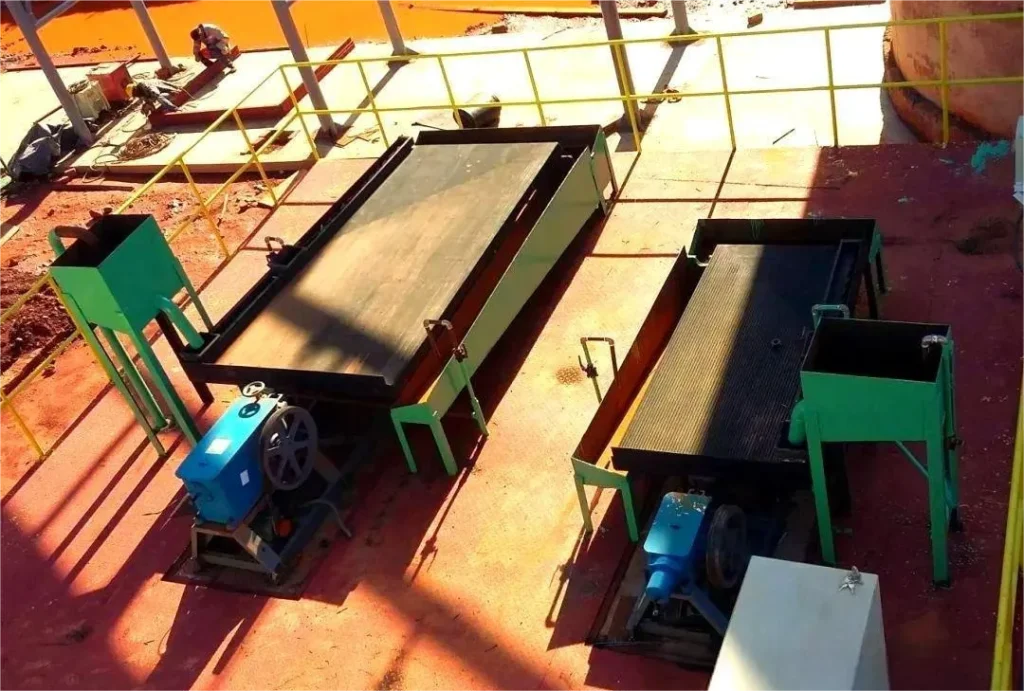
Gravity-flotation is suitable for ores where gold and sulfides are closely associated and gold can only be recovered by smelting. It is also suitable for gold-bearing quartz vein ores with coarse, unevenly distributed grains. The raw ore is floated to obtain flotation concentrate. However, flotation tailings often contain sulfides associated with gangue, and the coarse-grained native gold encased in these sulfides is difficult to recover by flotation. To effectively recover this gold, gravity separation equipment is used to recover the coarse-grained gold first, thereby improving the gold recovery rate of the entire beneficiation process. Commonly used gravity separation equipment includes jigs, shaking tables, and spiral sluices.
The flotation-concentrate cyanidation process is commonly used to process gold deposits in gold-bearing quartz veins and gold-bearing pyrite-quartz veins. Typically, xanthates are used as collectors, and pine oil as a frother. Flotation is carried out in a weakly alkaline pulp to obtain a gold concentrate. Subsequently, the flotation concentrate is subjected to cyanidation leaching, where the gold is dissolved by the cyanide. The complex enters the solution, and zinc powder is used to replace the cyanide to obtain gold mud, which is then smelted using pyrometallurgy to obtain pure gold. This process not only reduces the need for fine grinding of the entire ore, lowering power consumption and infrastructure investment, but also improves the gold recovery rate.
For processing complex ores such as refractory gold-arsenic ores, gold-zinc ores, and gold-pyrite with particularly high sulfide content, the flotation-roasting-cyanidation process is an effective integrated treatment method. When processing flotation concentrates with high arsenic and sulfur content, the cyanidation tailings often result in the enrichment of impurities such as sulfur, iron, and arsenic after flotation, forming high-sulfur, high-arsenic concentrates that are difficult to directly cyanidate. Therefore, oxidative roasting is first performed on these flotation gold concentrates, which not only effectively removes arsenic and sulfur but also loosens the roasted sand structure, thus facilitating further leaching of gold and silver.
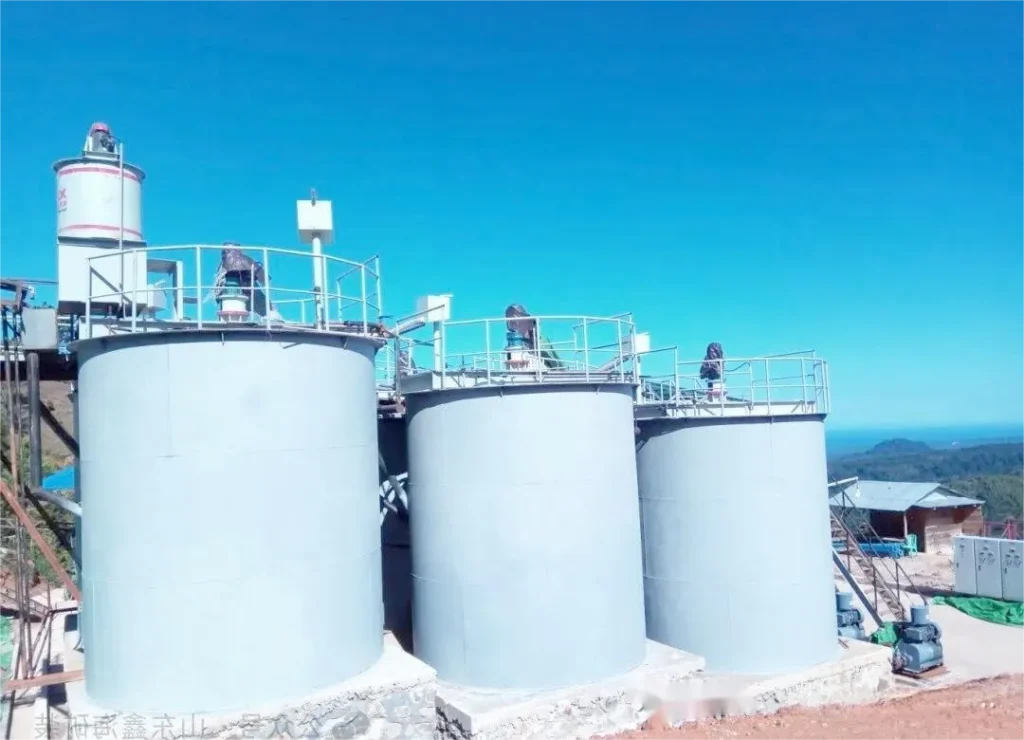
The flotation-concentrate thiourea leaching method is well-suited for processing vein gold ores rich in arsenic, sulfur, or carbonaceous clay. This process first uses flotation to enrich gold-bearing sulfides into a concentrate, followed by thiourea leaching. Thiourea acidic solutions have a rapid dissolving effect on gold and silver, while thiourea also exhibits low toxicity and is easily regenerated. Thiourea leaching is unaffected by mineral components such as antimony, arsenic, copper, and sulfur, which often interfere with cyanide gold extraction. Therefore, the thiourea leaching process can effectively extract gold and silver from gold-bearing ores that are difficult to process using cyanide methods. Compared to cyanide leaching, thiourea leaching requires significantly less time, thus improving gold extraction efficiency.
The beneficiation process for sulfide gold ore mainly includes the following steps:
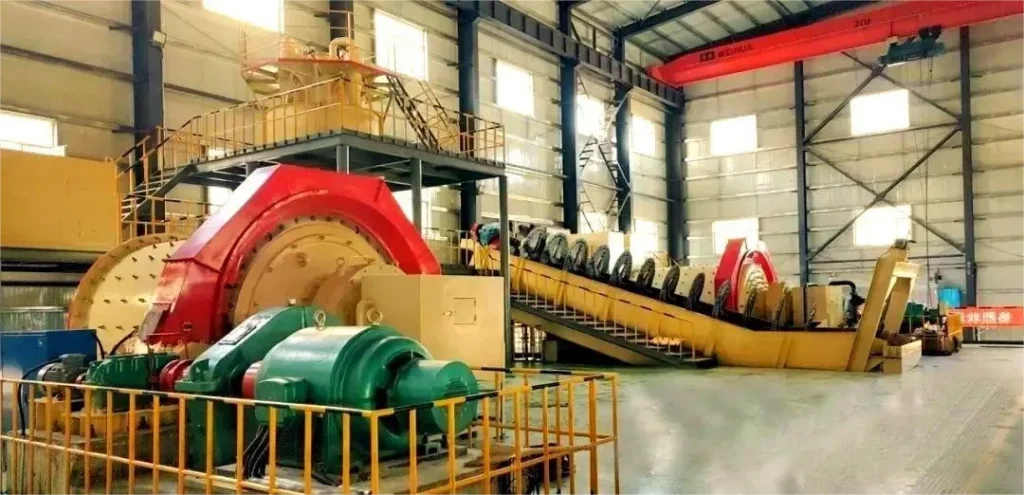
1. Crushing and Grinding: First, sulfide gold ore needs to undergo crushing and grinding to achieve the liberation of minerals within the ore. The grinding fineness needs to be determined according to the requirements of subsequent beneficiation processes; excessive fineness will lead to the formation of slime, affecting the beneficiation effect.
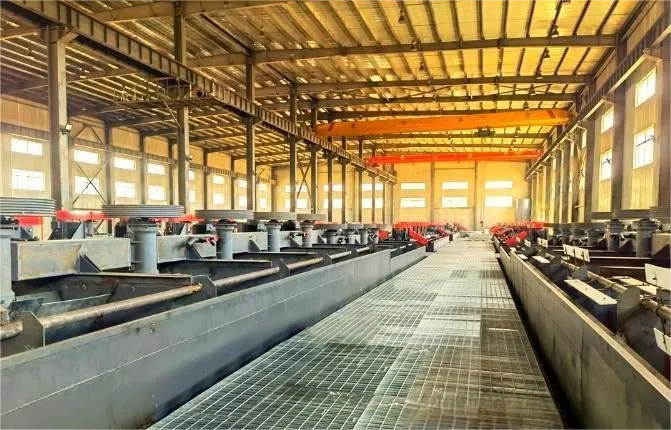
2. Flotation: The flotation process separates gold minerals from gangue minerals to obtain gold concentrate. Flotation utilizes the differences in the physicochemical properties of mineral surfaces. By adding flotation reagents, the target minerals selectively adhere to air bubbles, thus achieving mineral separation.
3. Gravity Separation: Coarse-grained sulfides and gangue intergrowths and coarse-grained native gold in flotation tailings are difficult to recover by flotation. In this case, gravity separation is required to recover some of the gold. Gravity separation equipment mainly includes jigs, shaking tables, and spiral sluices. Jigs are suitable for minerals with a particle size of 30(20)~0.5mm, shaking tables are suitable for the separation of finer-grained minerals, and spiral sluices are suitable for gold ores with a particle size of 0.3~0.03mm.
4. Dewatering: Finally, the gold concentrate needs to be further processed by cyanidation to extract gold. The dewatering process includes two parts: concentrate dewatering and tailings dewatering. Commonly used dewatering equipment includes thickeners, filter presses, and hydrocyclones.
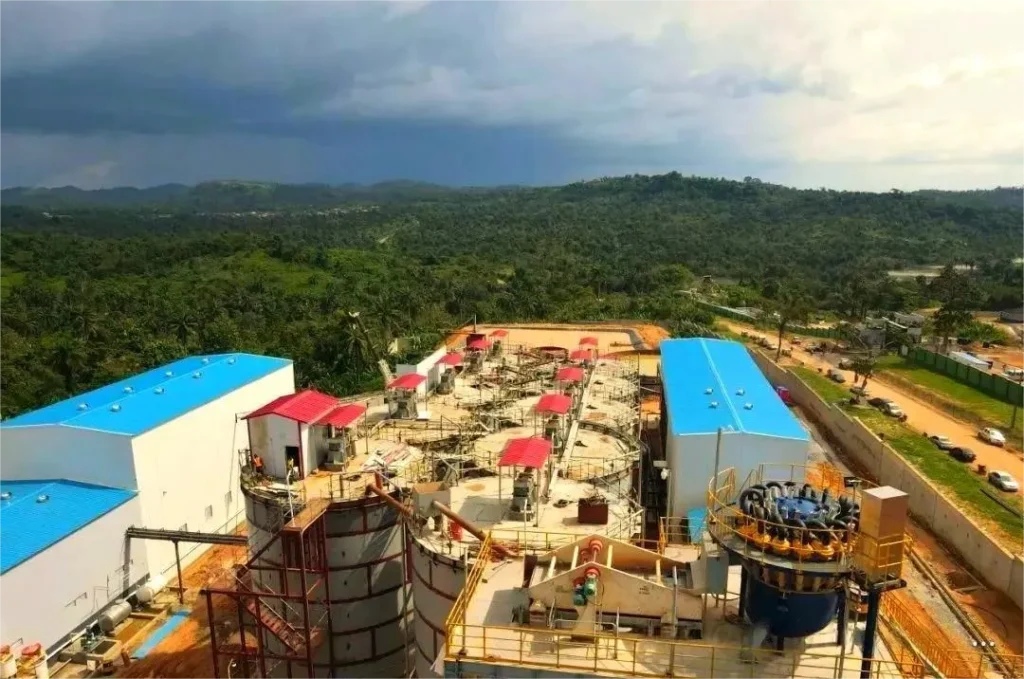
Objective: To crush the raw ore (particle size 300-1000mm) to the grinding feed particle size (usually ≤30mm).
Equipment selection:
Coarse crushing: Jaw crusher (processing capacity 200-1500t/h, output particle size 100-150mm).
Medium and fine crushing: cone crusher (layer crushing, output particle size 10-30mm) or high-pressure roller mill (energy saving 20-30%).
Key parameters: crushing ratio (3-5), circulating load (≤15%).
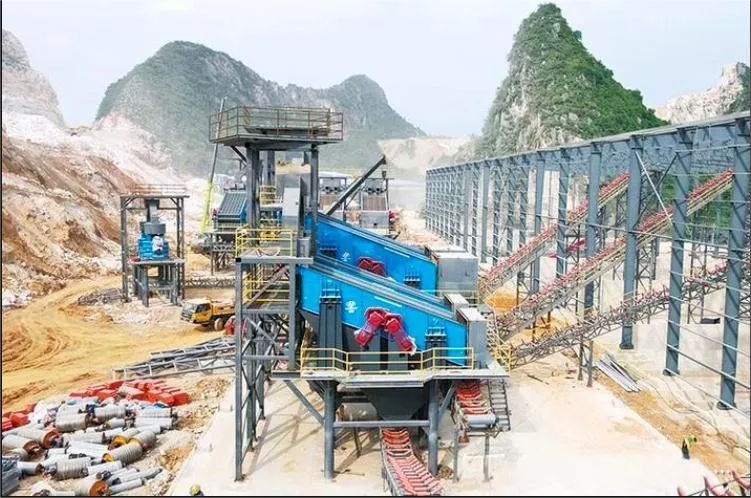
Objective: To achieve monomeric dissociation of sulfide minerals and gold, and to control over-grinding.
Equipment selection:
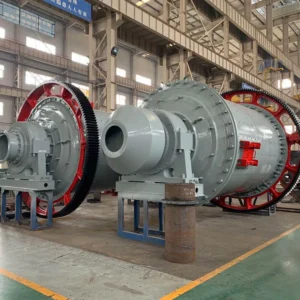
First stage of grinding: rod mill (suitable for coarse grinding, avoids mud formation, particle size 0.3-1mm).
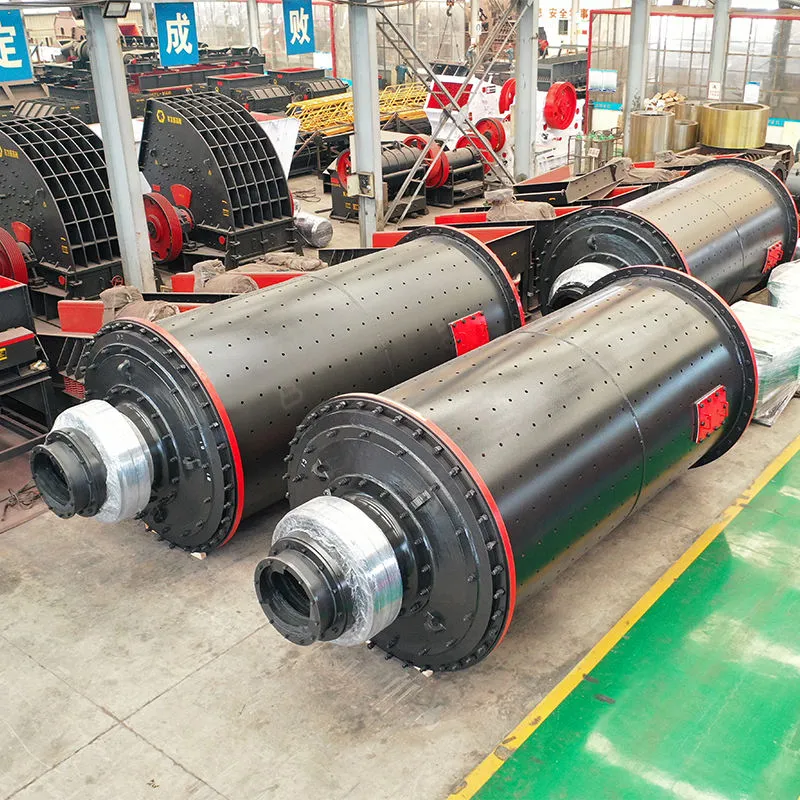
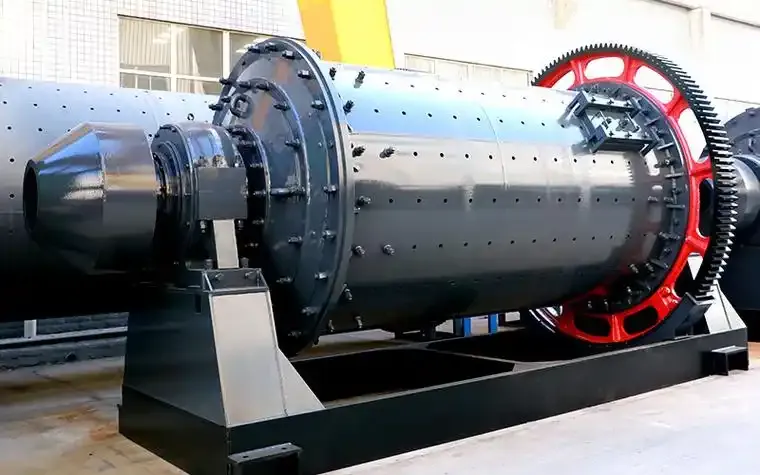
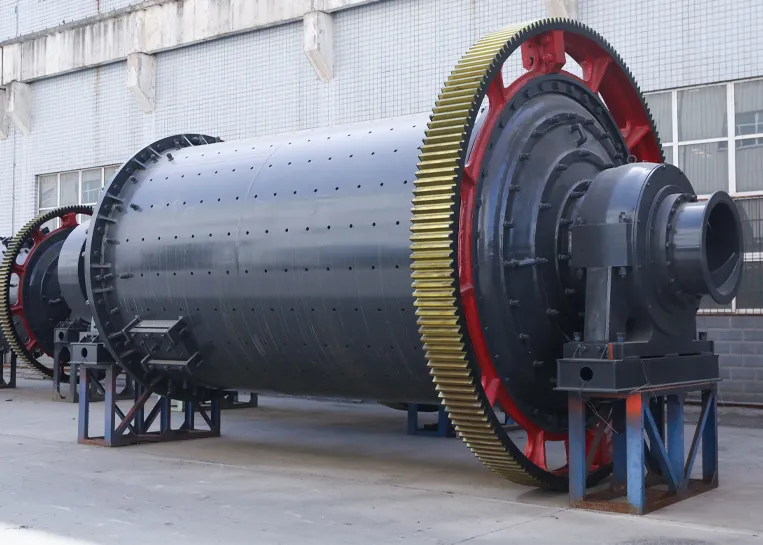
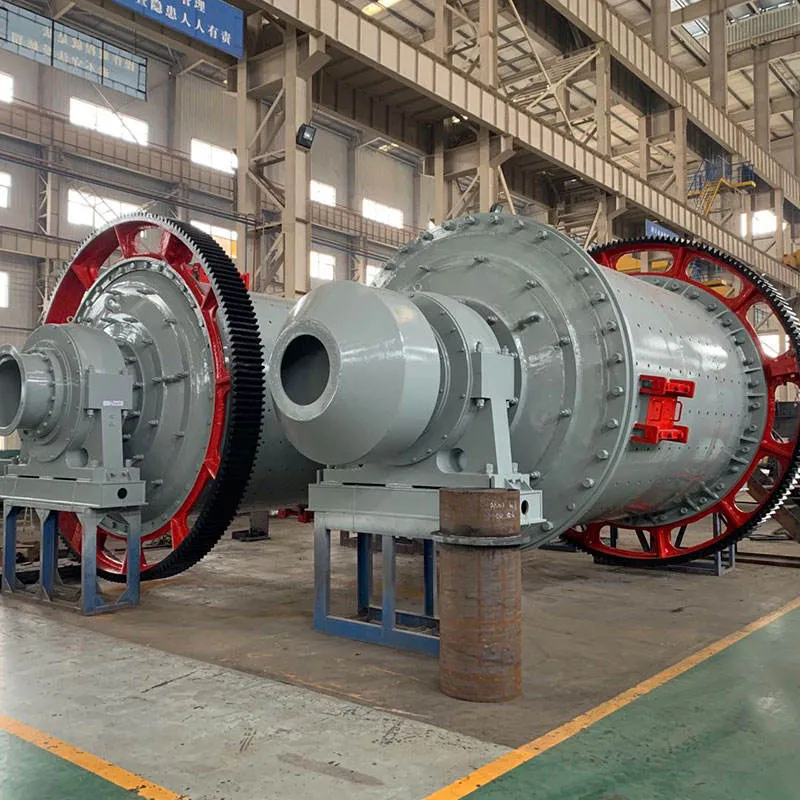
Two-stage grinding: ball mill + hydrocyclone closed circuit (particle size -200 mesh accounts for 60-90%).
Energy consumption optimization: Using grinding aids (such as triethanolamine) can reduce energy consumption by 10-15%.
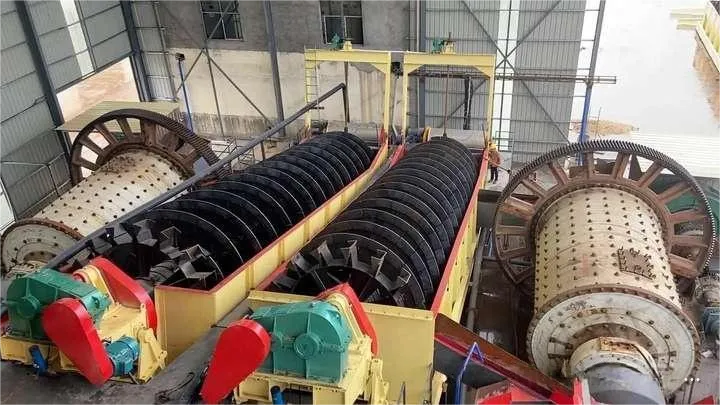
Gravity separation separates ores based on differences in mineral density. Under the influence of gravity, mineral particles of different densities stratify in a medium, thus separating gold. For sulfide gold ores, gravity separation equipment mainly includes jigs, shaking tables, and spiral sluices. Jigs are suitable for processing ores with a wide particle size range, using periodic water flow pulsations to stratify minerals according to density. Shaking tables, through shaking and water flow, cause minerals to stratify on the table surface and move in different directions, achieving the purpose of separation.
Equipment and processes:
Jig: Processing particle size 2-30mm, recovery rate 60-80%.
Shaking table: Separates particles of 0.02-2mm, yielding gold concentrate with a grade of 200-500g/t.
Case Study: A gold mine in South Africa used Knelson centrifugal concentrators for pre-selection, resulting in a 15% waste rate and an 8% increase in gold recovery.
Principle: Separation is achieved by utilizing the difference in X-ray absorption rates between sulfide minerals and gangue.
Efficiency: Scrap rate 20-40%, gold loss rate <5%.
Application: The Telfer gold mine in Australia uses the STEINERT XRT separator with a processing capacity of 150t/h.
| Drug type | Representative drugs | Mechanism of action | Dosage (g/t) |
| Adjuster | Lime (CaO) | Adjust the pH to 9-11 to inhibit pyrite. | 1000-3000 |
| Inhibitors | Sodium sulfide (Na₂S) | Suppressing styrax and reducing arsenic pollution | 200-500 |
| Collector | Butyl xanthate | Selective adsorption on sulfide mineral surfaces | 50-150 |
| foaming agent | MIBC | Stabilize the foam layer and improve selectivity | 10-30 |
Preferred flotation: When copper-bearing minerals are present, float copper first (pH=8-9, collector Z-200), then float gold-bearing sulfides.
Mixed flotation: After the sulfides are floated as a whole, the concentrate is regrinded and then re-flotated.
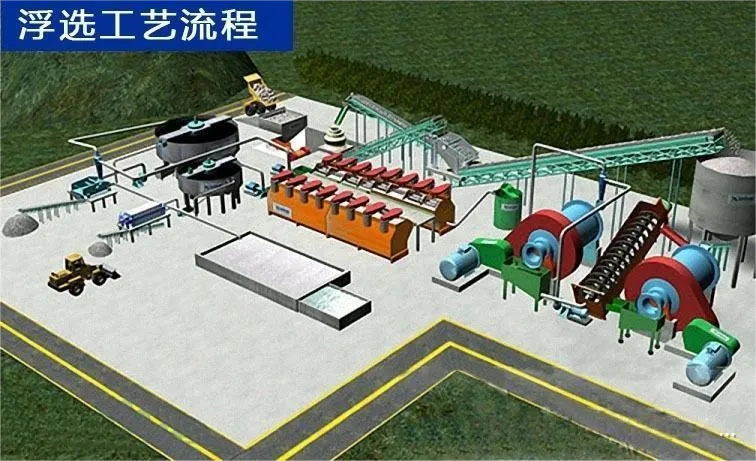
Typical flotation circuit:
Raw ore → Roughing (rapid recovery of sulfide minerals) → Scavenging (3-4 times) → Cleaning (2-3 times)
Specifications: Gold grade of sulfur concentrate is 5-30 g/t, and recovery rate is 85-95%.
Applicable conditions: gold exposure >80%, low sulfide content (S<5%).
Process parameters:
Sodium cyanide concentration 0.03-0.1%, leaching time 24-48h.
Gold leaching rate: 70-90%.
Calcination and oxidation:
Two-stage roasting: first stage desulfurization (600-650℃), second stage arsenic removal (700-750℃).
Disadvantages: It generates SO₂ and As₂O₃ waste gases, requiring a scrubbing tower.
Biological oxidation :
Bacterial strain: Acidithiobacillus ferrooxidans.
Conditions: pH=1.5-2.0, temperature 40-45℃, oxidation cycle 5-7 days.
Case study: The Obuasi gold mine bio-oxidation plant in Ghana increased gold leaching rate from 40% to 92%.
Stress oxidation:
High-pressure reactor conditions: temperature 200-230℃, pressure 2-3MPa, residence time 1-2h.
Advantages: Arsenic solidification rate >99%, suitable for high arsenic sulfur concentrate.
Re-selection: Nielsen centrifuges recover fine gold particles (-0.074mm) with a recovery rate of 10-20%.
Heap leaching: suitable for low-grade tailings (Au>0.3g/t), with a leaching cycle of 60-90 days.
CIL (Carbon Immersion): Activated carbon adsorbs gold cyanide complexes, with a recovery rate of 50-70%.
Neutralization and precipitation: Add lime milk (pH>10) to precipitate arsenic and heavy metals.
Solidification and stabilization: Cement + tailings (ratio 1:4) solidifies arsenic slag, with a permeability of <1×10⁻⁷cm/s.
Sulfur recovery: SO₂ flue gas is used to produce sulfuric acid with a utilization rate of >95%.
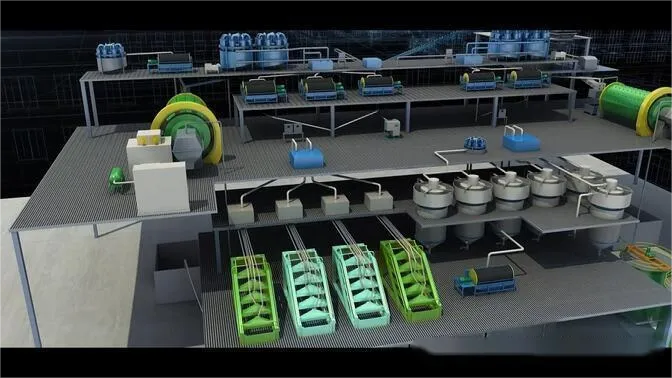
Gold ores come in many varieties, and therefore the applicable beneficiation methods and processes vary accordingly. Thus, before selecting a gold ore beneficiation method and process, it is essential to conduct beneficiation experiments and analyses on the ore. Based on scientifically sound test reports, a suitable gold ore beneficiation process can be customized. This approach not only improves gold extraction efficiency but also reduces production costs, achieving economical and environmentally friendly mining, thereby reaching an ideal recovery rate.