
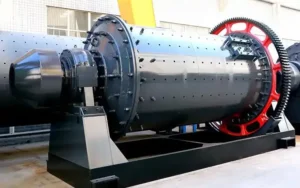
The tantalum-niobium ore beneficiation process refers to the process of crushing and grinding the ore according to the physical and chemical properties of different minerals in the tantalum-niobium ore, and then using gravity separation, flotation, magnetic separation , electrostatic separation and other methods to separate the tantalum-niobium ore from the gangue minerals
The tantalum-niobium ore beneficiation process refers to the process of crushing and grinding the ore according to the physical and chemical properties of different minerals in the tantalum-niobium ore, and then using gravity separation, flotation, magnetic separation , electrostatic separation and other methods to separate the tantalum-niobium ore from the gangue minerals, and to separate the various symbiotic useful minerals as much as possible, and to remove or reduce harmful impurities, so as to obtain the raw materials required for smelting or other industries.
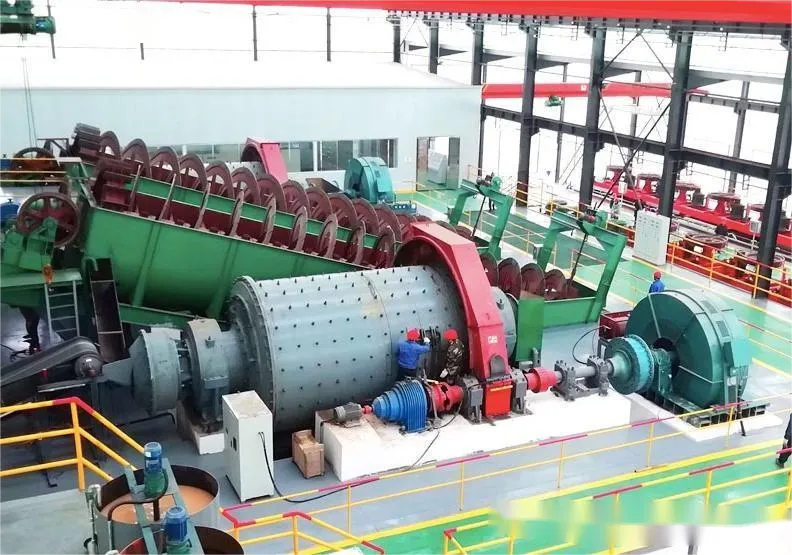
The tantalum-niobium ore beneficiation process mainly includes crushing, washing, screening, grinding, gravity separation, magnetic separation , flotation, and electrostatic separation.
1. Tantalum-Niobium Ore Beneficiation Process – Tantalum-Niobium Ore Crushing Process: This process involves crushing ore blocks mined from the mine with a particle size of 500-1500mm into particles with a particle size of 5-25mm. Methods include compression crushing, impact crushing, and splitting, and it is generally carried out in three stages: coarse crushing, medium crushing, and fine crushing.
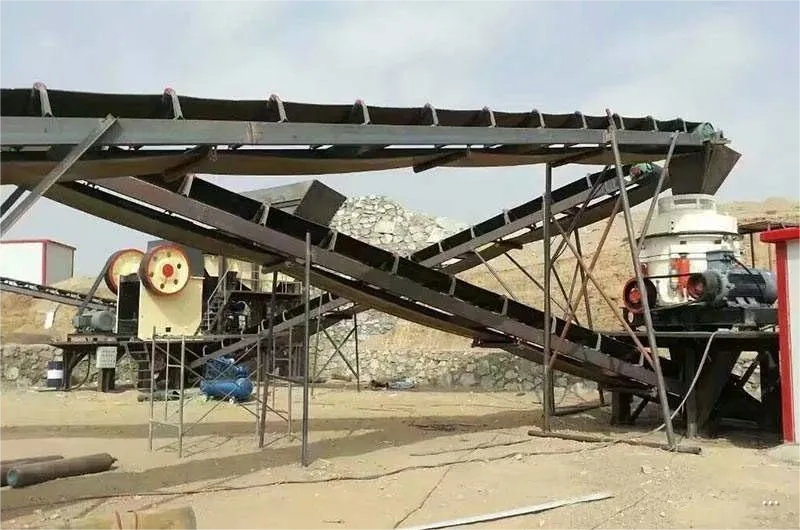
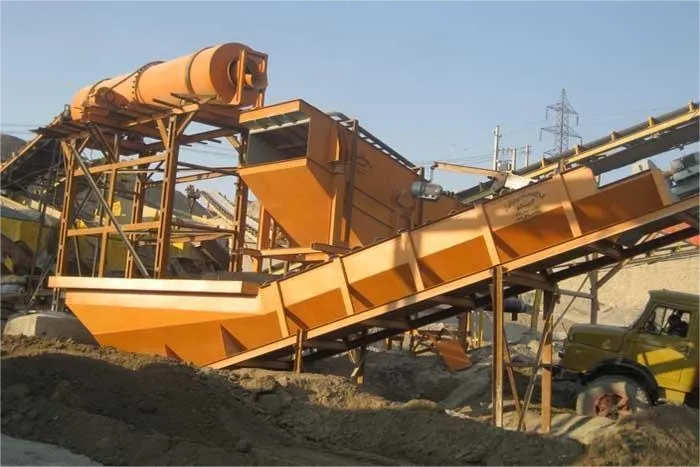
2. Tantalum-Niobium Ore Beneficiation Process – Tantalum-Niobium Ore Washing Process: To prevent clogging of crushing and screening equipment by clay-containing mineral raw materials, washing is necessary. If the raw material contains soluble useful or harmful components, washing is also required. Washing can be carried out in a scrubbing machine or in screening and grading equipment.
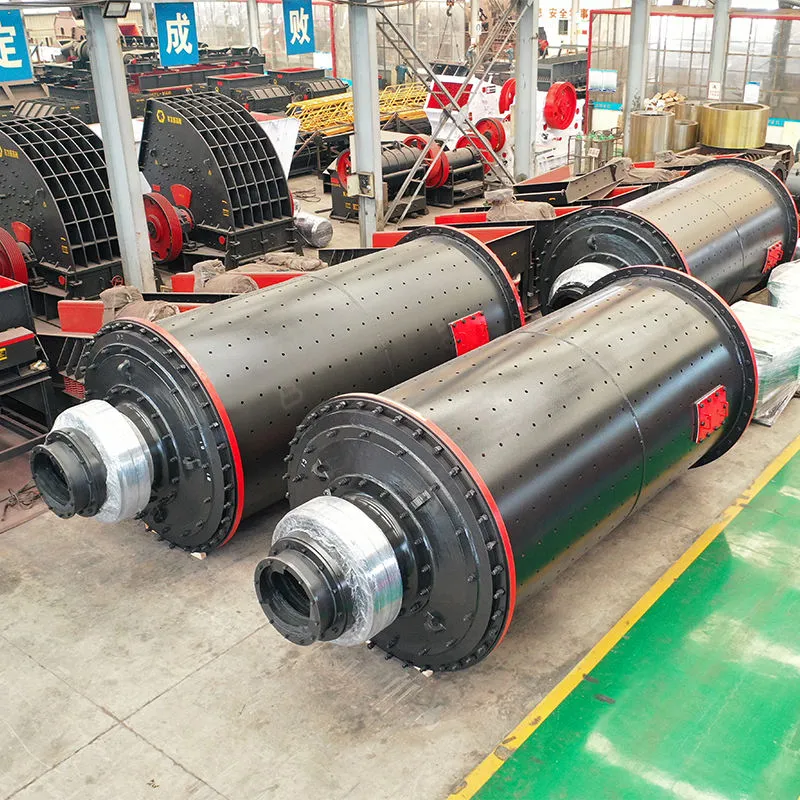
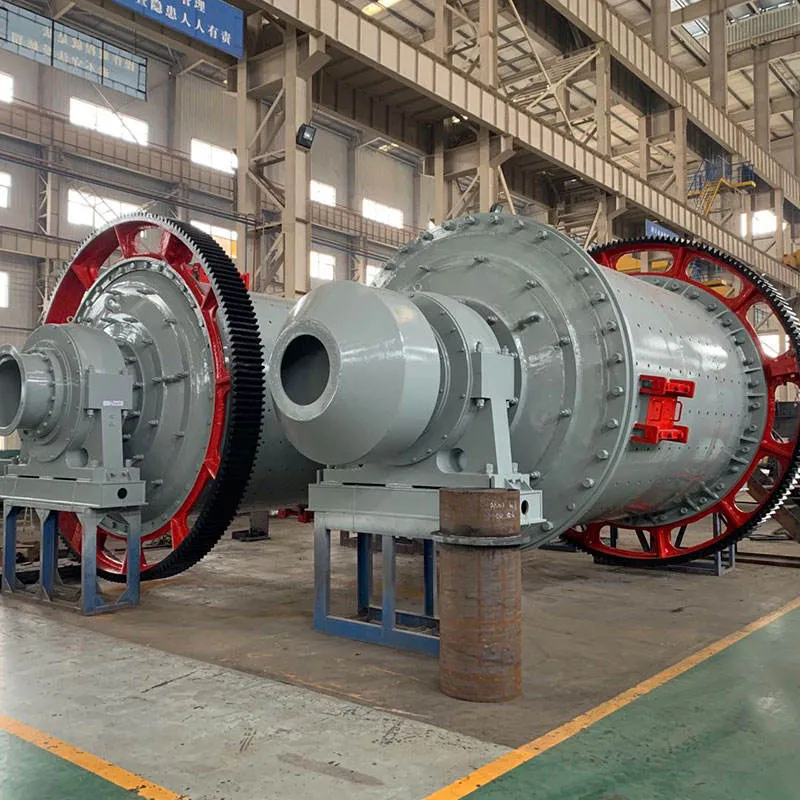
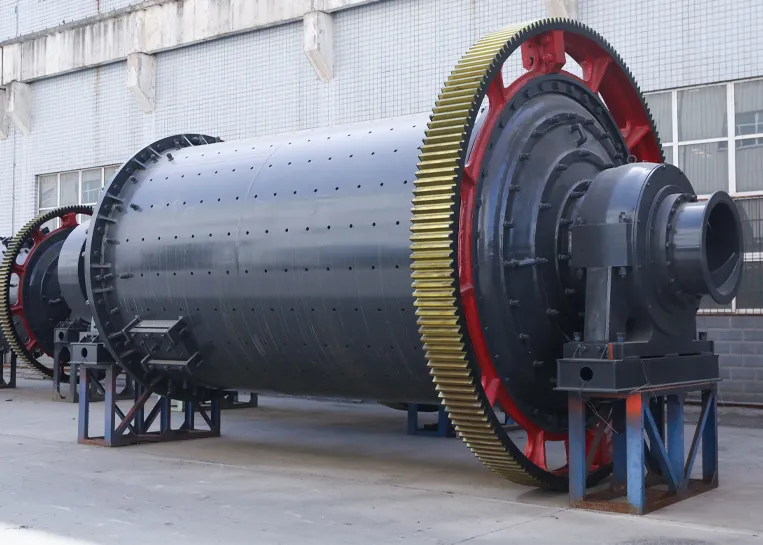
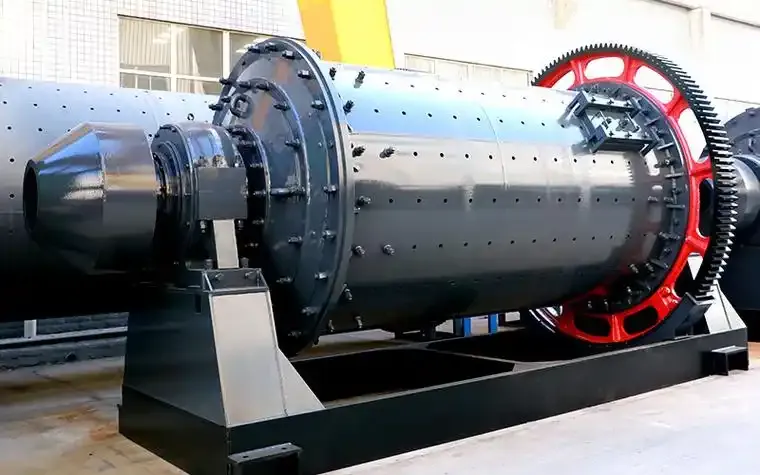
3. Tantalum-Niobium Ore Beneficiation Process Flow – Tantalum-Niobium Ore Grinding Process Flow: Primarily using grinding and impact. The crushed product is ground to a particle size of 10–300 μm. The particle size is determined based on the disseminated particle size of the valuable minerals in the ore and the beneficiation method used. Commonly used grinding equipment includes rod mills, ball mills, autogenous mills , and semi-autogenous mills. Grinding operations are energy-intensive, typically accounting for about half of the total energy consumption in beneficiation. Since the 1980s, the application of various new liners and other measures has improved grinding efficiency and reduced energy consumption.
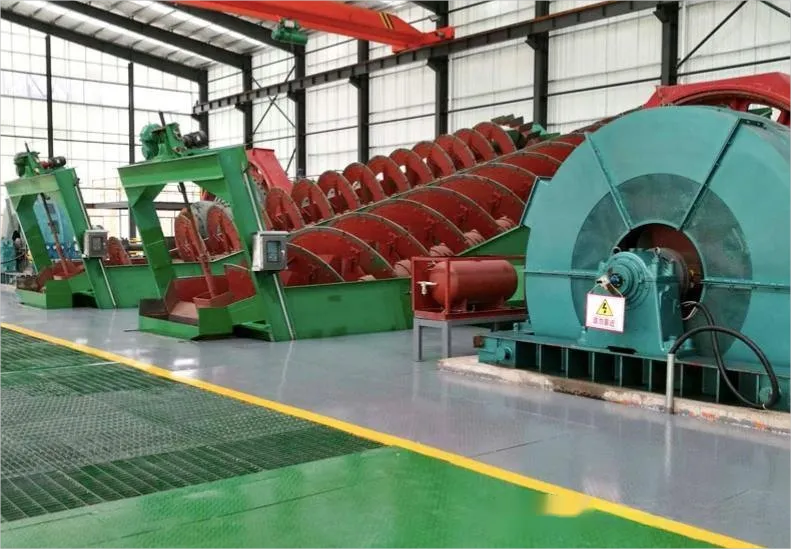
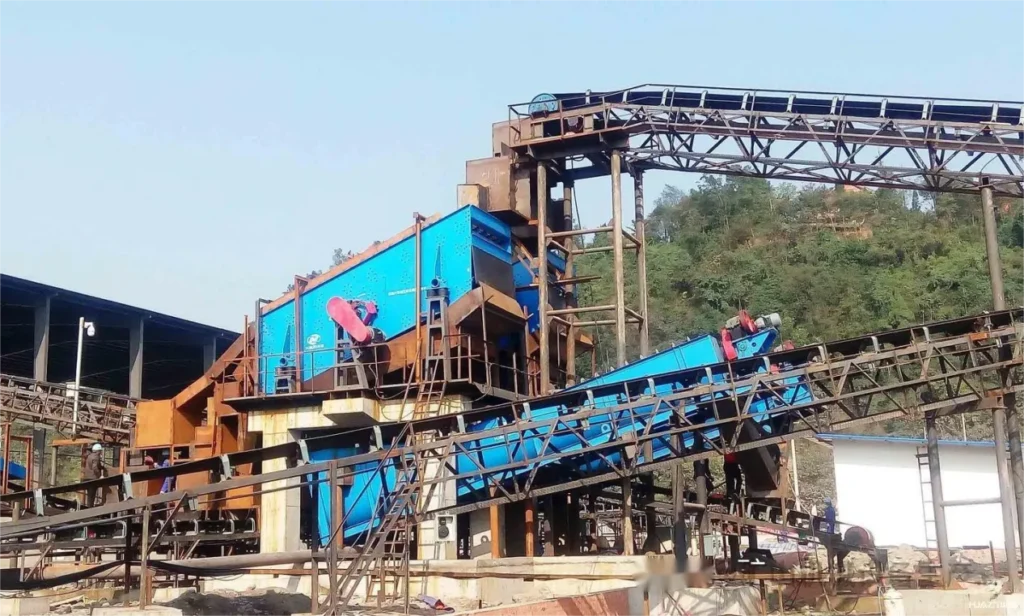
4. Tantalum-Niobium Ore Beneficiation Process – Tantalum-Niobium Ore Screening and Classification Process: Screening separates materials into different particle size grades according to the size of the screen openings, and is commonly used for processing coarser materials. Classification separates materials into different settling grades according to the different settling velocities of particles in a medium (usually water) , and is used for materials with smaller particle sizes. Screening and classification separate materials into suitable particle sizes during the crushing process, or separate materials into different particle size grades for separate processing.
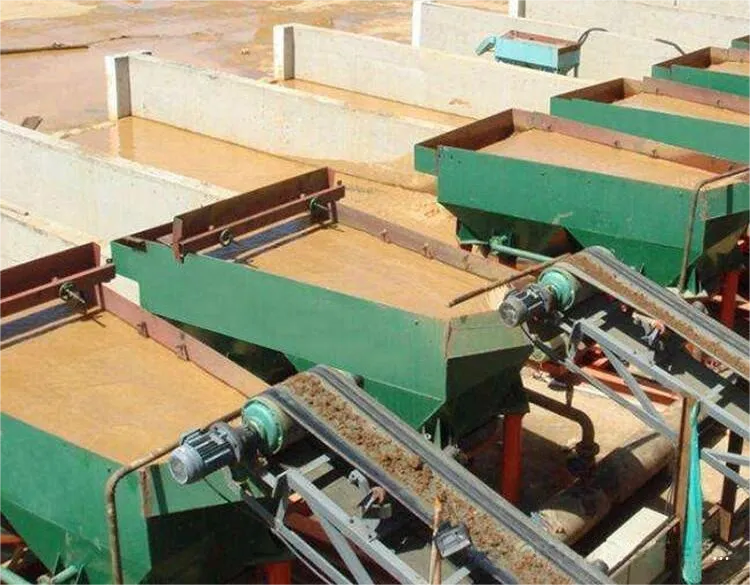
5. Tantalum-Niobium Ore Beneficiation Process – Tantalum-Niobium Ore Gravity Separation Process: Gravity separation utilizes the difference in specific gravity of mineral raw material particles in a gravity media (mainly water) flow. Methods include jigging, shaking table separation, and sluice box separation. Gravity separation is the main beneficiation method for tantalum-niobium ore; it is also widely used in the beneficiation of rare metal placer deposits. Gravity separation is suitable for a wide particle size range, from several hundred millimeters to less than one millimeter, with low beneficiation costs and minimal environmental pollution. It is most suitable for minerals with particle sizes within the above range and significant differences in specific gravity between components. Sometimes, gravity separation (mainly heavy media separation, jigging, etc.) can be used for pre-selection to remove some waste rock before further processing using other methods to reduce beneficiation costs. With the increasing availability of lean and fine mineral raw materials, gravity separation equipment is trending towards larger sizes and multi-layered structures, utilizing composite motion equipment such as centrifugal concentrators , shaking tables, and vibrating sluice boxes to improve the gravity separation efficiency of fine-grained materials.
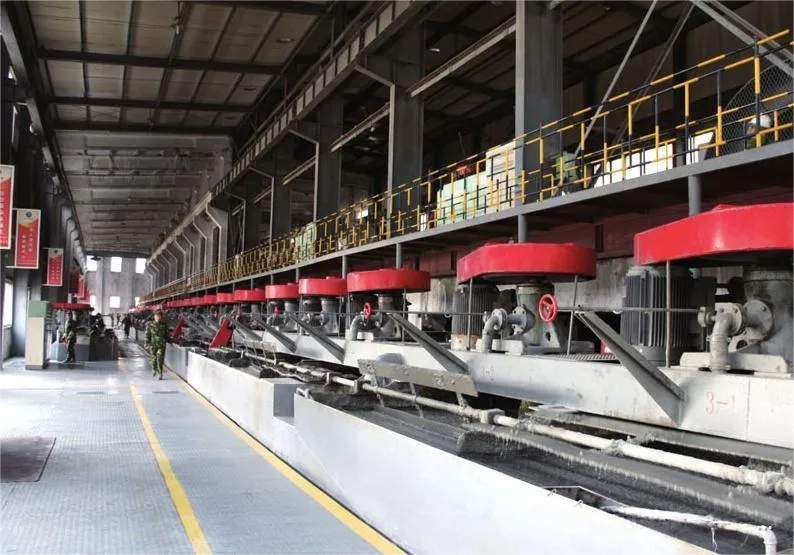
6. Tantalum-Niobium Ore Beneficiation Process – Tantalum-Niobium Ore Flotation Process: This process utilizes the differences in the wettability ( hydrophobicity or hydrophilicity) of various mineral raw material particles to water for separation. It typically refers to froth flotation . Since naturally hydrophobic minerals are relatively rare, collectors are often added to the pulp to enhance the hydrophobicity of the minerals to be floated; various modifiers are added to improve selectivity; frothers are added and aeration is performed to generate bubbles, causing hydrophobic mineral particles to adhere to the bubbles and float to the surface for separation. Flotation can typically handle materials smaller than 0.2–0.3 mm and, in principle, can separate various mineral raw materials, making it one of the most widely used methods. Flotation can also be used to separate smelting intermediates, ions in solutions (see [reference]), and treat wastewater. In recent years, in addition to using large flotation machines, new methods for recovering fine materials (smaller than 5–10 μm) have emerged. Examples include selective flocculation-flotation, which uses flocculants to selectively form larger flocs of certain fine particles, and then separates them by flotation (or desliming); shear flocculation-flotation, which involves adding collectors and then stirring at high intensity to form flocs of fine minerals for flotation; and carrier flotation, oil agglomeration flotation, etc.
7. Tantalum-Niobium Ore Beneficiation Process – Magnetic Separation Process for Tantalum-Niobium Ore: Tantalum-iron ore is 2.4 × 10⁻⁵ cm³/g, columbite is 2.5 × 10⁻⁵ cm³/g, and xenotime-niobium ore is 5.8 × 10⁻⁵ cm³/g. The specific magnetic susceptibility of garnet and tourmaline varies with their iron content. When the Fe₂O₃ content of garnet increases from 7% to 25%, its specific magnetic susceptibility increases from 11 × 10⁻⁶ cm³/g to 124 × 10⁻⁶ cm³/g (an 11-fold increase). When the Fe₂O₃ content of tourmaline increases from 0.3% to 13.8%, its specific magnetic susceptibility increases from 1.1 × 10⁻⁶ cm³/g to 30 × 10⁻⁶ cm³/g (a 30-fold increase). To improve the selectivity of mineral separation in a magnetic field, acid (solid:liquid = 1:5) is generally used for short-term treatment (5-15 minutes) to remove iron from the mineral surface. Garnet and tourmaline are then separated in magnetic fields of different intensities to obtain tantalum-niobium concentrate .
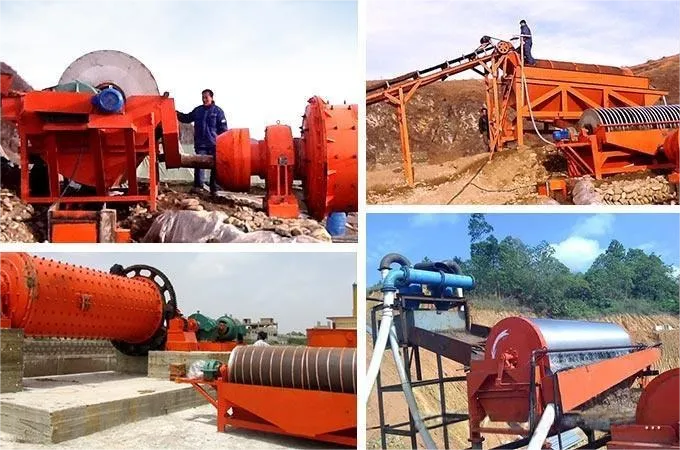
8. Tantalum-Niobium Ore Beneficiation Process – Tantalum-Niobium Ore Electrostatic Separation Process: The material is narrow-segmented and graded, then heated separately and electrostatically separated in a composite electric field: For particles larger than 0.2 mm, low voltage (20-35 kV), large electrode spacing (80-100 mm), and slow speed (low centrifugal force) are generally used (roller or drum speed 33-38 rpm); for particles from -0.2 to +0.08 mm, high voltage (35-45 kV), small electrode spacing (50-80 mm), and fast speed ( high centrifugal force ) are generally used (roller speed 70-118 rpm). This process can separate tantalite from niobite and garnet.
Tantalum-Niobium Ore Beneficiation Process – Combined Beneficiation Process for Tantalum-Niobium Ore; Primary tantalum-niobium ores typically employ staged grinding and multi-stage gravity separation. Separation equipment is usually added to the grinding loop to recover individual minerals earlier. Tantalum-niobium placer ores generally do not require crushing and grinding due to good mineral liberation; they are screened before entering the beneficiation process to remove boulders and pebbles, followed by roughing. Coarse-grained tantalum-niobium ore is roughed using jigs or spiral concentrators (including rotating spiral sluices ) , with the roughing concentrate being cleaned using shaking tables; fine-grained tantalum-niobium ore is roughed using spiral sluices or shaking tables, with the roughing concentrate being cleaned using shaking tables; tantalum-niobium slime is roughed using centrifugal concentrators or multi-layer rotating bed concentrators, with the roughing concentrate being cleaned using belt sluices or a combination of belt sluices and shaking tables for slime removal. This process is characterized by low investment, quick implementation, low cost, and low environmental pollution. However, it has low efficiency in slime separation. The gravity-flotation-gravity or gravity-flotation process uses gravity separation for coarse and fine particles , and flotation for slime. Before flotation, small-diameter hydrocyclones or centrifugal concentrators are generally used for desliming. Then, alkyl sulfonated succinate is used as the collector, and sodium silicate and oxalic acid are used as modifiers. Flotation is carried out at pH 2-3, and the flotation concentrate is then cleaned using a Holman slime shaking table-crossflow belt sluice. Alternatively, styrene -phosphonic acid can be used as the collector, and sodium fluorosilicate and lead nitrate as modifiers. Flotation is carried out at pH 6, and the flotation concentrate is cleaned using a vibrating belt sluice or crossflow belt sluice. Hydroxyxamic acid and transformer oil can also be used as the collector, and sodium hydroxide and sodium silicate as modifiers. Flotation is carried out at pH 8-8.5, and the flotation concentrate is cleaned with hydroxamic acid and transformer oil, using oxalic acid as a depressant , at pH 2.5-3. All these methods can yield tantalite or niobite concentrates. This process is characterized by high separation index, but the tantalum and niobium content in the removed fine mud is close to that of the original ore grade, the consumption of reagents is large, and the production cost is high.
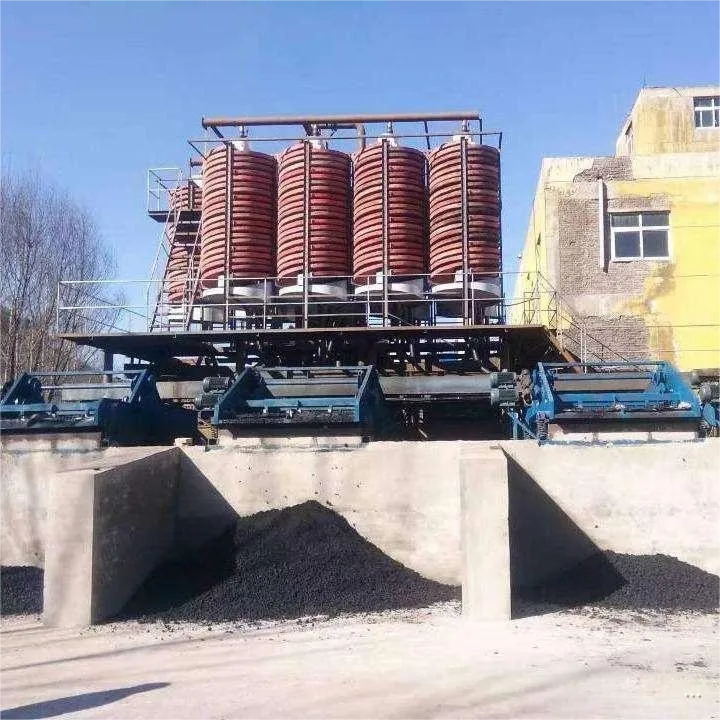
In the beneficiation process of tantalum-niobium ore, gravity separation is the primary method for roughing, while magnetic separation, flotation, and electrostatic separation are commonly used for cleaning. Electrostatic separation is mainly used for impurity removal and comprehensive recovery of the concentrate. Flotation can effectively recover fine tantalum-niobium slime. Chemical beneficiation is an effective process for processing low-grade and complex tantalum-niobium ores. Therefore, combined process flows are often used for the beneficiation of tantalum-niobium ore.
The beneficiation process of tantalum and niobium ore generally involves gravity separation to discard most of the gangue minerals and obtain a low-grade mixed rough concentrate. The rough concentrate entering the beneficiation operation has a complex mineral composition and generally contains a variety of useful minerals, making separation difficult. Multiple beneficiation methods such as gravity separation, flotation, electromagnetic separation, or combined beneficiation and metallurgical processes are usually used for beneficiation to achieve the separation of multiple useful minerals.
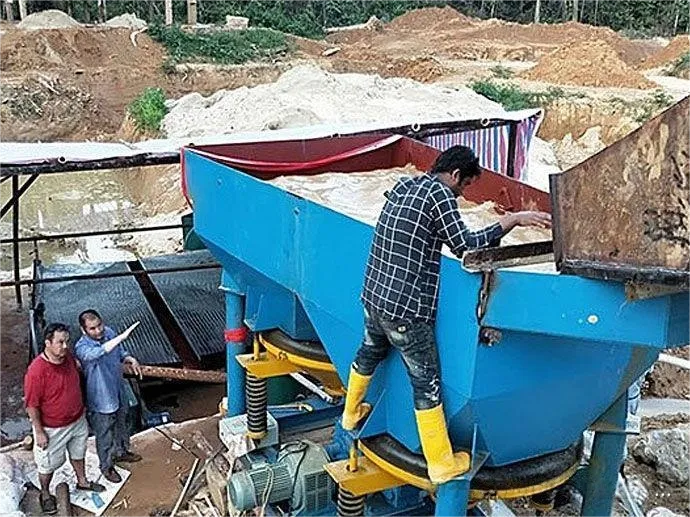
Bernic Lake Mine is located in Bernic Lake, Manitoba, Canada. It is a large pegmatite deposit containing lithium, rubidium, cesium, tantalum, and beryllium. There are nine ore zones, including two tantalum zones and one lithium zone; currently, the tantalum zone is being mined. The ore grade contains 0.13% Ta₂O₅. The main tantalum minerals in the ore are tinmanganese-tantalum ore, heavy tantalum iron ore, tantalum zirconium ore, tantalum tin ore, niobium tantalum antimony ore, and fine-grained ore. It is currently a major global production base for tantalum raw materials. The beneficiation plant has a capacity of 830 tons/day. The tantalum-niobium ore beneficiation process uses a three-stage closed-circuit crushing and one-stage closed-circuit grinding gravity-flotation process. The raw ore (330 mm) is crushed to -9.5 mm by a jaw crusher, a standard cone crusher , and a short-head cone crusher, then fed to a 2.5 mm Taylor screen. The material over the screen is sent to a ball mill, and the ball mill discharge and AC screen form a closed circuit. Materials smaller than 2.5 mm pass through a 210-micron Derrick three-way feed screen. Materials larger than 210 microns are roughed using seven φ600 mm double-head spiral concentrators, and fined using one spiral concentrator. The spiral concentrate is further fined using a shaking table. The spiral tailings pass through a 300-micron DSM screen, and materials larger than 300 microns are returned to the ball mill. Materials smaller than 300 microns are fed into a φ150 mm secondary desliming hydrocyclone. Materials smaller than 210 micrometers are fed into a φ150 micrometer primary desliming hydrocyclone to remove fine mud smaller than 20 micrometers. The underflow from the hydrocyclone is roughed using a Dest three-layer hanging ore shaking table, and then fined using a cleaning shaking table. The middlings from the shaking table are fed into a φ150 mm secondary desliming hydrocyclone. The overflow from the hydrocyclone is fed into a φ50 mm hydrocyclone for desliming (-7 micrometers). The underflow from the hydrocyclone is fed to a secondary Derek screen. The material over the screen (+40 micrometers) is sent to the scavenging spiral loop, and the material under the screen (-40 micrometers) is fed into a thickener. The underflow from the thickener is collected using alkyl sulfonated succinate as a collector and sodium silicate and oxalic acid as modifiers. Tantalum minerals are floated under pH 2-3 conditions. The flotation concentrate is finely cleaned using a Holman shaking table and a No. 1 cross-flow belt sluice. The tailings from the shaking table undergo secondary flotation, and the flotation concentrate is separated into tantalum concentrate using a No. 2 cross-flow belt sluice. Production indicators: tantalum concentrate grade (Ta2O5) 38.55%, recovery rate 73%.
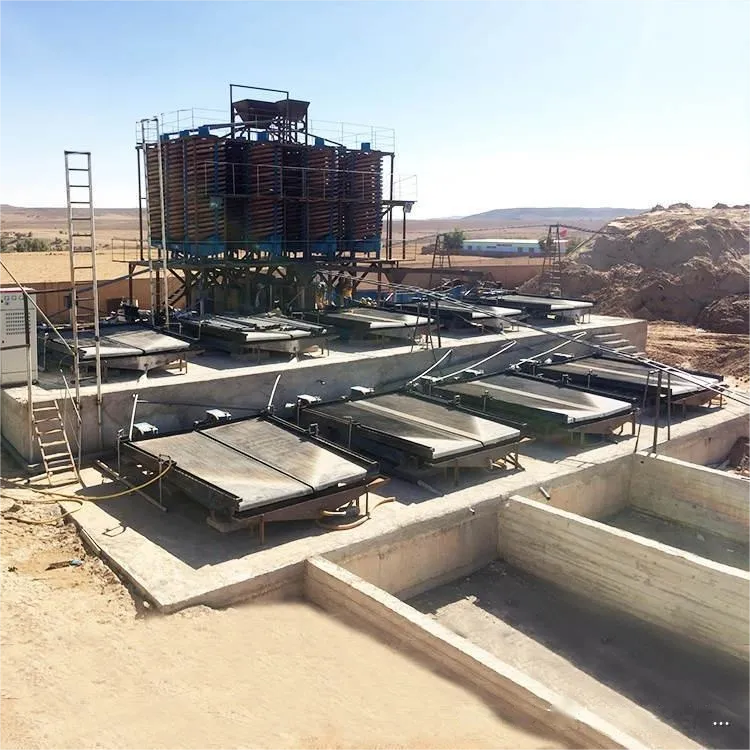
Tantalum-Niobium Ore Beneficiation Process – The beneficiation process for tantalum-niobium placer deposits is divided into two stages: roughing and cleaning. Roughing primarily uses gravity separation to remove a large amount of light gangue minerals, obtaining a low-grade mixed concentrate . Common tools include sluices, jigs, or simpler manual tools such as washing troughs. In some economically underdeveloped countries, such as Brazil, Malaysia, and some African countries, the latter has become the primary tool. The rough concentrate typically contains 10-35% cassiterite or 30-45% cassiterite and columbite. Possible heavy minerals in the rough concentrate include cassiterite, ilmenite , magnetite, columbite, tantalite, monazite, topaz, and zircon. The cleaning process aims to separate various heavy minerals and obtain various qualified concentrate products. Cleaning is carried out in a cleaning plant, employing methods such as gravity separation, magnetic separation, electrostatic separation, particle flotation, and flotation.
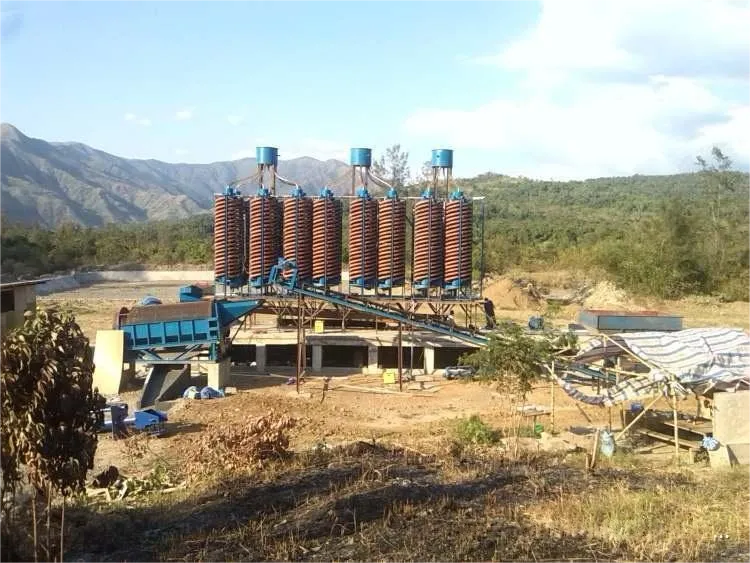
In fact, there are many different tantalum and niobium ore beneficiation processes. No two tantalum and niobium ore beneficiation plants in the world use the exact same beneficiation process and equipment configuration. Instead, they are all beneficiation processes specially designed according to the specific properties and characteristics of tantalum and niobium ore. Only a special tantalum and niobium ore beneficiation process customized according to the properties of the ore can achieve the best beneficiation effect.