
Tin minerals have a high density, and large tin minerals can be easily recovered using traditional gravity separation processes. However, due to their fragility, tin minerals are prone to over-grinding during grinding, resulting in the loss of most fine-grained tin minerals in the tailings.
Tin minerals have a high density, and large tin minerals can be easily recovered using traditional gravity separation processes. However, due to their fragility, tin minerals are prone to over-grinding during grinding, resulting in the loss of most fine-grained tin minerals in the tailings. In tin ore recovery, tin ore flotation technology is an effective means of recovering fine-grained tin minerals and reducing tin metal loss. This article provides a detailed introduction to tin ore flotation technology to help clients understand flotation operation methods and offers directions for optimizing tin ore flotation processes.
Tin ore flotation technology is a method of separation that utilizes the differences in surface properties between tin ore and slurry. During the flotation process, the hydrophobicity of the tin ore particles allows them to adhere to air bubbles and float to the surface of the slurry, thereby achieving the separation of tin ore from waste rock.
Tin ore flotation technology is suitable for processing fine-grained tin ore and tin mineral materials that are difficult to process by gravity separation. Flotation has a good separation effect on associated minerals such as sulfides and oxides in tin ore. In addition, flotation can also be used to recover valuable elements such as tungsten and bismuth from tin ore.
The advantage of tin ore flotation technology is its ability to process fine-grained tin ore and associated minerals, achieving good separation results. However, flotation methods suffer from high energy consumption, large reagent consumption, and significant environmental pollution. Furthermore, tin ore flotation technology has limited capacity to process denser minerals such as hard cassiterite in tin ore.
Detailed Explanation of Tin Ore Flotation Technology Process:
1. Crushing and screening
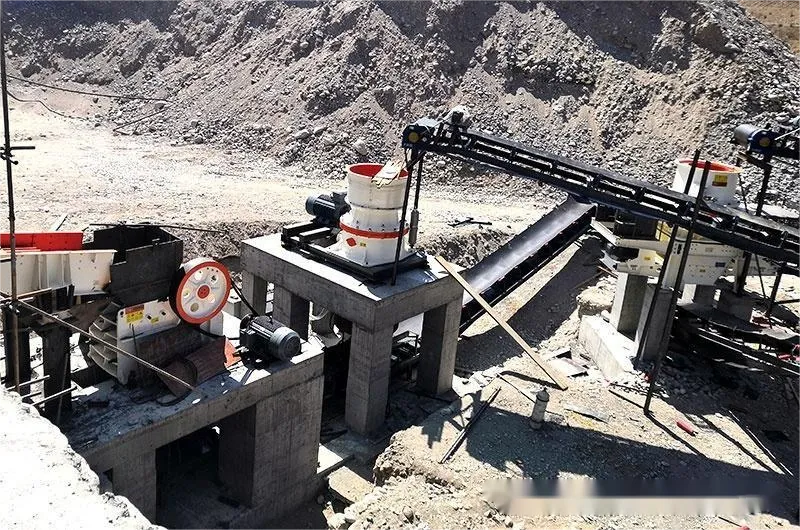
The first step in tin ore flotation technology is to crush the mined ore. After crushing, the particle size is usually less than 20mm. In the crushing operation, a vibrating screen is used in conjunction with a crusher to complete the screening operation. The undersized minerals enter the next process flow, while the oversized minerals are returned to the crushing process for further crushing. It can usually be divided into several operation modes: coarse crushing, medium crushing, and fine crushing.
2. Grinding and Classification
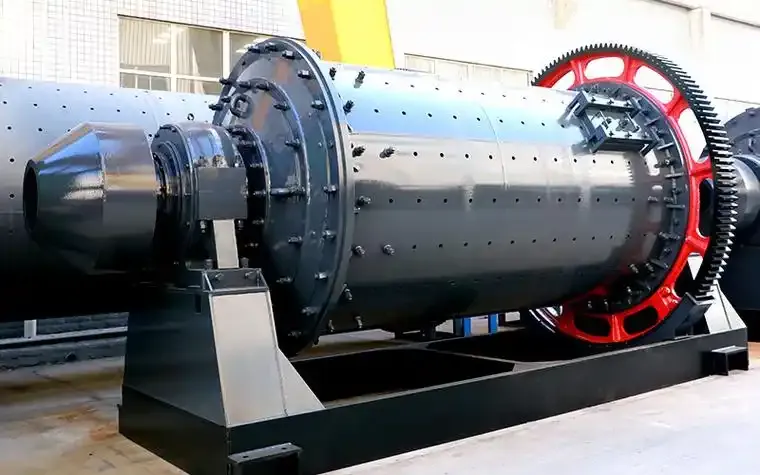
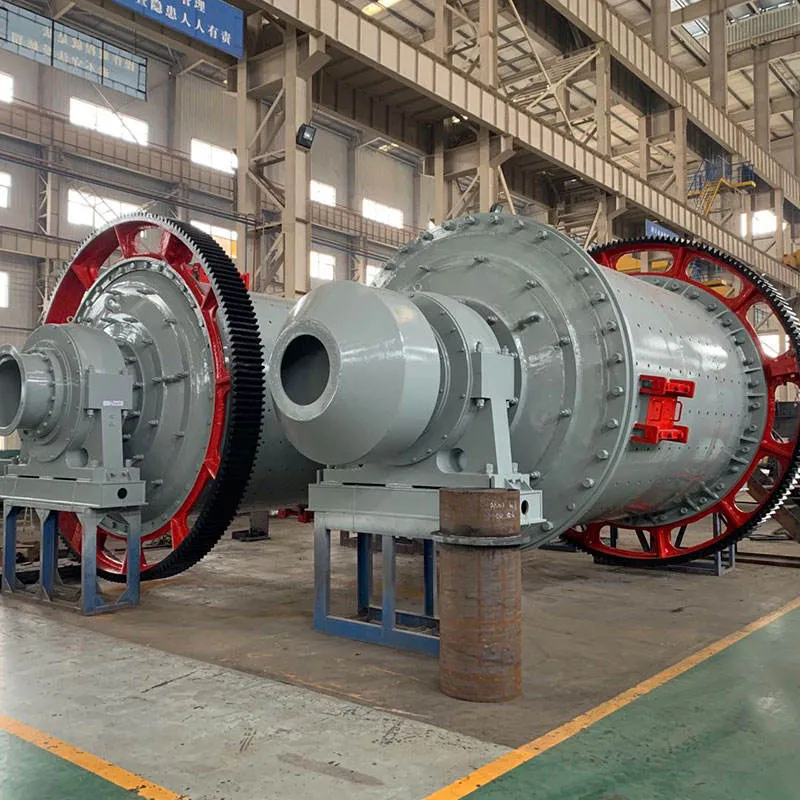
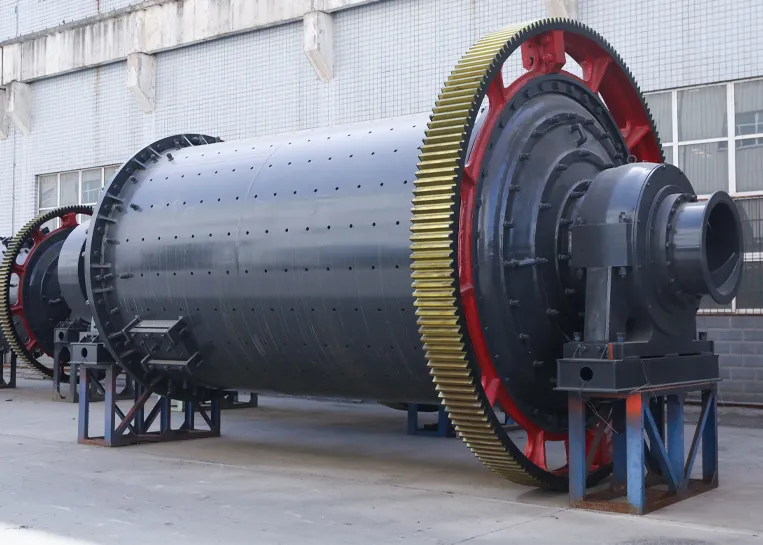
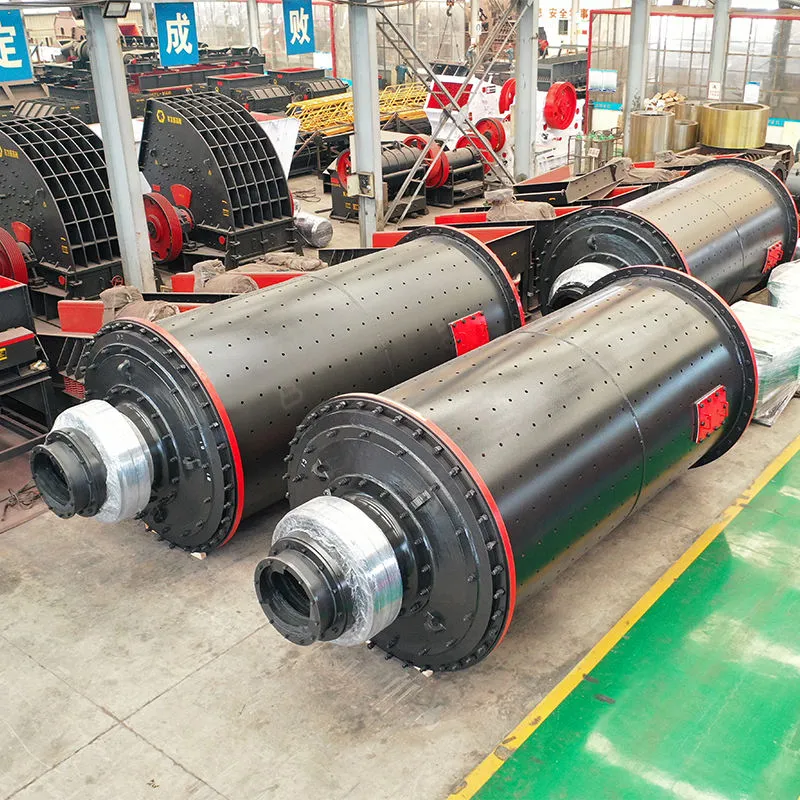
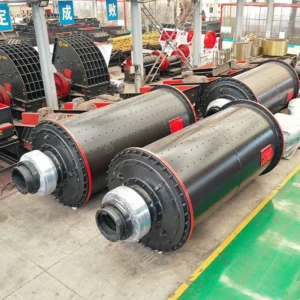
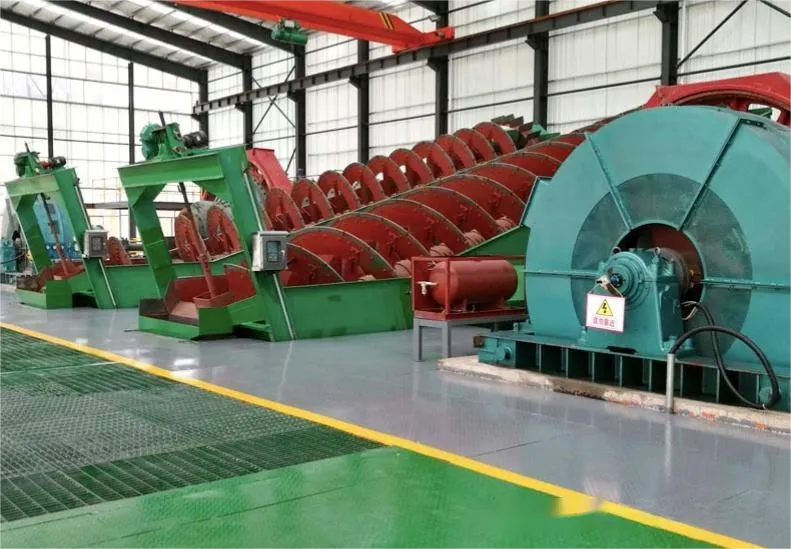
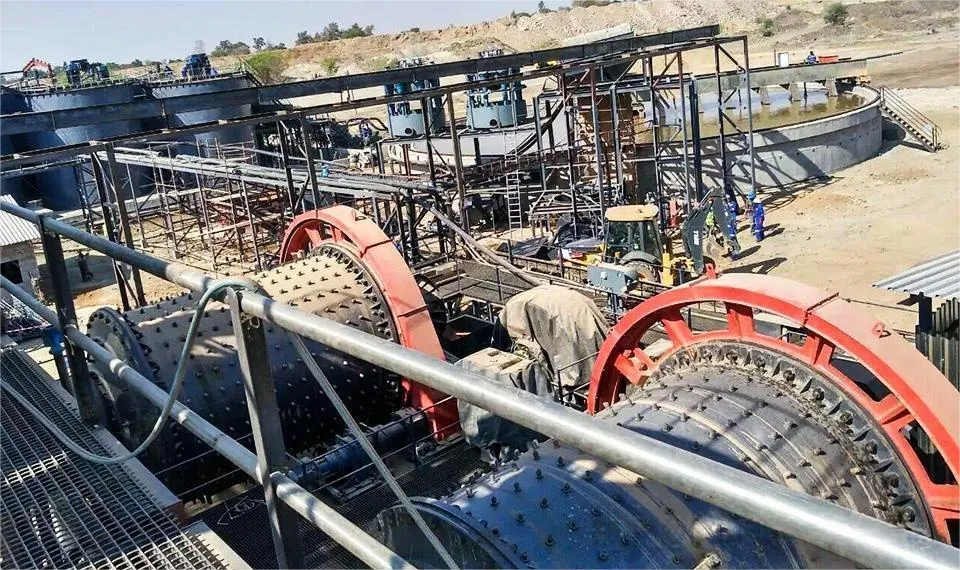
To fully dissociate tin from other gangue minerals, the material needs to be further ground. At this point, the material is fed into the ball mill by a feeder. The ground product is then classified by a classifier. The overflow from the classification enters the next process flow, while the underflow from the classification is returned to the grinding equipment for further grinding until the dissociable particle size is reached.
3. Desliming and washing
Desliming and washing equipment is used to remove clay and fine impurities from ore, reducing the viscosity of the slurry. The desliming process can be carried out using equipment such as trough washing machines or hydrocyclones.
4. Pulp conditioning before flotation
Before flotation, it is important to chemically adjust the pulp, mainly by adjusting the pH value, adding collectors and inhibitors , etc. The purpose of this is to enhance the hydrophobicity of tin minerals and create conditions for flotation.
5. Flotation process
Flotation is a core step in processing complex tin ores. Common flotation methods include selective flocculation flotation, carrier flotation, and flocculation flotation. Flocculation flotation involves adding flocculants to cause tin minerals to flocculate into clusters, thereby achieving separation. Carrier flotation uses larger mineral particles as a carrier, allowing finer mineral particles to adhere to them and float together.
6. Mid-grade ore processing
The middlings generated during the flotation process need to be processed separately or returned to the process to recover the useful minerals.
7. Selected and Scanned
In the flotation process, the roles of cleaning and scavenging are different. The main purpose of cleaning is to further improve the grade of tin concentrate, while scavenging is used to recover residual minerals in the tailings.
8. Tailings treatment
Tailings after flotation require dewatering. Dry tailings discharge can control the moisture content of the tailings to below 20%, significantly reducing environmental impact. Commonly used tailings treatment equipment includes thickeners and filters.
Key steps in tin ore flotation technology:
1. Crushing and Grinding: First, the raw ore is crushed to an appropriate particle size, and then the mineral particles are further refined through grinding to facilitate subsequent flotation operations.
2. Slurry preparation and reagent addition: Add appropriate amounts of water and ground slurry to the flotation machine, adjust the pH value, and add flotation reagents such as collectors and frothers to enhance the separation effect between tin minerals and gangue.
3. Aeration and Agitation: Air is introduced into the slurry through the aeration device of the flotation machine, forming a large number of bubbles. At the same time, the agitation device thoroughly mixes the slurry and bubbles, ensuring that the tin mineral particles can adhere to the bubbles.
4. Foam Scraping and Concentrate Collection: As the flotation process proceeds, bubbles carrying tin mineral particles gradually rise to the surface of the slurry, forming a foam layer. The foam is scraped off using a scraper to obtain a tin-rich concentrate product.
Factors affecting tin ore flotation technology include: pH value, particle-bubble interaction, metal ions, and flotation reagents.
1. The effect of pH value on tin ore flotation technology
The recovery of tin minerals varies significantly under different pH conditions. As the pH increases, the adsorption of the collector by the tin minerals gradually changes, initially increasing and then decreasing, reaching its peak within the pH range of 3-5. Therefore, controlling the pH within the range of 3-5 is more suitable for the recovery of fine-grained tin minerals. The optimal pH range may vary depending on the reagent combination and should be determined through mineral processing tests.
2. The Influence of Particle-Bubble Interaction on Tin Ore Flotation Technology
During the adhesion process between bubbles and tin minerals, the bubbles and tin mineral particles approach and collide with each other. Only after multiple collisions can the bubbles successfully capture the tin mineral particles. Appropriately reducing the bubble diameter increases the probability of collisions between bubbles and mineral particles, making it easier for fine tin mineral particles to adhere to the bubbles, facilitating the mineralization process, and improving tin mineral recovery. Depending on the reagent system, the matching range between tin minerals and bubbles varies. According to research results, in systems using salicylic acid and tributyl phosphate as collectors, tin mineral particles of three sizes—–10 μm, –20+10 μm, and –38+20 μm—match bubble sizes of approximately 45–59 μm, 59 μm, and 69 μm, respectively. In the system using MOS reagent as the collector, the bubble sizes matched with the four tin mineral particle sizes of –10μm, –20+10μm, –38+20μm, and –74+38μm are 69μm, 69μm, 45–59μm, and 69μm, respectively.
3. The Influence of Metal Ions on Tin Ore Flotation Technology
Tin minerals often occur alongside other metallic minerals. Due to mechanical processes such as crushing and grinding, as well as mineral dissolution, flotation pulp frequently contains other metal ions. These ions often act on the surface of tin minerals through electrostatic interactions or chemical reactions, affecting tin mineral flotation. The most influential metal ions include iron, copper, calcium, lead, and magnesium ions. Calcium, copper, iron, and magnesium ions all inhibit tin mineral flotation, while lead ions can activate tin mineral flotation within a pH range of 2–7.5, but inhibit tin mineral recovery within a pH range of 7.5–12. The inhibitory effect is in the order of magnesium, copper, iron, and calcium ions. In actual production, appropriate reagent combinations should be selected based on the tin ore composition to minimize the impact of metal ions on tin ore recovery.
4. The Influence of Flotation Reagents on Tin Ore Flotation Technology
Flotation plays a crucial role in the flotation of fine-grained tin ore. Tin minerals have poor natural floatability and high density, therefore, tin ore collectors are required to have stable selective adsorption properties. They are generally anionic collectors, such as fatty acids, phosphonic acids, arsenoic acids, and hydroxamic acids. To improve the adaptability of flotation reagents to tin mineral flotation, combined reagents are often used. Collectors alone are insufficient to effectively separate tin minerals from other minerals; suitable modifiers are also needed to optimize the pulp environment, activating tin minerals while suppressing gangue minerals to achieve ideal flotation results.
How to improve the flotation effect of tin ore flotation technology?
1. Combining various processes such as gravity separation, flotation, magnetic separation, and electrostatic separation, it not only recovers single tin concentrate, but also recovers other useful metal concentrate products at the same time;
2. Add appropriate amounts of fatty acids such as sulfonamide , oleic acid , or talc oil for collection, but pay attention to controlling the pH value of the pulp. The pH ranges for roughing and cleaning are different and should not be exceeded.
3. Different reagents are required for different mineral deposits. For vein tin deposits with associated arsenic, antimony and lead metals, activators need to be added first to float out the sulfide minerals before floating cassiterite. The type of activator that is more effective and the dosage must be strictly controlled.
4. In addition, from an environmental protection perspective, salicyloxyoxime is more reliable in terms of flotation safety than arsine. As for the recovery of tin mud and tin smelting slag, it is necessary to use a combination of reagents that have better collection and selectivity.
Optimization directions for tin ore flotation technology:
In the tin ore flotation process, to achieve better flotation results and ore recovery, we can optimize the flotation process by considering several aspects, including the type and dosage of flotation reagents, and the implementation of an intelligent monitoring system. Specific methods are as follows:
1. Process optimization direction
When selecting flotation reagents, while ensuring the flotation effect, green and environmentally friendly flotation reagents can be selected. This not only reduces the impact on the environment, but also helps to reduce input costs for short-process flotation.
2. Application of intelligent technology
Intelligent and automated systems are now standard features in mineral processing plants. Automated control enables real-time monitoring of the entire flotation process, allowing for timely resolution of problems. The advantage of intelligent systems lies in their more accurate and comprehensive data monitoring, while also reducing the workload of operators—a win-win situation.
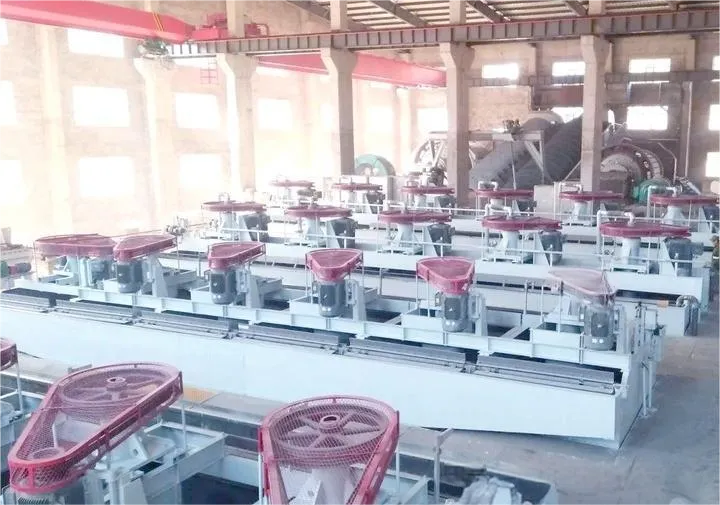
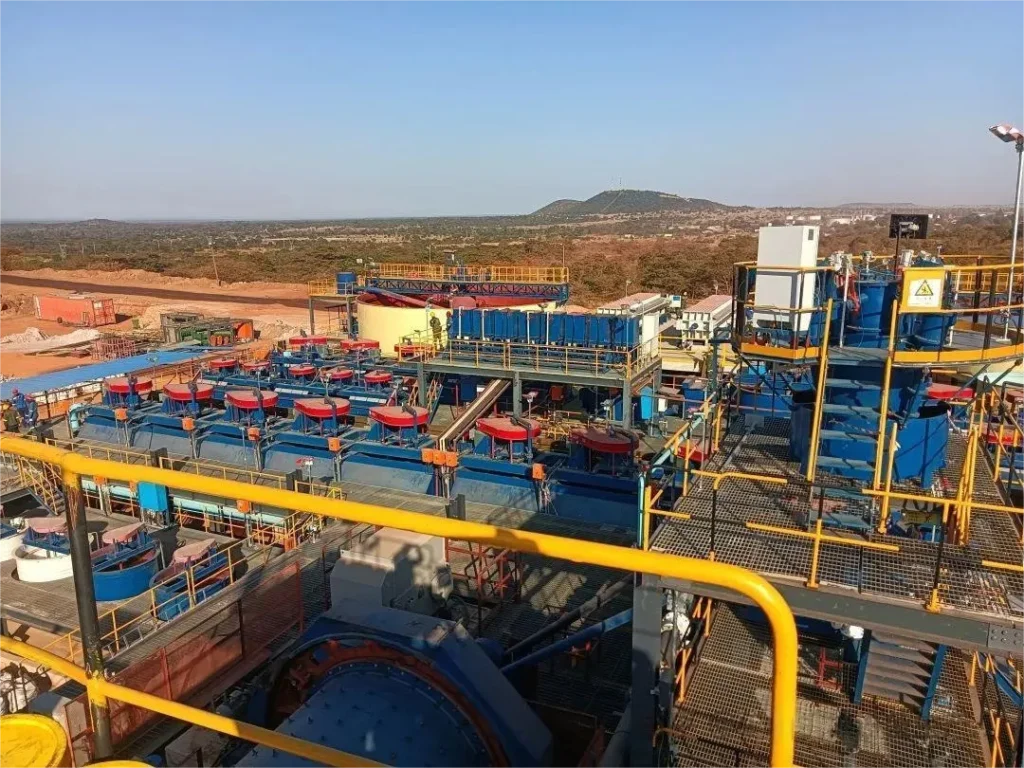
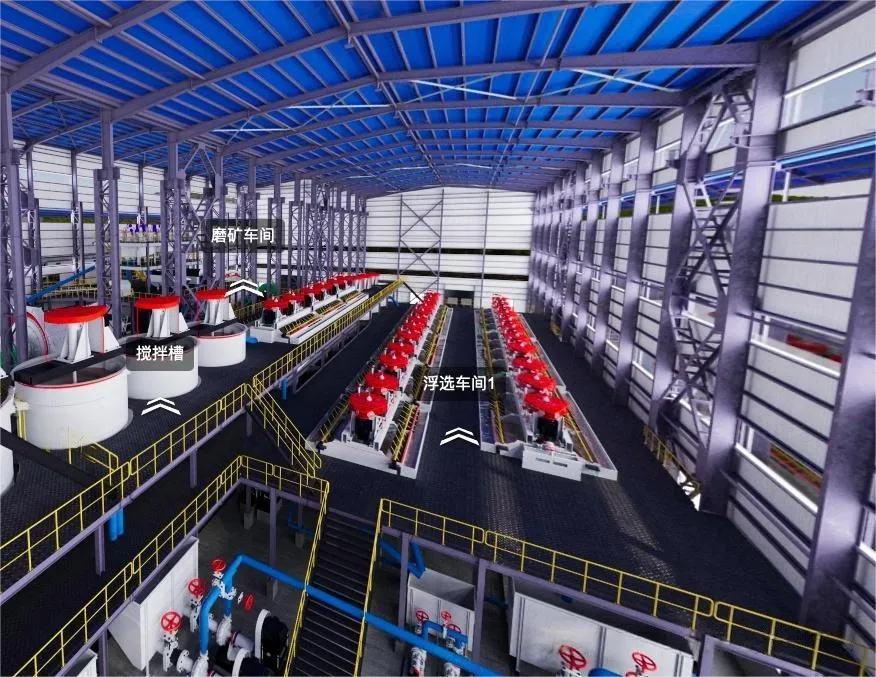
Commonly used equipment in tin ore flotation technology includes flotation machines, stirred tanks, and slurry conveying systems. The flotation machine is the core equipment for tin ore flotation, and it comes in various types, such as mechanically stirred flotation machines and aerated flotation machines. Stirred tanks and slurry conveying systems are used to ensure the uniformity and fluidity of the slurry to meet the requirements of the flotation process.
The beneficiation of complex tin ores is quite challenging. When designing a flotation technology scheme for tin ore, the properties of various gangue minerals should be fully considered, and flotation reagents should be selected specifically for separation. In terms of optimization, emphasis should be placed on the application of environmentally friendly flotation reagents and the full utilization of intelligent technologies to achieve efficient production and ideal beneficiation results.