
Tungsten ore is an important strategic mineral resource. Its high hardness and high-temperature resistance make it widely used in steel, electronics, aerospace, and other fields. In the beneficiation of tungsten ore, gravity separation is the primary process, using physical means to separate valuable metals from non-valuable minerals.
Tungsten ore is an important strategic mineral resource. Its high hardness and high-temperature resistance make it widely used in steel, electronics, aerospace, and other fields. In the beneficiation of tungsten ore, gravity separation is the primary process, using physical means to separate valuable metals from non-valuable minerals. Let’s learn about tungsten ore gravity separation , including methods, process flows, and common equipment!
The gravity separation process for tungsten ore beneficiation primarily utilizes the density differences between tungsten ore and gangue minerals and other minerals, employing a gravity field to achieve separation. Gravity separation is a simple, low-cost, easy-to-operate, and environmentally friendly method, making it an important beneficiation method for coarse-grained tungsten ore. Depending on the particle size of the tungsten ore, several methods can be employed, including shaking table gravity separation , jigging gravity separation , and spiral flow gravity separation.
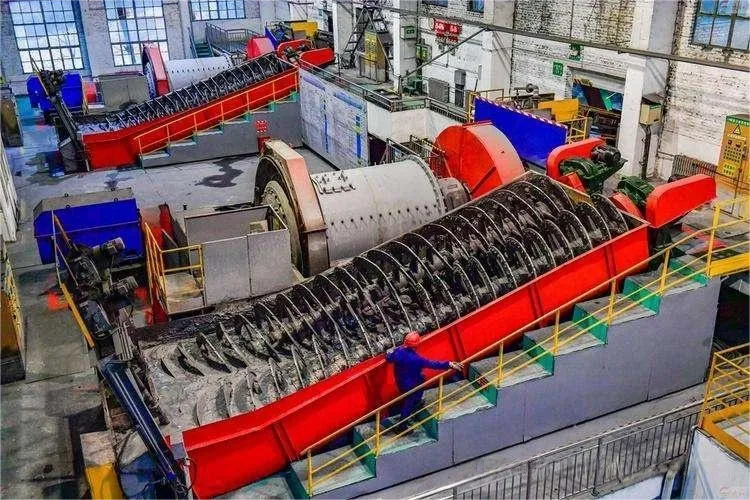
The purpose of gravity separation in tungsten ore beneficiation is to separate impurities and low-grade minerals from the ground ore, thereby improving the grade of the tungsten ore. Commonly used equipment includes gravity separators and magnetic separators . Based on the density and magnetic properties of the ore, the separation and purification of tungsten ore are achieved by adjusting the parameters of the beneficiation machine (such as inclination, washing water volume, and washing time). Gravity separation is the core step in the tungsten ore beneficiation process and plays a decisive role in efficient separation.
Gravity separation is one of the commonly used processes in tungsten ore beneficiation plants. Depending on the properties and particle size of the tungsten ore, the purpose of gravity separation varies. Generally, for coarse-grained, easily beneficiated wolframite, qualified concentrate can be obtained directly through gravity separation. However, for fine-grained wolframite, direct gravity separation usually results in a low recovery rate and needs to be combined with flotation or other beneficiation methods to form a combined process to obtain a more ideal recovery rate. For scheelite or fine-grained tungsten ore, gravity separation is mostly used as a means of desliming or removing impurities.
The ore is mainly composed of wolframite or wolframite-based ore. The general tungsten ore gravity separation process is as follows: crushing and pre-discarding waste to obtain qualified ore; gravity separation and tailings disposal to obtain rough concentrate; fine separation and comprehensive recovery of rough concentrate to obtain final concentrate; and fine mud treatment.
The general flow of the gravity separation process for tungsten ore beneficiation is as follows: One to two stages of grinding, three stages of jigging, four to five stages of shaking tables, and centralized treatment of fine slime to obtain a rough concentrate, while discarding a large amount of tailings; the tailings from the coarse and medium-grained jigging are fed into a rod mill for regrinding, and the grinding product is returned to a double-layer vibrating screen, forming a closed-loop cycle. The shaking tables generally employ two separation processes: the middlings from the coarse and medium-grained shaking tables are returned to the recycling loop, while the slime is treated separately.
The gravity separation process for tungsten ore typically includes three main stages: pre-concentration operations, separation operations, and dewatering operations. Let’s take a look!
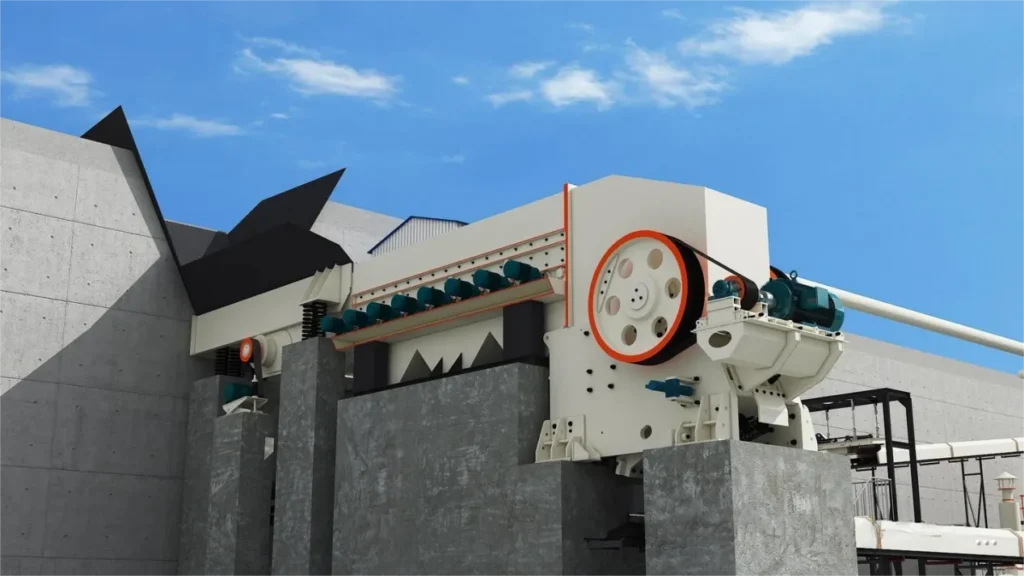
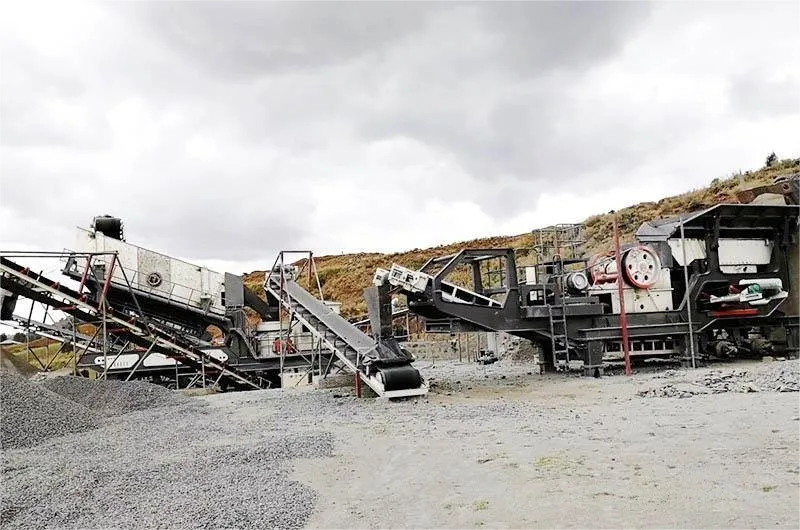
The purpose of tungsten ore crushing and screening is to crush and screen large pieces of tungsten ore to reduce the mineral particle size and make it suitable for subsequent mineral processing. Generally, depending on the crushing conditions, there can be a single-stage closed-circuit crushing process or a two-stage closed-circuit crushing process. Taking a two-stage process as an example, the process is as follows: large ore blocks after mining are fed into a jaw crusher for preliminary crushing to reduce their particle size. The crushed product is then sent to a vibrating screen for screening, separating the ore into different particle size grades. The oversize material is returned to the crusher for further crushing, while the undersize material enters the intermediate crushing stage, which requires a cone crusher or impact crusher to achieve even smaller particle sizes.
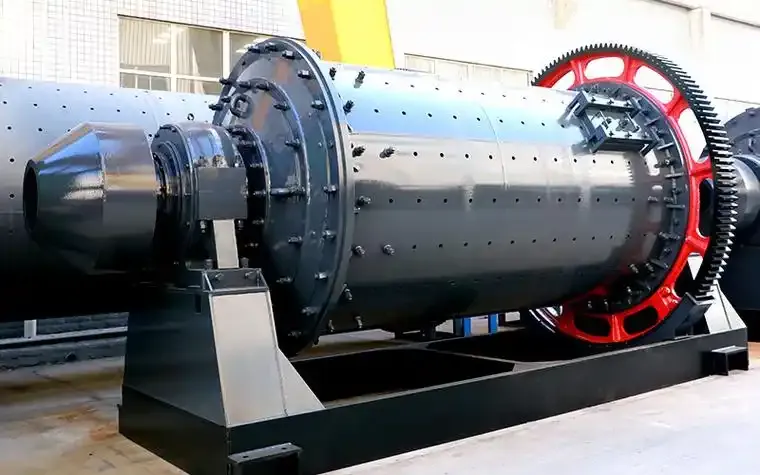
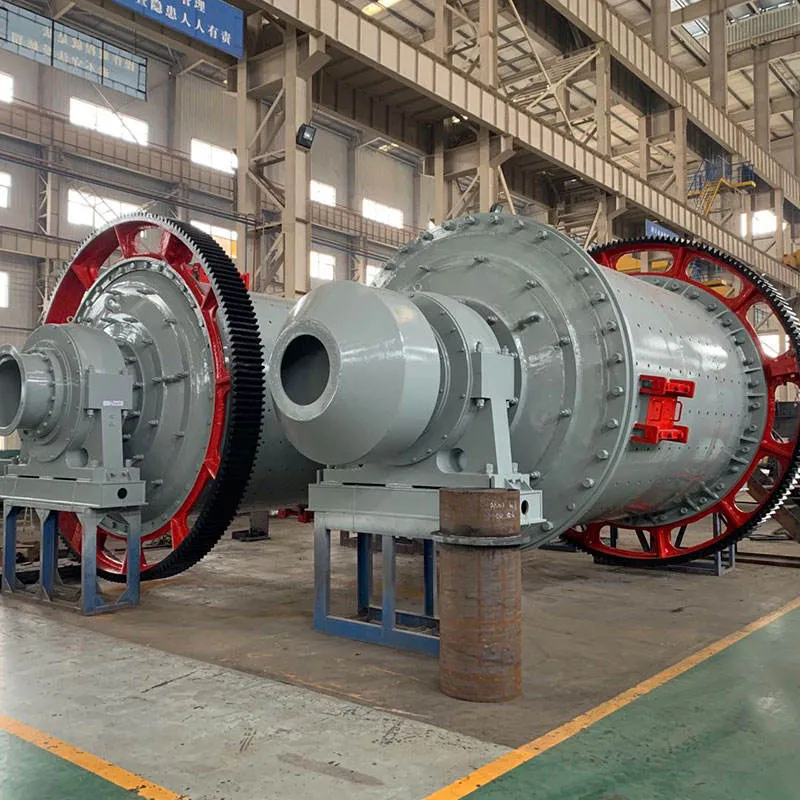
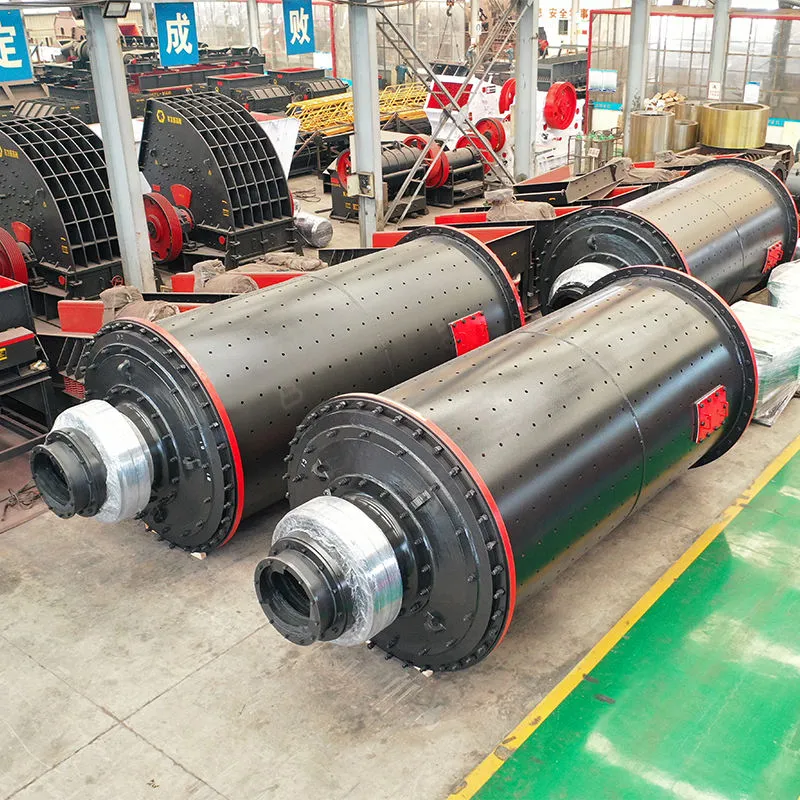
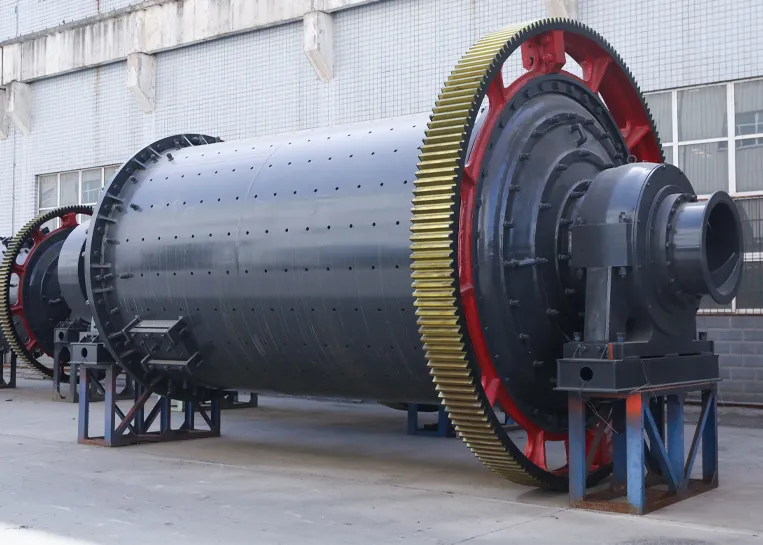
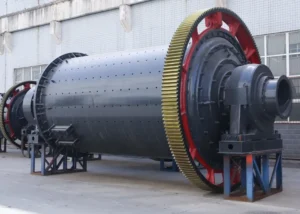
Grinding and classification is a crucial stage in tungsten ore beneficiation, a prerequisite for achieving good beneficiation indicators. If grinding and classification fail to liberate individual minerals, beneficiation efficiency will be significantly reduced. Considering the brittleness and easy crushing of tungsten, this stage often employs a single-stage or multi-stage grinding process. The steps are as follows: The qualified material after crushing and screening is fed into a ball mill (or rod mill ) for grinding. The ground material is then fed into a hydrocyclone or classifier for classification. Fine, qualified particles are discharged through the overflow process, while unqualified particles are discharged through the bottom and returned to the ball mill for further grinding to achieve the required particle size.
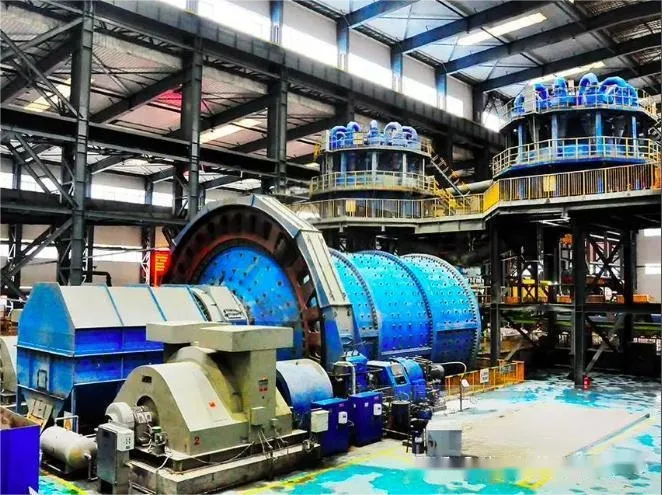
Gravity separation methods for tungsten ore are mainly based on the density difference between tungsten minerals and gangue or other minerals, and are achieved by utilizing a gravity field. Depending on the particle size, there are several types of gravity separation methods, including jigging gravity separation, shaking table gravity separation, and spiral sluice gravity separation .
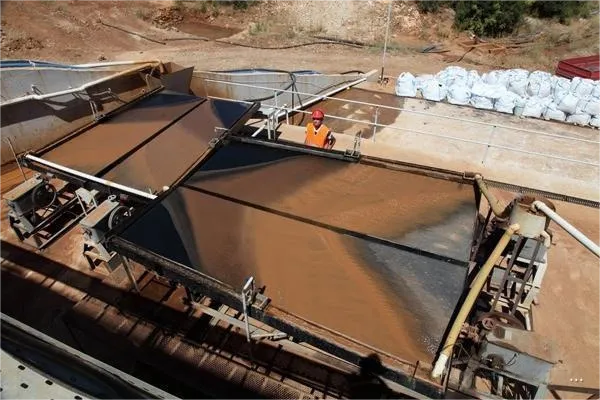
Shaking table gravity separation: Utilizing a tracked working face covered by a shaking table, minerals of different particle sizes are washed by water flow on an inclined shaking table. Heavier tungsten ore settles near the table surface, while lighter ore is carried away by the water flow. This method is often used for the fine-grained mineral refining to improve the grade of tungsten ore. Generally, the tailings from fine-grained jigging are fed into the shaking table for separation after being classified by a hydraulic classifier to obtain fine-grained tungsten concentrate.
Jigging gravity separation: This method utilizes the upward and downward flow of water to stratify minerals, separating tungsten ore through the ore deposit layers formed within the jigging chamber. It is often suitable for the beneficiation (or preliminary gravity separation) of tungsten ore with relatively coarse particle size. A three-stage jigging process is commonly used, where the crushed, qualified ore particles are passed through three vibrating screens to separate the material into coarse, medium, and fine particle sizes, which are then fed into the jigs for further separation. This method offers high throughput and high separation efficiency.
Spiral sluice gravity separation is a method of separation based on gravity and centrifugal force. The slurry flows down a spiral path through a sluice. Higher-density tungsten minerals enter the central sluice zone and slide down, while lower-density waste rock flows out with the slurry, thus separating the minerals. It is often used to improve the recovery of fine-grained minerals.
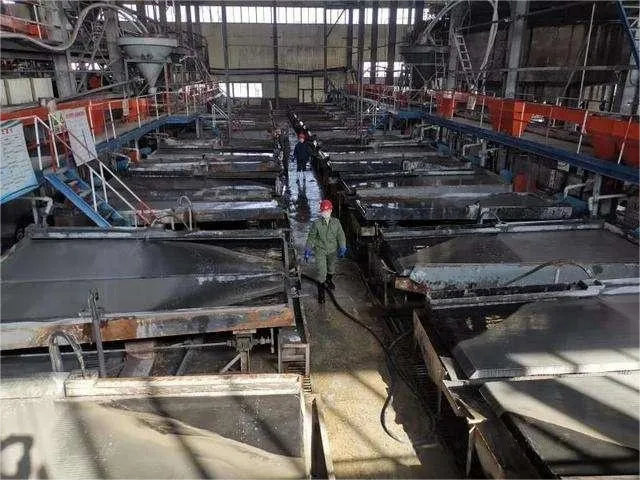
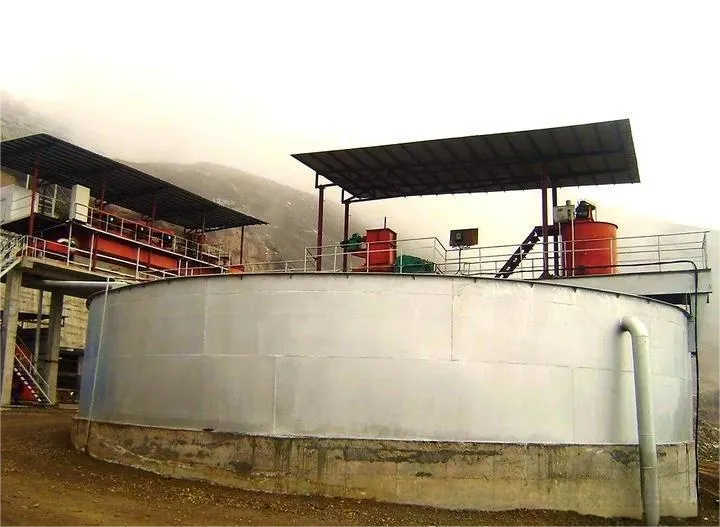
The tungsten ore dewatering process is mainly divided into two parts: tungsten concentrate dewatering and tailings dewatering. Concentrate dewatering involves concentrating, filtering, and drying the collected foam to obtain tungsten concentrate. Tailings dewatering, on the other hand, involves dewatering the tailings generated after beneficiation to meet environmental protection requirements. This stage mainly employs different dewatering methods or combinations of dewatering methods depending on the required dewatering rate. Commonly used equipment includes thickeners, hydrocyclones , dewatering screens , filters, and filter presses .
In the gravity separation process of tungsten ore beneficiation, several key technologies have a significant impact on the beneficiation effect.
1. Ore crushing technology
Ore crushing technology is the first step in tungsten ore beneficiation and plays a decisive role in subsequent grinding and flotation processes. Proper selection of crushing equipment and parameters can ensure that the ore particles are of appropriate size, which is beneficial for subsequent beneficiation operations.
2. Grinding technology
Grinding technology is key to improving the flotation performance of tungsten ore. By selecting appropriate grinding equipment and grinding media, and controlling grinding time and particle size, tungsten ore particles can be made finer, thus improving flotation efficiency.
3. Reselection technology
Gravity separation technology is a core component of the tungsten ore beneficiation process. By adjusting the parameters of the gravity separation equipment, such as the inclination, the amount of flushing water, and the flushing time, the separation and purification of tungsten ore can be achieved.
4. Tailings treatment technology
Tailings treatment technology is an important means of protecting the environment. By selecting appropriate tailings treatment methods, such as concentration, filtration, and dry discharge, the impact on the environment can be reduced, and sustainable development of tungsten ore beneficiation can be achieved.
As mentioned above, common tungsten ore gravity separation equipment mainly includes shaking tables, jigs, and spiral chutes.
Tungsten ore jigs: Commonly used types include bottom-moving cone jigs, Jishan-I jigs (suitable for medium and fine-grained materials), Jishan-II jigs (suitable for gravity separation of various particle sizes), single-chamber top-moving diaphragm jigs (suitable for coarse-grained 4.5-10mm and medium-grained 1.5-4.5mm qualified ores), and side-moving diaphragm jigs (suitable for middlings regrinding and re-concentration or hydraulic classification).
Tungsten ore shaking tables: Commonly used types include 6-S type shaking tables (eccentric linkage type), Yunnan tin type shaking tables (cam lever type), and spring shaking tables.
Tungsten ore spiral sluice: The commonly used equipment is the BLL spiral sluice, which includes single spiral sluices and double spiral sluices.
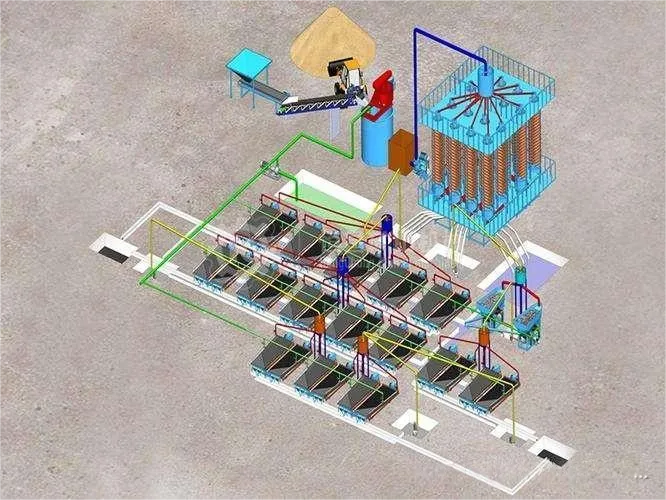
The above is an introduction to the tungsten ore gravity separation process. In actual ore beneficiation, whether gravity separation is used directly or in combination with other processes, it is necessary to determine the appropriate process based on the properties of the tungsten ore. In order to obtain a more ideal tungsten concentrate, it is recommended to conduct beneficiation tests. Through test analysis, a suitable tungsten ore gravity separation or tungsten gravity separation combined process can be designed. At the same time, a reasonable type and model of tungsten ore gravity separation equipment can be provided based on the process flow.