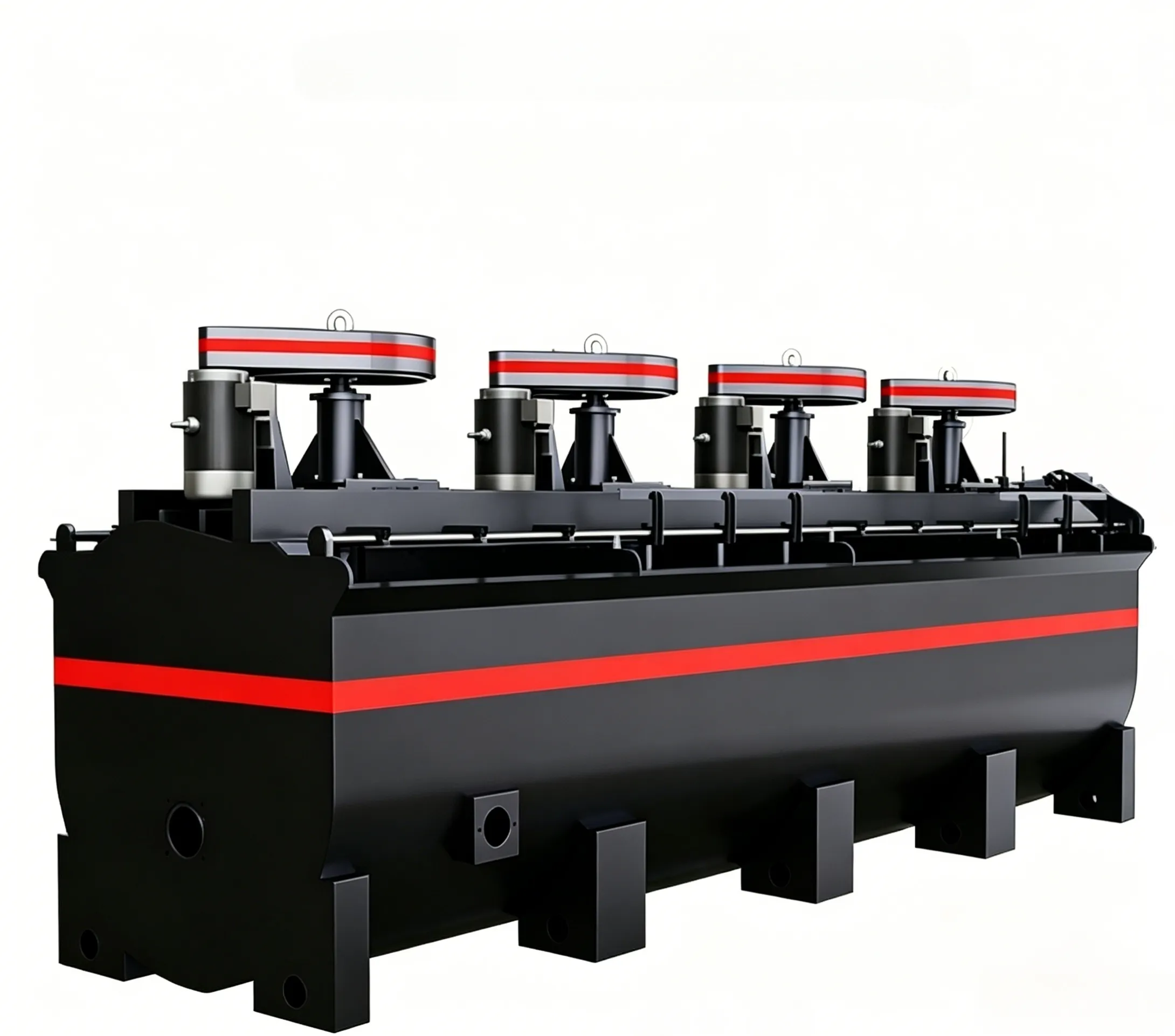
Máquina de flotação GF
Máquina de flotação GF Esta máquina de flotação foi projetada para partículas grossas e…

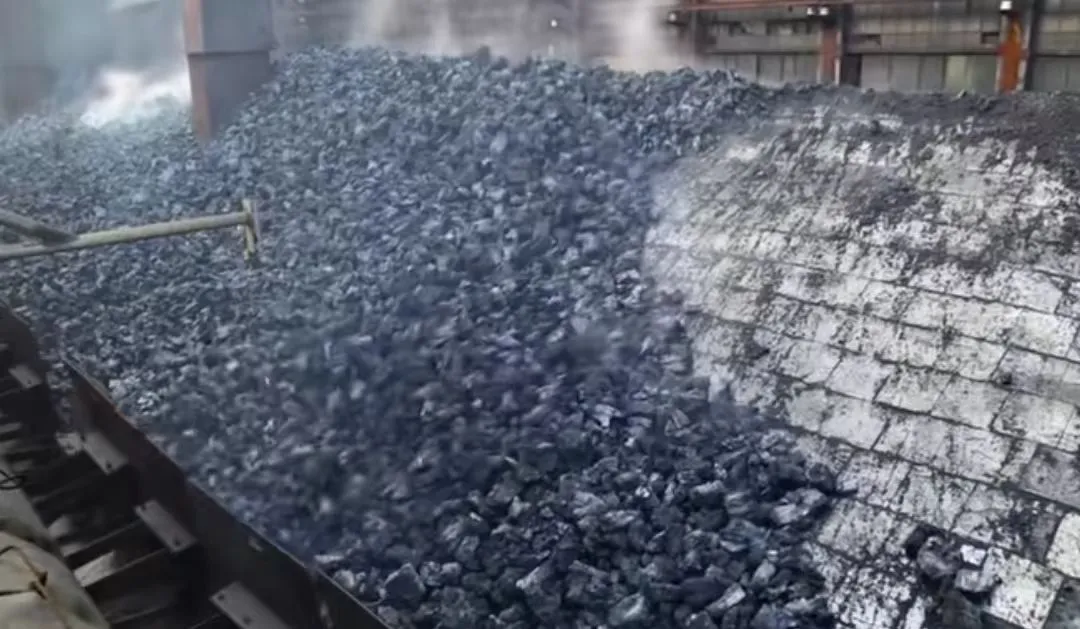
Process introduction: The specific gravity of antimony ore is much greater than that of gangue. Gravity separation is efficient, energy-saving, and environmentally friendly, and it can also pre-concentrate low-grade ore. The antimony ore after gravity separation is then purified by flotation. Therefore, the company generally adopts a combined gravity separation–flotation process for antimony ore beneficiation.

Application fields: The combined gravity separation–flotation process is basically applicable to all types of antimony ore. Preparation before beneficiation: The raw ore is first coarsely crushed and finely crushed to control the ore particle size below 30 mm. Screening and classification produce three size fractions: 8–30 mm, 2–8 mm, and 0–2 mm.
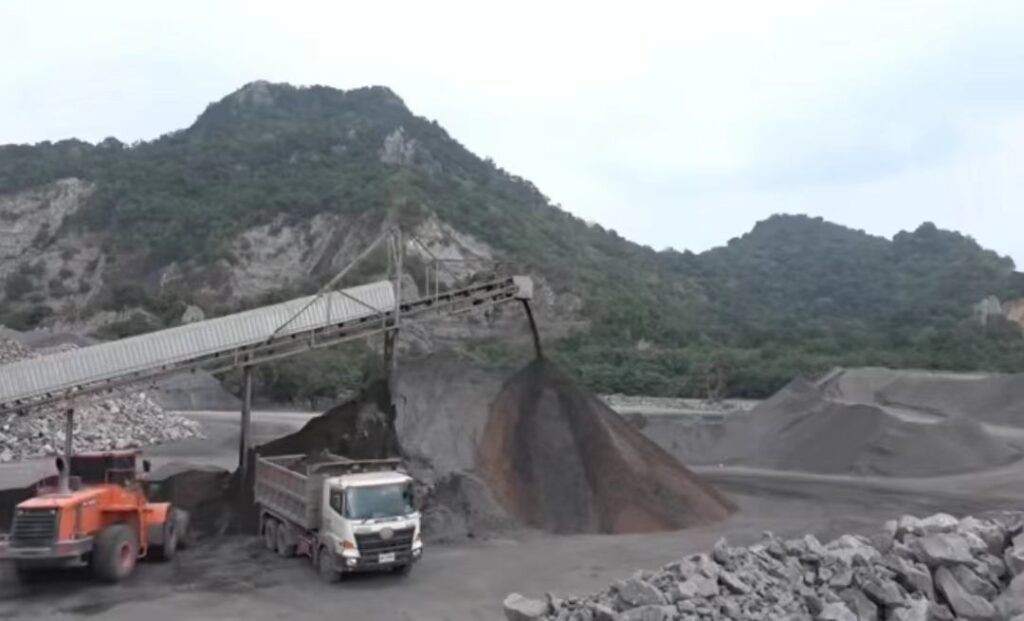
The three size fractions obtained after classification for gravity separation are fed respectively into jigs and sawtooth-wave jigs for jig gravity separation. The concentrates obtained are mixed and sent to the gravity concentrate area.
After the gravity separation circuit, a flotation circuit is arranged. The gravity tailings are ground, classified, agitated, and floated. The flotation circuit adopts one roughing, three cleaning, and two scavenging stages to obtain high-grade antimony flotation concentrate powder. The flotation tailings are subjected to shaking-table gravity separation to recover fine-grained antimony oxide, yielding high-grade antimony concentrate and tailings.
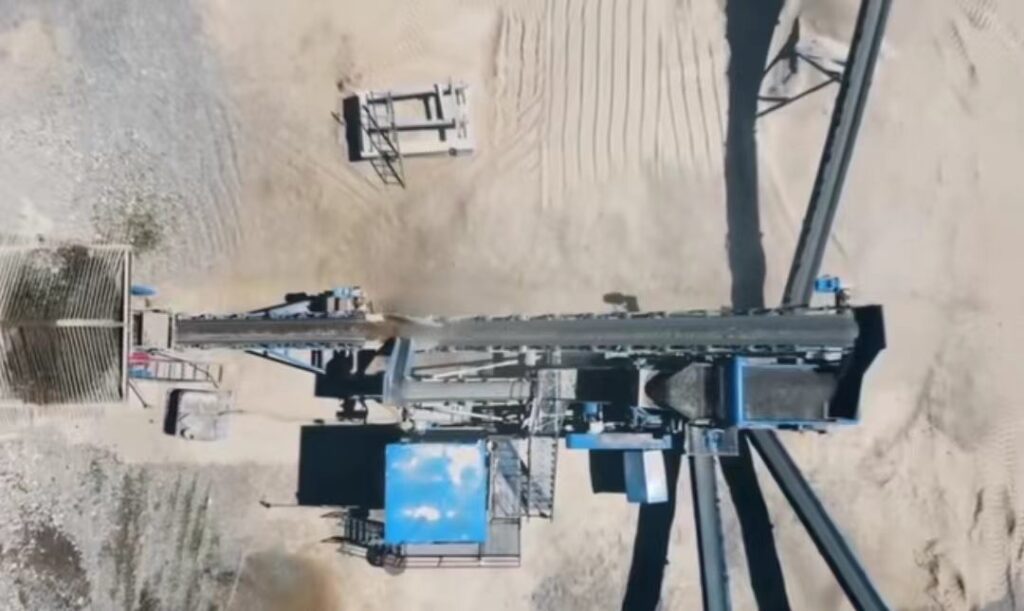
Hand sorting: For massive high-grade ore with extremely coarse dissemination, a hand-sorting step is added to the crushing circuit. The massive high-grade ore is manually sorted out, and the hand-sorting tailings re-enter the gravity separation circuit.

 English English
 Spanish
 Russian
 Arabic
 Swahili
 French
 Turkish
 Portuguese
 Korean
 Japanese
 German
 Italian