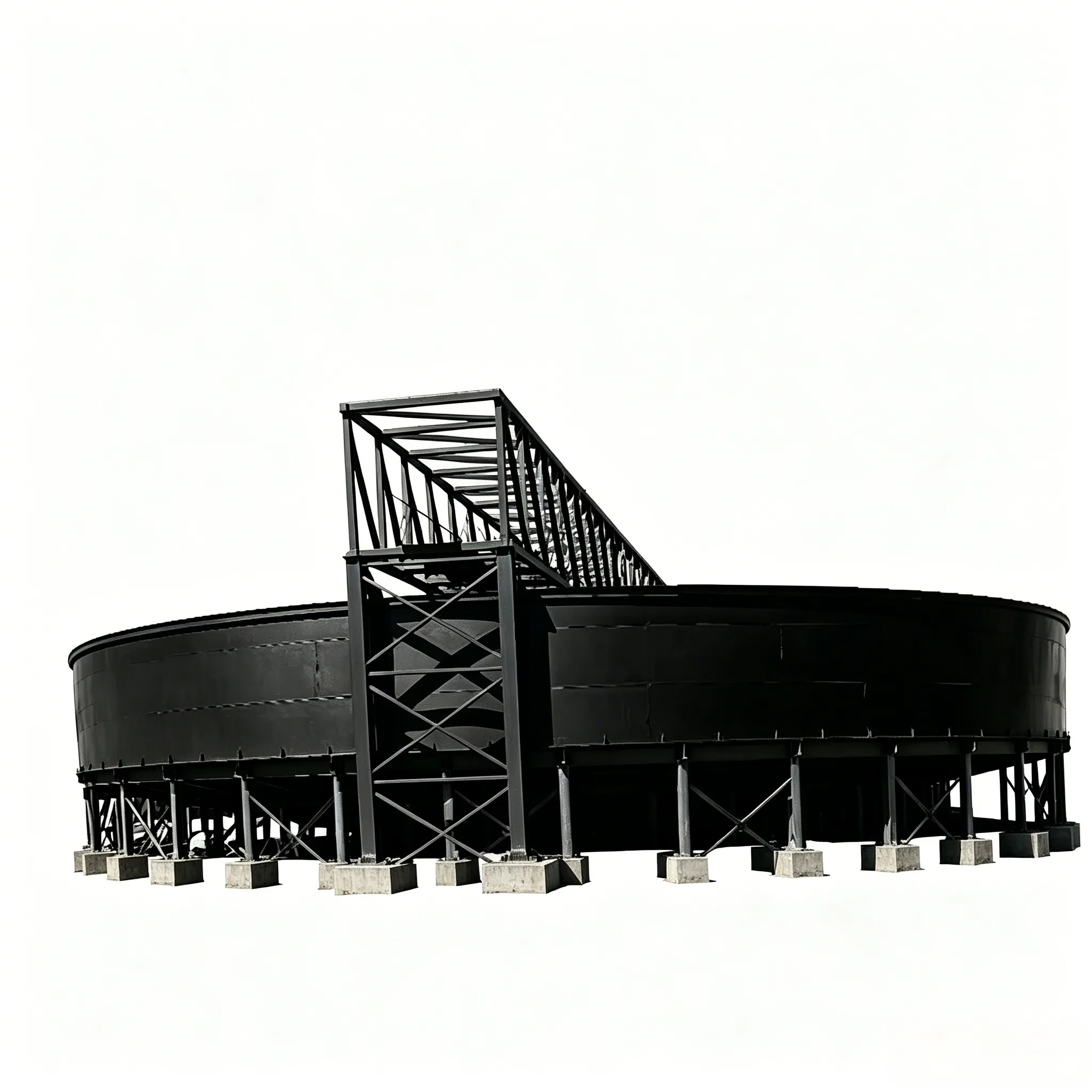
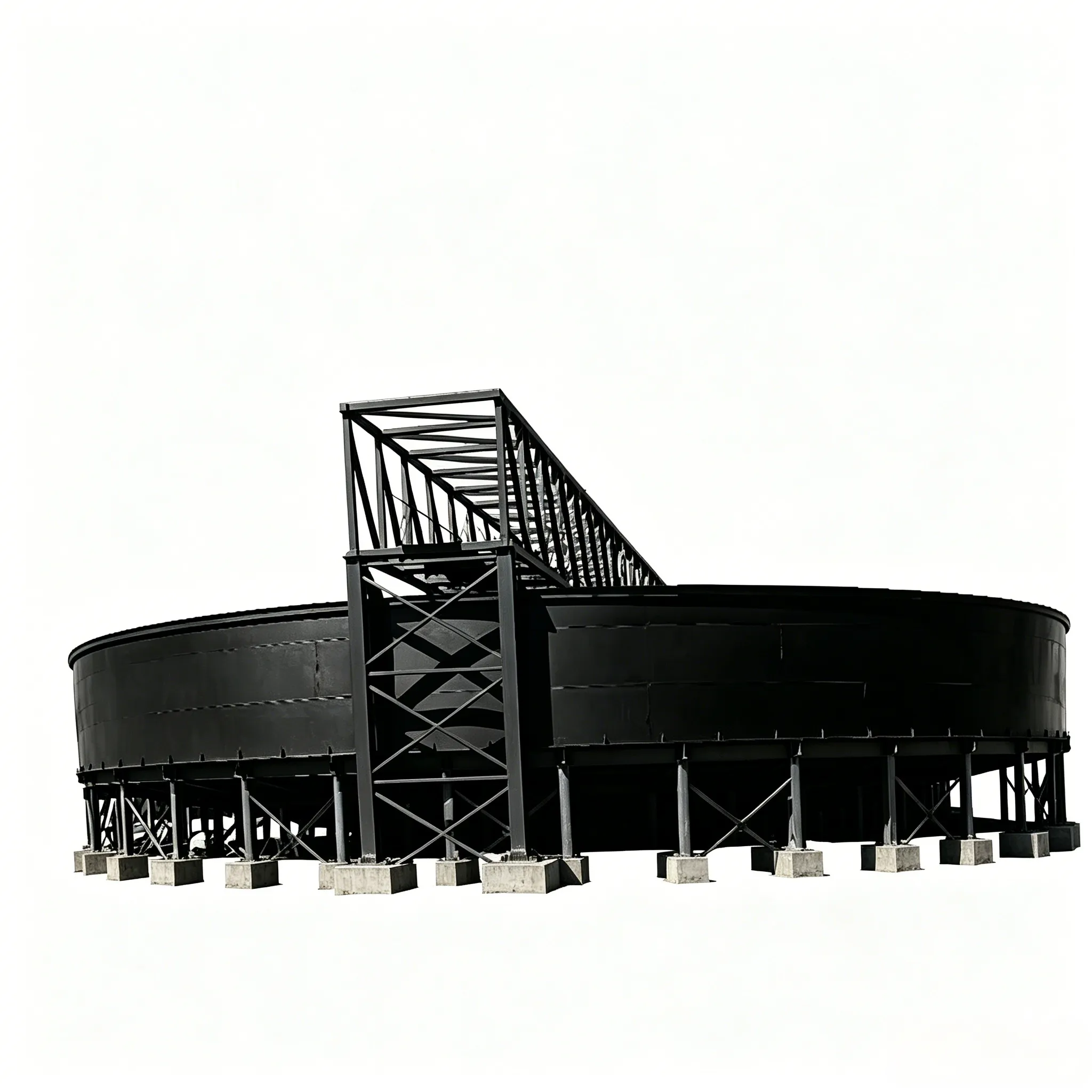
Espessador de placas inclinadas do tipo caixa
Espessador de placas inclinadas convencional O espessador (clarificador) de placas inclinadas da série KMIZ(Y) é um novo…


Limestone is one of the most abundant and widely used natural minerals, playing an essential role in industries such as building materials, chemicals, metallurgy, and power plant desulfurization. Grinding limestone into powders of different fineness levels is a critical step to increase its added value. Among various milling equipment, the Raymond mill (also known as Raymond roller mill) has long dominated the limestone powder processing market, thanks to its mature technology, stable performance, and outstanding cost‑effectiveness. This article provides a comprehensive overview of the advantages, working principle, selection criteria, and process flow of Raymond mills in limestone grinding.
Limestone typically has a Mohs hardness of around 3, placing it in the medium‑hardness category. Raymond mills are designed to process non‑flammable and non‑explosive materials with a Mohs hardness below 7 and a moisture content of less than 6%. The physical properties of limestone perfectly match the “comfort zone” of Raymond mills.
Compared with traditional grinding equipment, Raymond mills offer the following significant advantages:
High Sieve Passing Rate & Stable Product Quality
The finished powder from a Raymond mill has a uniform fineness, with a sieve passing rate as high as 99% – a level rarely achieved by other mills. For applications like building putty or gypsum mortar, the 200‑mesh or 325‑mesh passing rate can exceed 95%.
Compact System with Small Footprint
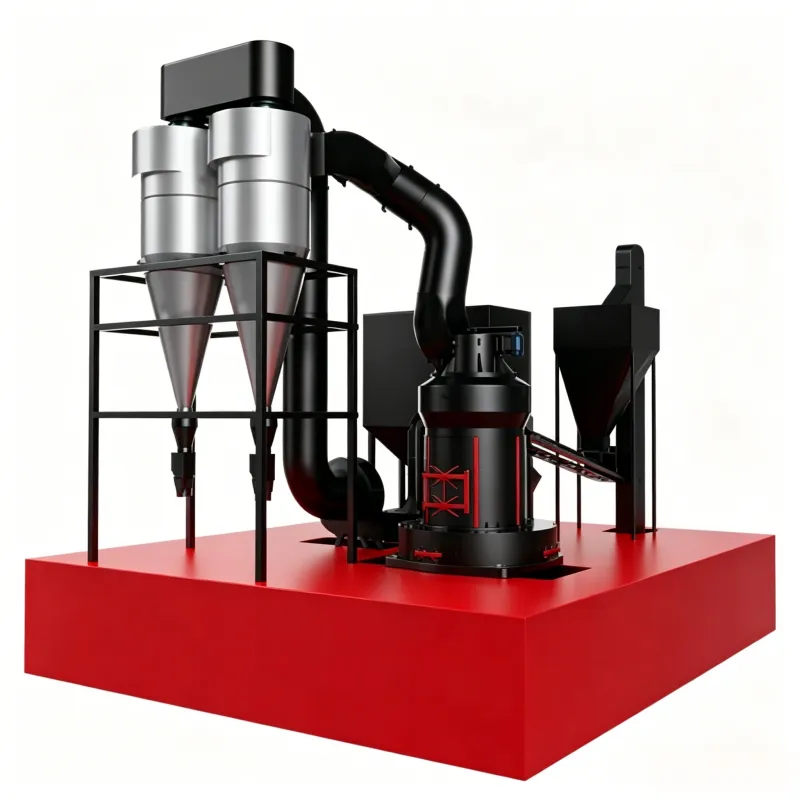
The Raymond mill features a vertical structure. From coarse crushing to conveying, grinding, and final packaging, the entire system can operate independently, requiring less floor space and offering high system integrity.
Energy‑Efficient and Environmentally Friendly
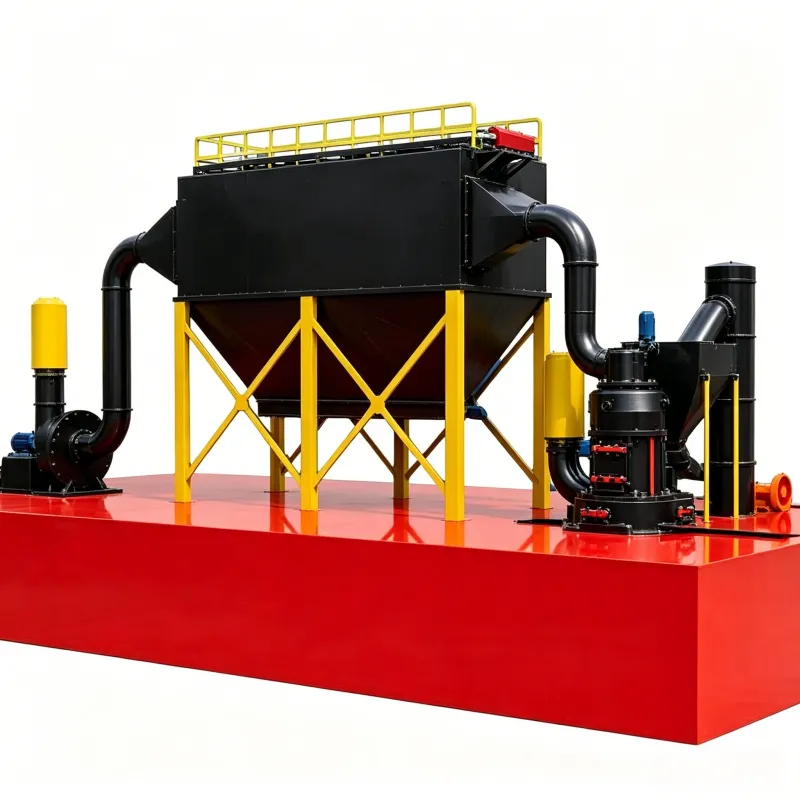
Compared with ball mills, Raymond mills are more efficient and consume less electricity. Moreover, the system uses a closed‑circuit airflow with a dust collector, achieving low emissions, minimal dust pollution, and low noise levels.
Reliable Operation and Easy Maintenance
The main drive uses sealed gearboxes and belt pulleys for smooth and reliable transmission. The electrical system features centralized control with a high degree of automation, enabling the grinding workshop to run virtually unattended.
The limestone grinding process in a Raymond mill can be summarized as a closed‑loop cycle of grinding → classifying → collecting:
When purchasing a Raymond mill for limestone, focus on the following three core parameters:
Raw Material Characteristics
Limestone has a Mohs hardness of about 3, so a standard Raymond mill can handle it well. However, if the raw material contains hard impurities (e.g., chert), the hardness increases, requiring a model with more grinding rollers and higher main motor power. In addition, the feed moisture must be kept below 6%; otherwise, issues like clogging or material build‑up may occur.
Finished Product Fineness
Different industries require different fineness levels of limestone powder:
| Inscrição | Finesse recomendada |
|---|---|
| Building putty, gypsum mortar | 200 mesh or 325 mesh |
| Power plant desulfurization | 250 mesh or 325 mesh |
| Fillers for plastics, rubber, toothpaste | 400–600 mesh, or even 800 mesh |
The conventional fineness range (80–400 mesh) is the “economic operating zone” of Raymond mills, where most standard models perform optimally. For ultra‑fine powder, a model with a high‑precision classifier system is needed.
Capacidade de produção
Choose the appropriate equipment size based on your output requirements:
A complete limestone powder production line using a Raymond mill typically includes the following steps:
Esmagamento → Large limestone is coarsely crushed by a jaw crusher.
Elevating & Conveying → A bucket elevator transports the crushed material to a storage bin.
Uniform Feeding → An electromagnetic vibrating feeder evenly feeds the material into the Raymond mill.
Retificação → The Raymond mill grinds the material under roller‑ring compression.
Air Classifying → The air stream carries the powder to the classifier for separation.
Product Collecting → A cyclone collector captures the qualified fine powder.
Air Recirculation → Purified air returns to the blower, completing the closed loop.
Limestone powder (ground calcium carbonate) produced by Raymond mills is widely used in:
Com seu mature technology, high cost‑effectiveness, stable product quality, and strong system integration, the Raymond mill has become the preferred equipment for limestone powder processing. Whether you need 200‑mesh powder for building putty or 325‑mesh powder for desulfurization, a Raymond mill can deliver stable and efficient performance.

 English English
 Spanish
 Russian
 Arabic
 Swahili
 French
 Turkish
 Portuguese
 Korean
 Japanese
 German
 Italian