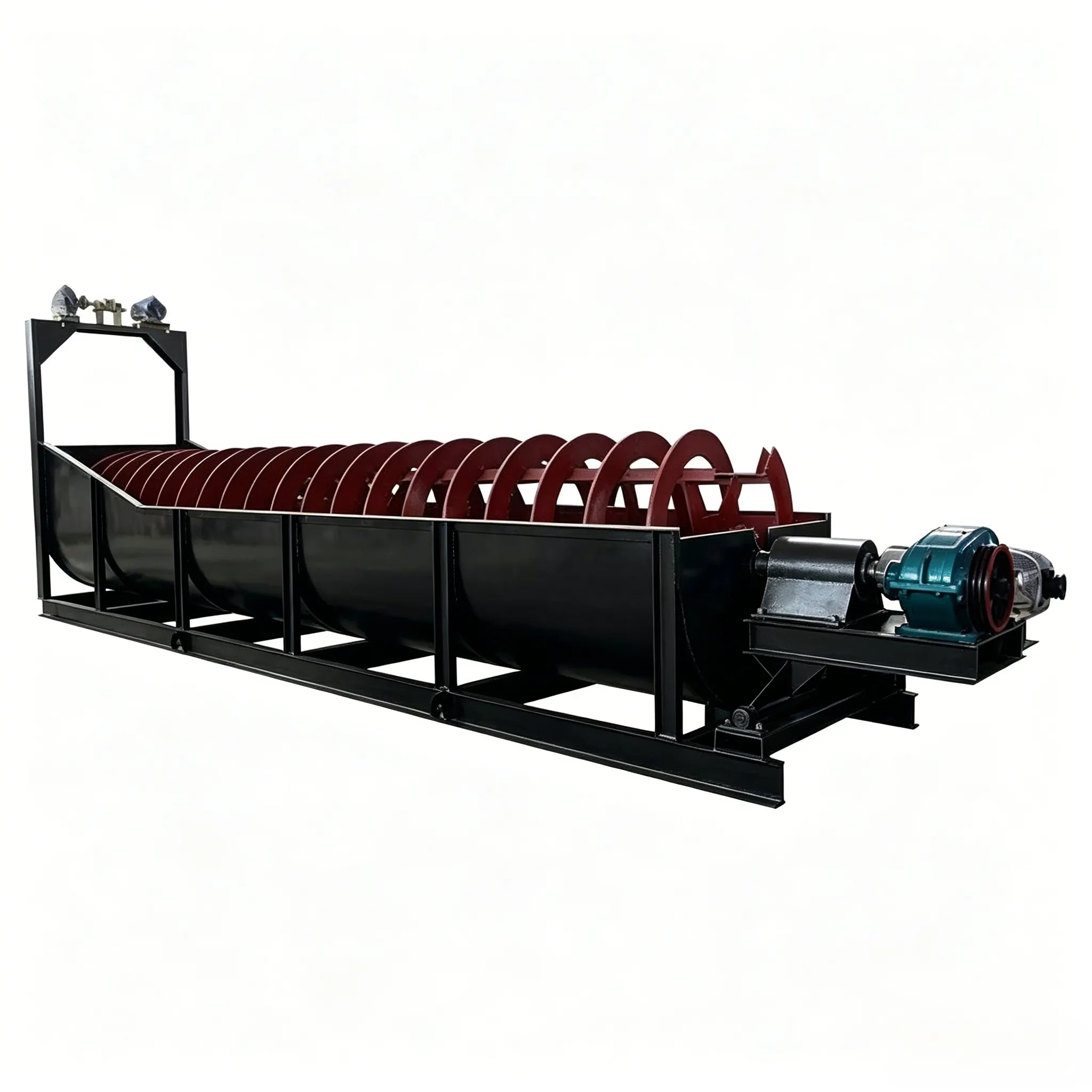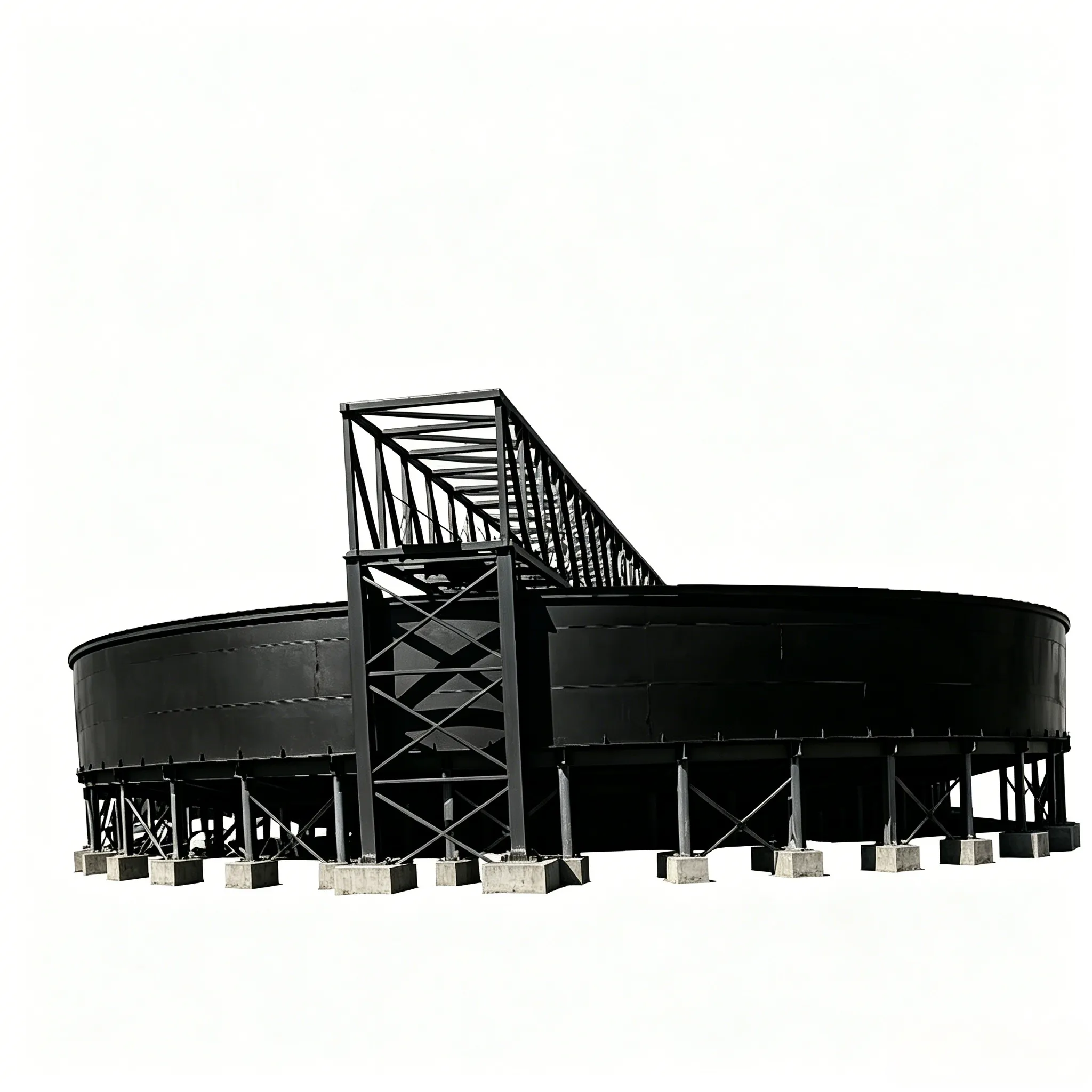
Сгуститель с наклонными пластинами коробчатого типа
Традиционный сгуститель с наклонными пластинами Сгуститель с наклонными пластинами (сепаратор) серии КМИЗ(Y) - это новый...

I. Detailed Explanation of Three Mainstream Processes for a 2000-ton/day Concentrator
Comparative Analysis of Three Process Routes:
Applicable Ores: Oxide ores, fine-grained disseminated ores.
Core Flow: Raw ore → (crushed to -12mm) → fine grinding → cyanidation leaching → activated carbon adsorption → gold-loaded carbon desorption and electrolysis.
Process Advantages: The process is globally applicable, the technology is mature and reliable, and it is the preferred standard solution for processing oxide ores, featuring high recovery rates and relatively simple management.
Applicable Ores: Sulfide ores (such as gold-bearing pyrite, arsenopyrite, etc.).
Core Flow: Raw ore → (crushed to -12mm) → grinding → flotation to obtain gold concentrate → concentrate regrinding → cyanidation leaching.
Process advantages: By fully utilizing the carrier mineral properties of gold, the amount of material directly entering the leaching process is greatly reduced, thereby significantly reducing the consumption of reagents such as cyanide and the subsequent tailings treatment costs.
Applicable Ore: Ore containing coarse-grained single gold particles.
Core Process: After crushing, the raw ore is processed by embedding gravity separation equipment such as jigs and shaking tables in the grinding and classification loop to recover the liberated coarse gold particles in advance. The fine particles enter the main process.
Process Advantages: Achieves “early and high recovery,” quickly generating cash flow and improving the overall system recovery rate, avoiding losses from over-grinding of coarse gold particles.
II. Core Equipment List for a 2000-ton/day Gold Mine Processing Plant
A standardized 2000-ton/day gold ore processing plant has the following core equipment configuration:
Crushing and Screening System:
Coarse Crushing: Jaw Crusher (1 unit, for processing large raw ore, such as PE900×1200 type).
Medium and Fine Crushing: Hydraulic Cone Crusher (2-3 units, forming a closed-loop cycle to achieve layered crushing).
Screening: Heavy-duty Vibrating Screen (controls the final crushed product particle size, typically targeting below -12mm).
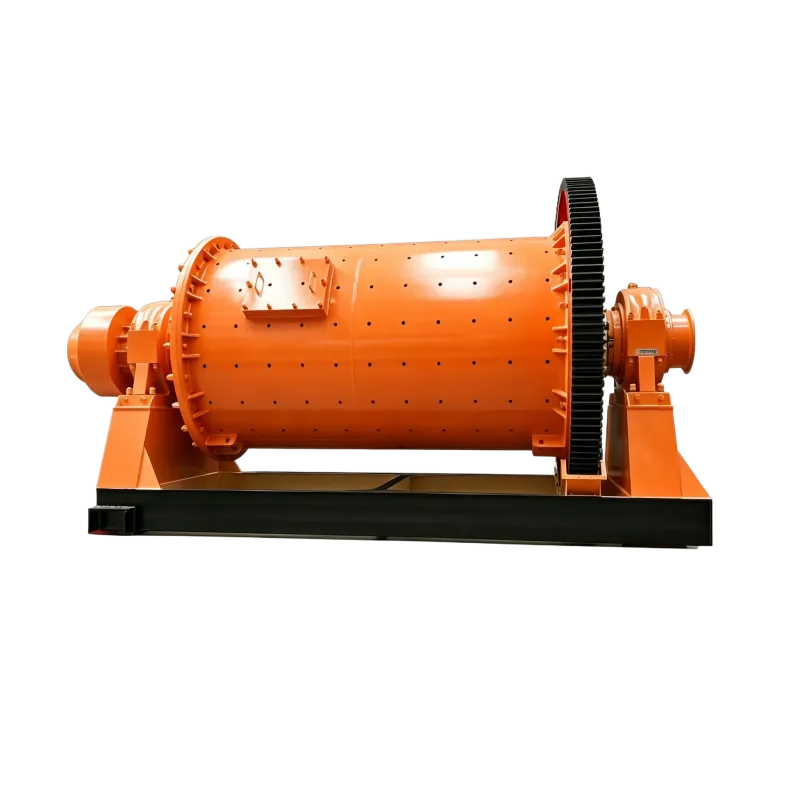
Grinding Core: Overflow Ball Mill (Φ3.6×6.0m and above, approximately 1-2 units).
Classification Key: Hydrocyclone Assembly (forming a closed loop with the ball mill to precisely control grinding fineness, typically aiming for -200 mesh to achieve 85%-95%).
CIL Process: Large double-impeller leaching and adsorption tanks (8-12 units in series), desorption and electrolysis unit.
Flotation Process: Mechanically stirred flotation machine (20-30 tanks for roughing, cleaning, and scavenging).
Dewatering Equipment: High-efficiency thickener, high-pressure diaphragm filter press or ceramic filter.
Auxiliary System: Diaphragm pump (tailings conveying), wastewater treatment system, bag filter system.
Intelligent Core: Online grade analyzer, particle size analyzer, pH meter, and plant-wide automation control center (DCS/PLC).
III. Key Recovery Indicators Analysis
Recovery rate is the most crucial hard indicator for measuring the level of mineral processing technology and the economic benefits of a project. Under the premise of reasonable matching of process and equipment, the typical recovery rate ranges for various mainstream processes are as follows:
CIL Process: For suitable oxide ores, the total gold recovery rate can reach 90%-94%.
Flotation + Cyanidation Process: For suitable sulfide ores, the overall recovery rate can reach 88%-92%.
Combined Process: For coarse-grained gold ores, pre-gravity separation can further increase the overall system recovery rate by 1-3 percentage points.
Tailings Control: Through process optimization and precise control, tailings grade can be stably maintained at a low level, reducing resource loss.
IV. Investment and Cost Structure Analysis
Engineering Construction and Installation (approximately 55%-65%): Includes the main plant building, raw ore/concentrate stockpile, tailings dam, environmental protection facilities, and supporting facilities. Among these, the investment to meet high-standard safety and environmental protection requirements (such as tailings dams and water treatment) is increasingly significant, typically accounting for 20%-30% of this investment.
Equipment Procurement and Installation (approximately 25%-35%): Covers the purchase, transportation, installation, and commissioning costs of core equipment throughout the entire process, from crushing, grinding, beneficiation to dewatering and automation systems.
Other Costs (approximately 10%-15%): Includes detailed engineering design, technical consultation, personnel training, construction period management fees, and unforeseen expenses.
Mining Costs (approximately RMB 60-90/ton): Depends on the mining method (open-pit/underground) and operating model (self-mining/outsourcing), and is one of the main cost variables.
Mineral processing costs (approximately 50-70 RMB/ton): mainly composed of energy consumption (electricity, accounting for approximately 30%-40%), steel consumption (grinding balls, liners), reagents (cyanide, flotation agents), and labor and daily maintenance costs.
Management, finance, and taxes (approximately 20-30 RMB/ton): covers daily management expenses, asset depreciation, financial costs, and various statutory taxes.
Key takeaway: The above investment and cost analysis is a framework reference based on experience with medium-sized projects in the industry. Specific data is affected by multiple factors, and individual differences are significant.