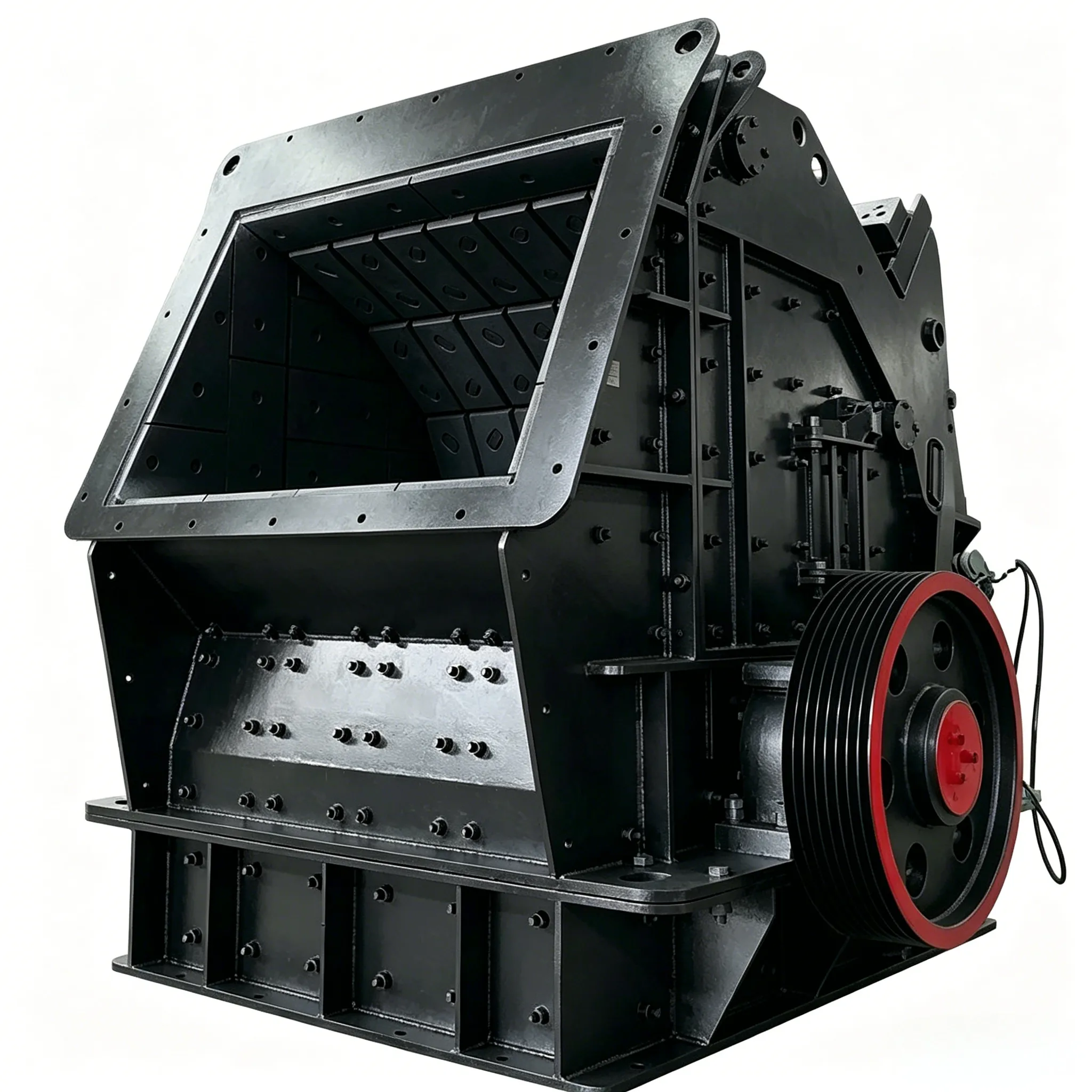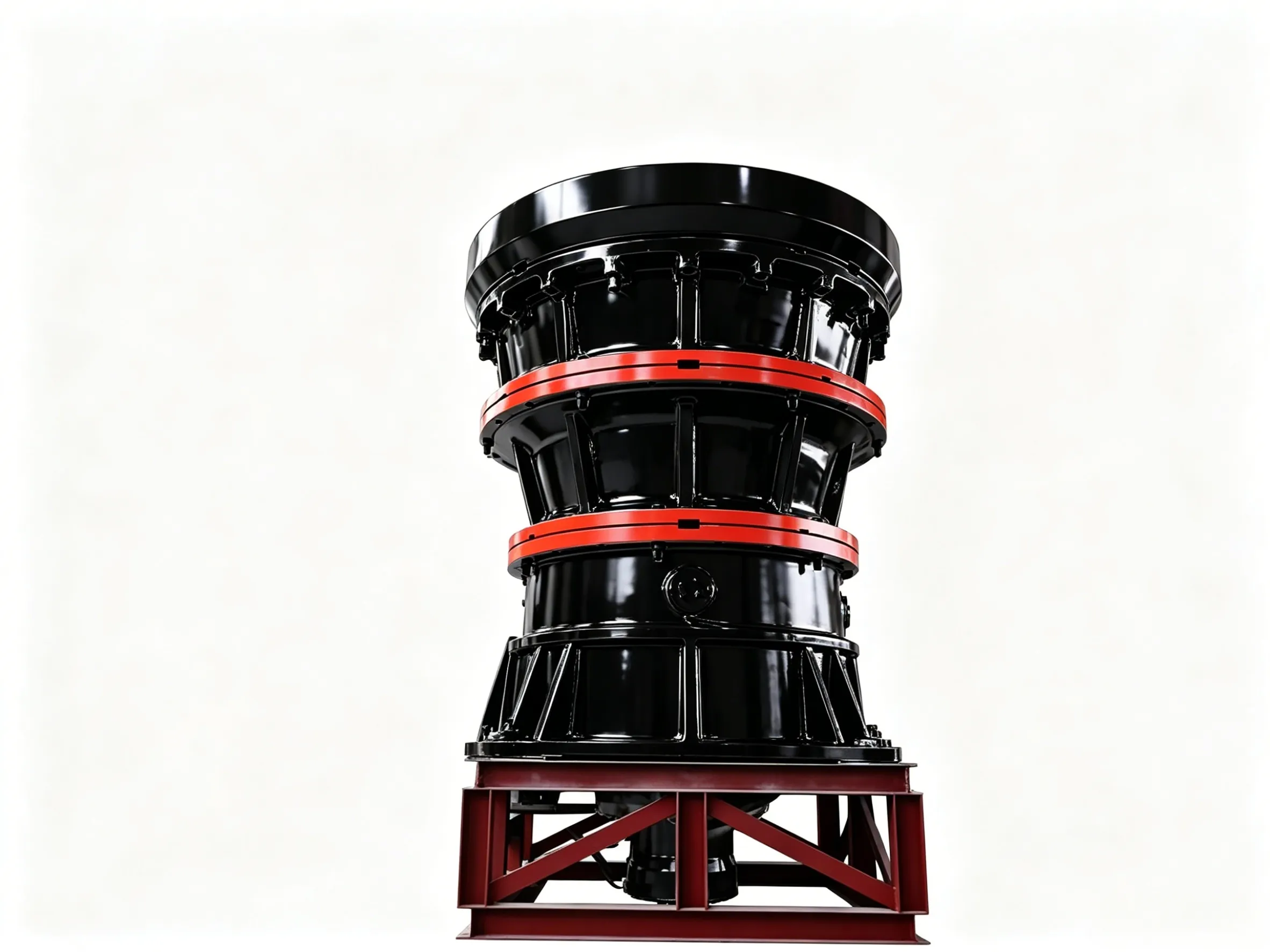
Гирационная дробилка
Types of Gyratory Crushers Gyratory crushers have been used in industry since…

Choosing the right industrial grinding mill is critical for mineral processing, powder production, and material size reduction. Two of the most common machines used worldwide are the шаровая мельница and the мельница Raymond (also known as the Raymond roller mill). Although both are designed to grind materials into fine powder, they operate on entirely different principles and are suited for very different applications.
This detailed guide explains the difference between ball mill and Raymond mill across 10 key aspects, including working principle, structural design, capacity, energy consumption, maintenance, and ideal use cases.
A шаровая мельница is a horizontal rotating cylinder partially filled with grinding media (steel balls, ceramic balls, or rods). Material fed into the drum is crushed by impact – the falling balls – and attrition – the rolling and sliding between balls and the drum wall.
Common applications:
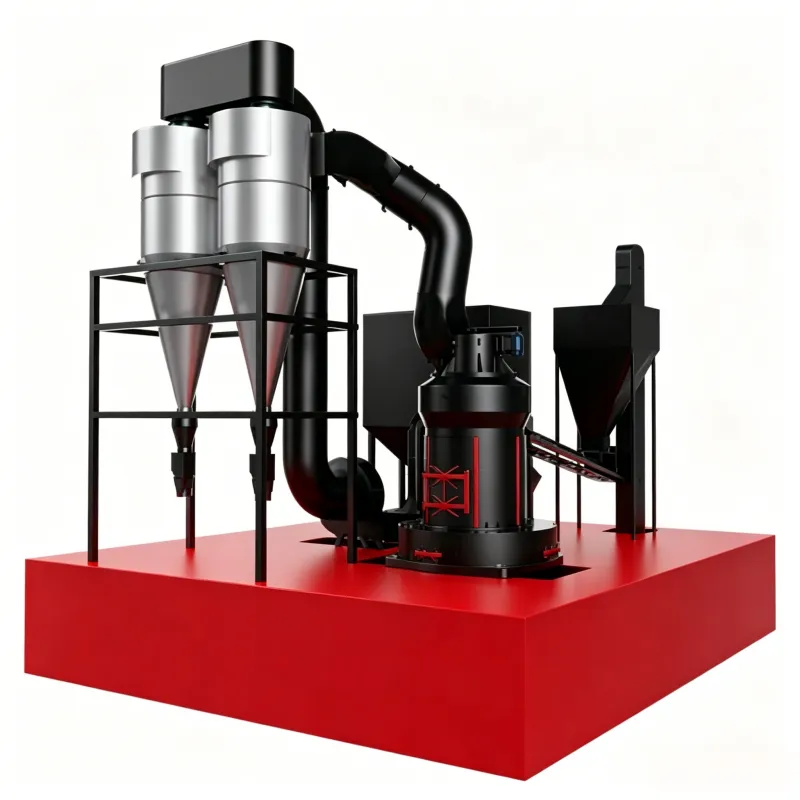
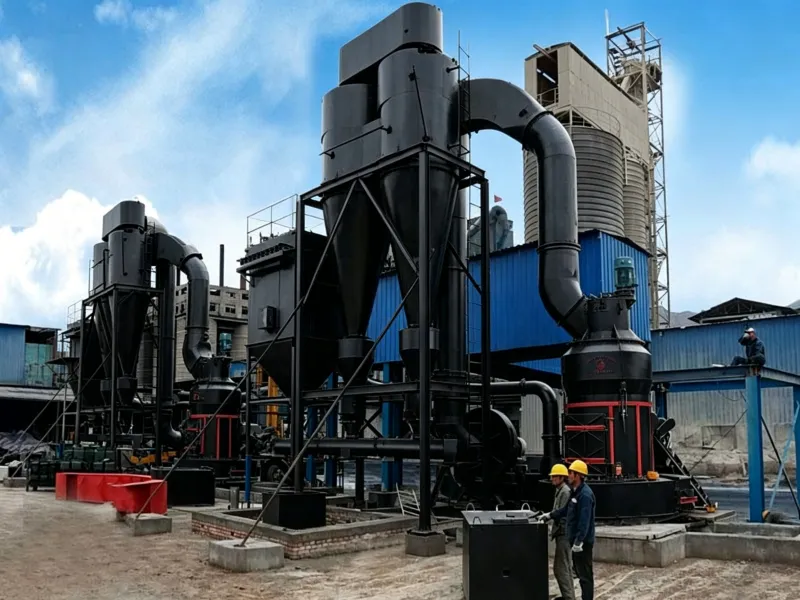
A мельница Raymond (or Raymond roller mill) is a vertical grinding machine with a fixed grinding ring and several swinging rollers that rotate around a central shaft. Material is ground by compression and shearing between the rollers and the ring. An integral air classifier continuously separates fine powder from coarse particles.
Common applications:
| Feature | Шаровая мельница | Мельница Раймонда |
|---|---|---|
| Mechanism | Impact + attrition | Compression + shearing |
| Motion | Rotating horizontal drum | Vertical rollers against a fixed ring |
| Grinding media | Loose balls (steel/ceramic) | No loose media – rollers and ring |
| Параметр | Шаровая мельница | Мельница Раймонда |
|---|---|---|
| Max feed size | ≤25 mm | ≤35 mm (best <15 mm) |
| Тонкость продукта | 20–200 mesh (74–800 µm) | 80–600 mesh (23–177 µm) |
| Ultra‑fine capability | Can reach 10–50 µm with longer grinding | Limited to ~45 µm (325 mesh) |
SEO tip: If you need fine powder between 80 and 400 mesh, Raymond mill is often preferred. For coarser output or very hard materials, choose a ball mill.
| Mill Type | Typical Capacity |
|---|---|
| Шаровая мельница | 1 – 200+ tons per hour |
| мельница Raymond | 0.5 – 20 tons per hour |
Conclusion: Large‑scale mining and cement plants use ball mills; small to medium‑sized powder factories use Raymond mills.
| Aspect | Шаровая мельница | Мельница Раймонда |
|---|---|---|
| High‑wear parts | Liners + grinding balls | Rollers + grinding ring |
| Replacement frequency | Liners: 6–24 months; balls: continuous | Rollers/ring: 2–6 months (abrasive materials) |
| Maintenance complexity | Medium – requires relining and ball charging | Higher – frequent roller/bearing inspection |
| Cost Factor | Шаровая мельница | Мельница Раймонда |
|---|---|---|
| Initial investment (CapEx) | Higher (larger machine + external classifier) | Lower (compact, self‑contained) |
| Operating cost (OpEx) for soft materials | Higher | Lower |
| Operating cost for hard/abrasive materials | Lower (longer wear life) | Higher (frequent roller replacement) |
| Ball Mill Industries | Raymond Mill Industries |
|---|---|
| Mining (ore processing) | Mineral powder (limestone, talc, barite) |
| Cement manufacturing | Building materials (gypsum, lime) |
| Power generation (coal) | Chemical & fertilizer |
| Ceramics | Food additives (with modifications) |
Below is a quick‑reference table for the ball mill vs raymond mill comparison:
| Параметр | Шаровая мельница | Мельница Раймонда |
|---|---|---|
| Grinding mechanism | Impact + attrition | Compression + shearing |
| Orientation | Horizontal rotating drum | Vertical fixed ring |
| Grinding media | Steel/ceramic balls | Rollers + ring |
| Output fineness | 20–200 mesh (coarser) | 80–600 mesh (finer) |
| Размер корма | ≤25 mm | ≤35 mm (best <15 mm) |
| Material hardness | Up to Mohs 7–8 | Best for Mohs <7 |
| Moisture tolerance | 3–4% | <6% |
| Производительность (т/ч) | 1 – 200+ | 0.5 – 20 |
| Energy (kWh/t) | 20–35 | 10–20 |
| Noise level | Very high (90–120 dB) | Moderate (70–90 dB) |
| Dust control | Moderate (requires bag filter) | Excellent (sealed system) |
| Initial cost | Высокий | Low to medium |
| Wear life for hard materials | Long | Short |
Q: Can a Raymond mill grind hard materials like quartz?
A: Not efficiently. Quartz (Mohs 7) will wear out rollers and rings very quickly. Use a ball mill for hard ores.
Q: Which mill is better for limestone powder?
A: For 200‑mesh limestone powder, a Raymond mill is more energy‑efficient and cost‑effective. For very large capacity (>15 t/h), a ball mill or vertical mill may be better.
Q: Is a Raymond mill the same as a roller mill?
A: Yes. Raymond mill is a brand name that has become a generic term for a pendulum roller mill.
Q: Which mill has lower maintenance cost?
A: For soft materials, Raymond mill has lower maintenance. For hard/abrasive materials, ball mills have longer wear life and lower total maintenance cost.
Both the шаровая мельница and the мельница Raymond are essential grinding technologies, but they are not interchangeable.
By understanding the differences in working principle, capacity, energy use, wear parts, and application fields, you can select the right mill for your specific material and production goals – saving both capital and operating costs.