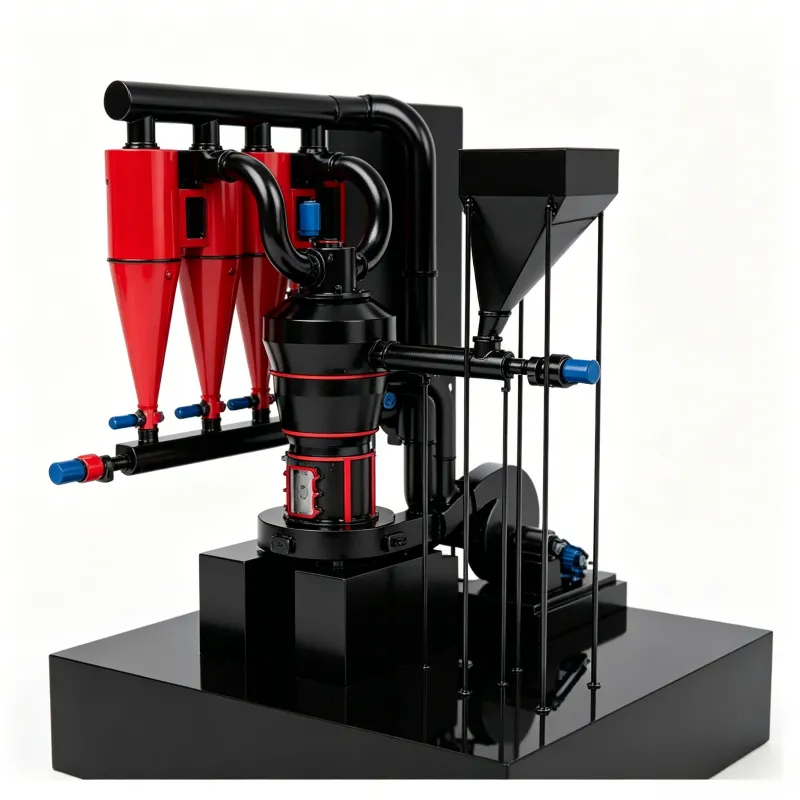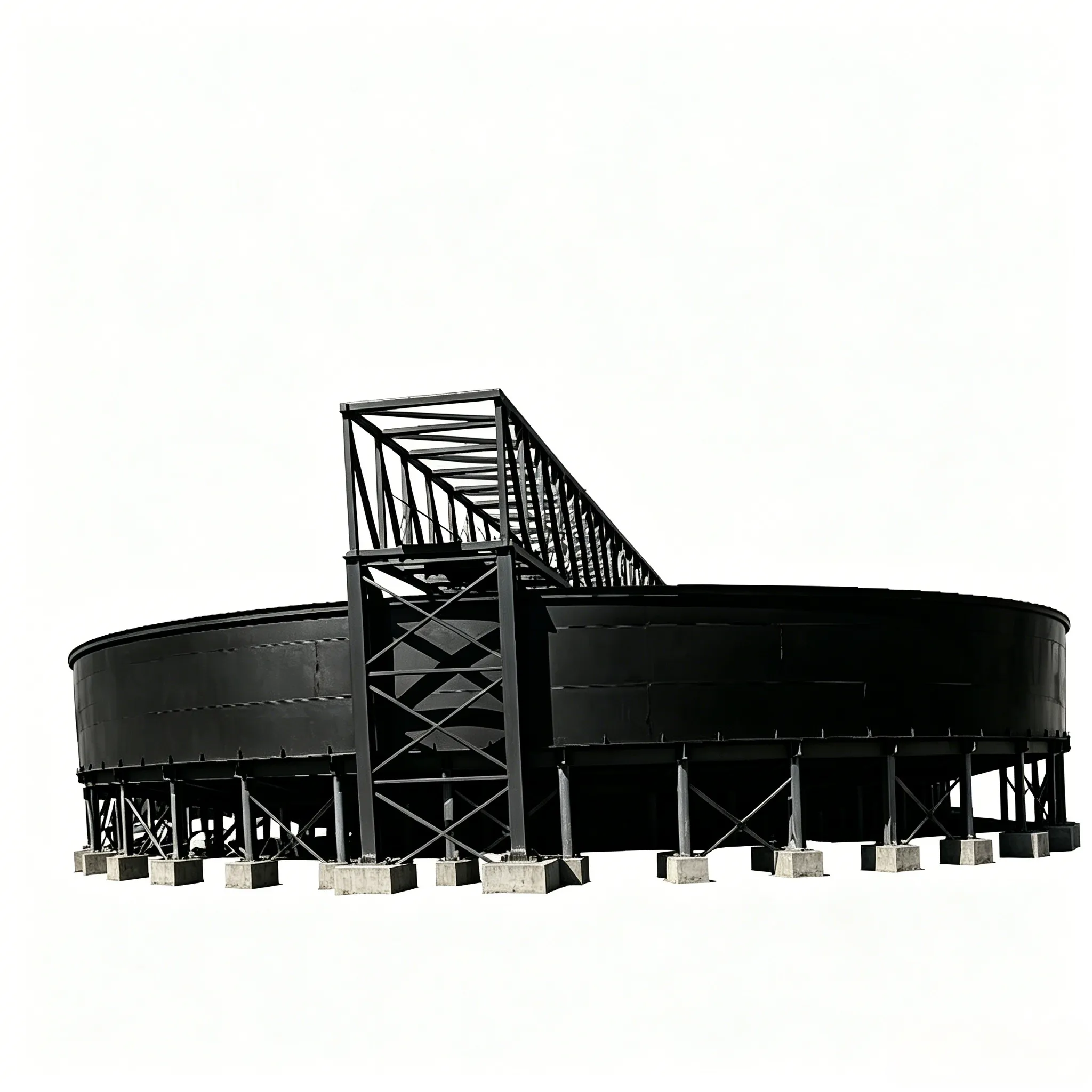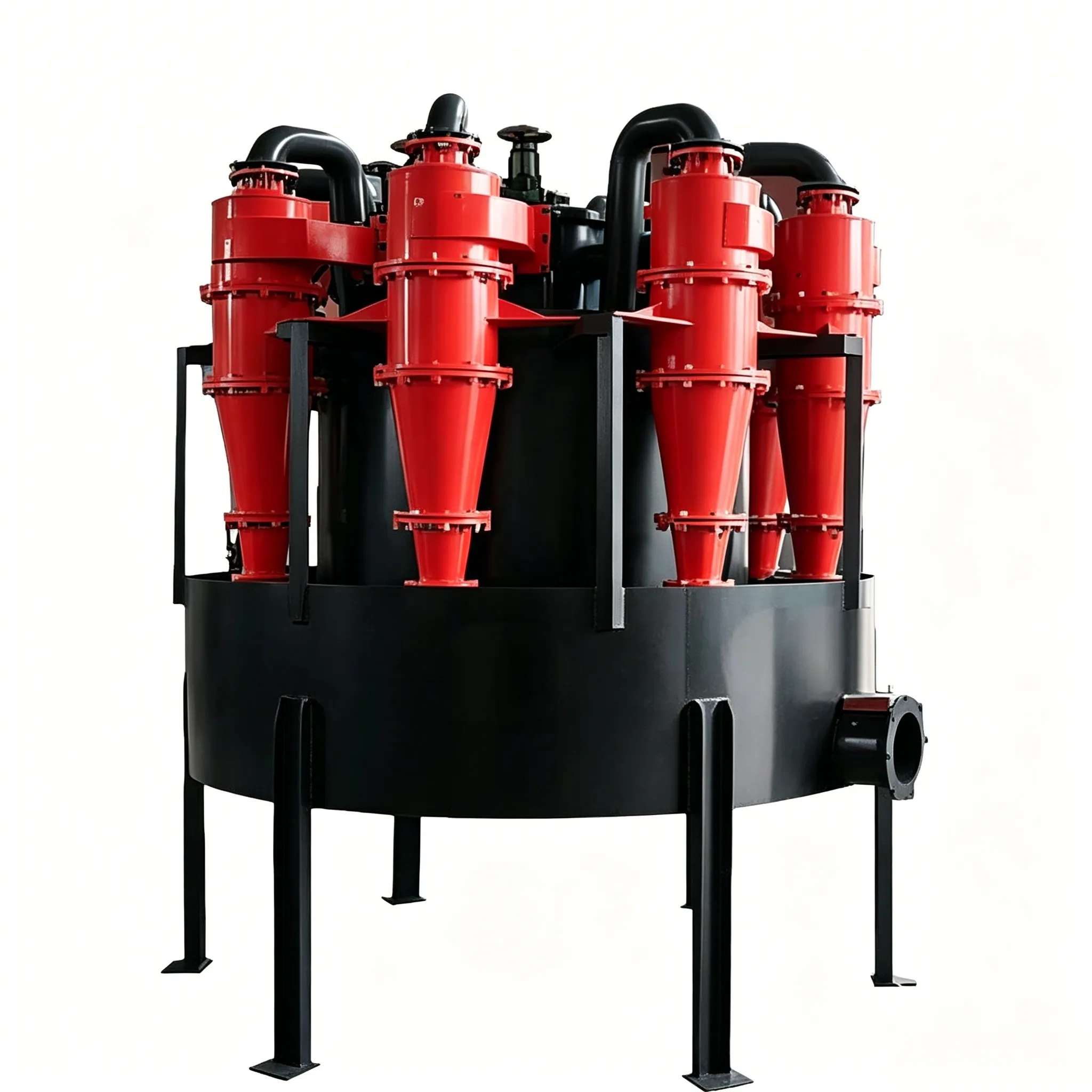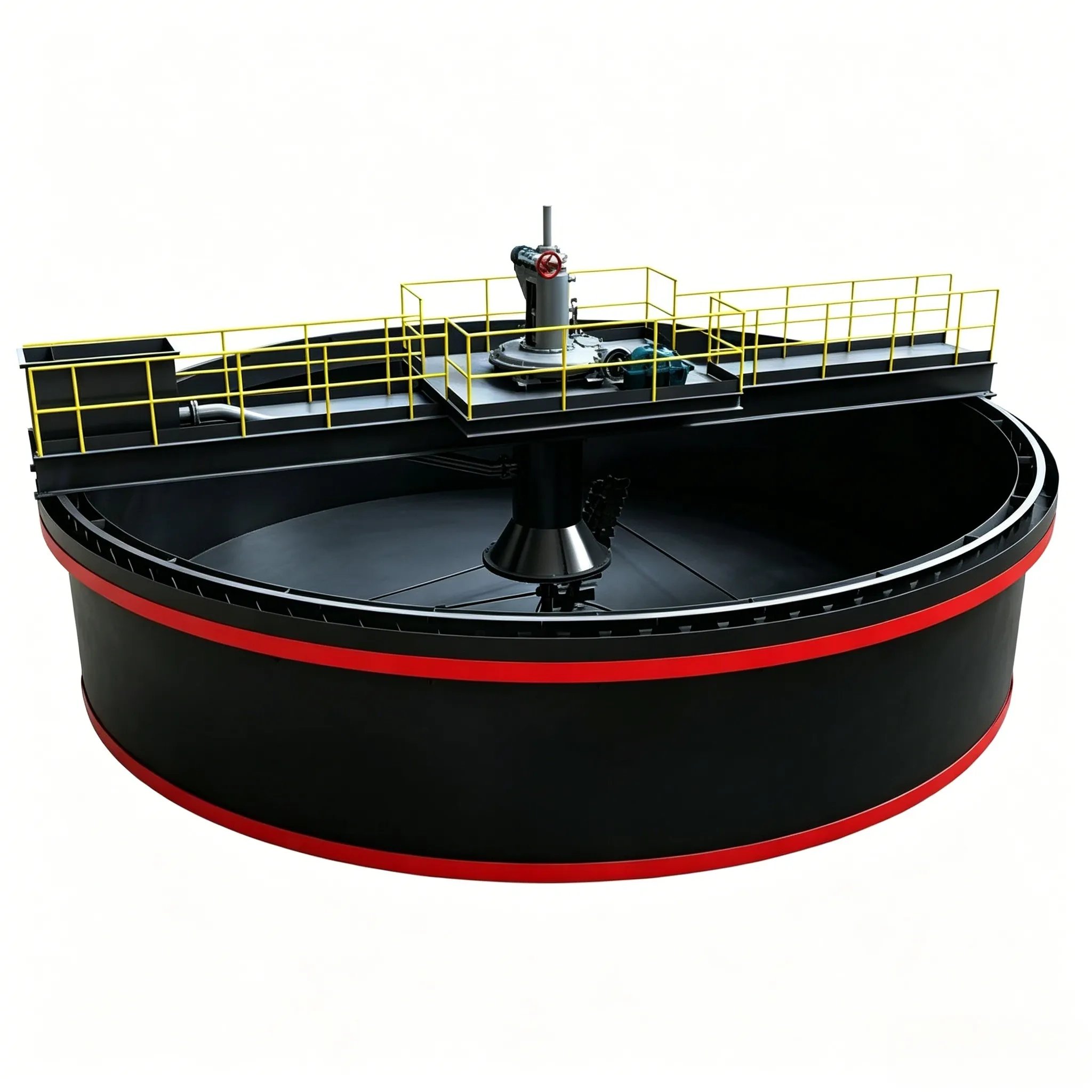
Высокоэффективный сгуститель
High-Efficiency Thickener The high-efficiency thickener is a new type of thickening equipment…

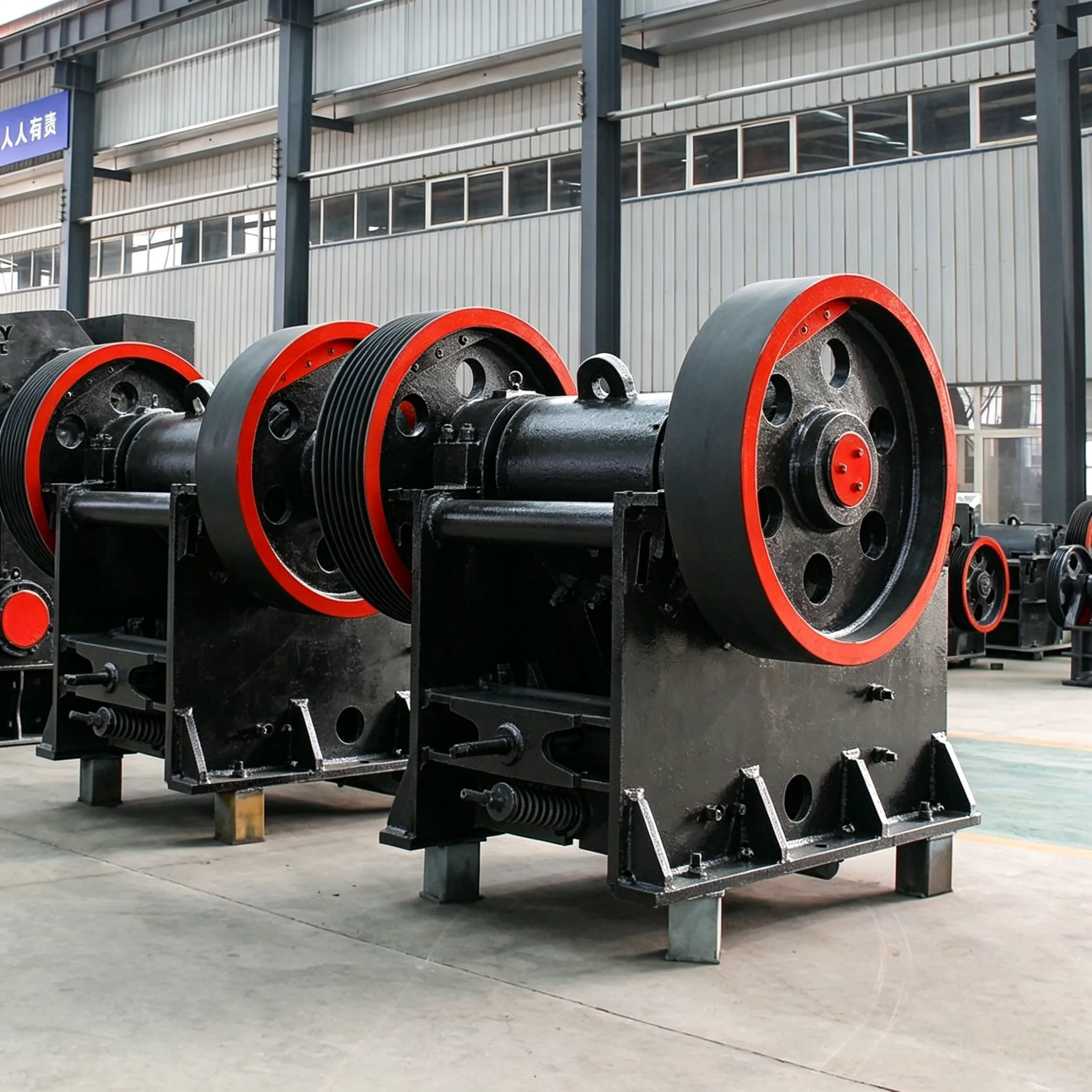
To ensure the crusher operates efficiently, maintenance procedures must be strictly followed. Poor maintenance will accelerate the wear of crusher components, leading to unscheduled or emergency repairs. Therefore, timely detection and repair of worn parts is an important measure to increase the machine’s productivity.
To extend the service life of parts, materials suitable for the working conditions should be used during maintenance; the technical requirements on drawings must be strictly adhered to; careful repair and precise assembly should be carried out; friction surfaces of parts must be properly protected; clean work practices shall be implemented; and planned maintenance shall be effectively carried out.
2.8.1 Maintenance Scope
Planned maintenance for jaw crushers generally falls into three categories: minor repair, intermediate repair, and major repair.
Minor and intermediate repairs are the primary maintenance methods. Through minor and intermediate repairs, the equipment is maintained so that it operates well between major repairs, and the scope of work for the next major repair is determined. The intervals between repairs given below are calculated on the basis of three shifts per day.
Minor repair mainly includes: inspecting and repairing the adjustment device, adjusting the discharge opening; replacing worn liners and toggle plates; repairing and replacing transmission parts; cleaning individual components of the crusher; replacing lubricating oil; repairing and adjusting the lubrication system, etc.
The interval for minor repairs depends on the operating condition of the equipment, generally ranging from half a month to one month.
Intermediate repair mainly includes: all the work of a minor repair. In addition, it includes replacing worn toggle plates, bearing bushes, pull rods, and liners; inspecting, turning, grinding, and recasting the eccentric shaft bearing bushes, connecting rod head bearing bushes, and swing jaw bearing bushes, etc.
The interval between two intermediate repairs depends on the wear condition of the main bearing bushes, connecting rod head bearing bushes, and swing jaw bearing bushes, generally once a year.
Major repair mainly includes: all the work of an intermediate repair. In addition, it includes replacing or turning the eccentric shaft and swing jaw shaft of the crusher; recasting the Babbitt metal on the upper part of the connecting rod; replacing and restoring all worn parts and components; aligning the entire crusher; and implementing technical improvements.
The interval between two major repairs depends mainly on the wear condition of the eccentric shaft and swing jaw shaft, generally about four years.
Currently, most crusher repairs are carried out by replacing entire assemblies, i.e., the component pre-repair method. This method requires the concentrator to have all crusher components available. During repair, worn assemblies are simply removed and replaced with new ones. Compared to replacing individual parts, this method significantly reduces machine downtime, thereby increasing the crusher’s operating rate.
When implementing the component pre-repair system, each jaw crusher in the concentrator should be stocked with the parts indicated in Table 2-9 (this table is for reference only; each plant shall establish its own regulations based on actual conditions).
Table 2-9 General service life of easily wearable parts of jaw crusher (Table content not provided in original text)
| Part Name | material | Service life / month | Minimum reserve quantity/unit | Maintenance cycle/month | remark |
| Movable lining plateFixed lining boardFlat lining board (upper)Pingcunban (below)Thrust plate (elbow plate)Support pad (slider) Rolling bearing (base) Rolling bearing (moving jaw)Dynamic vibration shaftMoving jawadjusting seatRolling bearing seat”Slippery iron”Springconnecting rodEccentric bearing shelleccentric shaftEccentric bearing shell seat (on the engine block)Moving jawMovable jaw shaftMoving jaw tile | manganese steelmanganese steel, manganese steel, cast ironG35 G45G35 cast iron G35 cast ironG35Babbitt metalG45Babbitt metalG35G45Babbitt metal or steel | 1~31-33-41~31~36~1224-4824-48729636~48 729612~24180-24036~48180~24024~36180180 6~12 | 44223 Group 1Group 1Group 11 21i1 set 111 | 1~31~33-41-3162-32-324241236636624~3663636 | Compound pendulum typeCompound pendulum Simple pendulum typeSimple pendulum typeSimple pendulum typeSimple pendulum typeSimple pendulum typeSimple pendulum typeSimple pendulum type |
| 6 |
Repair Methods
During the operation of a jaw crusher, various parts are subject to wear under the action of friction. The most easily worn and consumed parts are the movable jaw plate, fixed jaw plate, upper flat liner, lower flat liner, toggle plate, support seat (sliding block), rolling bearings or sliding bearings, springs, etc. However, due to long-term operational wear or accidents leading to premature wear and damage, parts and components such as the swing jaw, swing jaw shaft, eccentric shaft, connecting rod, eccentric bearings, swing jaw bearings, adjustment seat (support seat base), rolling bearing housing, V-belt pulley and flywheel, and the frame may also require repair to ensure their performance.
Factors affecting premature wear and damage of crusher parts include: the design and quality of workmanship of the parts; the physical and mechanical properties of the ore being crushed; the crushing ratio of the ore; the material of the parts; the quality of installation; the quality of operation and maintenance; and failure to carry out timely repairs. The replacement and repair of several main components are described below in detail.
2.8.2.1 Disassembly of the Jaw Crusher
The most frequent repair item for a jaw crusher is replacing the toggle plate. For a crusher with an integral connecting rod, to remove the toggle plate, the bolts of the retaining plate must first be unscrewed, the grease lubrication pipe cut off, and the toggle plate hung on a crane hook or other lifting device. Only then can the spring at one end of the horizontal pull rod be loosened, the swing jaw pulled toward the fixed jaw, and the toggle plate removed. If the rear toggle plate is to be removed, the connecting rod together with the front toggle plate and the swing jaw should be pulled away to take out the rear toggle plate.
Generally, a wire rope is passed through an opening in the foundation, and a manual winch specifically for removing the toggle plate is used to pull the swing jaw, or the swing jaw together with the connecting rod, away from the front wall direction of the crusher. Before pulling, the connecting rod should be placed in its lowest position. With the connecting rod in this position, the discharge opening is at its maximum.
After the toggle plate is removed, the thin oil lubrication pipe and cooling water pipe are cut off. The connecting rod is supported from below with a stand, then the connecting rod cap is removed before the connecting rod can be lifted out.
The main shaft of the crusher should be removed together with the V-belt pulley and flywheel. Move the electric motor (together with its pulley) along the slide rail as close as possible to the crusher, and remove the V-belts. Then lift the shaft with a crane.
To disassemble the swing jaw, the grease lubrication pipe must first be cut off, the pull rod disassembled, the bearing cap removed, and then the swing jaw is pulled out using a crane or other lifting equipment.
2.8.2.2 Replacing Crusher Liners
The fixed jaw liner (tooth plate), swing jaw liner (tooth plate), and side liners (protective plates) of the crusher are the most easily worn parts. Wear causes the product size to become coarser. In the early stage of wear, the tooth plates can be turned around for continued use, or the upper and lower pieces can be swapped. However, when the wear reaches a certain limit, new liners must be installed.
Wear of the fixed jaw and swing jaw liners mostly occurs in the middle and lower parts. When the tooth height has worn away by 3/5, new liners are required.
The back surface of the liners should be roughly machined. During assembly, the contact with the frame body and the jaw body must be good; there shall be no warping or hanging in the air. If necessary, spot-check or grind with an emery wheel to level. When assembling the swing jaw tooth plate, first align the tooth plate, weld each support steel plate onto the jaw body, and after the upper wedge is tightened, the gap between the wedge and the jaw body surface should be maintained at 10–20 mm. When assembling the fixed tooth plate, first check the wear condition of the stop bar at the lower part of the front wall of the frame; the end of the liner should contact the stop bar properly. When the side liners have worn away by 2/5, they also need to be replaced with new ones.
2.8.2.3 Repair of the Swing Jaw
Repairs to the swing jaw of a compound pendulum jaw crusher generally address cracks, breakage, wear and misalignment of the bearing bore, wear or skewing of the support seat groove, loosening of connecting screws, etc.
(1) Repair of cracks. During operation, cracks in the swing jaw often appear in the middle and lower parts. The repair procedure for cracks is as follows:
(2) Repair of breakage. After long-term operation or sudden accidents, the swing jaw may sometimes break. Practice has shown that a broken swing jaw can be fully repaired and reused by adopting appropriate welding techniques.
For a broken swing jaw, an “X”-shaped weld is generally selected, with a 45° groove on each side. Before welding, it is best to add temporary fixing bars (welded in place) to ensure that deformation due to temperature changes does not occur during welding, so that the dimensions after welding meet the original requirements before breakage.
(3) Repair of worn bearing bore. Sometimes, due to improper installation or non-conforming machining, the bearing bore of the swing jaw becomes worn out of round after a certain period of use. There are generally two methods for repairing a worn bearing bore:
(4) Repair of worn or skewed support seat groove. There are two methods for repairing a worn or skewed support seat groove:
After repair, the non-parallelism deviation between the centerline of the support seat groove and the centerline of the eccentric shaft shall not exceed 0.2 mm.
(5) Repair of stripped connecting screw threads.
2.8.2.4 Repair of the Swing Jaw Shaft
For a compound pendulum jaw crusher, the swing jaw shaft journal should be repaired when wear reaches the following levels: ovality greater than 0.05 mm; taper greater than 0.04 mm; surface unevenness greater than 0.04 mm.
Repair methods for the shaft journal:
(1) If strength permits, machine the worn journal and then fit a sleeve to restore the original fit dimensions. Sleeve thickness 4–6 mm, D/gc fit may be selected.
(2) Using appropriate technical measures, build up the worn journal by electric arc welding, then machine to restore the original fit dimensions (this method is only applicable to shaft journals on the body part).
(3) If conditions allow, use vibration welding or metal spraying to repair and restore the original fit dimensions.
2.8.2.5 Repair of the Eccentric Shaft
For a simple pendulum jaw crusher, the eccentric shaft should be repaired when wear reaches the following levels: ovality greater than 0.10–0.15 mm; taper greater than 0.08–0.12 mm; surface unevenness greater than 0.10–0.12 mm.
Repair methods:
(1) Depending on the wear condition, the shaft may be machined on a lathe and scraped. After repair, the journal diameter will be slightly smaller than the original fit dimension; in this case, new sliding bearings should be made to match.
(2) In special cases, provided strength permits (e.g., for severely damaged journals), the original journal may be machined down and a sleeve fitted to restore the original fit dimensions. Sleeve thickness 5–6 mm, D/gc fit may be selected.
(3) If conditions allow, use vibration welding or metal spraying to repair and restore the original fit dimensions.
2.8.2.6 Repair of Sliding Bearings for the Eccentric Shaft
Bearing repair is generally determined by the top clearance and the limit value of geometric shape change. If the bearing does not have severe local wear but the top clearance has increased, shims may be removed to adjust the top clearance. However, when the wear exceeds the general specified limit (0.25% of the journal diameter), or when local wear is severe and there is large-area cracking or spalling (falling off), immediate repair is necessary. Repair methods:
(1) For local defects, in-situ repair and machining may be performed, such as for out-of-roundness, ovality, small cracks, or local spalling. The simplest method is to use gas welding to build up the worn area, followed by manual scraping or machining. This is fast, convenient, and generally reliable (preferably using the original Babbitt metal material for buildup).
(2) Completely recast or build up layer by layer using gas welding. If the bearing thickness is above 10 mm, recast; if below 10 mm, build up by layered gas welding. The built-up thickness should be at least 4 mm, after which machining can be done.
After scraping, the radial clearance of the eccentric bearing should be 0.10%–0.13% of the journal diameter, the side clearance 0.15%–0.20% of the journal diameter, the contact angle 75°–90°, the contact area not less than 60%, and contact points evenly distributed.
When the eccentric shaft journal diameter is 200–350 mm, the thickness of the shims for adjusting bearing clearance should be 1.8–2.50 mm, the allowable wear thickness of the bearing shell (referring to one fit) is 1.5–2.3 mm, and the thickness of the bearing lining is 9–15 mm.
2.8.2.7 Repair of the Frame
After many years of operation, the frame of a jaw crusher may sometimes develop local cracks, severe wear of the bearing support areas, enlargement or deformation of connecting bolt holes, and misalignment of the mating faces of the detachable frame. These defects need to be repaired.
(1) Repair of cracks. Cracks in the frame often occur at locations subjected to heavy loads or stress concentrations, as well as at original casting defects. The specific repair method and procedure may refer to the repair of cracks in the swing jaw.
(2) Repair of worn or damaged bearing support areas. In individual cases, due to improper use, maintenance, or inspection, severe wear or even damage may occur at the bearing support areas of the frame. If not repaired promptly, normal operation of the equipment will be affected. Repair methods:
(3) Repair of enlarged, worn, or deformed connecting bolt holes.
(4) Repair of misaligned frame mating faces. Sometimes, due to long-term operation and inadequate maintenance, the mating faces at the connection of a detachable frame may become worn and misaligned, requiring repair.
First, according to the original design drawing dimensions, inspect and measure the misaligned frame to determine the exact amount of misalignment. Then, build up by electric arc welding according to the required machining dimensions, and plane to restore the original fit dimensions. After repair, the center distances of the bearings must meet the original design requirements.
2.8.2.8 Repair of the Connecting Rod
During operation, if the connecting rod develops cracks, breakage, worn bearing bore, worn or skewed support seat groove, or stripped connecting screws, it should be repaired promptly. Practice has shown that even in cases of major failure such as cracks in the lower part of the connecting rod or even breakage, if appropriate repair techniques are adopted, the connecting rod can generally be restored to service.
Cracks or breakage of the connecting rod usually occur in its lower part. The specific repair methods commonly used are direct welding and reinforcement plate welding. Direct welding is relatively simple and suitable for small, medium, short, and shallow cracks. Reinforcement plate welding is more involved but provides reliable results, suitable for large, long, deep cracks and breakage.