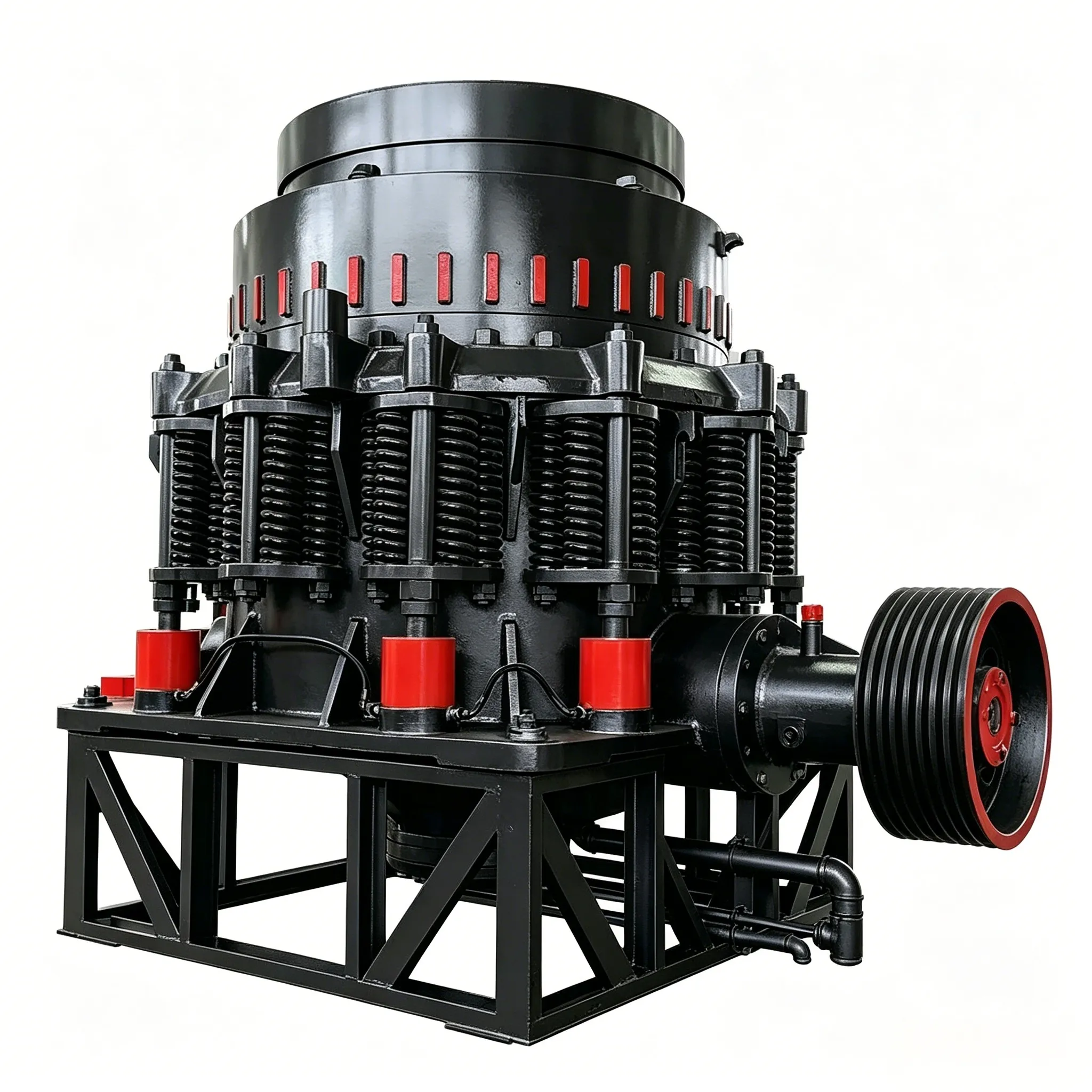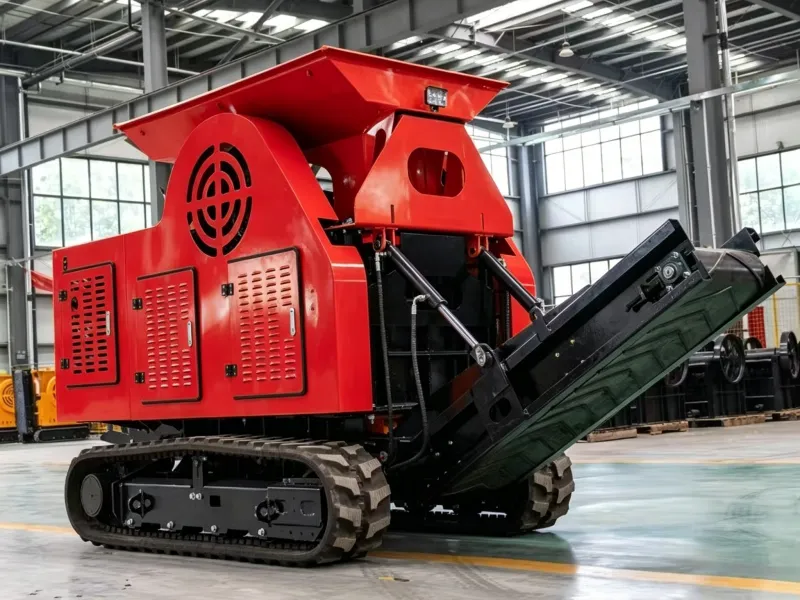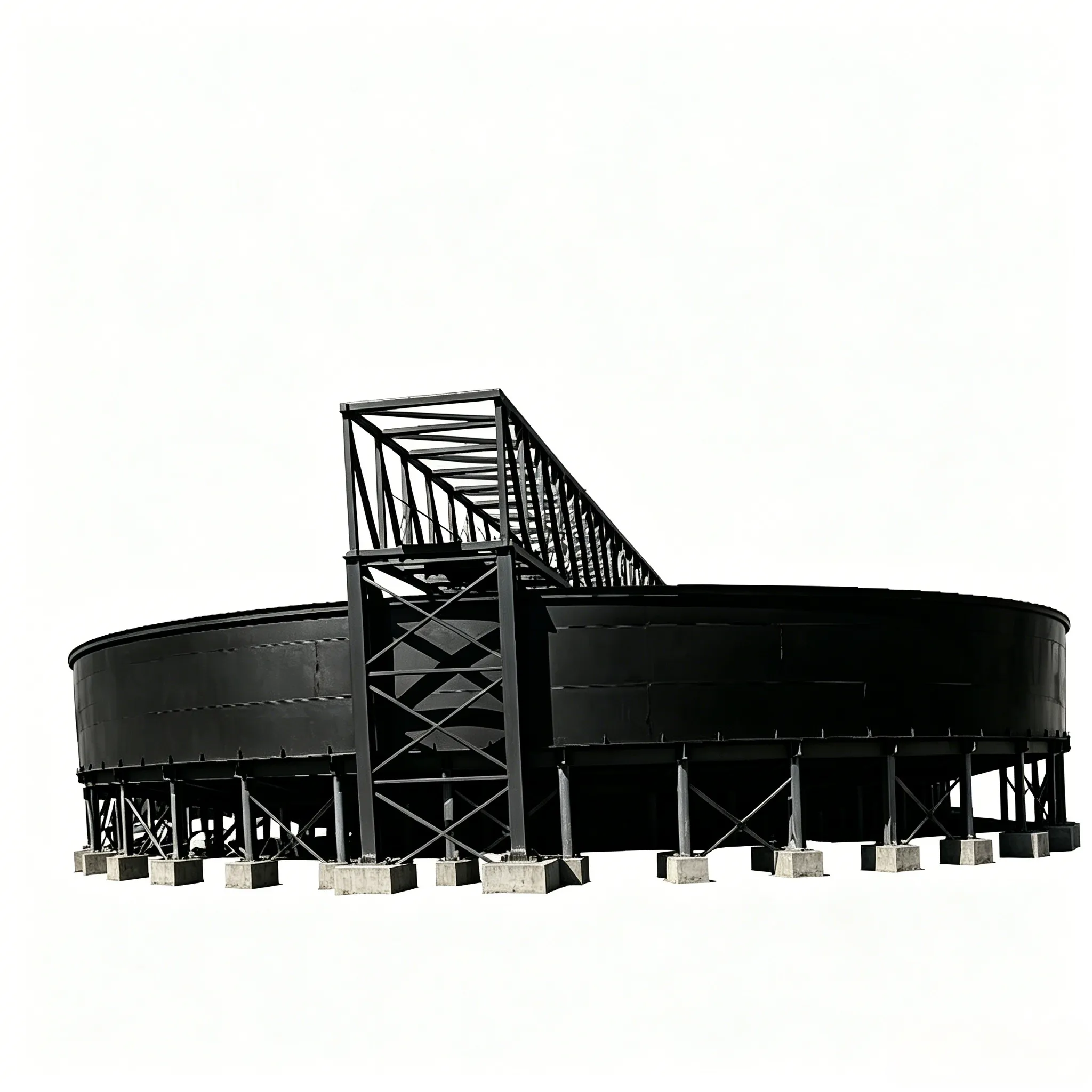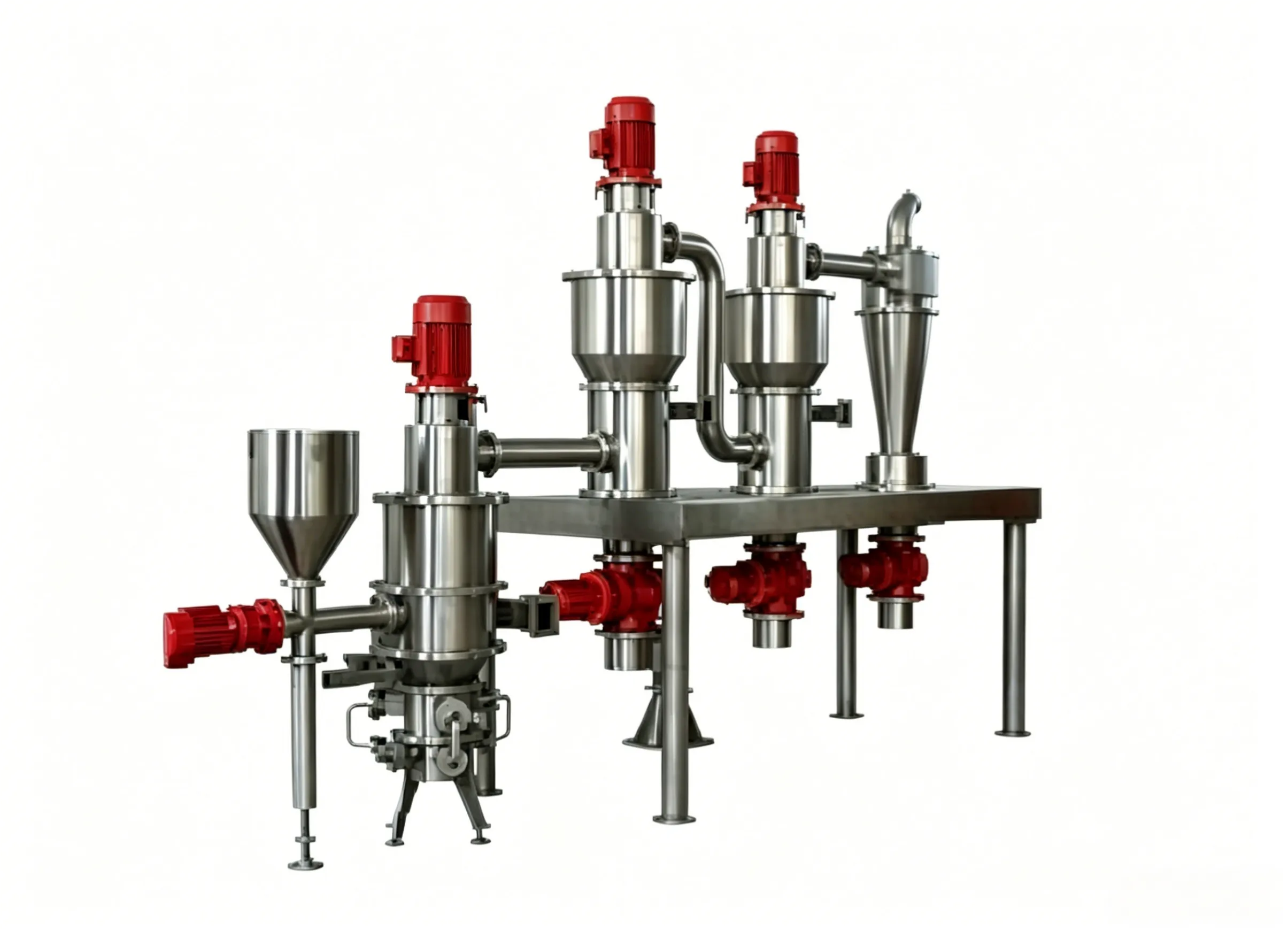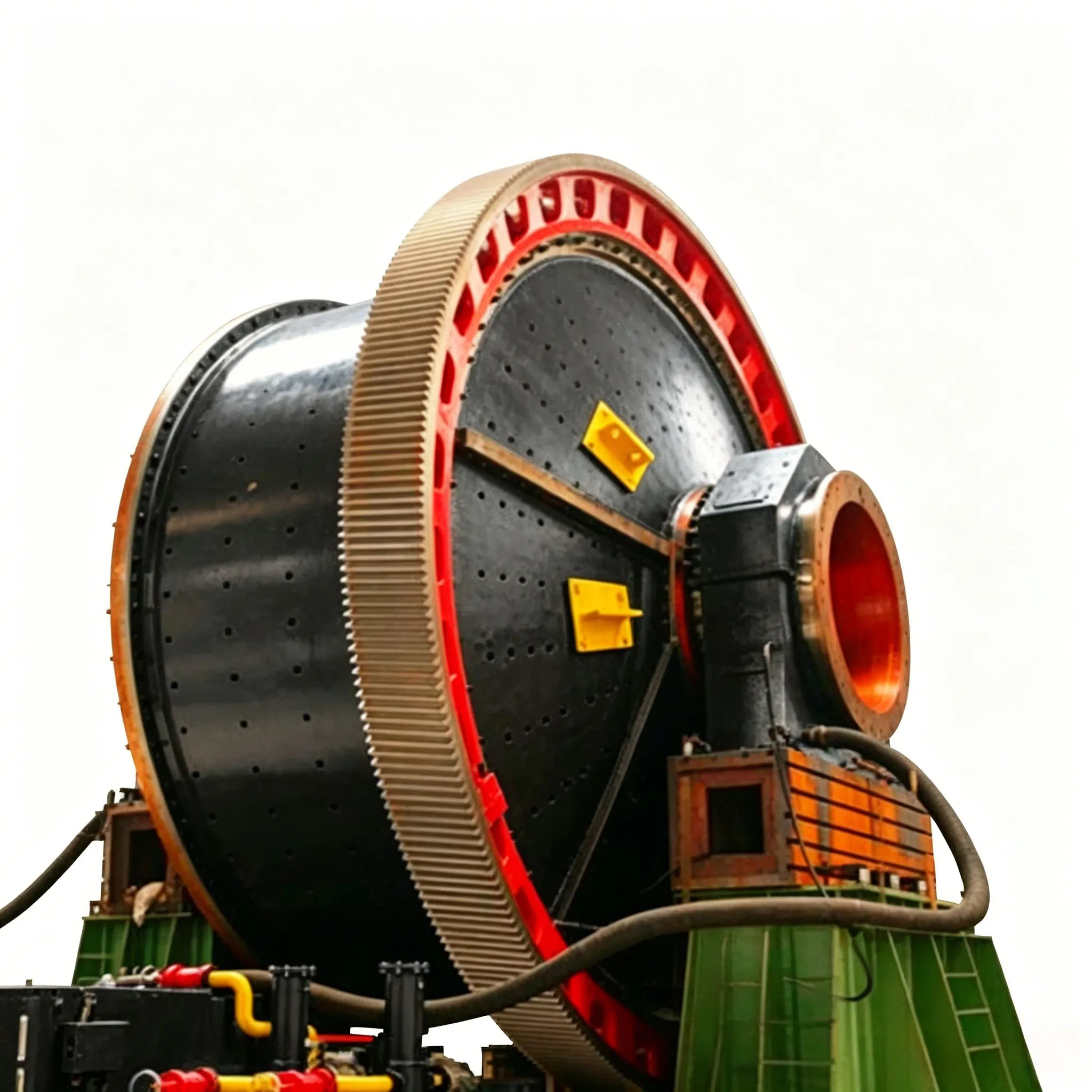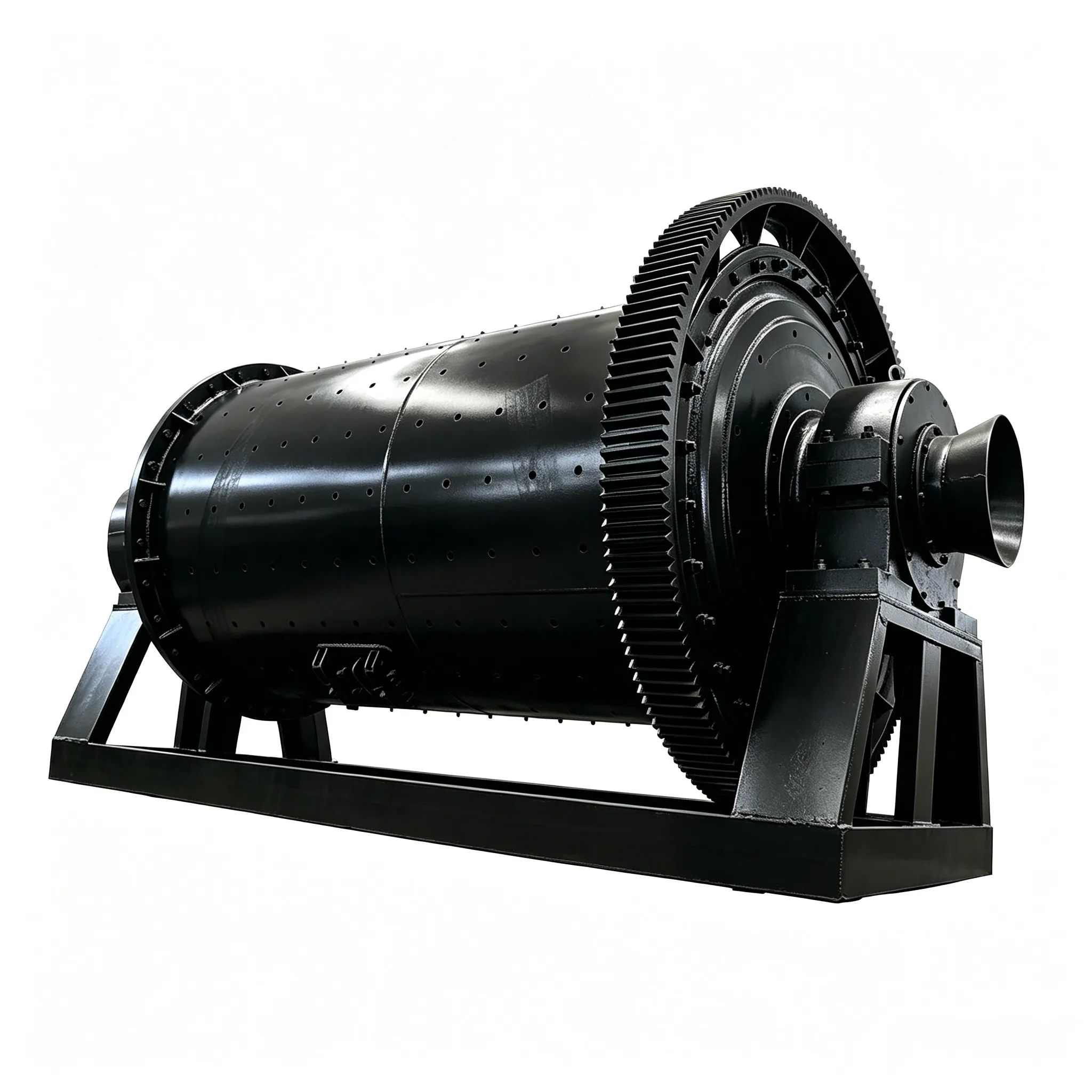
Галечная мельница
Construction of a Pebble Mill In some industrial sectors, such as chemical,…

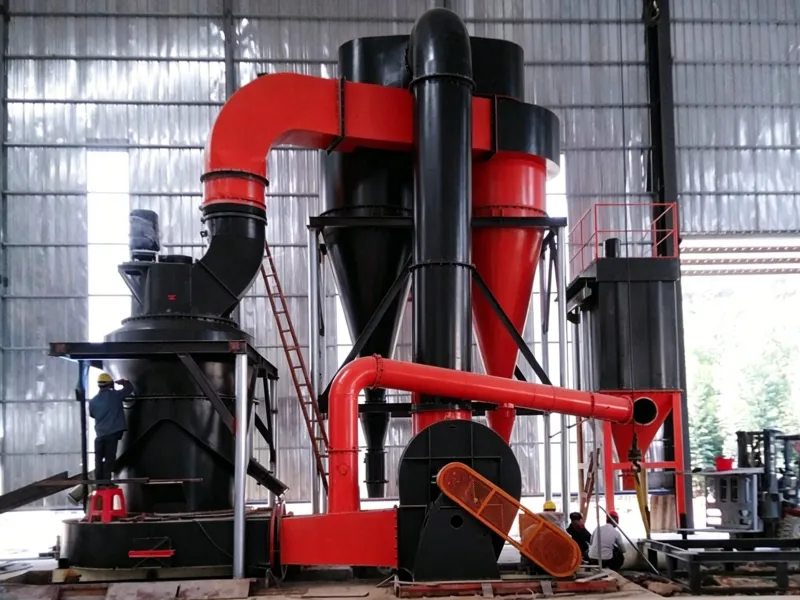
мельница Raymond (also known as Raymond roller mill) is widely used in grinding non-flammable and non-explosive materials with Mohs hardness below 7 and humidity below 6%, such as limestone, calcite, barite, dolomite, and gypsum. However, during prolonged operation, various issues may arise that affect production efficiency and product quality. This article outlines the most frequent problems encountered and offers practical maintenance advice.
Symptoms: Reduced production rate, material buildup inside the mill, and frequent shutdowns.
Possible causes:
Maintenance solutions:
Symptoms: The mill body shakes noticeably, accompanied by knocking or grinding sounds.
Possible causes:
Maintenance solutions:
Symptoms: Bearing housing temperature exceeds 70°C, oil smoke or discoloration appears.
Possible causes:
Maintenance solutions:
Symptoms: The ground powder is too coarse or contains oversized particles.
Possible causes:
Maintenance solutions:
Symptoms: Frequent replacement of rollers/rings, decreased grinding efficiency.
Possible causes:
Maintenance solutions:
Symptoms: Circuit breaker trips repeatedly during operation.
Possible causes:
Maintenance solutions:
To minimize downtime and extend the life of your Raymond mill, follow these routine practices:
| Component | Maintenance Task | Frequency |
|---|---|---|
| Grinding rollers | Check wear; measure thickness | Weekly |
| Grinding rings | Inspect for cracks or uneven wear | Weekly |
| Bearings | Re-grease; check temperature | Every 500 hrs |
| Классификатор | Adjust speed; clean blades | Every shift |
| Air duct | Inspect for leaks and blockages | Monthly |
| Electrical panel | Test overload relay; clean dust | Quarterly |
Always shut down the mill and disconnect power before performing any repair or cleaning. Lockout/tagout procedures should be strictly followed. Wear appropriate personal protective equipment (PPE), including gloves, goggles, and dust masks.
By promptly identifying these common issues and adhering to a regular maintenance schedule, operators can keep Raymond mills running reliably, reduce unexpected breakdowns, and ensure consistent product quality.