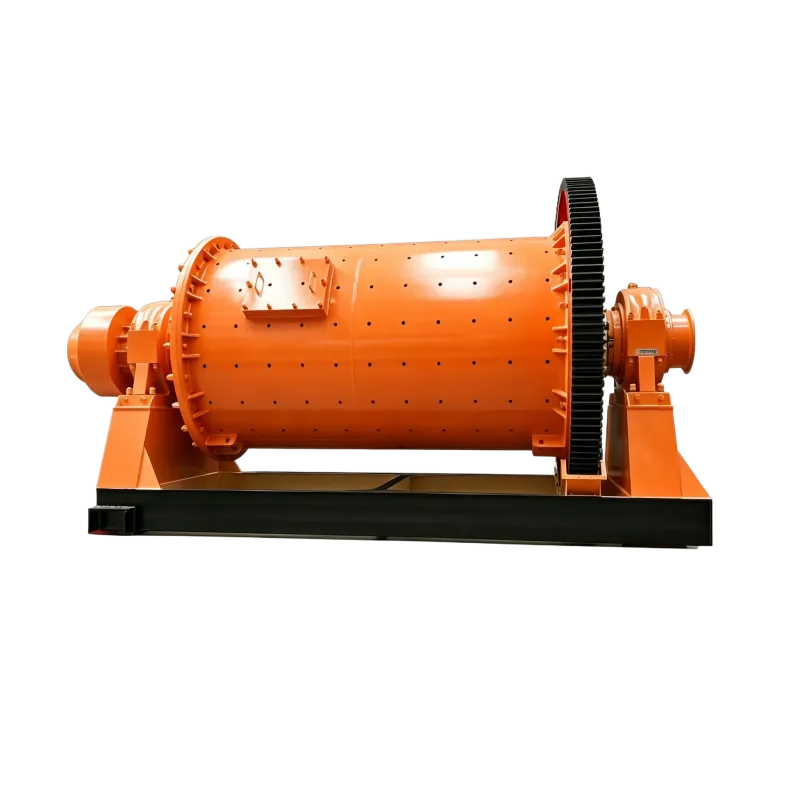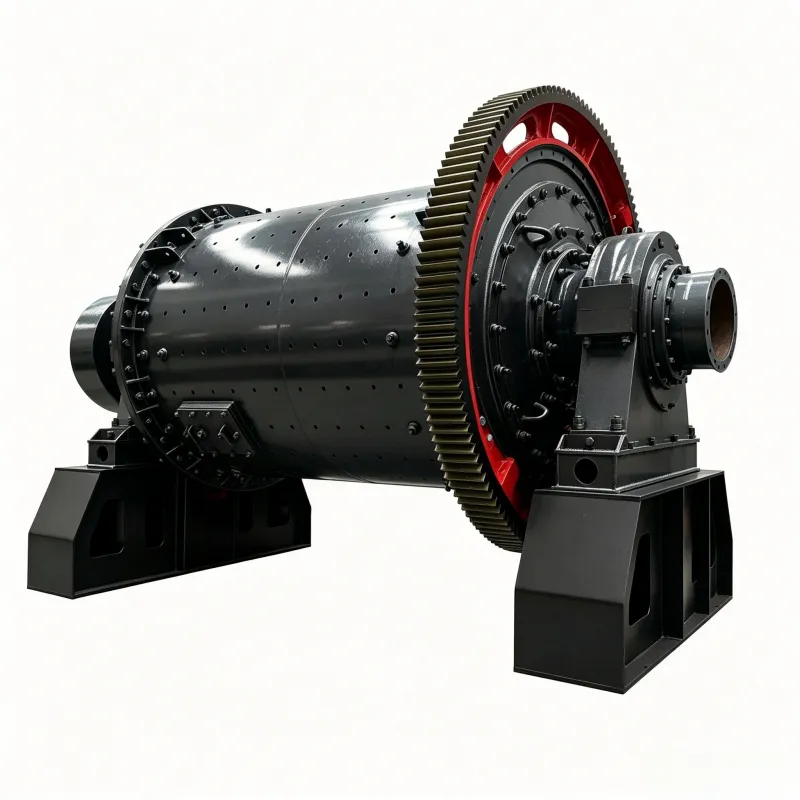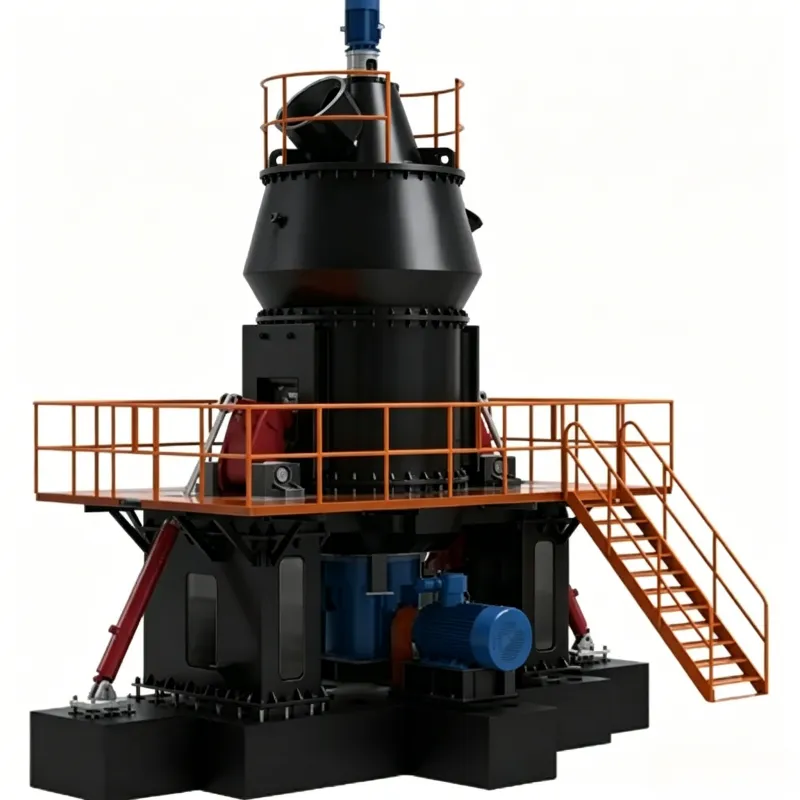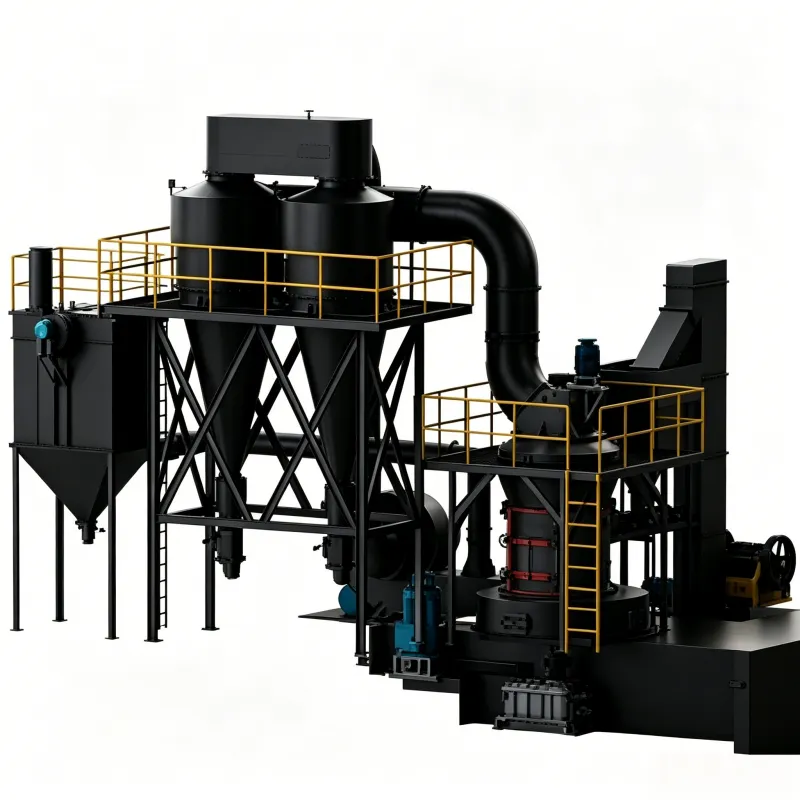

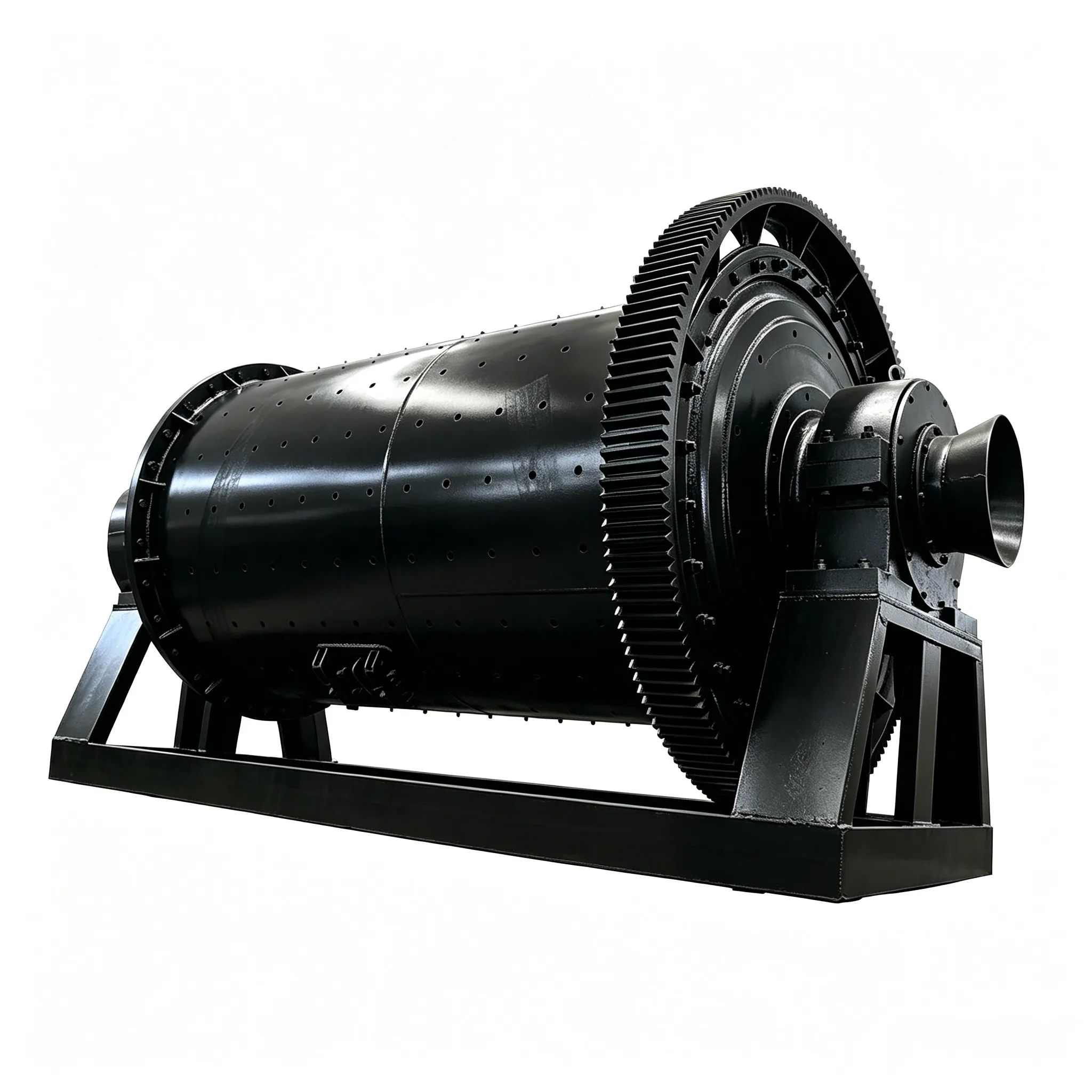
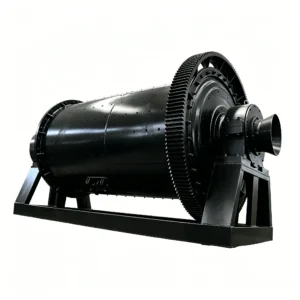
In some industrial sectors, such as chemical, ceramic, or ore processing, iron (a metal) must not be introduced as a contaminant. Therefore, metal grinding media cannot be used, and pebbles are used instead. Such a mill is called a pebble mill.
In some industrial sectors, such as chemical, ceramic, or ore processing, iron (a metal) must not be introduced as a contaminant. Therefore, metal grinding media cannot be used, and pebbles are used instead. Such a mill is called a pebble mill. In the metal ore beneficiation industry, pebble mills are used to save metal media. In this case, ore blocks with a size of 40–80 mm are generally used as the grinding media. Pebble mills are typically used as secondary mills after rod mills or autogenous mills.
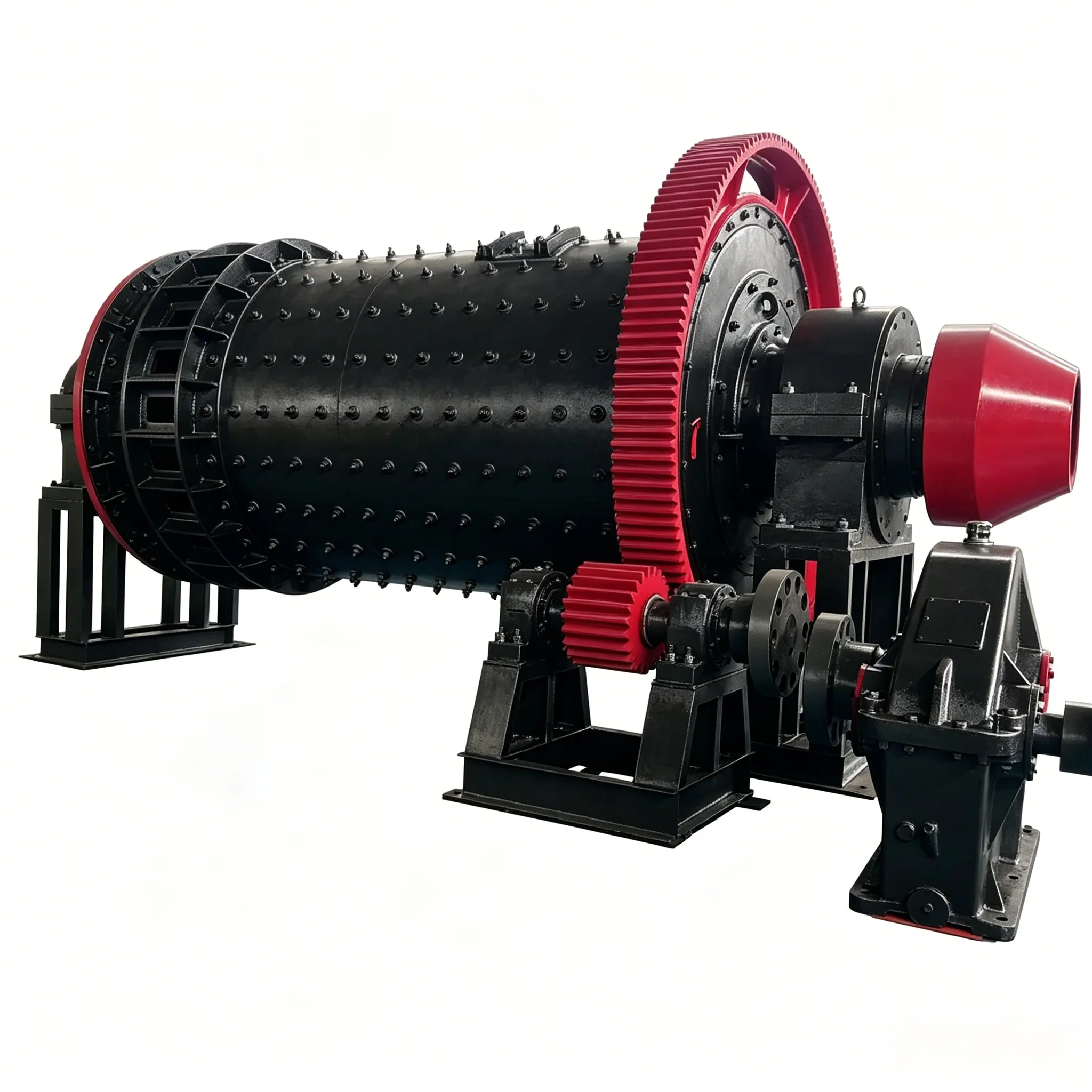
Structurally, the pebble mill is basically the same as a ball mill, except that the density of the grinding media is lower than that of metal balls, so its throughput per unit volume is lower. Furthermore, pebble mills are always of the grate type, not the overflow type. The reasons are: with grate discharge, the slurry level is lower, allowing the impact action of the media to be more fully utilized; fast discharge reduces overgrinding; and when the feed or media charge varies, the discharge remains relatively stable without surging of coarse material.
The media charge ratio of a pebble mill is slightly higher than that of a ball mill, and media consumption is also higher. The grinding density should be somewhat lower than that of a ball mill, while the mill speed is higher – typically 80%–90% of critical speed.
Generally, a grate discharge ball mill can also be used as a pebble mill. Moreover, since pebble mills are rarely used in the mineral processing industry, there are few manufacturers. At present, only two specifications of pebble mills are produced in China. Their technical performance is listed in Table 10‑2.
Table 10‑2 Technical performance of pebble мельницы①
| diameter×length/mm×mm | volume/m³ | shell speed /r ·min⁻ ¹ | Pebble load/t | feed size/mm | capacity 1t ·h⁻¹ | motor | weigh/t | |||
| модель | power /kW | rotation r ·min- | V | |||||||
| 3600×5500 | 51 | 16.4 | 30 | 100~150 | JS1510-6 | 650 | 985 | 6000 | 240 | |
| 4600×6000 | 83 | 14.6 | 55 | 100-150 | TDMK1600-40 | 1600 | 150 | 6000 | 345 | |
① Centralized lubrication is adopted.