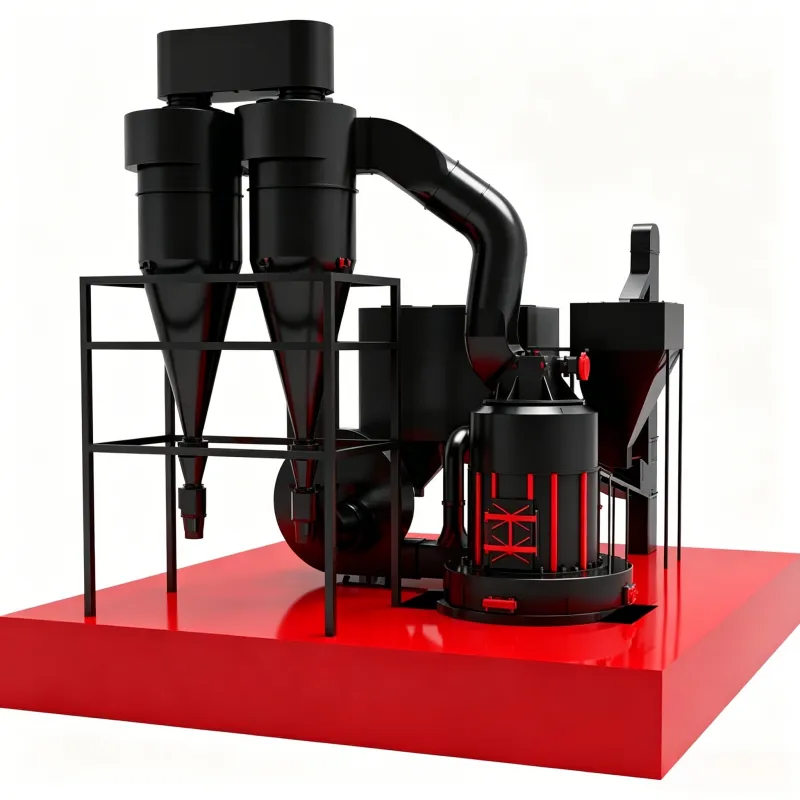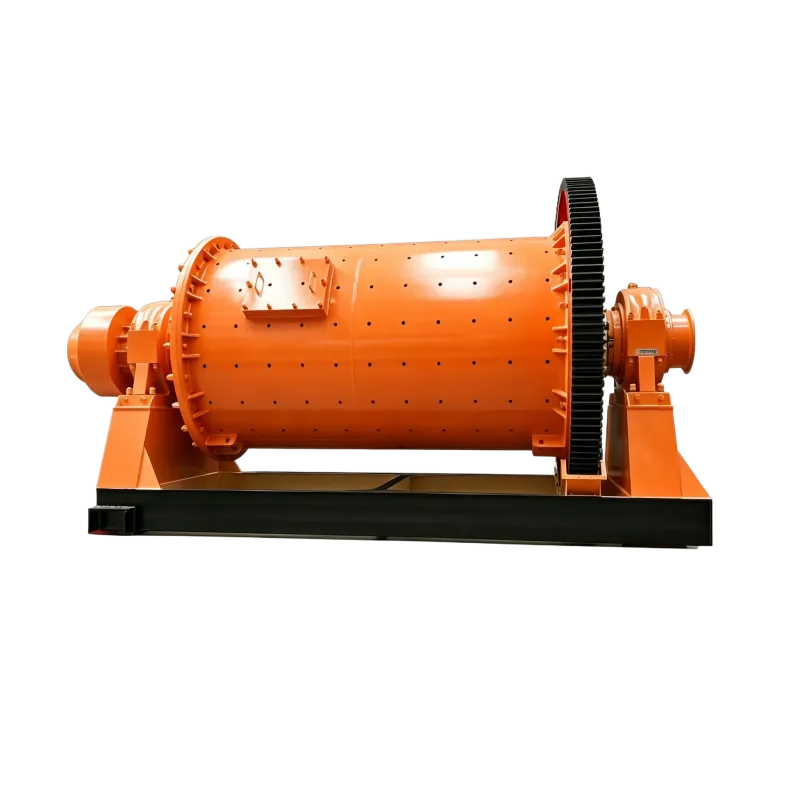
Шаровая мельница с решетчатой разгрузкой
Construction of a Grate Discharge Ball Mill The difference between a grate…

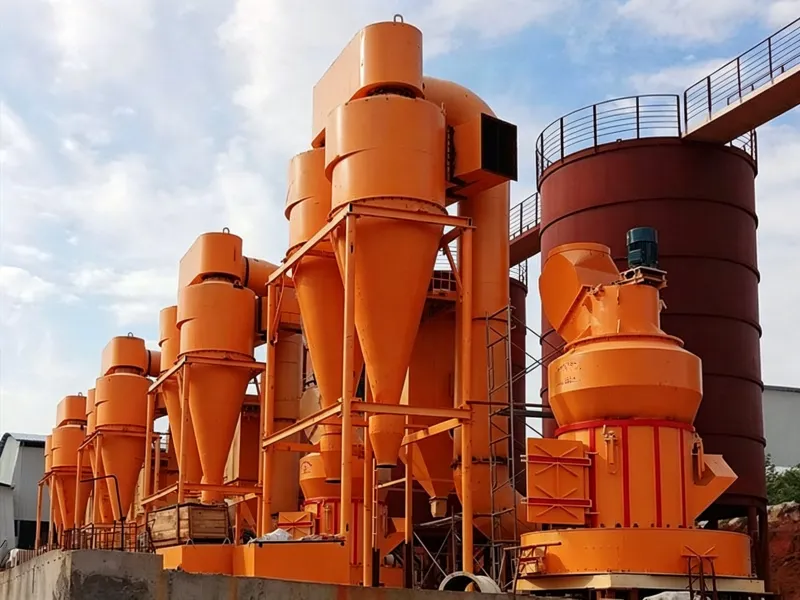
In the world of industrial powder processing, the Raymond mill has long been a cornerstone technology for producing fine powders from non-metallic minerals, chemicals, and construction materials. While the grinding rollers and ring handle the actual size reduction, it is the classifier that truly determines the quality, consistency, and market value of the final product. Without an efficient classification system, a grinding mill would produce a wide, uncontrolled range of particle sizes, including both undesired coarse particles and over-ground fines.
This comprehensive guide explores everything you need to know about the Raymond mill classifier—from its working principles and types to adjustment techniques, maintenance practices, and troubleshooting. Whether you are an operator, maintenance engineer, or plant manager, this article will help you master particle size control and optimize your Raymond mill‘s performance.
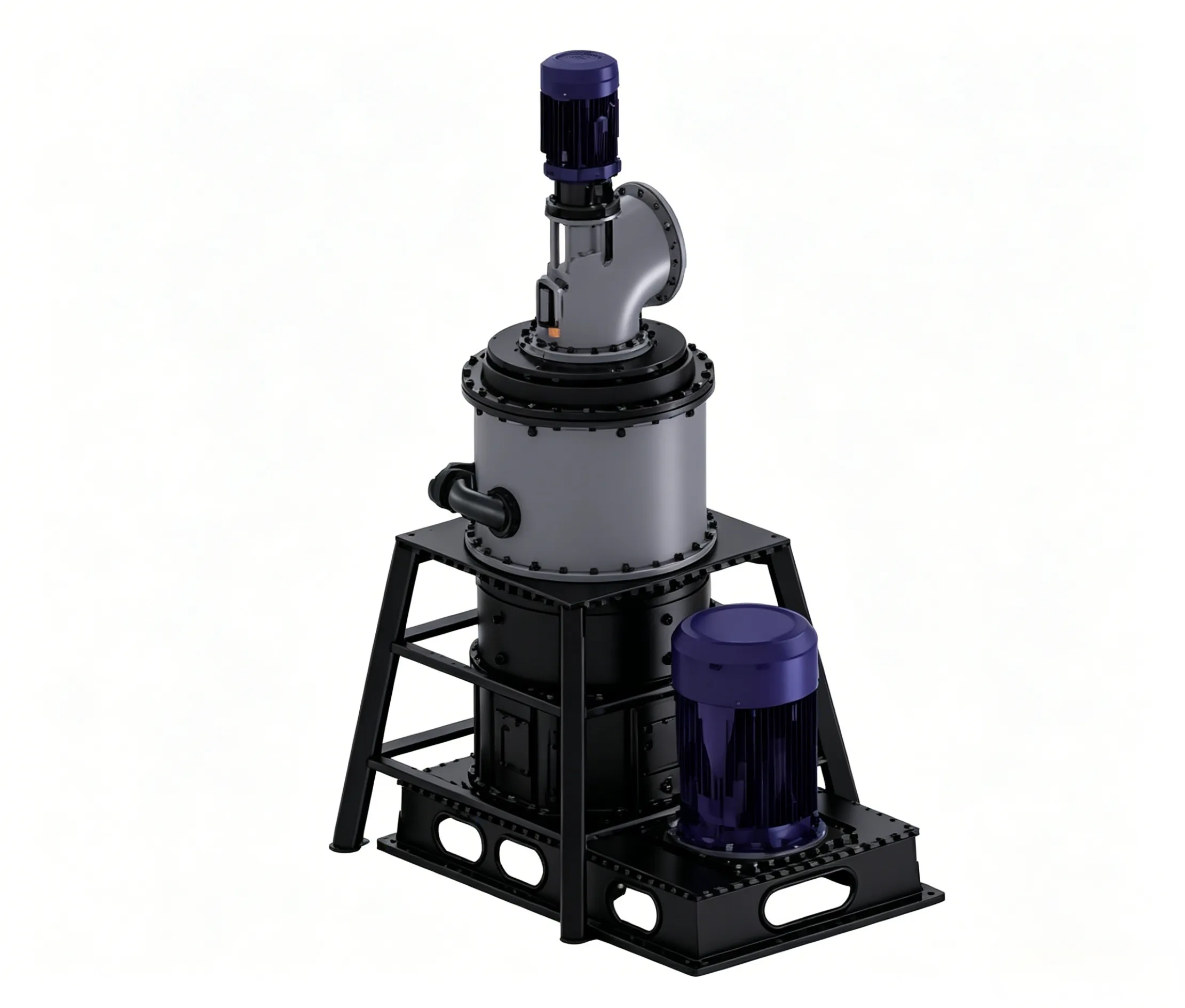
The classifier (also known as the separator or analyzer) is a critical subsystem within the Raymond mill that separates fine, qualified powder from coarse particles that require further grinding. It acts as the intelligent gatekeeper of the grinding circuit, performing three essential duties:
An advanced classifier transforms a simple grinder into a high-precision processing system, enabling producers to reliably hit specific fineness targets, such as 200 mesh, 325 mesh, or even finer.
The working principle of the classifier is based on the interaction between centrifugal force и air drag. After the material is ground between the rotating grinding rollers and the fixed grinding ring, the powder is carried upward by the airflow generated by the system’s blower.
As the air-powder mixture enters the classifier, rotating blades (impeller) create a powerful centrifugal force field. Within this field, particles are subjected to two opposing forces:
Only particles that are fine enough that air drag overcomes centrifugal force can pass through the impeller blades and exit the mill as finished product. Coarser particles are rejected and fall back into the grinding chamber for regrinding.
The classifier impeller generates centrifugal force proportional to its rotational speed. This relationship forms the basis for fineness control—higher rotational speeds create greater centrifugal force, resulting in a finer product.
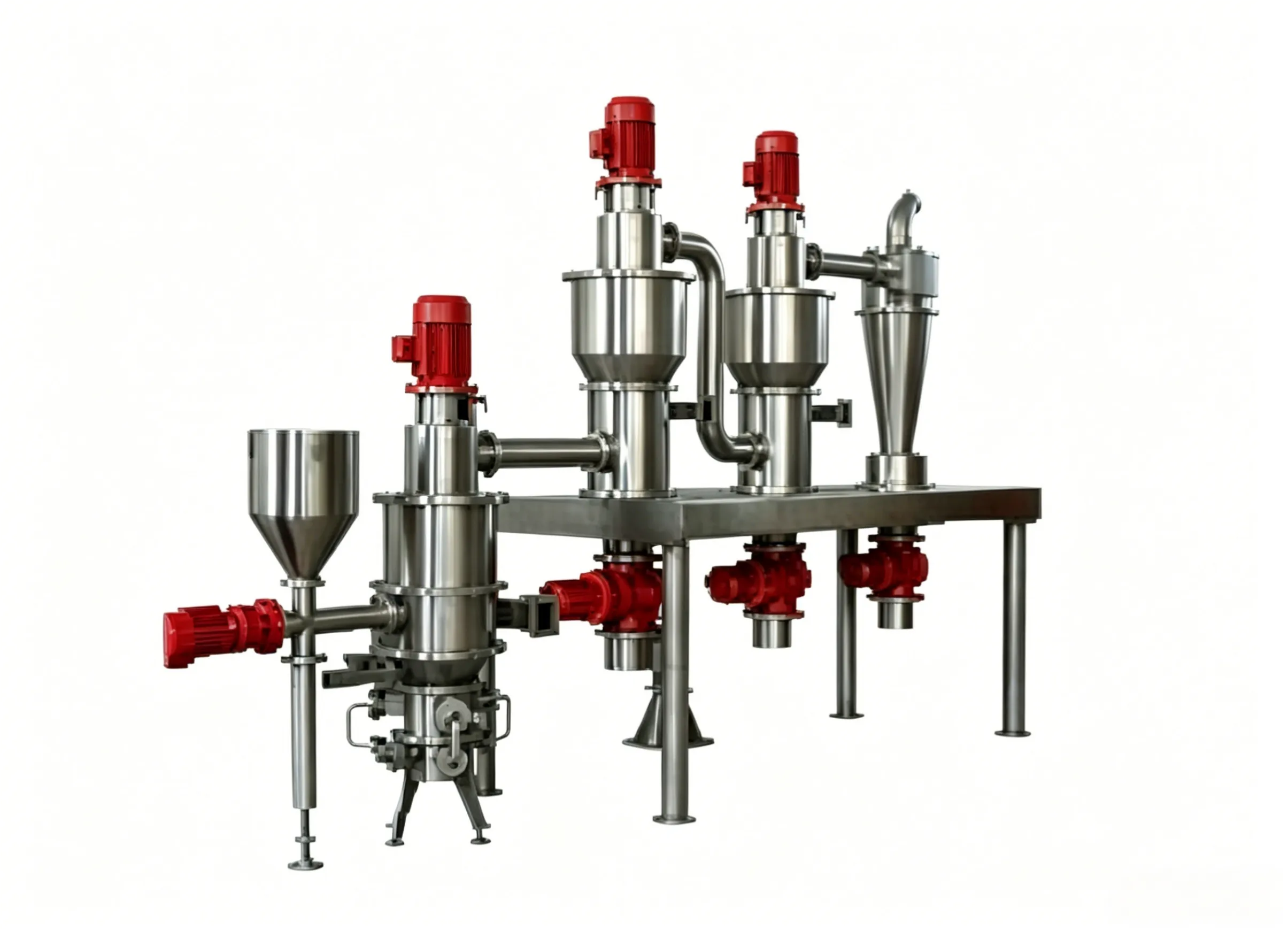
Raymond® classifiers include a complete selection of static and dynamic classifiers in varying configurations designed for use as independent units or in circuit with pulverizing equipment.
The traditional Raymond mill utilized a static classifier—often a mechanical screen or a simple gravity-based separator. While effective for coarser grinds, these systems struggled with efficiency and precision at finer ranges, often leading to high energy consumption and inconsistent product quality. Whizzer separation provides classification up to 99.9% passing 325 mesh, with fineness regulated by a simple adjustment that can be made while the mill is operating-.
Modern Raymond Mills have embraced dynamic or centrifugal classifiers. These classifiers use a combination of adjustable rotor speeds, airflow, and centrifugal force to achieve a much sharper and more efficient separation. The key advantage is adjustability: by simply changing the rotational speed of the classifier rotor, operators can instantly and precisely alter the fineness of the final product without stopping the mill.
The Raymond® turbine classifier for roller mills is mechanically designed to provide years of trouble-free operation. Dynamic analysis of high rotational speeds has resulted in a dependable design and construction to withstand the harsh requirements of most operating environments-1. The turbine classifier provides the flexibility to meet specific and often changing requirements and can be supplied with a new system or retrofitted to an existing mill.
The hybrid turbine classifier combines Raymond‘s proven static classifier technology with a turbine classifier. The patented design possesses significant advantages that enhance mill performance, making it possible to consistently produce pulverized fuel compatible with today’s combustion technology.
Advanced multi-stage classification systems employ a multi-layered turbine rotor design, enabling precise particle size segregation across multiple stages. Coupled with real-time airflow modulation, this minimizes coarse particle carryover and over-grinding. The dynamic airflow control adjusts turbulence intensity based on material density and feed rate, ensuring stable classification even under fluctuating conditions. Such systems can achieve qualified powder extraction rates exceeding 95% for particles in the 80-400 mesh range.
For ultra-fine powder applications requiring 10-micron average particle size and lower, the Raymond® Jet-Stream™ Classifier is designed to meet exacting product specifications. This design permits high turbine periphery speeds at reduced airflows and allows for maximum control of both particle top size and distribution.
Controlling the fineness of Raymond mill output is a critical operational task. The following parameters can be adjusted to achieve the desired particle size.
Classifier rotor speed is the primary determinant influencing the cut size (d50) of the product. Higher speeds generate greater centrifugal force, allowing only finer particles to pass through.
Modern Raymond mills feature variable frequency drives (VFDs) that enable precise control over classifier rotor speed, typically adjustable between 50-300 RPM depending on the model and application.
Recommended speed settings:
| Target Fineness | Recommended Speed | Effect |
|---|---|---|
| Coarse product (<200 mesh) | 400–550 r/min | Lower speed → coarser powder |
| Intermediate (200–400 mesh) | 700–900 r/min | Standard operating range |
| Fine applications (>400 mesh) | 900–1200 r/min | Higher speed → finer powder |
Adjustments must follow incremental modulation (≤50 r/min steps) to prevent rotor imbalance.
Air serves as both the transport medium and cooling agent in Raymond mill systems. The volume and velocity of airflow directly impact particle residence time in the grinding zone and classification efficiency.
The system fan is responsible for maintaining the necessary airflow, with damper controls or VFDs allowing operators to fine-tune air volume. A general rule: faster classifier blade rotation or lower airflow produces finer powder; conversely, slower rotation or higher airflow yields coarser powder-.
The condition of classifier blades significantly impacts separation efficiency. Worn or bent blades cannot create a precise cut-point. A smaller blade clearance allows for finer separation of particles.
Rule of thumb: The finer the powder required, the more and denser the classifier blades must be. Otherwise, fine powder meeting specifications cannot be selected-.
Grinding pressure directly influences the degree of size reduction before material reaches the classifier. Higher pressure results in finer initial grinding but increases wear and power consumption. Modern designs often incorporate hydraulic systems that maintain consistent pressure automatically, compensating for roller and ring wear over time.
Variability in feed disrupts equilibrium of the grinding zone. Irregular feeding leads to fluctuations in the grinding process and results in inconsistent fineness. Automatic feeding devices help maintain a steady feed rate.
As classifier blades wear, the precision of the cut-point degrades. Worn blades cannot effectively separate particles, resulting in overly coarse final products-. Regular inspection and timely replacement are essential.
Air leakage disrupts designed airflow patterns inside the mill, affecting powder carrying and classification processes. Regular inspection and replacement of aging or damaged sealing rings are critical.
Proper maintenance is essential for consistent classifier performance and extended service life.
| Task | Frequency | Purpose |
|---|---|---|
| Visual inspection of classifier blades | Daily | Detect wear or damage |
| Check classifier motor current | Daily | Identify abnormal loading |
| Monitor product fineness | Daily per shift | Verify classification accuracy |
| Listen for abnormal noise | Daily | Detect bearing or blade issues |
| Inspect seals and gaskets | Weekly | Prevent air leakage |
Classifier components should be replaced before excessive wear leads to product quality issues. Multi-stage classifiers feature modular wear-resistant components (turbine blades, guide vanes) that can extend service life beyond 8,000 hours, reducing downtime by up to 40%.
Dust accumulation on classifier surfaces leads to poor ventilation, affecting operation and potentially causing trips. The standard cleaning procedure includes clearing residual materials, adjusting the classifier to high speed for producing fine powder, and running the blower at high speed-.
| Possible Cause | Решение |
|---|---|
| Classifier speed too low | Increase rotor speed incrementally |
| Classifier blades severely worn | Replace classifier blades- |
| Air volume too high | Reduce fan speed or adjust damper |
| Grinding pressure insufficient | Increase spring tension or hydraulic pressure |
| Possible Cause | Решение |
|---|---|
| Classifier speed too high | Reduce rotor speed- |
| Air volume too low | Increase fan speed |
| Insufficient feed rate | Increase material feed |
| Possible Cause | Решение |
|---|---|
| Classifier bearing failure | Stop mill immediately and replace bearings |
| Blade imbalance or damage | Inspect and replace damaged blades |
| Material buildup on impeller | Clean classifier thoroughly |
| Possible Cause | Решение |
|---|---|
| Excessive dust accumulation | Clean equipment regularly |
| Bearing failure | Perform regular maintenance and replace bearings |
| Overloading | Control load pressure within rated limits |
| Power supply issues | Ensure stable power supply, inspect electrical circuits |
| Possible Cause | Решение |
|---|---|
| Incorrect classifier speed | Adjust frequency or blade angle to target fineness |
| Insufficient airflow | Inspect system for leaks, clean filter bags, check fan operation |
| Misadjusted classifier | Calibrate to manufacturer specifications |
Modern classifiers feature optimally designed blades that generate a precise centrifugal force field. The classifier rotor is driven by a dedicated frequency converter, allowing for stepless speed adjustment and exceptional repeatability in product fineness.
Patented conical vortex generators optimize centrifugal force distribution, increasing fine powder capture efficiency by up to 18% compared to traditional cyclone systems. This technology ensures stable classification even under fluctuating feed conditions.
Building a digital parameter archive for multi-material processing enables:
Particle size assessment should follow a systematic protocol: random sampling, standard sieve methodology, multi-point averaging, and feedback adjustment until deviation ≤ ±5%.
The classification subsystem works in concert with other mill components:
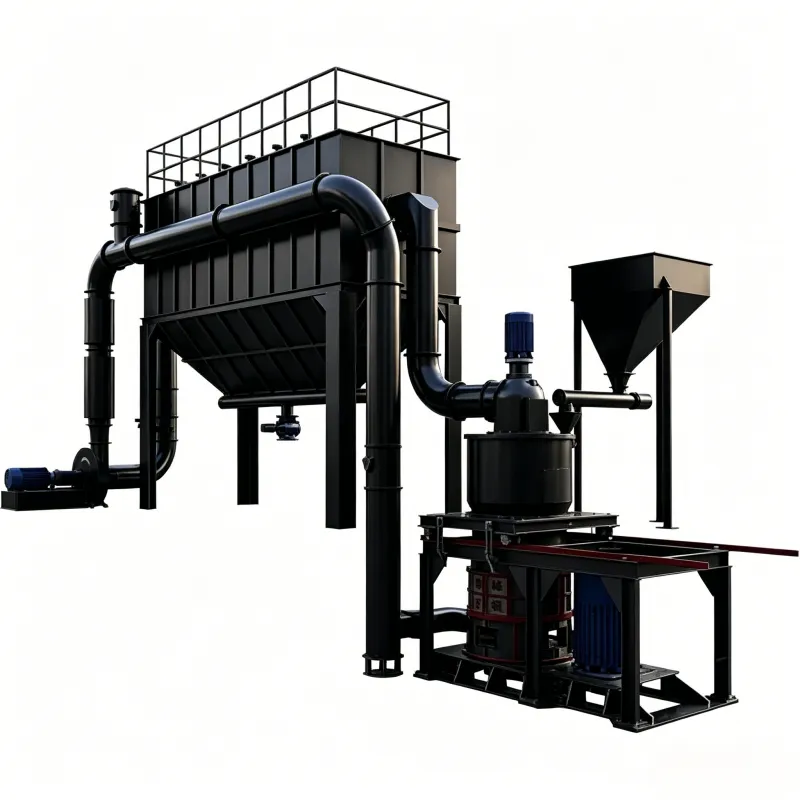
The grinding process forms a closed-loop cycle. After grinding, the fan-generated airflow carries powder into the classifier. Particles meeting fineness requirements proceed to the cyclone collector; unqualified coarse particles fall back into the grinding chamber for regrinding, while separated airflow returns to the fan through the return air pipe for recycling.
Q1: How do I make the product finer?
A: Increase classifier rotor speed, reduce airflow volume, or both-.
Q2: How do I make the product coarser?
A: Reduce classifier rotor speed, increase airflow volume, or both.
Q3: Can I adjust fineness while the mill is running?
A: Yes. Modern classifiers with VFDs allow on-the-fly speed adjustment without stopping the mill.
Q4: What causes inconsistent fineness?
A: Common causes include worn classifier blades, unstable feed rate, air leakage, or incorrect classifier speed settings.
Q5: How often should classifier blades be replaced?
A: Replacement frequency depends on material abrasiveness. For soft materials like limestone, blades may last 6-12 months; for harder materials, more frequent replacement is needed. Regular wear measurement is essential.
Q6: Does the classifier affect mill capacity?
A: Yes. An inefficient classifier can reduce overall mill output by recirculating excessive material or allowing oversized particles to exit as product.
The classifier is arguably the most critical component for controlling particle size in Raymond mills. Its rotational speed directly determines the cut point for particle separation, and modern variable frequency drives enable precise, real-time fineness adjustment.
From traditional whizzer separators to advanced multi-stage turbine classifiers, the evolution of classification technology has dramatically improved the ability to produce consistent, high-quality powders across a wide range of fineness requirements—from 80 mesh coarse powders to ultra-fine products below 10 microns.
Understanding the working principles, adjustment techniques, maintenance requirements, and common troubleshooting methods empowers operators to achieve optimal classifier performance. The key to success lies in a systematic approach: proper pre-startup verification, real-time monitoring during operation, regular maintenance, and thorough documentation.
By mastering the Raymond mill classifier, you ensure consistent product quality, maximize production efficiency, reduce operating costs, and extend the service life of your entire grinding system.