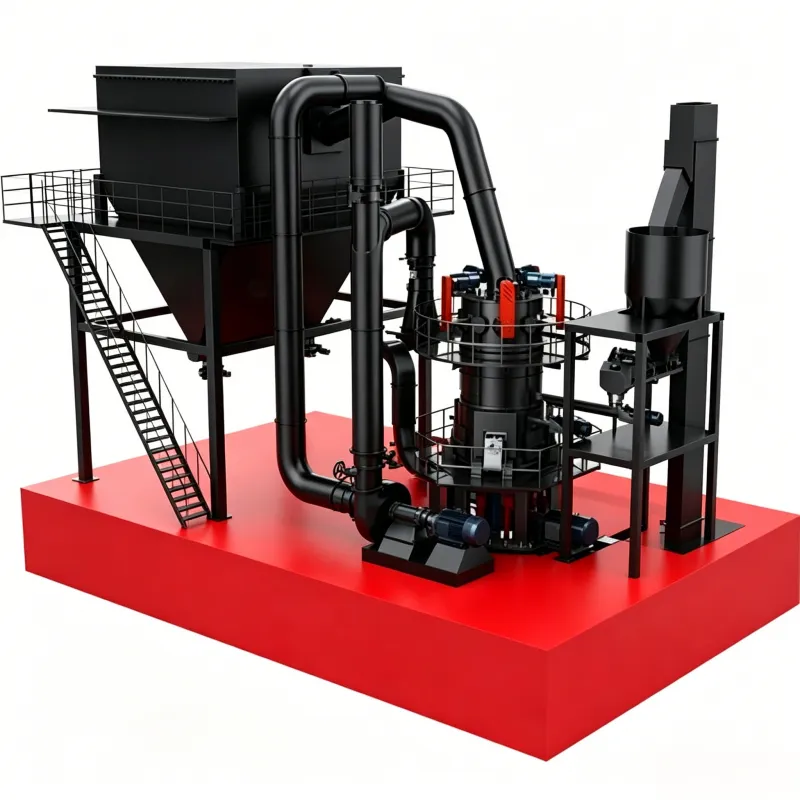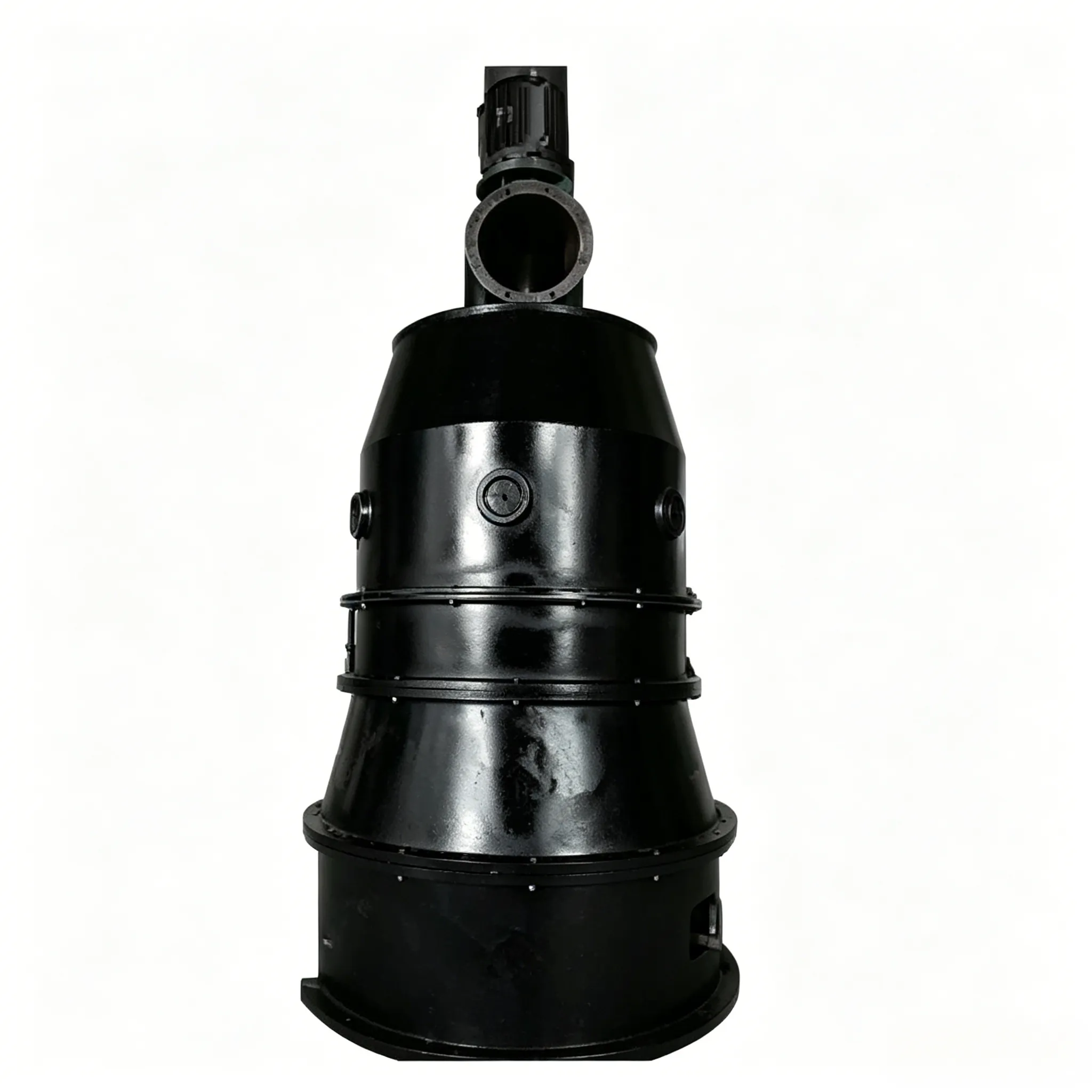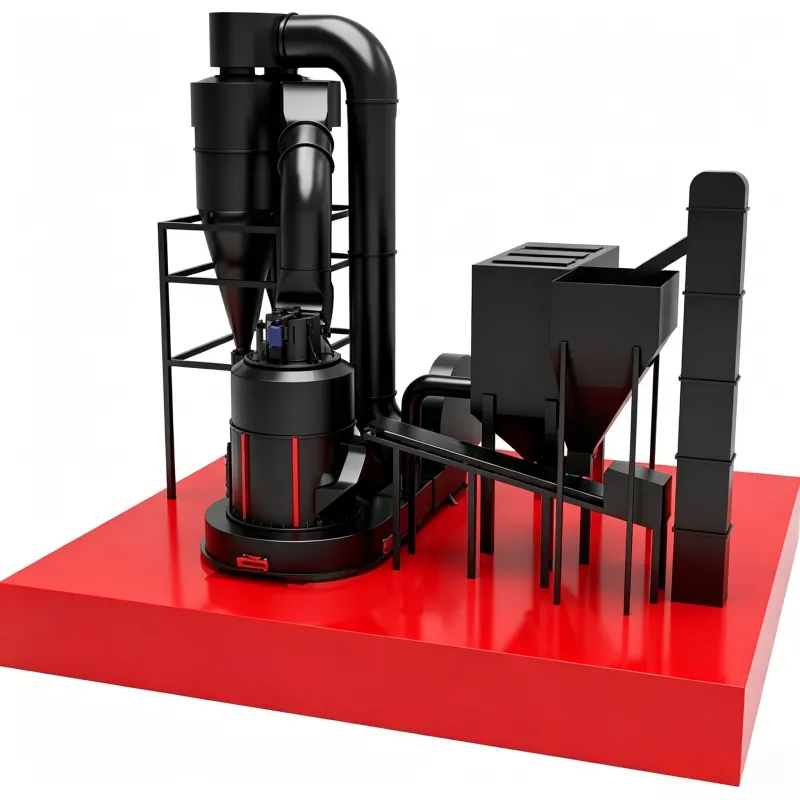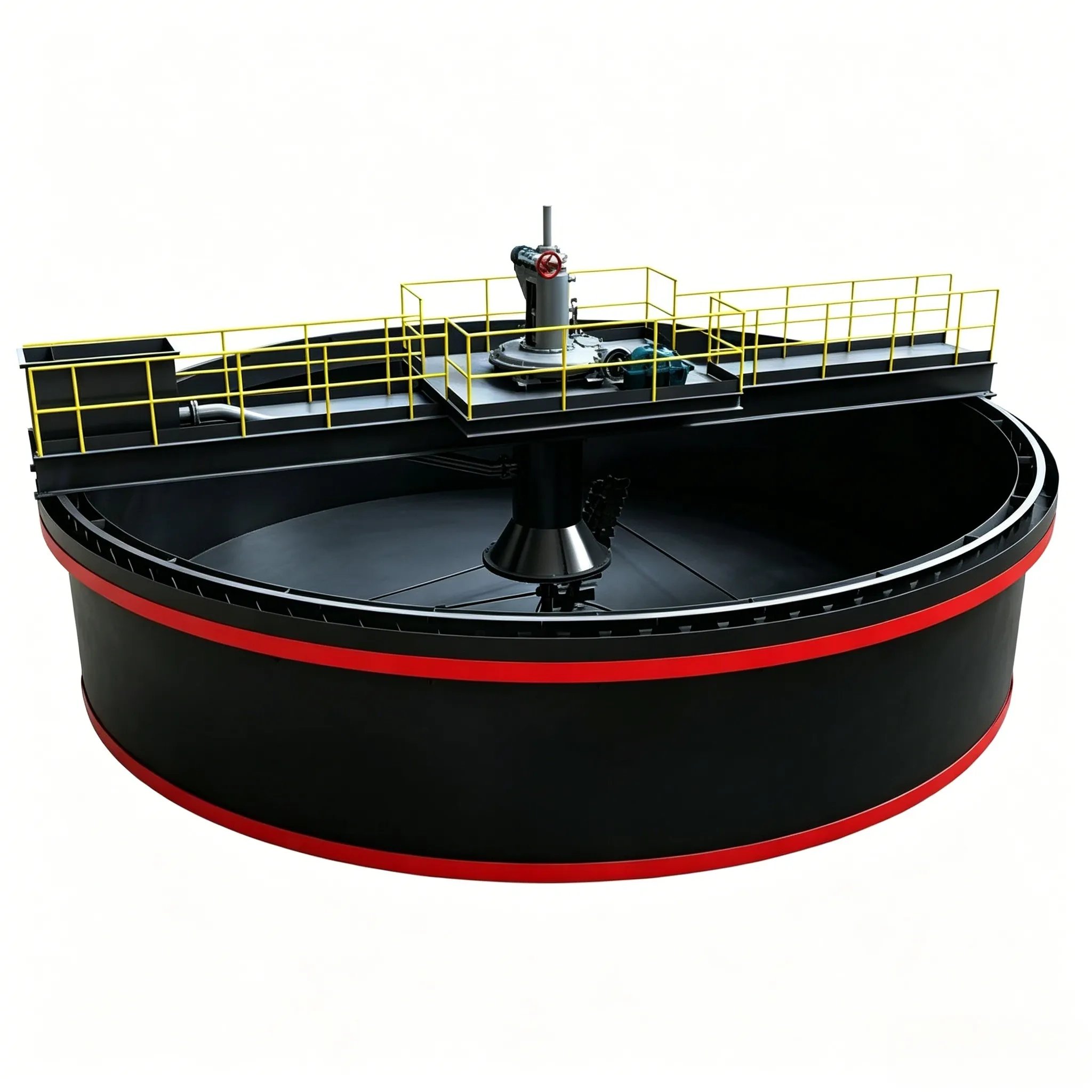
Высокоэффективный сгуститель
High-Efficiency Thickener The high-efficiency thickener is a new type of thickening equipment…

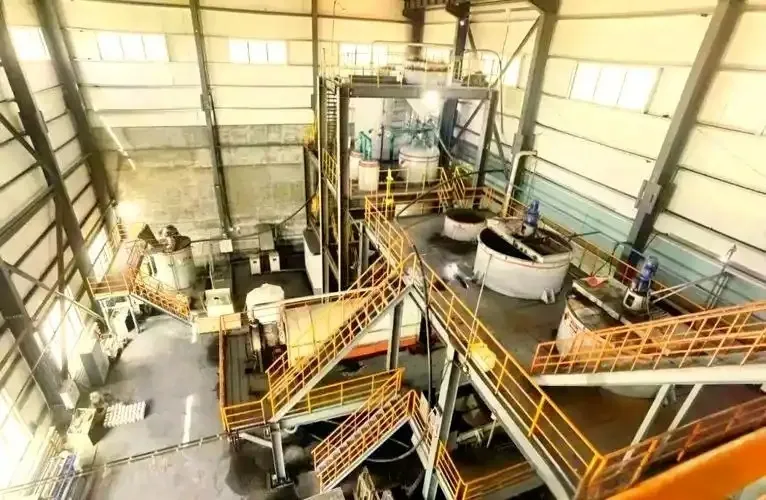
How much would it cost to build a gold ore processing plant with a daily processing capacity of 500 tons?
The cost can vary by more than double depending on the process route and equipment configuration.
I. How to Choose the Process? First, Understand Your Ore
For a 500-ton/day gold mine, there are three main processes:
Flotation – Suitable for sulfide gold mines and gold-bearing quartz veins. Mature technology, recovery rate is typically 85%–92%, with moderate initial investment, making it the most common option.
Cyanide-In-Pulp (CIL) Process – Suitable for fine-grained disseminated gold mines with ore grades above 1.5 g/t. Recovery rate is typically 92%–96%, but environmental requirements are higher, and reagent costs are greater.
Gravity Separation + Flotation Combined Process – Suitable for mines with high coarse gold content. Coarse gold is recovered first, then fine gold is processed by flotation, resulting in lower overall costs.
Simple Judgment: High coarse gold content (visible visually) → Prioritize gravity separation for pre-collection; Grade > 2 g/t → Higher efficiency with whole-sludge cyanidation; Grade 1–2 g/t + sulfide ore → Flotation offers the best cost-effectiveness.
II. Complete Equipment List for a 500 Tons/Day Mineral Processing Plant
Regardless of the chosen process, the complete equipment system consists of four main modules:
Crushing System (Three-Stage Closed-Circuit)
Jaw Crusher – Coarse crushing, feed ≤340mm, output 65–160mm
Single-Cylinder Hydraulic Cone Crusher – Medium crushing, output 25–50mm
Multi-Cylinder Hydraulic Cone Crusher – Fine crushing, output 8–15mm, forming a closed-circuit cycle with the vibrating screen
The three-stage closed-circuit system is an industry standard, ensuring that all feed particles are <12mm, which is fundamental to subsequent mineral processing efficiency.
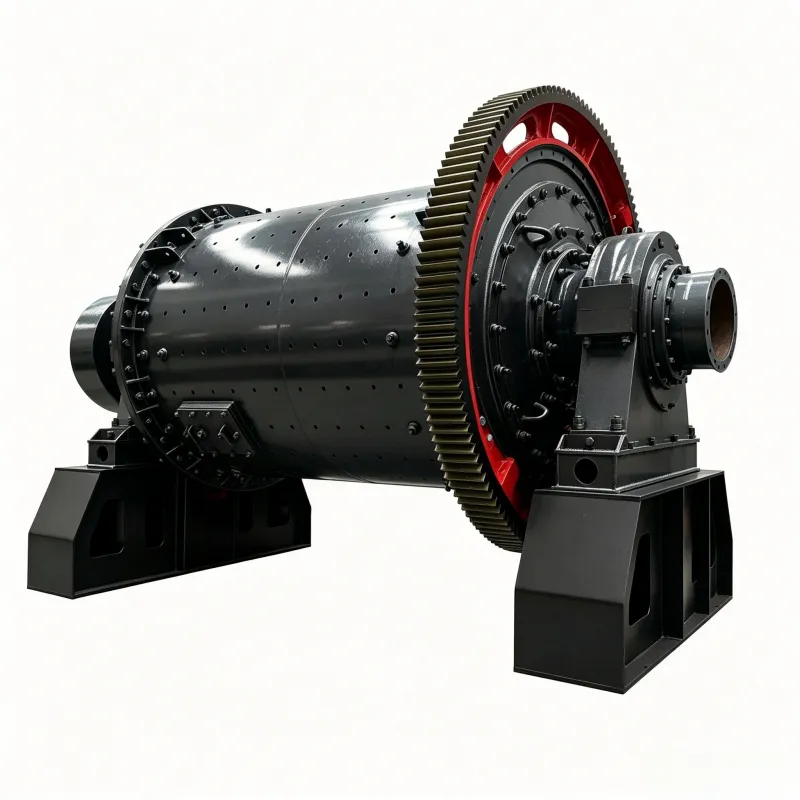
Система измельчения
Шаровая мельница – Core equipment, commonly used size with a daily processing capacity of 500 tons, forming a closed circuit with a spiral classifier.
Spiral Classifier – Controls grinding fineness; return sand is recycled back to the ball mill for regrinding.
Spiral Sluice or Jig (optional) – Gravity separation for pre-collection of coarse gold particles, reducing grinding power consumption.
Grinding power consumption accounts for 40%–50% of the total power consumption of the entire concentrator plant; the ball mill ratio directly affects the cost of all subsequent processes.
Mineral Processing System (Flotation Process as an Example)
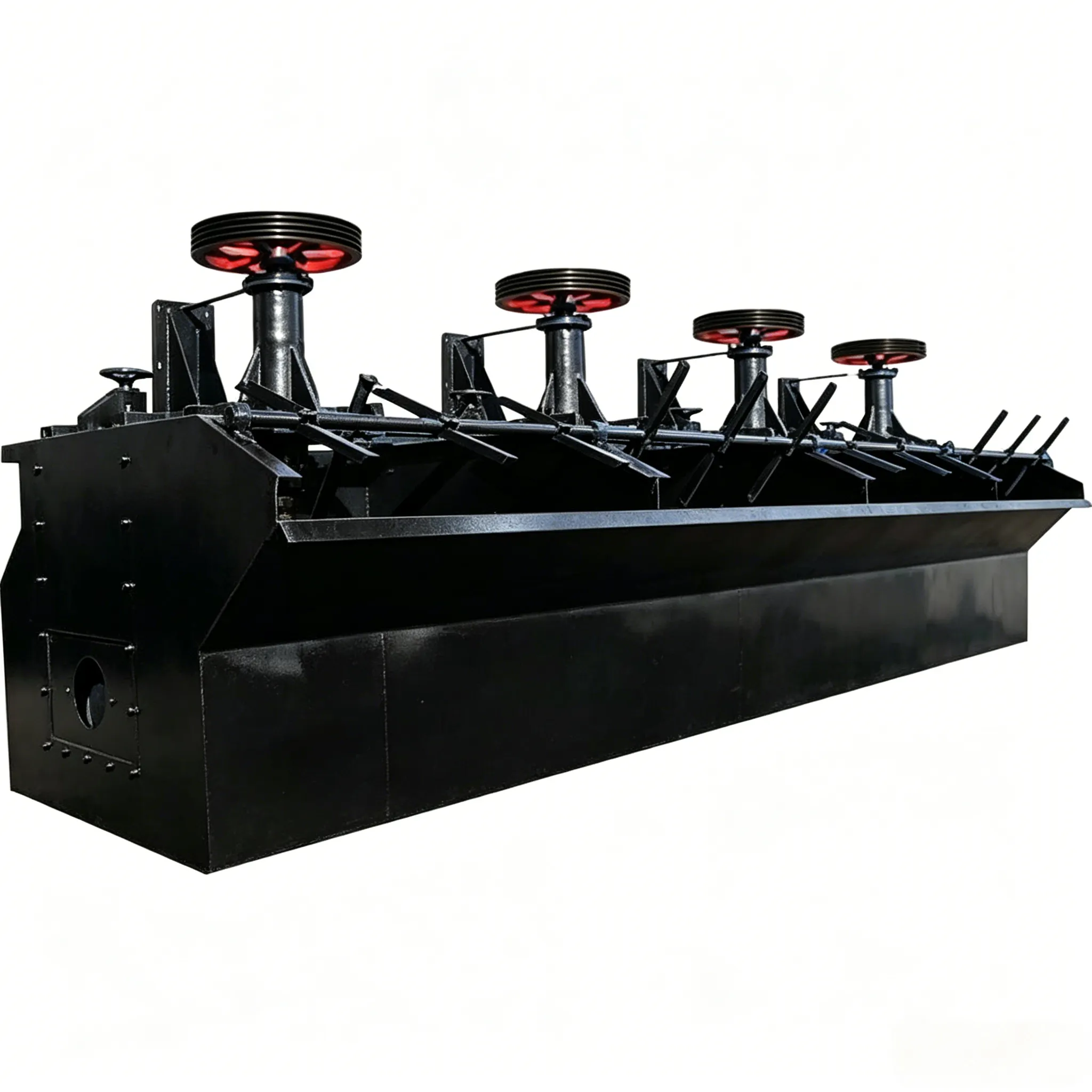
Roughening Flotation – 6-cell mechanically agitated flotation machine, recovering the main gold minerals.
Scavenging Flotation – 4 cells, scavenging residual gold, improving overall recovery rate.
Cleaning Flotation – 3 cells, improving concentrate grade.
Concentrate Concentration – High-efficiency thickener, increasing concentrate concentration from 15% to 60%.
Filter Press – Chamber filter press, producing gold concentrate with water content <15%.
If using a full-sludge cyanidation process, it is replaced with: High-efficiency leaching tank (6 cells) + activated carbon adsorption tower (CIL) + desorption electrolysis system.
Auxiliary Systems
Feeding and Dosing Equipment – Vibrating feeder, automatic dosing system.
Slurry Pump – Wear-resistant slurry pump, connecting various processes.
Power Distribution and Automatic Control – PLC control system, reducing labor costs.
III. How much investment is needed? (For reference only)
A gold ore beneficiation plant with a daily processing capacity of 500 tons, using flotation technology, with the following basic configuration:
Total equipment investment: approximately 1.2 million to 1.8 million yuan
| Fee Items | Reference range |
| Crushing system | 250,000-350,000 yuan |
| Grinding system | 300,000-450,000 yuan |
| Mineral processing system (flotation) | 350,000-550,000 yuan |
| Dehydration system | 150,000-250,000 yuan |
| Auxiliary systems (ore feeding/drug administration/electrical) | 250,000-350,000 yuan |
Including civil engineering, piping and electrical systems, process design, installation, and commissioning: approximately 1.5-2 million yuan.
The total investment for the entire package is typically between 3 and 5 million yuan. In mountainous areas of Southwest China, areas requiring the import of large-scale equipment, or regions with stringent environmental impact assessment requirements, the cost will increase by 20% to 30%.
IV. Several Key Details for Success or Failure