Formed by underground magma and hydrothermal processes, gold is embedded in rock fractures and veins. This is currently the most common type of gold deposit mined.
Hydrothermal Quartz Vein Type (Most common in China)
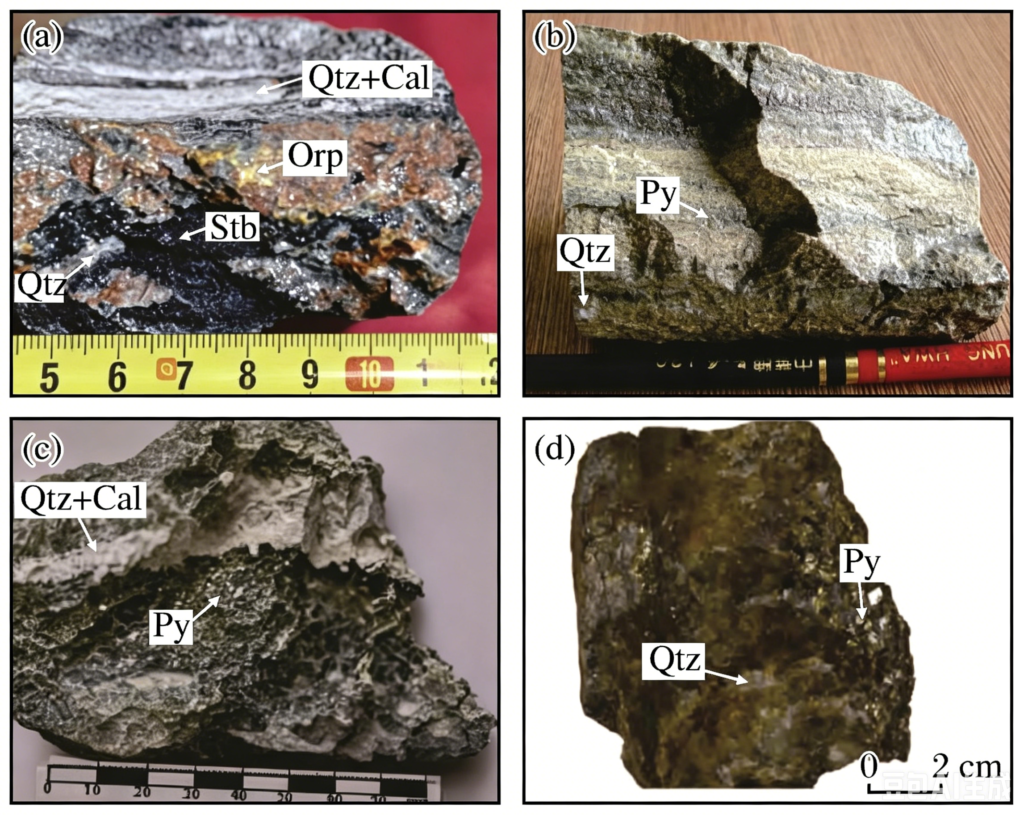
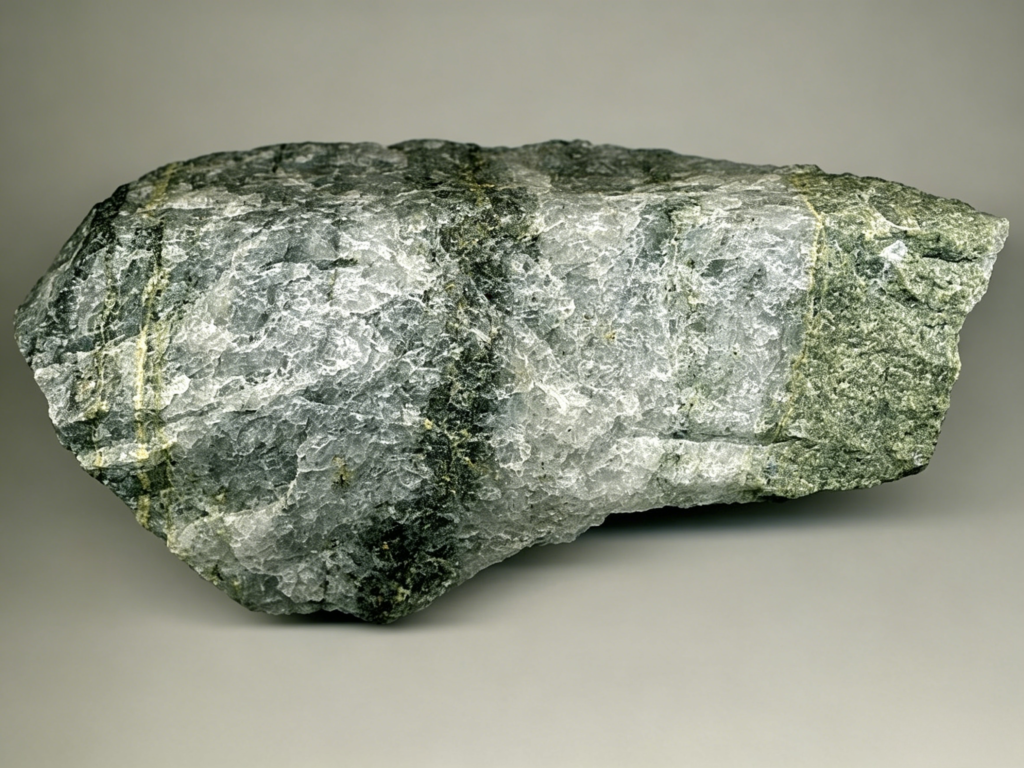
Properties: Gold grains are mostly embedded in milky‑white quartz veins, commonly associated with pyrite, galena, and sphalerite. Gold particle sizes vary from coarse (visible gold) to fine micrograins.
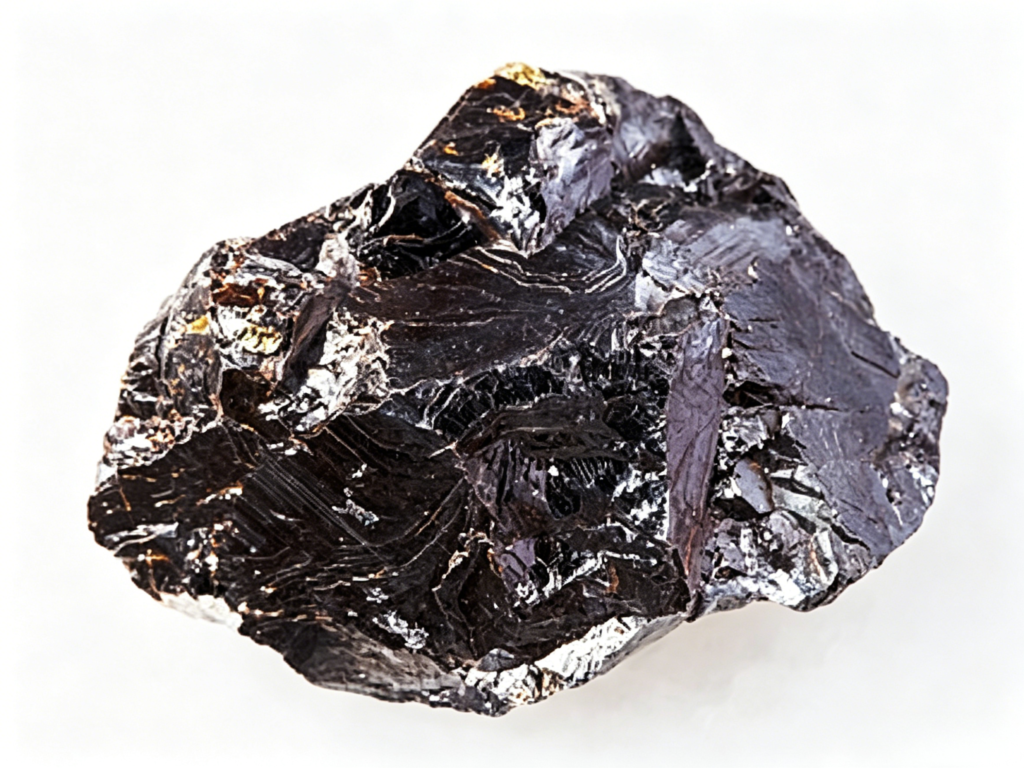
Galena
Sphalerite raw ore
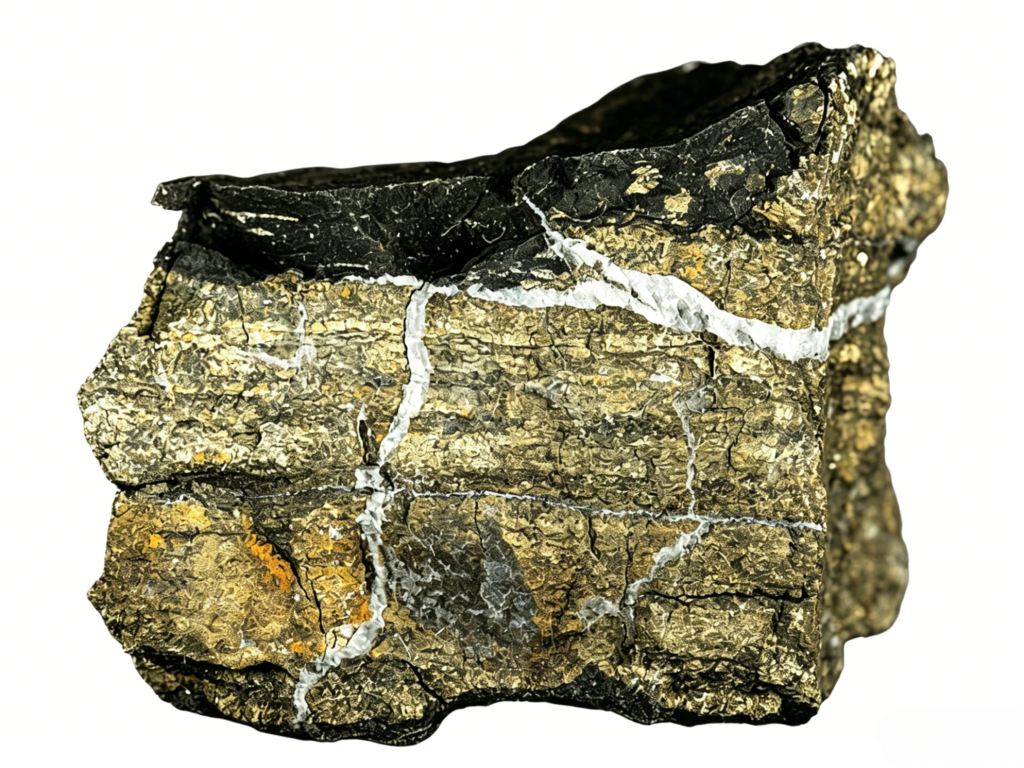
Pyrite
Characteristics: Narrow veins with long strike lengths; mostly small‑ to medium‑sized mines. Suitable for flotation + cyanidation/carbon‑in‑leach (CIL) processes. Conventional equipment includes wet ball mills and flotation cells.
Fractured Altered‑Rock Type (Main type for large‑scale gold deposits)
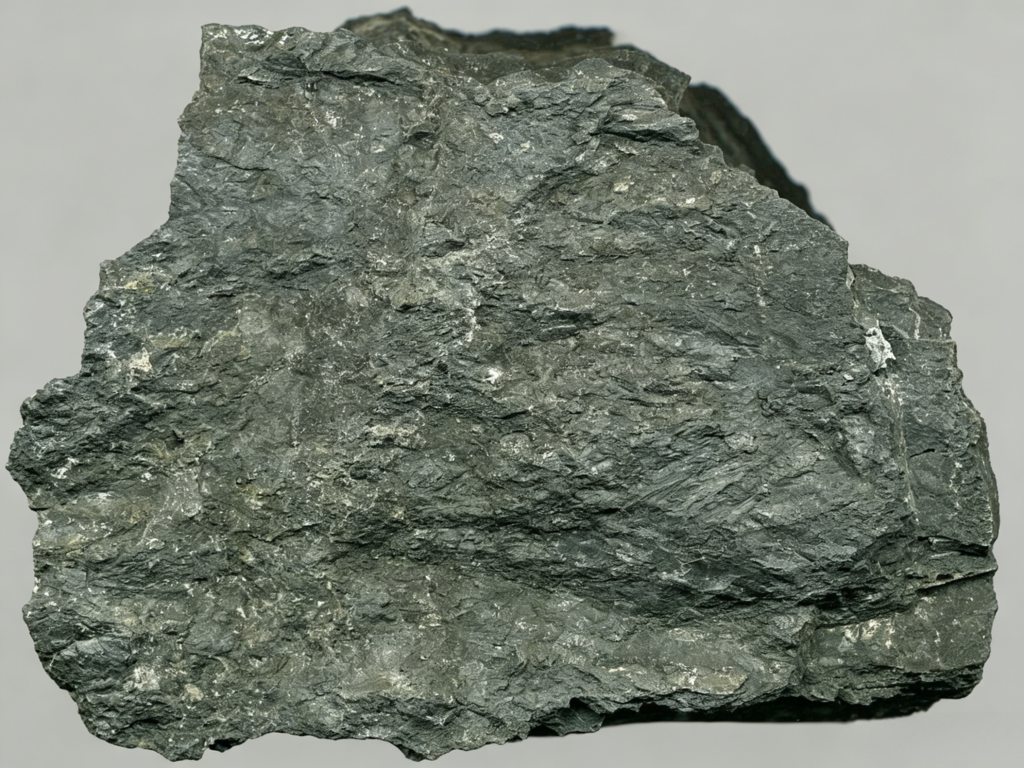
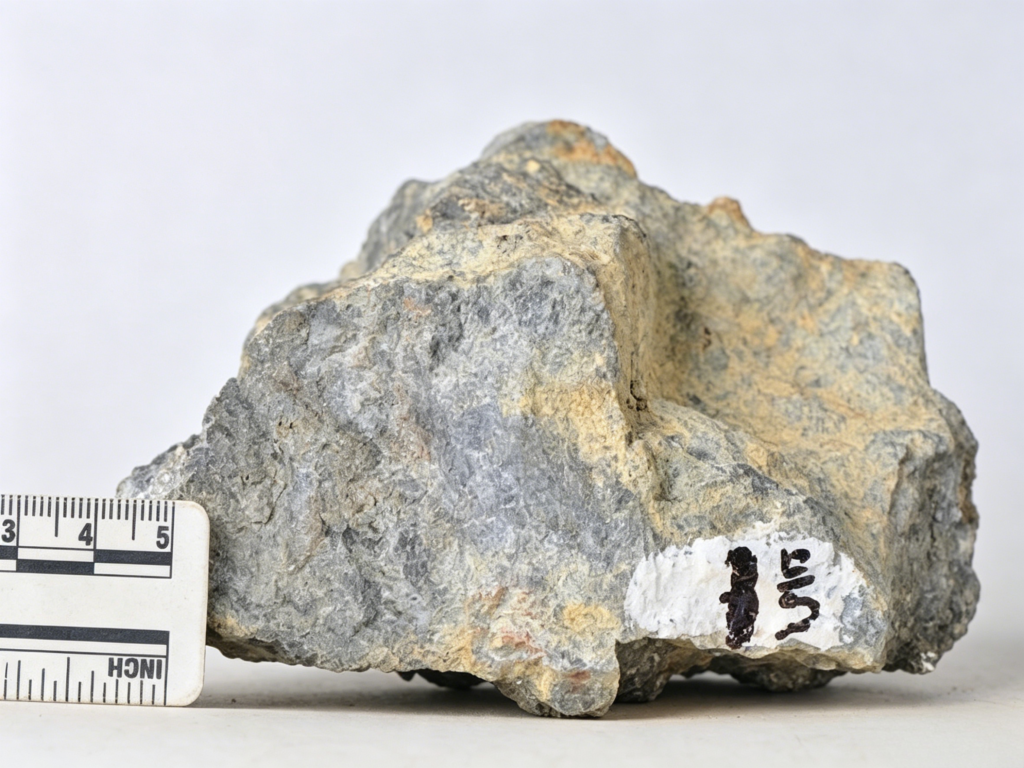
Properties: Gold occurs in altered wall rocks within fracture zones. Ores are mostly fragmented granitic rocks, with gold distributed as microfine disseminations – barely visible to the naked eye.
Characteristics: Large ore bodies, deep burial, large reserves, high sulfide content. Metallurgical recovery is stable, suitable for large‑scale open‑pit or underground mining.
Carlin Type (Microfine Disseminated Gold Deposit)
Properties: Gold particles are extremely fine (mostly <10 μm), encapsulated in pyrite and carbonaceous shales. Gold is completely invisible to the naked eye – often called “invisible gold” or “dumb gold”.
Challenges: Carbonaceous matter readily adsorbs gold cyanide complexes, leading to low recovery by conventional cyanidation. Requires pre‑treatment (e.g., roasting) to remove carbon before leaching. Not amenable to gravity concentration; mostly treated by roasting + carbon‑in‑leach.
Distribution: Western China (Guizhou, Shaanxi, Gansu, etc.).
Volcanic‑Hydrothermal Type
Properties: Occurs in volcanic and sub‑volcanic rock sequences, commonly associated with silver, copper, lead, and zinc. Gold and silver are often intergrown – a polymetallic by‑product gold deposit.
Processing route: Preferential flotation to recover Cu, Pb, and Ag, followed by cyanide leaching of gold from the flotation tailings.
Formed by weathering of primary gold deposits, followed by water transport and gravity settling, where dense gold accumulates in riverbeds, terraces, and beach sands.
River‑bed Alluvial Gold
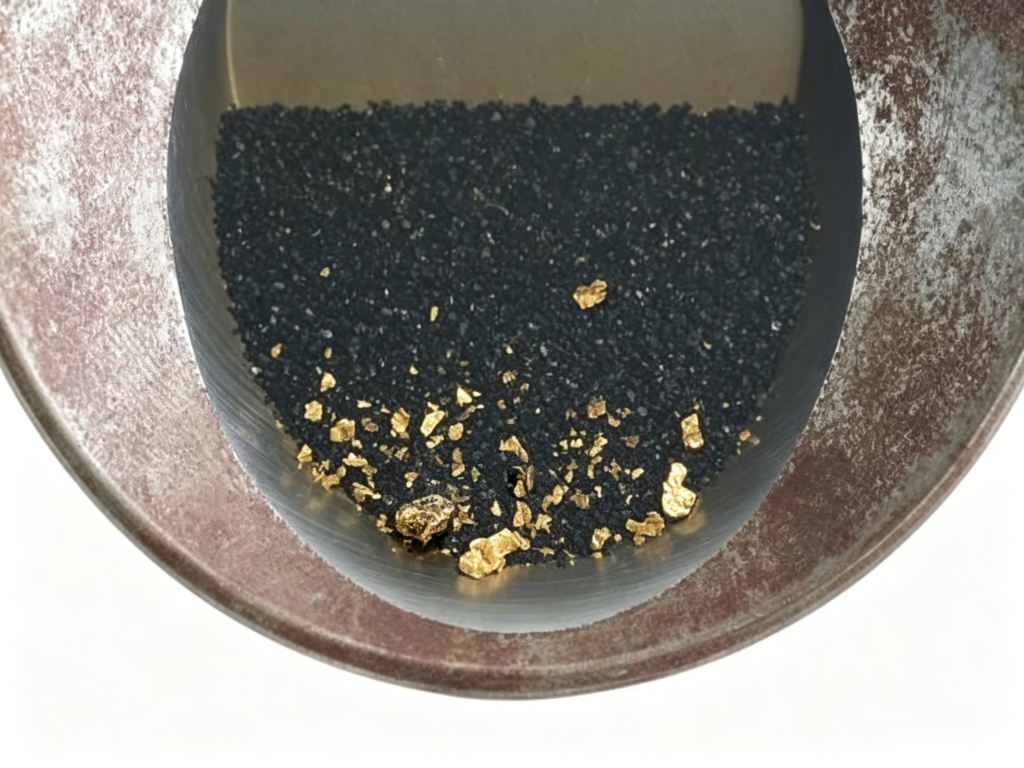
Properties: Gold particles are mostly flaky, granular, or bean‑shaped visible gold, with high purity (native gold fineness > 900). Occur in river sands and gravel layers at the bottom.
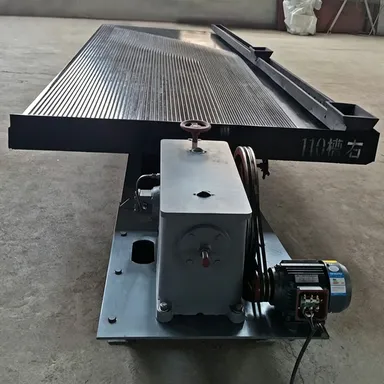
Processing features: Relies on gravity concentration – using jigs, shaking tables, centrifugal concentrators, and amalgamation mills, combined with wet or dry ball mills for grinding. Simple process, no flotation required.
Terrace and Eluvial/Deluvial Placer Gold
Properties: Formed from ancient river channels now elevated as dry land. Ores are heavily weathered with high clay content, requiring pre‑washing and desliming before gravity separation.
(C) By‑product (Polymetallic) Gold Deposits
Gold is not the primary product but is recovered as a by‑product from other ores:
Copper‑gold ores: Gold is associated with copper concentrates during flotation and recovered from anode slimes in smelting.
Lead‑zinc‑silver‑bearing gold ores: Gold and silver are embedded in sulfide minerals of lead and zinc; recovered after flotation of polymetallic concentrates.
Pyrite‑bearing gold: Gold is recovered from the roasting residue (calcine) after sulfuric acid production from pyrite.
(D) Special Refractory Gold Ores
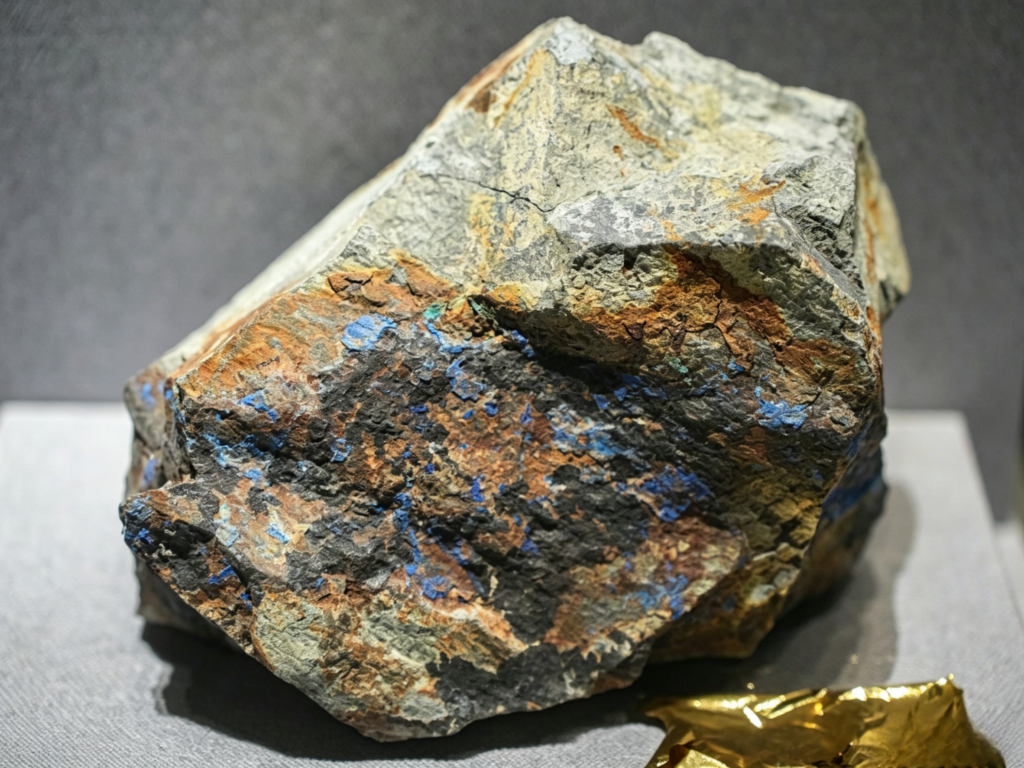
Arsenic‑bearing refractory gold: Gold is encapsulated in arsenopyrite (arsenical pyrite). Conventional grinding cannot liberate it; must be pre‑treated by pressure oxidation or roasting before cyanidation.
Carbonaceous Carlin‑type gold: Carbonaceous matter has preg‑robbing capacity (adsorbs gold cyanide), leading to very low recovery by direct cyanidation.
Microfine encapsulated gold: Gold is fully enclosed in sulfide minerals and cannot be liberated by ordinary grinding; requires ultra‑fine grinding (e.g., vertical stirred mill + ball mill) to break the mineral lattice.
II. Core Physical and Chemical Properties of Gold
1. Physical Properties (Native Gold)
Density: 15.6–19.3 g/cm³, much higher than quartz (2.65) and pyrite (5.2) – this is the fundamental principle of gravity separation.
Mohs hardness: 2.5–3, very soft; gold tends to flatten into flakes during grinding, but does not easily over‑grind.
Extreme ductility: Can be rolled into gold leaf; fine gold particles tend to adhere to steel balls, liners, and equipment surfaces, causing gold losses.
Colour: Pure gold is bright golden‑yellow; higher silver content gives a pale yellow tint; higher copper gives a reddish‑yellow hue.
Electrical and thermal conductivity: Excellent. Non‑magnetic (magnetic separators can remove magnetic sulfides but cannot attract native gold).
2. Chemical Properties
Chemically very stable at room temperature – not attacked by oxygen, water, ordinary acids or alkalis. Only dissolves in aqua regia, alkaline cyanide solutions, and thiourea solutions.
Readily forms alloys with silver, copper, and platinum; natural gold is mostly a gold‑silver alloy.
Easily adsorbed by activated carbon and carbonaceous shales – this is the basis for the carbon‑in‑pulp (CIP) and carbon‑in‑leach (CIL) processes.
III. Classification by Processing Difficulty (Practical Mine Classification)
Moderately treatable gold ores: Fine gold associated with pyrite – flotation followed by cyanide leaching, recoveries 80‑90%.
Refractory gold ores: Arsenic‑bearing, carbonaceous, microfine encapsulated gold – require pre‑treatment; conventional recoveries are only 40‑60%.
IV. Grinding Methods Suited to Different Gold Ore Types
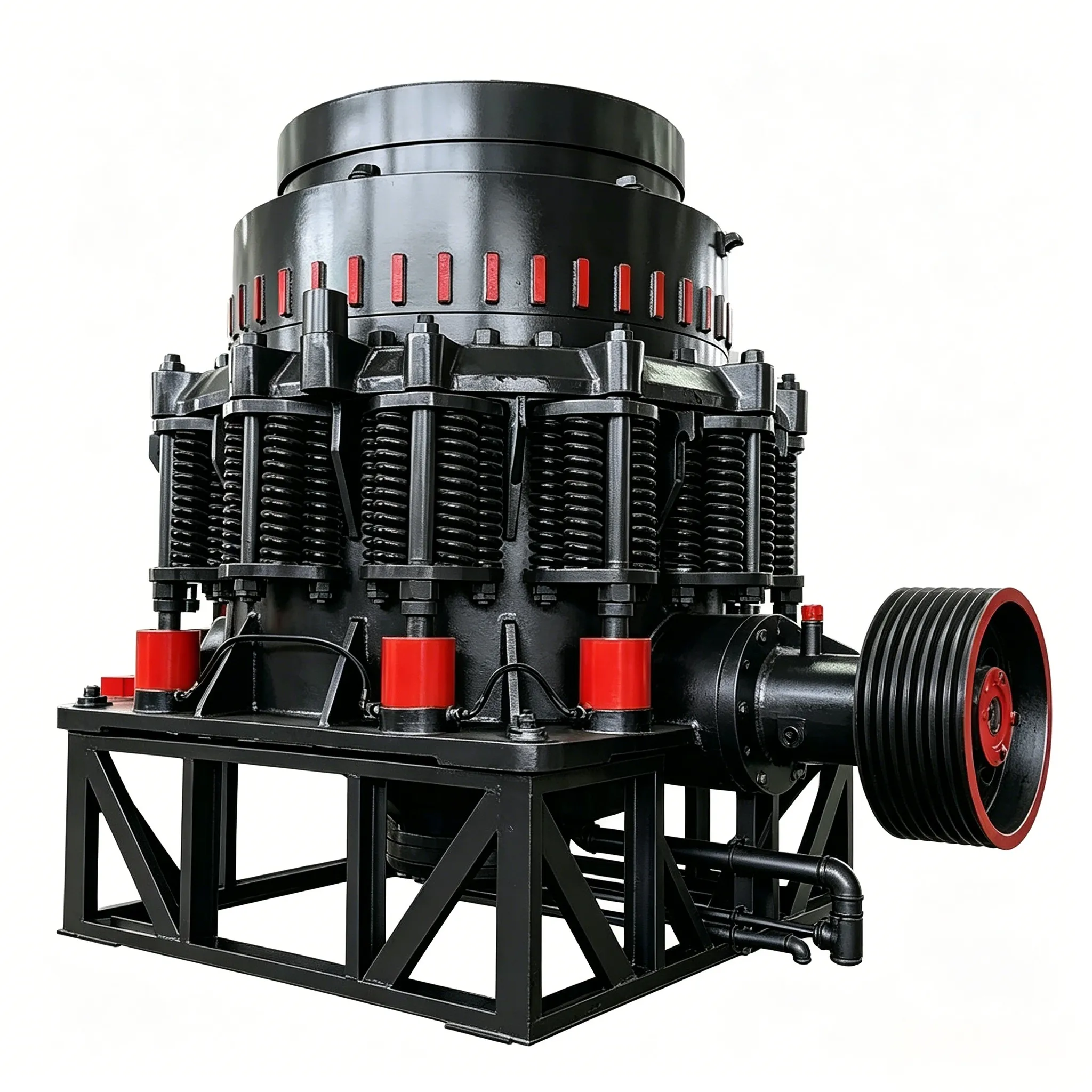
Placer gold and coarse‑grained vein gold: Prefer wet ball mills + gravity concentrators to prevent dust loss of gold fines.
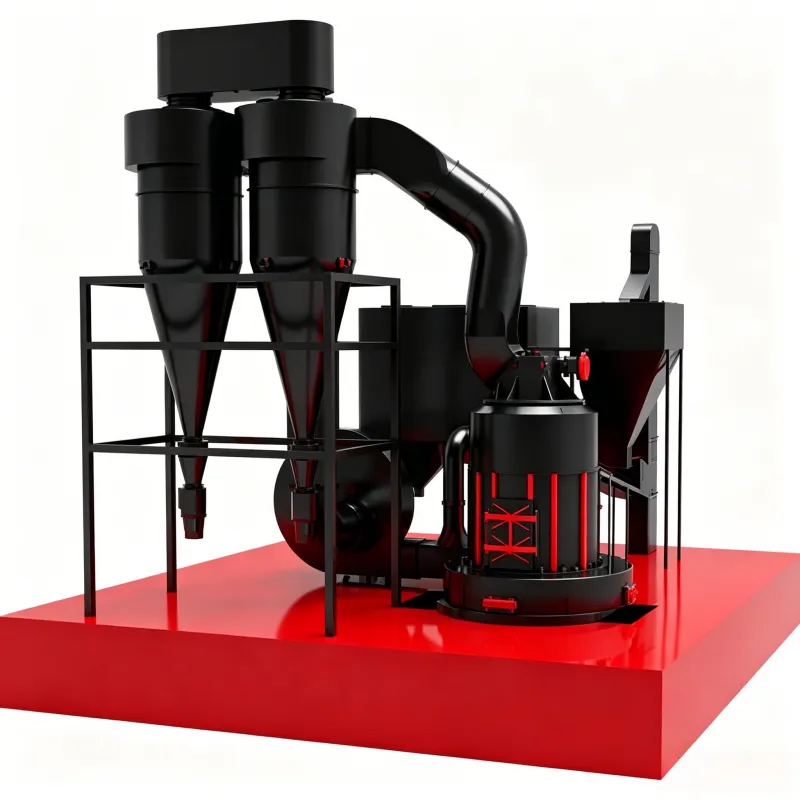
Oxidised gold ores in arid regions (open‑pit): Dry ball mills + air classification + cyanidation may be used.
Microfine refractory gold ores: Requires primary grinding in a horizontal ball mill followed by secondary ultra‑fine grinding in a vertical stirred mill to fully liberate encapsulated gold.




 English
 Spanish
 Russian
 Arabic
 Swahili
 French
 Turkish
 Portuguese
 Korean
 Japanese
 German
 Italian