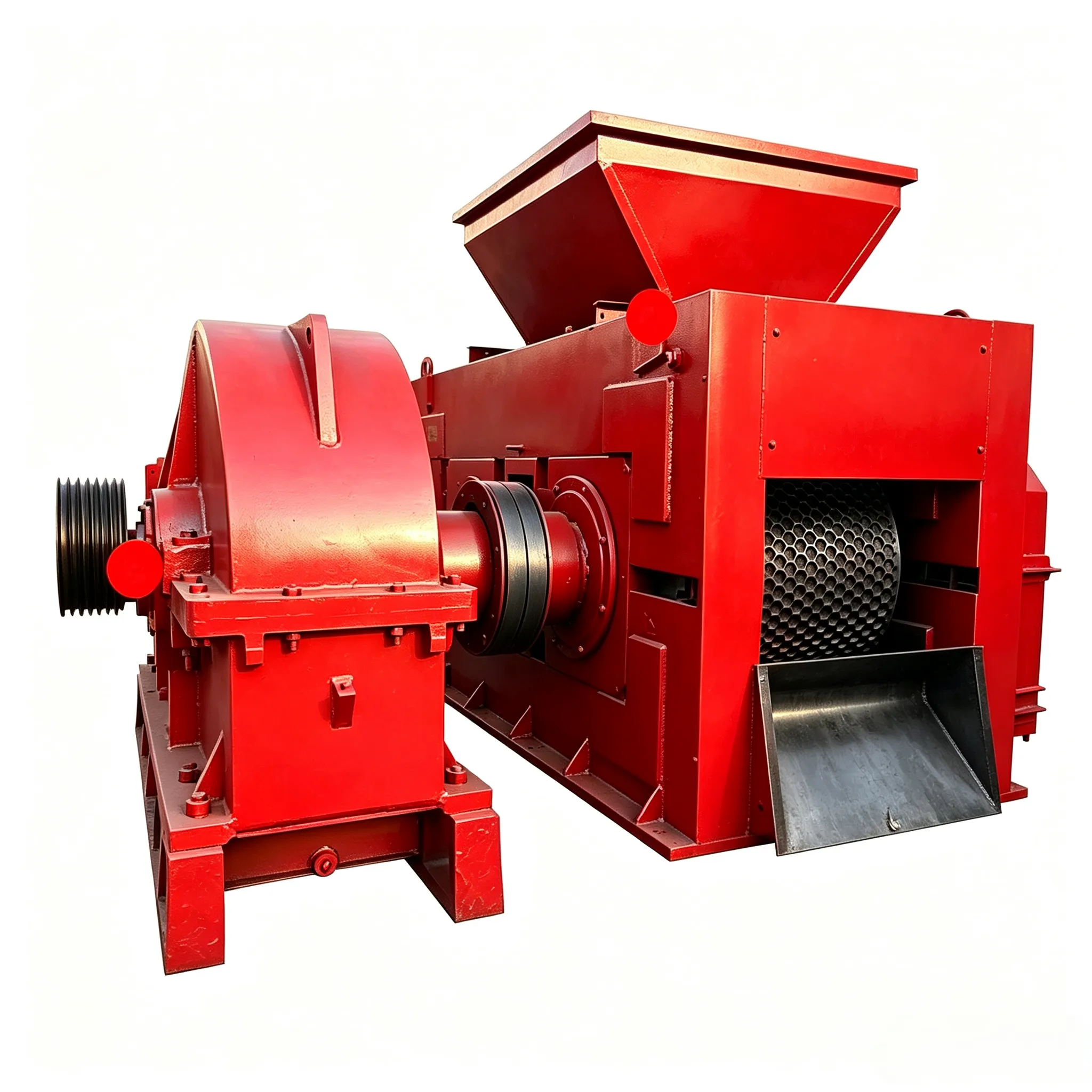
Brikettiermaschine
Produktübersicht Brikettiermaschinen sind Industrieanlagen, die zum Verdichten von pulverförmigem oder…

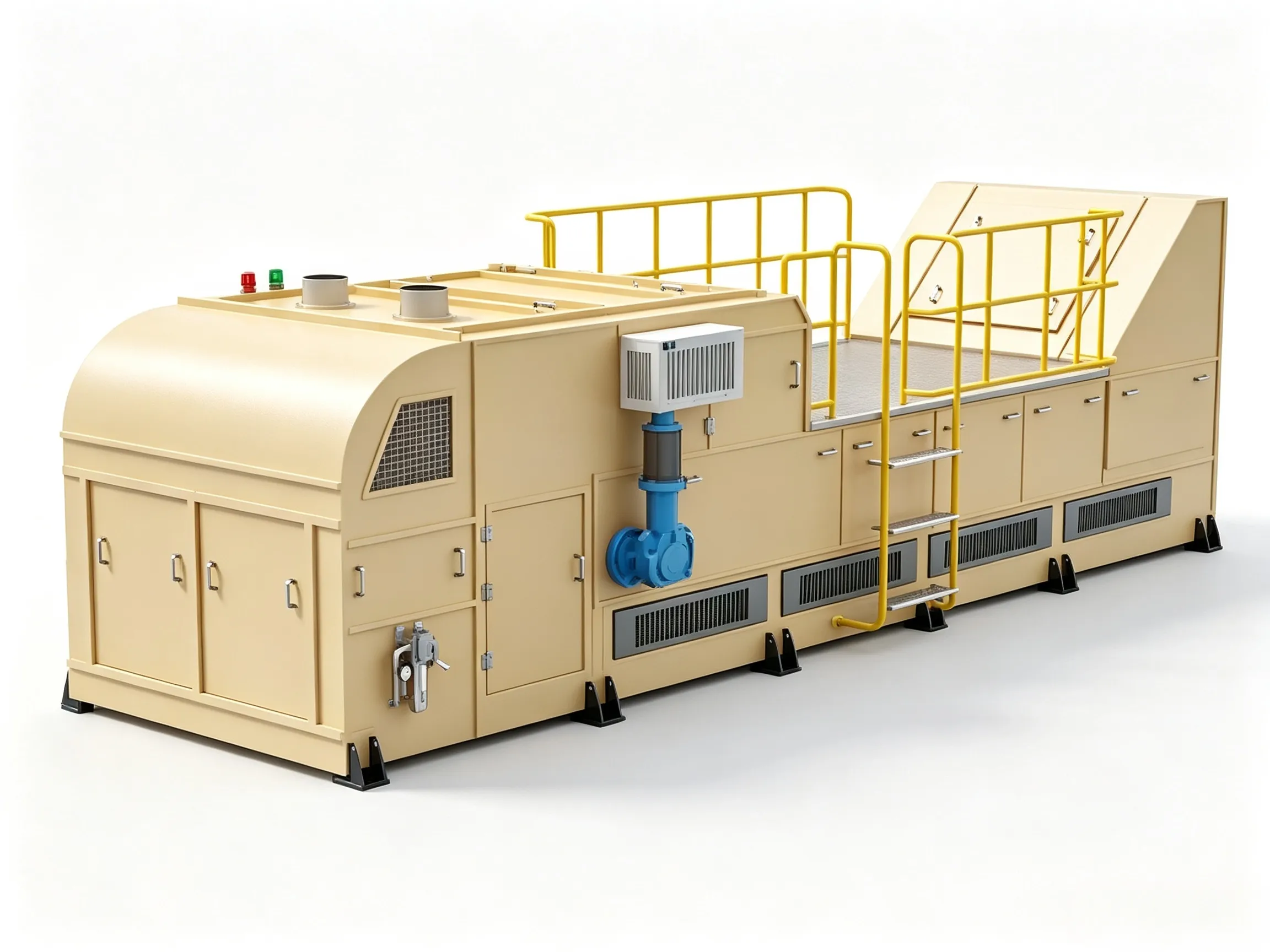
Barite (barium sulfate) is a highly valued mineral used extensively as a weighting agent in oil and gas drilling fluids, as well as in the medical, automotive, and paint industries. Because its value depends heavily on its high specific gravity and purity, raw barite ore must undergo strict beneficiation (sorting and refining) before it ever reaches a grinding machine like a Raymond mill.
Historically, this meant using water-heavy gravity separation methods like jigging. Today, dry photoelectric sorting (a type of sensor-based sorting) is revolutionizing how barite is processed.
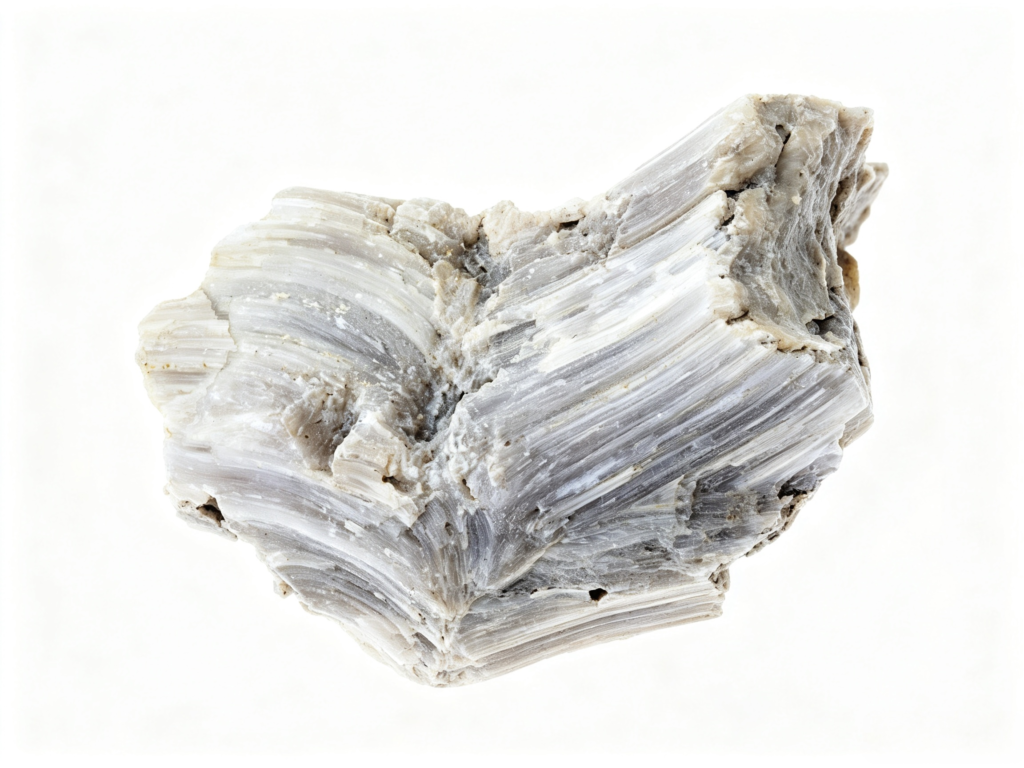
Dry photoelectric sorting is a waterless, sensor-based mineral processing technology. Instead of relying on the physical weight of the ore to separate barite from waste rock (gangue), it uses advanced optical sensors, X-ray transmission (XRT), or laser technologies to scan the physical and chemical characteristics of each individual rock in milliseconds.
Because barite often has distinct optical properties or X-ray absorption rates compared to the surrounding waste rock (like quartz or shale), photoelectric sensors can instantly identify high-grade barite ore and separate it using targeted bursts of compressed air.
The process is fast, continuous, and highly automated. Here is how a standard dry photoelectric sorting circuit operates:
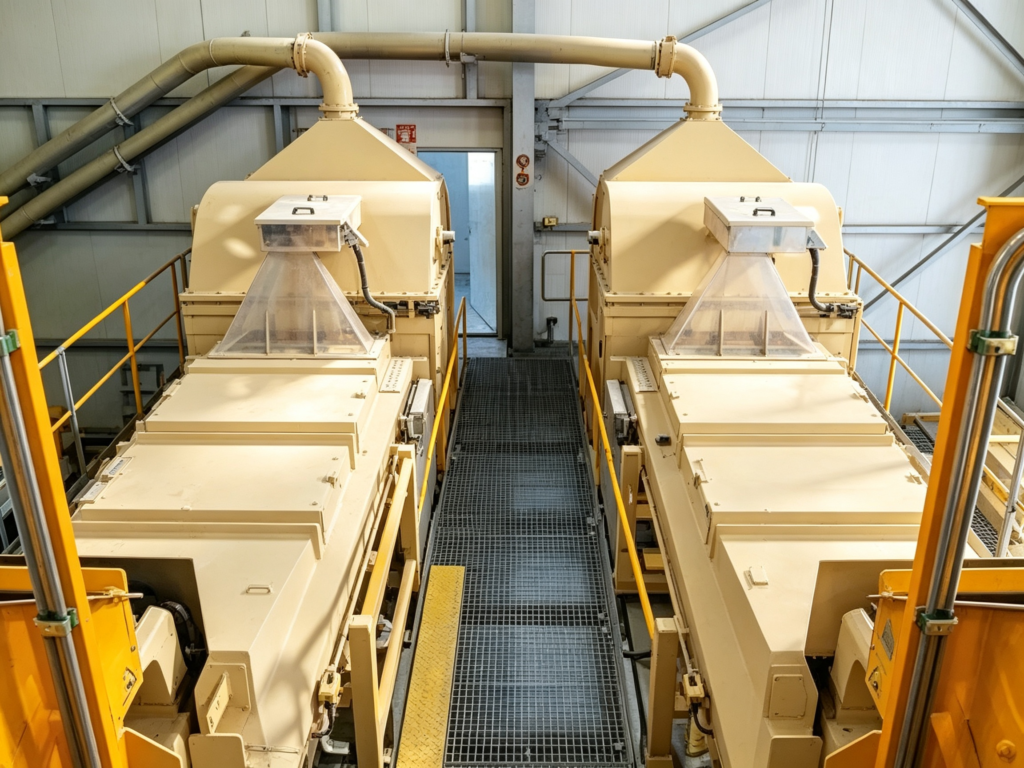
Switching from traditional wet-jigging to dry sensor-based sorting offers several major advantages for mineral processors:
| Vorteil | Why It Matters |
| Zero Water Consumption | Traditional jigging requires massive amounts of water. Dry sorting allows barite mines to operate in arid regions without complex wastewater treatment ponds. |
| Higher Purity | Sensors can detect internal differences in density (using XRT) that traditional gravity separation might miss, resulting in a higher final specific gravity (SG) for the product. |
| Environmental Compliance | Eliminating water usage means no toxic run-off or slurry tailing dams, making the permitting and environmental compliance process much easier. |
| Lower Operating Costs | While the initial machinery investment is high, removing water pumps, drying equipment, and water-treatment chemicals drastically lowers daily operating costs. |
Dry photoelectric sorting is an ideal pre-concentration step. By removing up to 50% of the barren waste rock before the grinding phase, you significantly upgrade the quality of the material feeding into your downstream equipment.
 English English
 Spanish
 Russian
 Arabic
 Swahili
 French
 Turkish
 Portuguese
 Korean
 Japanese
 German
 Italian