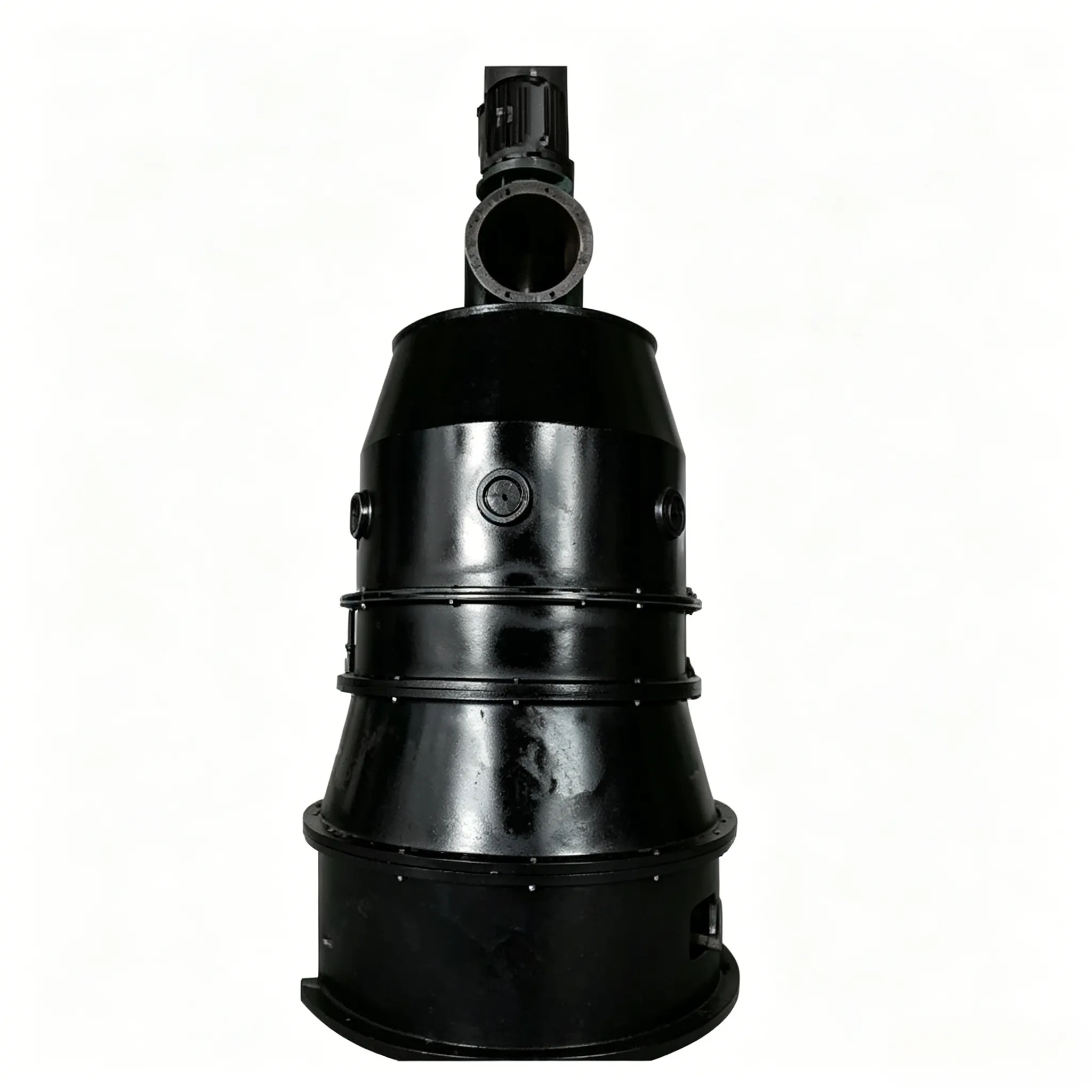
SUM-geführter Prallbrecher
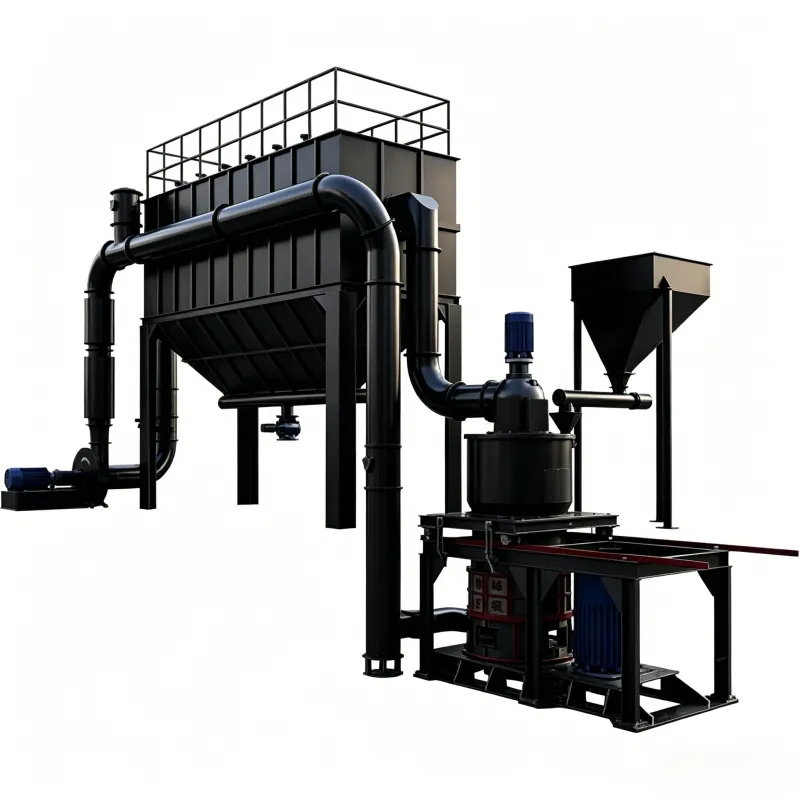
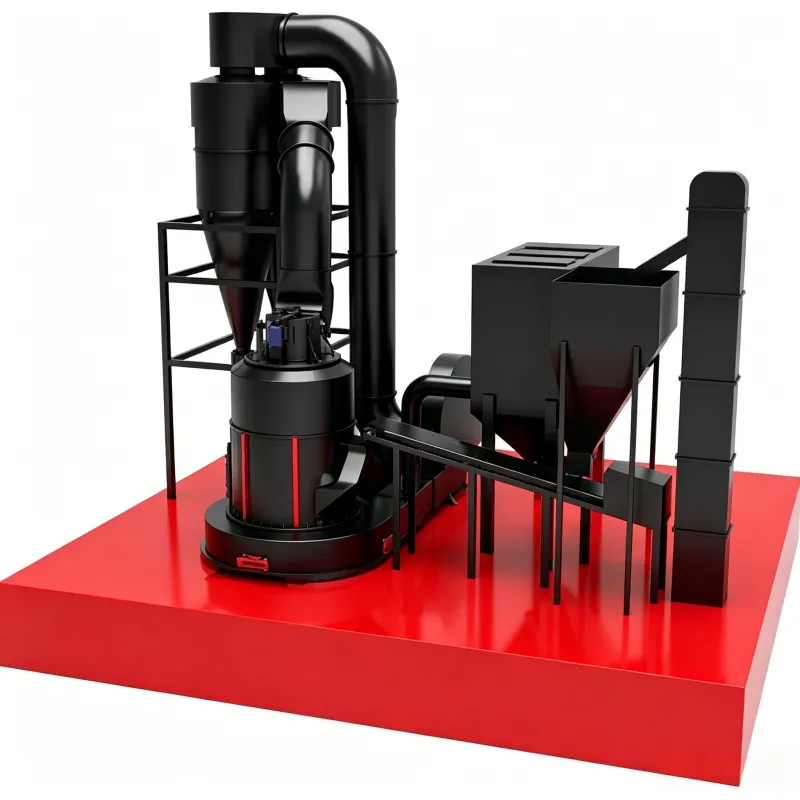
SUM-Prallbrecher mit Zyklonführung Die Mühle der SUM-Serie ist ein trockener, zyklongeführter Prallbrecher…


Ball mill liners are among the most important wearing parts in the mill. Their selection and quality directly affect the mill availability, grinding efficiency, and production cost. The requirements for liners can be summarised as follows:
Traditionally, ball mill liners are made from high‑manganese steel (ZGMn13) und cast iron (white cast iron or alloy white cast iron):
In recent years, nickel‑hardened alloy liners und high‑chromium hard alloy liners have been adopted domestically and abroad, with significantly better wear resistance than manganese steel liners. Chromium‑manganese‑silicon alloy steel liners offer even better strength and wear resistance – up to three times that of nickel‑hardened alloys.
| Vorteil | Beschreibung |
|---|---|
| Light weight | Only 1/3–1/4 of metal liners, reducing shell load and facilitating handling and installation. |
| Good wear resistance | Under certain conditions (especially wet fine grinding), rubber’s abrasion resistance can surpass metal liners. |
| Long service life | In the fine‑grinding compartment of wet raw mills, life can be 2–4 times that of metal liners. |
| Easy installation/removal | Quick to fit and remove, reducing maintenance time. |
| Geräuscharm | Rubber absorbs impact energy, reducing mill noise by 8–15 dB and improving working conditions. |
| Lower power consumption | Low friction coefficient reduces motor current and saves energy. |
| Non‑sticking | Material does not easily adhere to the surface, improving grinding efficiency. |
| Disadvantage | Beschreibung |
|---|---|
| Poor heat resistance | Operating temperature must not exceed 70–80 °C; above this, rubber ages rapidly and wear resistance drops sharply. |
| Narrow application range | Only suitable for wet raw mills; not for dry or drying mills. |
| Higher cost | Initial purchase price is higher than ordinary metal liners. |
| Cushioning effect on grinding media | Absorbs impact energy, weakening the crushing action of balls in the coarse compartment – not suitable for the first compartment. |
| Not resistant to oil/solvents | Contact with oils or organic solvents accelerates swelling and aging. |
Cast stone liners (also called diabase liners) are made from natural diabase or basalt, processed by melting, casting, crystallising, and annealing.
| Vorteil | Beschreibung |
|---|---|
| Good wear resistance | Superior to high‑manganese steel under fine‑grinding conditions. |
| Low ball coating | Smooth surface prevents media from sticking, improving grinding efficiency. |
| Light weight | Reduces shell load and facilitates installation. |
| Good corrosion resistance | Resistant to acids and alkalis, suitable for corrosive materials. |
| Lower cost | Cheaper than white cast iron, offering good economy. |
| Disadvantage | Beschreibung |
|---|---|
| Very brittle, poor impact resistance | Cannot withstand high impact; only suitable for cylpeb compartments oder ball compartments with ball diameter ≤ 40 mm. |
| Limited operating temperature | Working temperature should be below 150 °C; not suitable for drying mills. |
| Prone to breakage | Requires careful handling during transport and installation to avoid chipping or cracking. |
| Limited application | Only used in small tube mills or the fine‑grinding compartments of medium‑long mills. |
| Betriebszustand | Recommended Liner Material | Reason |
|---|---|---|
| First compartment of large mills (high impact) | Medium‑carbon low‑alloy steel, medium‑carbon multi‑alloy steel | Good toughness, resists impact cracking |
| First compartment of small/medium mills | High‑chromium cast iron (small square blocks, single bolt hole) | Good wear resistance, moderate impact |
| Second and fine‑grinding compartments | High‑chromium cast iron, medium‑carbon multi‑alloy steel | High hardness, abrasion‑dominant |
| Cylpeb compartment of small mills | White cast iron, cast stone liners | Low cost, low impact |
| Wet raw mill (fine‑grinding compartment) | Rubber liners | Wear‑resistant, low noise, long life (if temperature <80°C) |
| Mills grinding corrosive materials | Cast stone liners, high‑chromium cast iron | Good corrosion resistance |
Fazit: When selecting liners, one must comprehensively consider mill size, compartment type, feed material properties, grinding media type, internal temperature, process mode, and cost budget. No single liner is suitable for all conditions – only by selecting materials according to specific circumstances can high quality, energy savings, and high output be achieved.
 English English
 Spanish
 Russian
 Arabic
 Swahili
 French
 Turkish
 Portuguese
 Korean
 Japanese
 German
 Italian