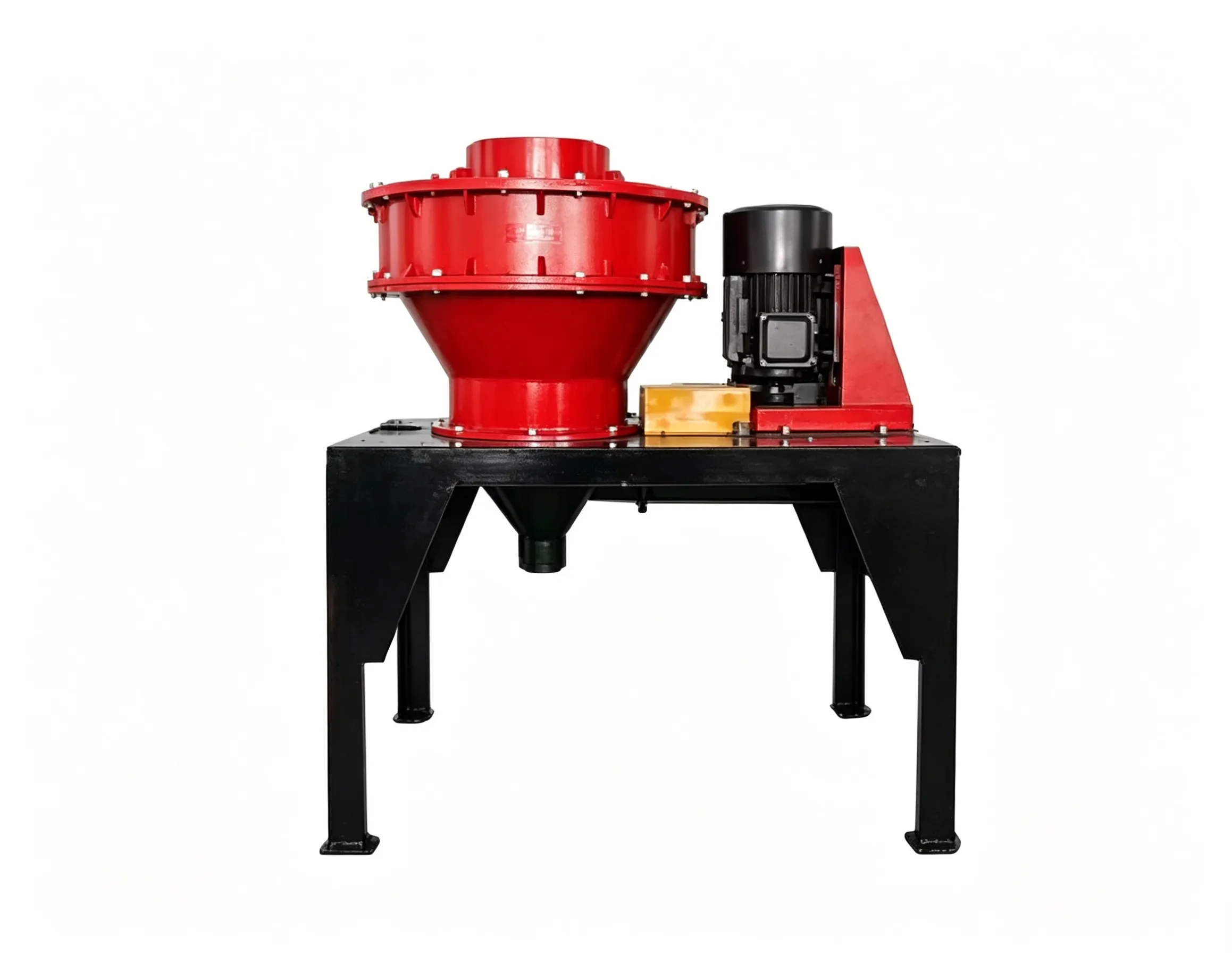
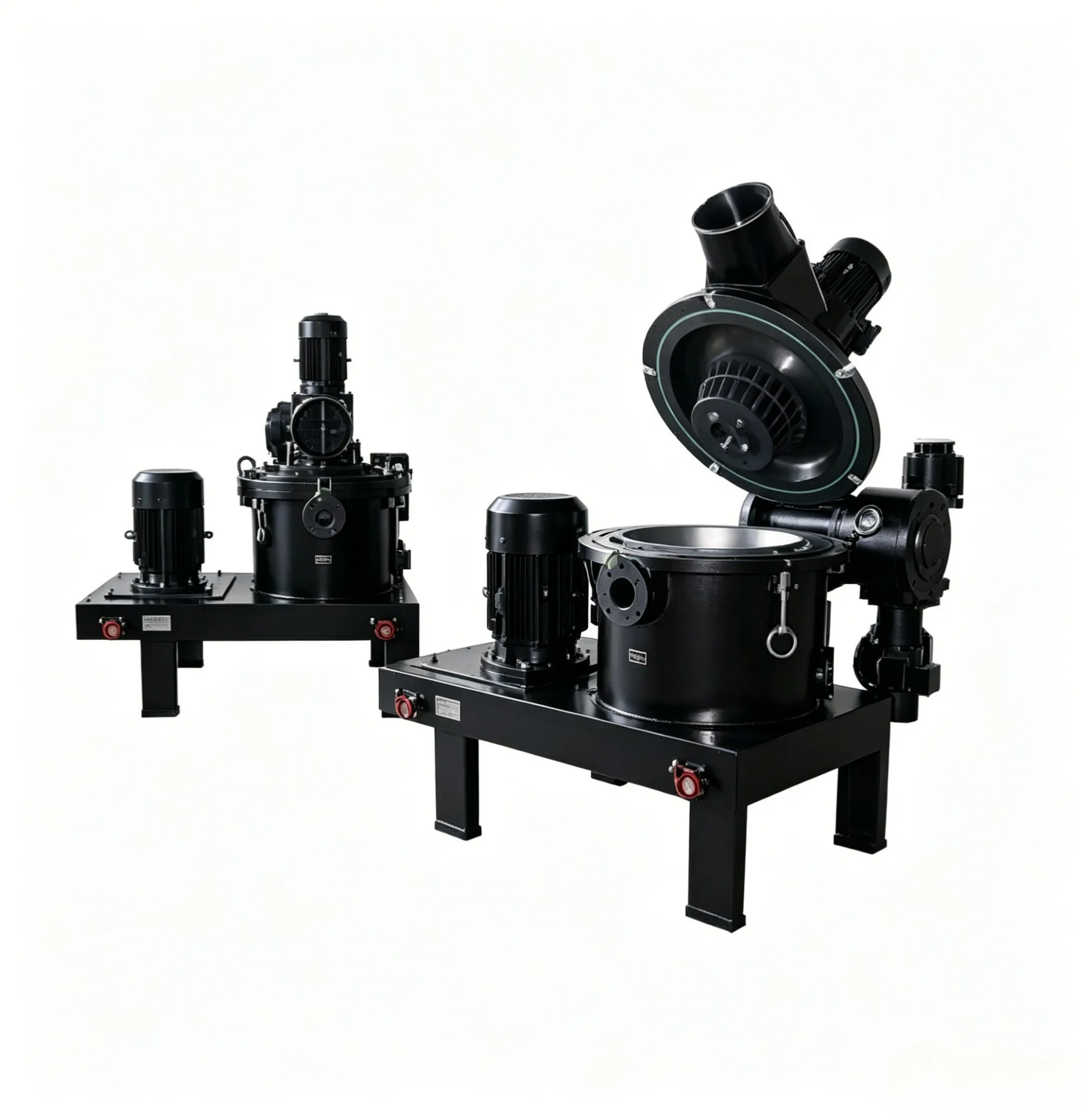
Macchina frantumatrice e modellatrice serie SZF
macchina frantumatrice e modellatrice La frantumatrice a urto e macchina modellatrice della serie SZF è composta da un alimentatore,…

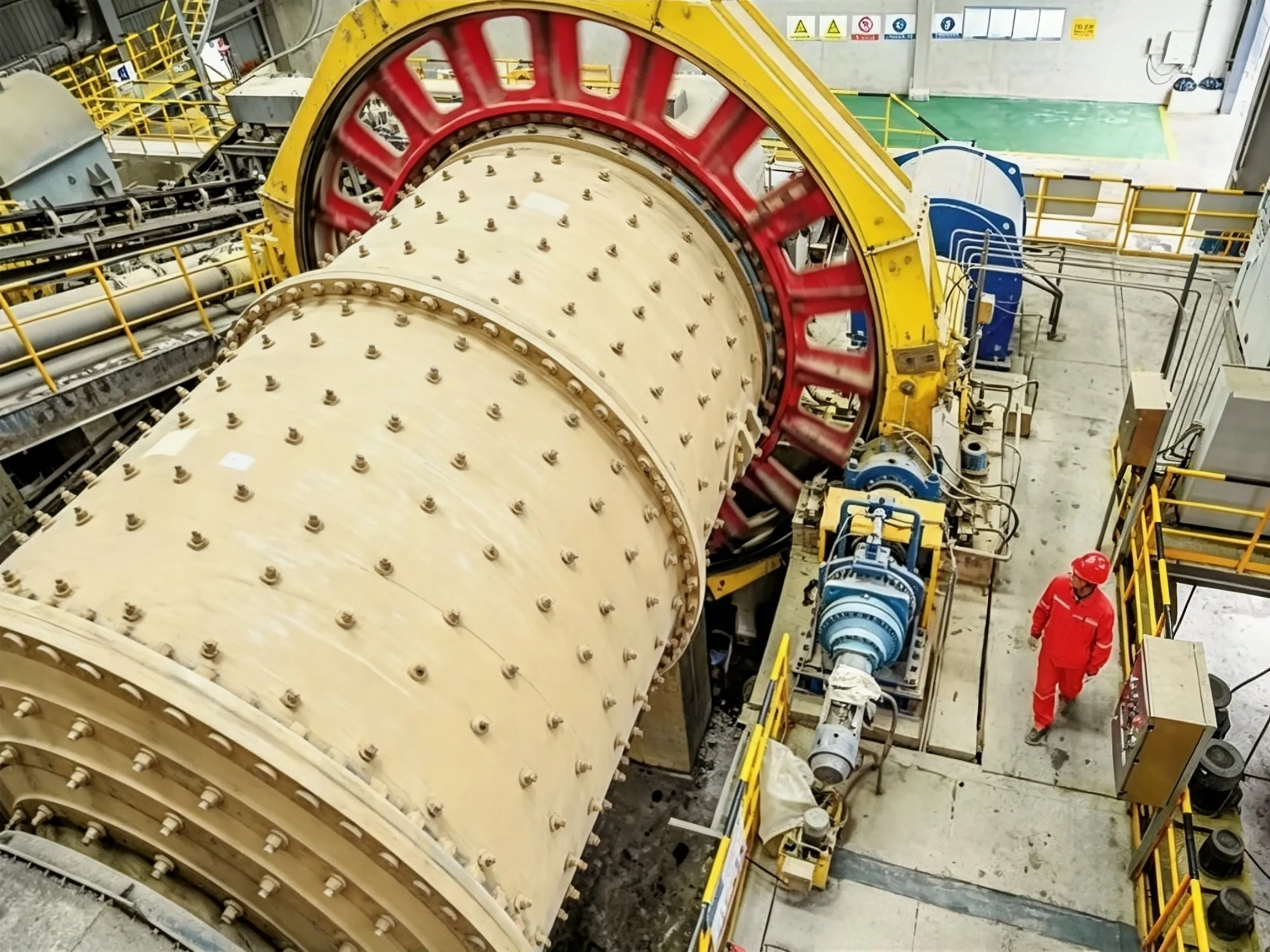
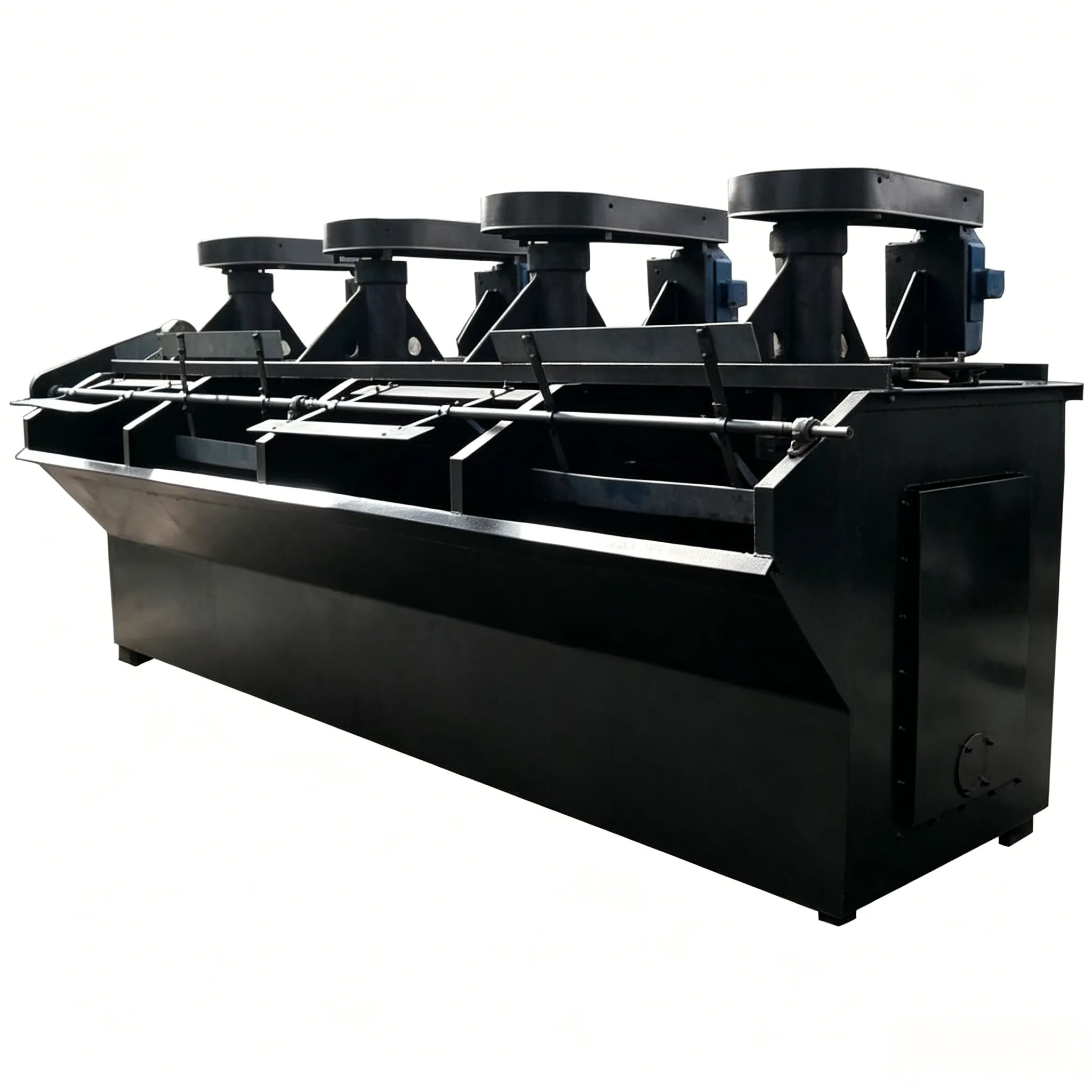
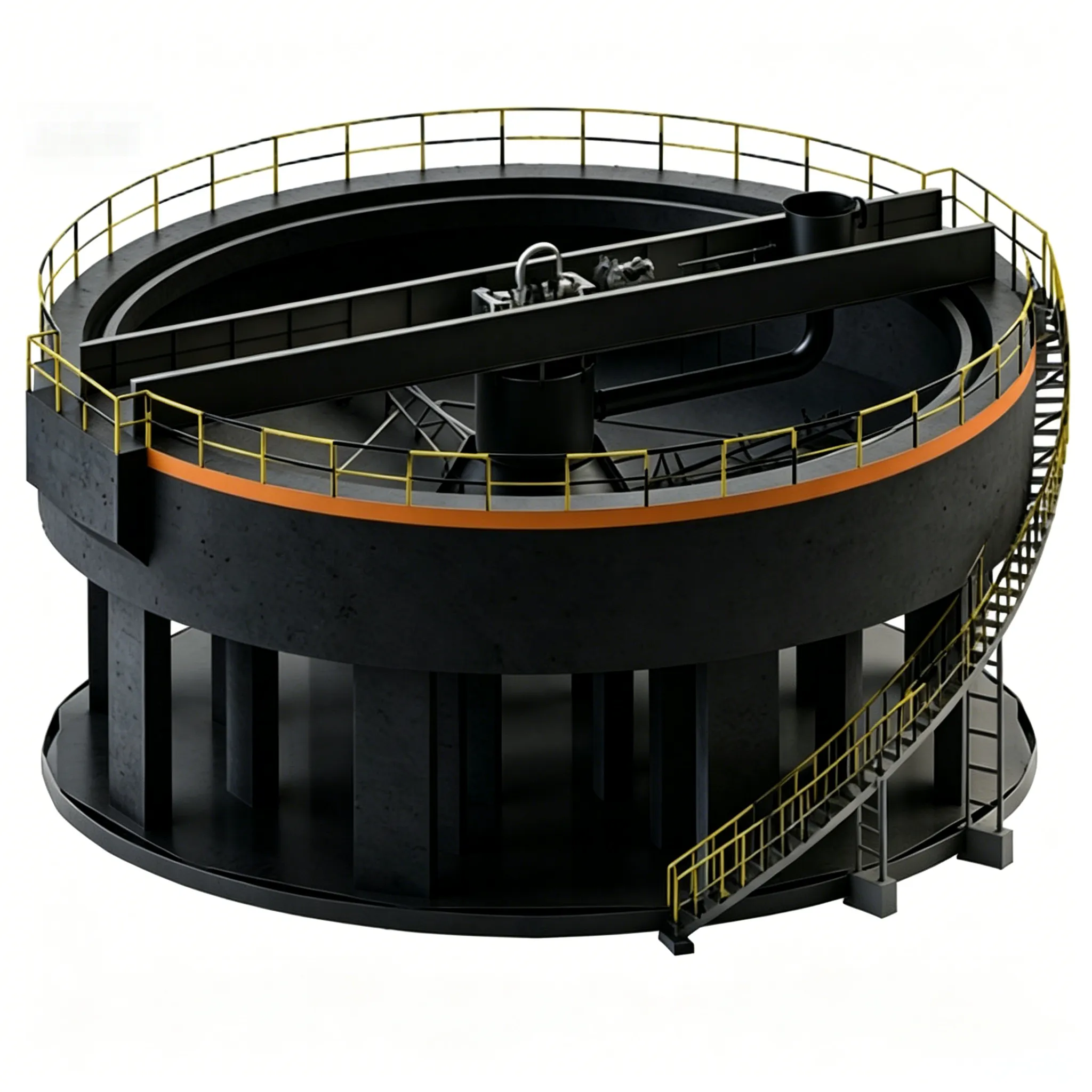
The present invention relates to a beneficiation method for non‑metallic clay minerals.
Bentonite beneficiation includes both dry and wet methods. Dry beneficiation is applicable to high‑grade bentonite ores with a montmorillonite content of more than 80%, and is also the main beneficiation method currently adopted by various countries. Its basic process flowsheet involves crushing and grinding the raw ore to a certain particle size, and then packaging for sale. Although the process is simple, it causes serious air pollution, cannot treat low‑grade bentonite ores, and the quality is difficult to stabilize, making it hard to obtain consistently qualified products.
Wet beneficiation is specifically used for processing and purifying low‑grade bentonite ores with a montmorillonite content of 30–80%. This new method has only been developed in various countries since the 1970s. The existing US Patent 3,865,240 for wet beneficiation employs a chemical treatment method using sodium hexametaphosphate solution. The process is relatively complex, has strict time requirements, is difficult to control, and uses large amounts of sodium hexametaphosphate, with low beneficiation efficiency for montmorillonite, high water consumption, low equipment production capacity, and high beneficiation costs.
Object of the present invention: To beneficiate low‑grade bentonite ores, removing mud, sand and other impurities from the ore, increasing the montmorillonite content, thereby expanding and broadening the application scope and fields of bentonite.
The technical solution of the bentonite wet beneficiation of the present invention adopts the following five steps:
① Crushing the raw ore to 1 or 2–3 mm, ② Pulping or grinding, ③ Hydrocyclone separation, ④ Flocculation, ⑤ Dewatering of the flocculated mass.
Because montmorillonite is relatively soft, has strong water absorption, and can disintegrate upon swelling in water, the raw bentonite ore is crushed to about 1 mm using a jaw crusher and a roll crusher, and then pulp is prepared by pulping. For some bentonite ores that do not disintegrate or disintegrate poorly in water, the ore can be crushed to 2–3 mm, and pulp is then prepared by grinding. The pulp concentration for both pulping and grinding is preferably 15–22%.
After dispersion in water, the bentonite pulp forms a suspension mainly consisting of montmorillonite particles. For individual montmorillonite particles, charged bentonite colloids are formed. Under electrostatic attraction, a layer of oppositely charged ions forms around the colloid particles, i.e., an electric double layer structure. This suspension has good stability, and even after several days, no clear water layer will settle out.
In view of the above reasons and the needs of industrial production, the wet beneficiation of bentonite is suitable for gravity separation methods. Therefore, the present invention adopts hydrocyclone separation of the pulp to remove mud, sand and impurities.
The technical feature of the wet beneficiation process of the present invention is that it simply adopts three reagents to treat the concentrate pulp, overcoming the difficulty of filtration and dewatering in bentonite beneficiation. First, industrial hydrochloric acid or other acids are used to adjust the pulp pH to the range of 3–6, with the aim of destroying the properties of the bentonite pulp without affecting the inherent characteristics of bentonite. Then, an industrial aluminum sulfate solution is added as a flocculation promoter, in an amount sufficient to reduce the pulp pH by a further 0.2–1, thereby saving flocculant and reducing the viscosity of the flocculated mass, making its structure loose and easier to dewater. Finally, a polyacrylamide solution is added as a flocculant to promote flocculation and sedimentation of the concentrate pulp, removing a portion of the water. The brain‑like flocculated mass, which still contains a large amount of water, is finally dewatered by a vacuum belt filter press to form a filter cake of about 5 mm thickness.
The present invention overcomes the difficulty of flocculation, filtration and dewatering, and completes a new industrial production process for bentonite wet beneficiation. The dewatering indices of the concentrate can reach: filter cake formation with a moisture content of 46–63.6%, averaging 55.73%; filtrate solids content of 0.071–0.027%, averaging 0.14%.
Compared with the wet process of US Patent 3,865,240, the present invention is superior, with a simple flowsheet, continuous process, larger production capacity, better separation indices, less stringent time requirements for easy operation, lower water consumption, lower reagent costs, good filter cake formation, lower moisture content, lower filtrate solids content, and lower beneficiation costs.
Preferred embodiment of the present invention:
Taking the wet beneficiation of the seventh layer ore from Lin’an bentonite in Zhejiang as an example: the raw ore is crushed to 1 mm by a jaw crusher, soaked for 16 hours, then pulped. The pulp is fed under a certain pressure to a 600 EX model hydrocyclone for separation, with the discharge nozzle size and overflow nozzle size fixed to achieve good separation of bentonite. After roughing and cleaning, a concentrate is obtained. The pulp pH is then adjusted to 4.5 with 20% industrial hydrochloric acid, and then a 20% industrial aluminum sulfate solution is added to bring the pulp pH to 4. Finally, a 0.1% polyacrylamide solution flocculant is added to promote flocculation and sedimentation of the concentrate and removal of the filtrate. The flocculated concentrate is then fed to a vacuum belt filter press, using a vacuum of 200 mmHg and a belt speed of 0.70 m/min for filtration and dewatering, producing a filter cake at production capacity.
 English English
 Spanish
 Russian
 Arabic
 Swahili
 French
 Turkish
 Portuguese
 Korean
 Japanese
 German
 Italian