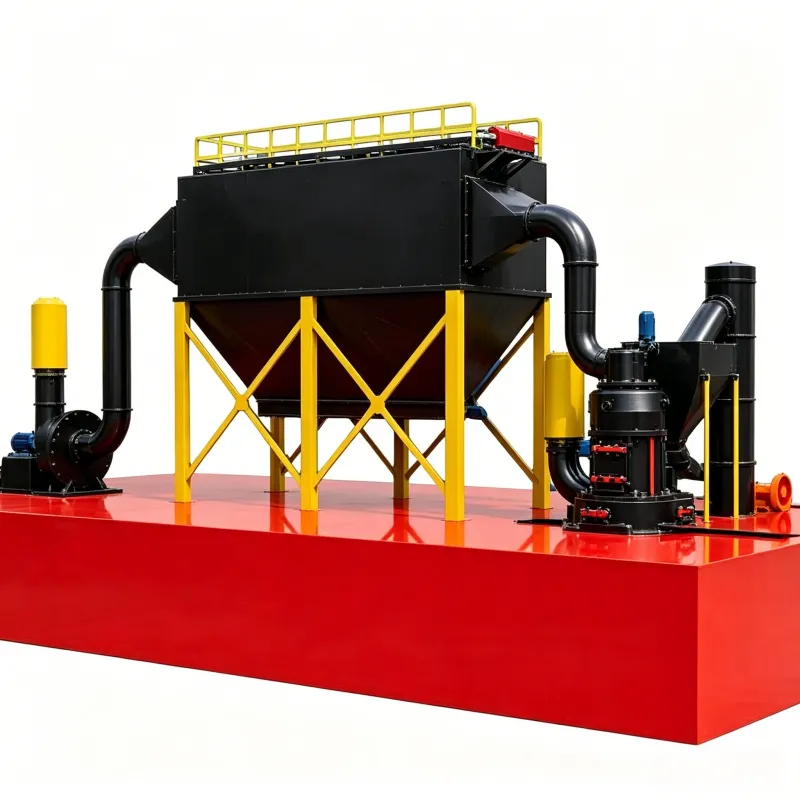
Mulino Raymond a circuito aperto
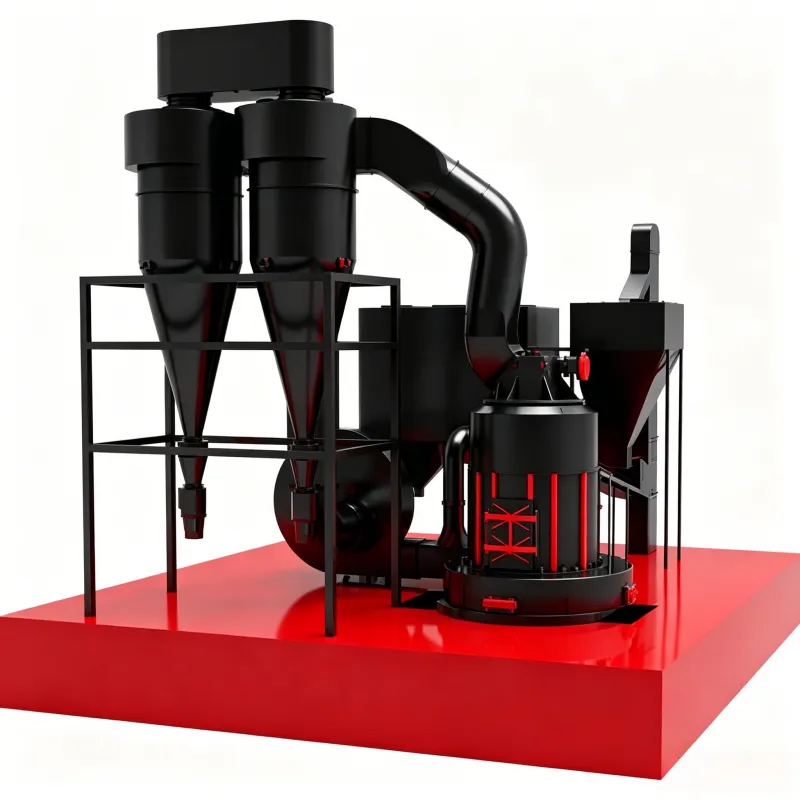
Introduzione al mulino Raymond a circuito aperto Il mulino Raymond a circuito aperto KX è un…

Glass fiber is a high‑performance inorganic non‑metallic material known for its light weight, high strength, corrosion resistance, and excellent insulation properties. It is widely used in construction, transportation, electronics, wind power, and other pillar industries of the national economy. However, during production, glass fiber inevitably generates a large amount of waste filament—this solid waste typically accounts for 10% to 15% of total output.
China is the world’s largest producer of glass fiber, generating more than 300,000 to 500,000 tons of waste glass fiber and product offcuts annually. In the past, most of this waste was buried in landfills, causing serious soil contamination and wasting vast amounts of land resources. With increasingly stringent environmental regulations, landfilling is no longer a viable option.
In fact, glass fiber waste filament is not “waste.” Its main chemical components include silicon dioxide (about 56%), aluminium oxide (about 12%), calcium oxide (about 18%), magnesium oxide (about 5%), and boron oxide (about 9%), offering high resource utilisation potential. Through scientific grinding, waste filament can be converted into high‑value powders widely used in glass production, ceramic glazes, composite reinforcement, and many other fields.
This article provides a comprehensive analysis of the process flow, core equipment selection, application scenarios, and market prospects for glass fiber waste filament grinding, offering systematic technical references for relevant enterprises and investors.
Glass fiber waste filament mainly originates from drawing, warping, weaving, and other production steps. Based on composition, it is divided into E‑glass waste (alkali metal oxide content ≤ 0.8%) and C‑glass waste (alkali metal oxide content 11.6%–12.4%). Although their subsequent utilisation paths differ, the basic grinding principles are the same.
Grinding glass fiber waste filament is not a simple task. The main difficulties include:
These characteristics mean that glass fiber waste filament grinding cannot simply adopt conventional mineral powder processing equipment; it requires targeted process solutions and specialised machinery.
Transforming hard glass fiber waste filament into reusable fine powder involves multiple steps: crushing, shredding, and grinding. Below are several mainstream grinding equipment options.
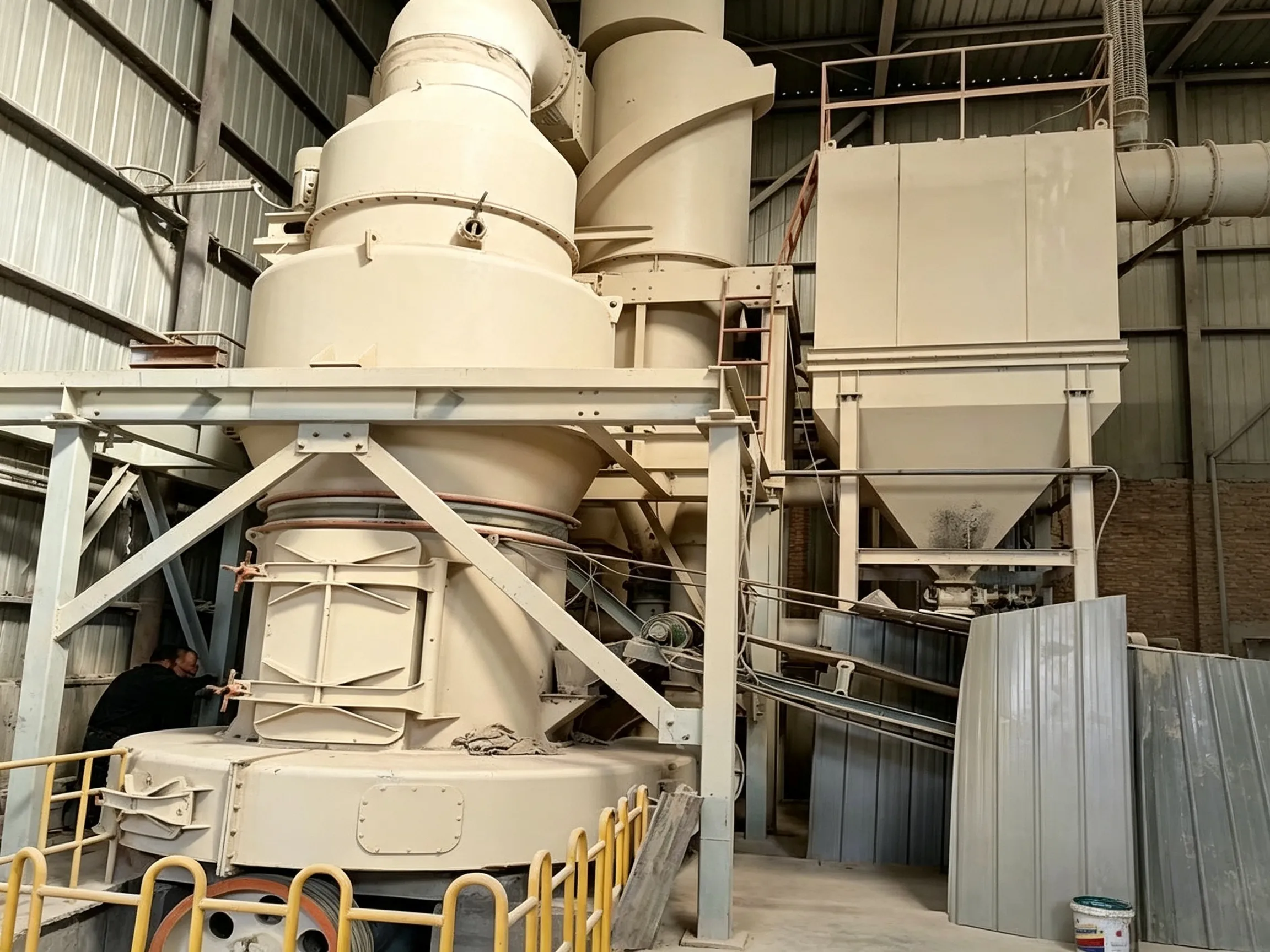
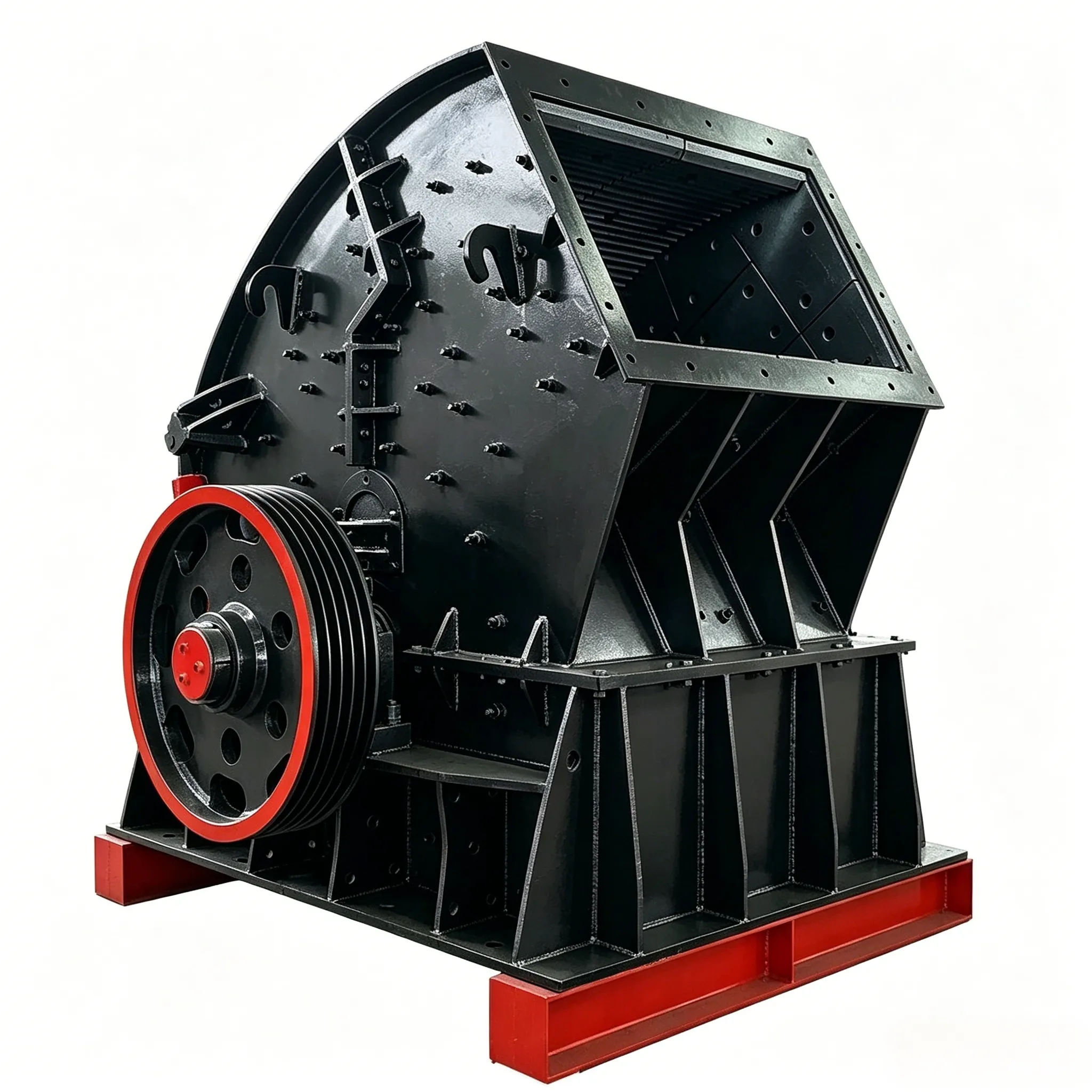
The Raymond mill is one of the most widely used devices for grinding glass fiber waste filament. Traditional small‑scale shredders suffer from outdated technology, high energy consumption, low capacity, and inability to meet fineness requirements. In contrast, upgraded Raymond mills specifically designed for the glass fiber industry effectively overcome these issues.
Take the HCQ1500 upgraded Raymond mill as an example. It accepts feed sizes up to ≤30 mm and offers adjustable finished fineness between 60 and 400 mesh. Its hourly output and specific power consumption far outperform traditional shredders. With a large feed opening and continuous operation capability, it has been successfully commissioned in domestic glass fiber plants. The mill uses roll‑compression grinding, features maintenance‑free rollers and optimised airflow ducts, achieving high grinding efficiency and more uniform particle size.
The vertical roller mill is one of the most efficient equipment for processing glass fiber waste filament. It integrates crushing, grinding, drying, and classification in a single unit, capable of directly grinding waste filament into fine powder of 22–180 μm. The system employs PLC automatic control, offering stable operation, low energy consumption, low noise, and excellent environmental performance.
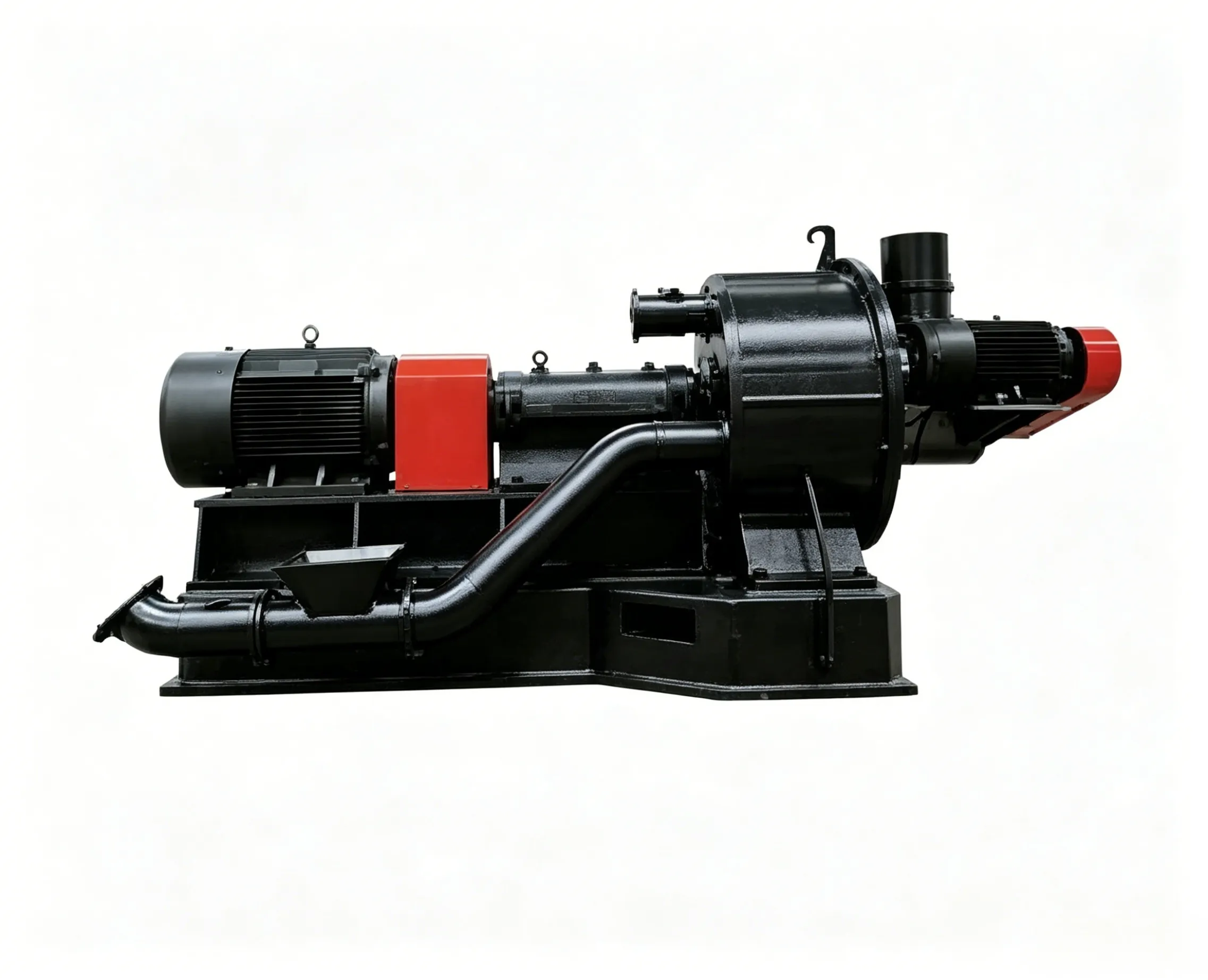
For enterprises requiring ultra‑fine powders (from 325 mesh to 1000 mesh and even higher), the HLMX ultra‑fine vertical mill is the ideal choice. This series ranges from HLMX800 to HLMX2400, covering capacities from 1.2 t/h to 40 t/h, and can produce glass fiber powders from 325 mesh to 2500 mesh.
As a pre‑treatment device, the shredder is responsible for initially breaking large waste filament into short fibres and powders of about 5 mm. It uses twin‑shaft shearing and hydraulic push‑feed technology, ensuring uniform shredding with minimal clogging. It also features automatic reverse protection for safe operation. The shredded material is more amenable to subsequent grinding, improving overall efficiency.
| Comparison Aspect | Upgraded Mulino Raymond | Vertical Roller Mill | Ultra‑Fine Vertical Mill (HLMX) |
|---|---|---|---|
| Product Fineness | 60–400 mesh | 22–180 μm | 325–2500 mesh |
| Integrated Functions | Grinding + classification | Crushing + grinding + drying + classification | Grinding + classification |
| Suitable Scale | Small to medium projects | Large‑scale continuous production | High‑end ultra‑fine powder demands |
| Capital Investment | Inferiore | Moderato | Più alto |
| Typical Model | HCQ1500 | Vertical roller mill | HLMX800–2400 |
Selection recommendations:
A full grinding production line typically includes the following key stages:
Manual sorting: During glass fiber production, debris such as broken paper tubes, wire hooks, screws, and nuts may be mixed into the waste filament and need to be removed manually.
Iron removal: Electromagnetic separators e metal detectors are used to remove ferrous impurities.
Washing: Water washing removes part of the sizing agents attached to the filament surface.
Long waste filament is first crushed into short fibres of 10–20 mm in a crusher. It is then further shredded to about 5 mm short fibres and powder by a shredder, preparing it for subsequent grinding.
The shredded waste is dried at 120–150°C for 1–3 hours to reduce moisture content to below 1%. Dried material is easier to grind and helps prevent equipment clogging.
For production lines equipped with a vertical roller mill, drying can be performed simultaneously with grinding, with hot air introduced from the mill bottom for on‑line drying.
For waste filament with high organic sizing content, an incineration process can be used to completely remove organic matter. After high‑temperature incineration, the organic sizing is fully eliminated, and the material is automatically discharged, cooled via a conveyor with a cooling device, and stored.
The dried (or incinerated) waste filament enters a Raymond mill or vertical roller mill for grinding. By adjusting the classifier rotor speed, the finished fineness can be precisely controlled. Depending on the mill type, glass fiber powders from 60 to 1000 mesh can be obtained.
Dust‑laden gas generated during grinding is purified by a pulse‑jet bag filter. The collected glass fiber powder is packaged by a packing machine according to required specifications.
After grinding, glass fiber waste filament is no longer “industrial garbage” but a true “urban mine.” Its main application areas include:
The waste powder can be returned to the furnace as raw material to replenish volatile components such as boron and fluorine, and then re‑drawn into fibre. Practice has shown that adding 8% of ground glass powder to each batch mix for remelting achieves high recovery efficiency without affecting production.
C‑glass waste filament has a composition almost identical to that of C‑glass wool and can be directly used to produce thermal insulation materials. E‑glass waste can also be efficiently converted through formulation adjustments.
With scientific proportioning, waste filament can serve as a major raw material for patterned glass production. In glass mosaic manufacturing, combined with colourants and mineral raw materials, it can create products with rich colours and textures.
Glass fiber waste is rich in silica, alumina, and boron oxide—especially about 7% B₂O₃—which are key components of high‑quality glazes. Using waste filament to replace expensive borax can significantly reduce production costs.
Adding glass fiber powder to plastics, rubber, and coatings significantly improves strength, wear resistance, and dimensional stability. Ground glass fiber waste powder can be widely used in various powder coating systems and as filler/reinforcement for thermoplastics and thermosetting plastics. In plastic modification, adding it to engineering plastics such as nylon, polypropylene, and ABS noticeably enhances mechanical strength, rigidity, and impact resistance.
In addition, glass fiber powder is also used in manufacturing automotive friction materials such as brake pads, making it an ideal substitute for asbestos. 1000‑mesh glass fiber powder can be used in TGIC epoxy coatings at an addition rate of 2%–10%; the higher the addition, the greater the coating strength.
Adding glass fiber powder to cement‑based materials and lightweight partition panels enhances crack resistance and durability, promoting the development of green building materials.
With technological advances, the application fields of glass fiber waste powder continue to expand. Through deep purification, glass fiber powder has been successfully used in high‑end areas such as semiconductor materials. Some research teams have innovatively proposed a technical solution for preparing new foam glass from glass fiber waste and flat glass waste, achieving 30% cost reduction and 33% energy savings in industrial production.
An enterprise in Anhui used off‑spec glass fiber waste filament to produce 10–50 μm powder, building a 5,000‑ton‑per‑year glass fiber powder production line. The total project investment was 60 million RMB, and it was successfully commissioned in July 2024.
Jushi Jiujiang Company has recently implemented a waste filament grinding production line, blending ground waste filament with glass mineral powder in appropriate proportions for recycling in large‑scale glass fiber furnace production. The project has achieved good economic, social, and environmental benefits.
A glass fiber production group in Zhejiang adopted an HCQ1500 new‑generation mill for their fibre powder production line, successfully achieving large‑scale grinding of glass fiber waste filament.
National policies supporting industrial solid waste resource utilisation have been intensifying. According to the Glass Fiber Industry Standard Conditions published by the Ministry of Industry and Information Technology in 2020, enterprises are encouraged to adopt advanced technologies and equipment such as waste filament recycling, and all waste filament generated during production must be recycled or further processed for harmless treatment; landfill disposal is prohibited.
In 2025, the Ministry of Ecology and Environment further included the manufacturing of glass fiber, glass fiber products, and comprehensive solid waste recycling under Environmental Impact Assessment Report Management. At the national level, efforts are accelerating to build a waste recycling system and increase the share of recycled materials in raw material supply.
With the deepening of the “dual carbon” goals and the spread of circular economy concepts, the resource utilisation of glass fiber waste filament is ushering in unprecedented opportunities. The demand for glass fiber powder as a high‑performance industrial filler and reinforcement material continues to grow in sectors such as plastic modification, coatings, friction materials, and building materials. Deep‑processing waste glass fiber into powders of various specifications for applications in rubber, plastics, electronics, coatings, inks, etc., will realise its functional and high‑value utilisation.
The grinding processing of glass fiber waste filament is a green pathway that transforms industrial solid waste into high‑value resources. Through scientific process design and appropriate equipment selection—whether the cost‑effective upgraded Raymond mill, the large‑scale vertical roller mill, or the high‑end HLMX ultra‑fine vertical mill—enterprises can turn troublesome “waste filament” into value‑creating “golden fibre.”
From remelting back to production to ceramic glazes, from composite reinforcement to new building materials, the application scenarios for glass fiber waste powder are increasingly diverse, and the market space continues to expand. Driven by policy support, technological progress, and market demand, the glass fiber waste filament grinding industry is entering a golden period of development. For glass fiber manufacturers, building a well‑designed waste filament grinding line is not only an inevitable choice for fulfilling environmental responsibilities but also a strategic move to reduce costs, improve efficiency, and open new growth avenues.
 English English
 Spanish
 Russian
 Arabic
 Swahili
 French
 Turkish
 Portuguese
 Korean
 Japanese
 German
 Italian