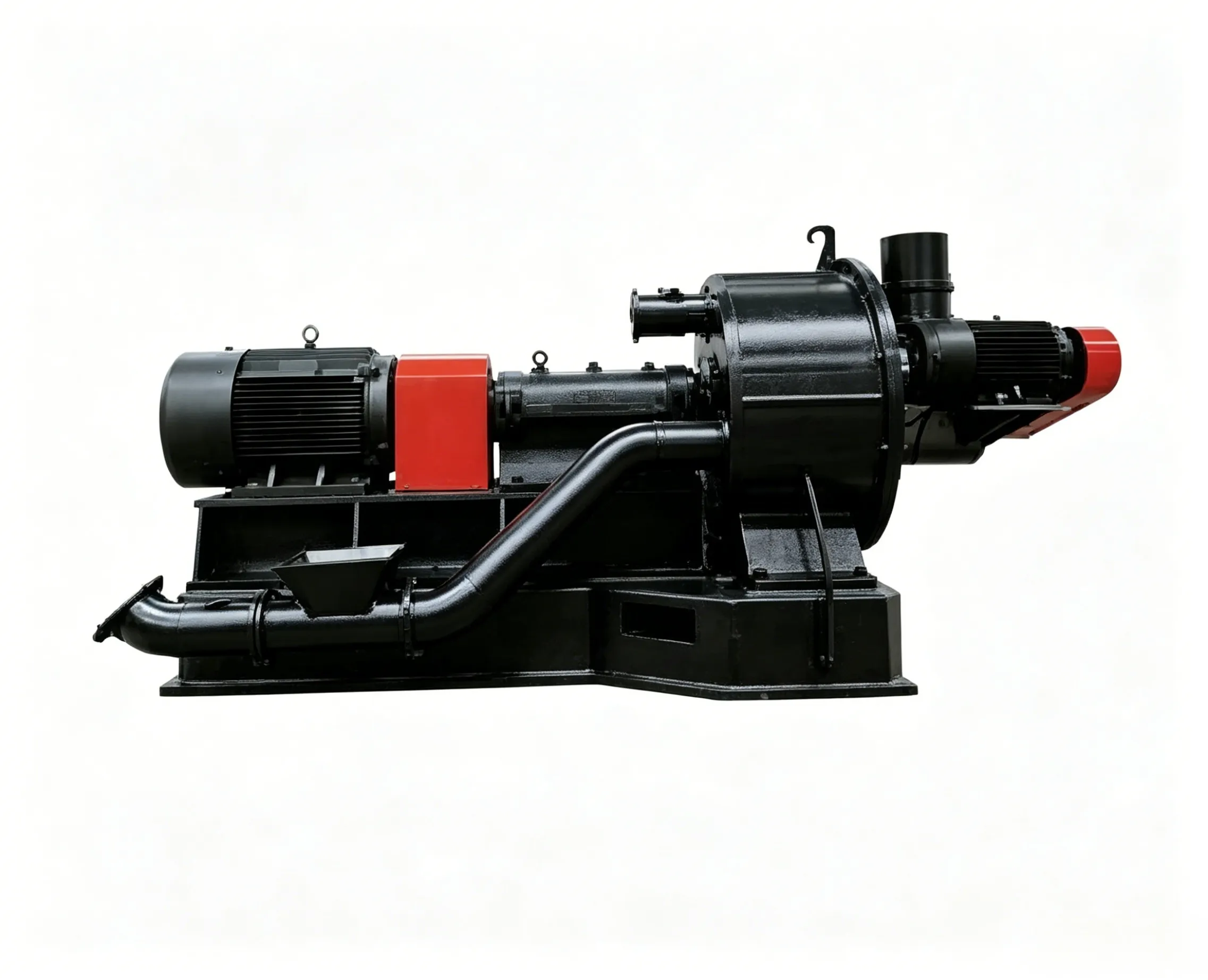
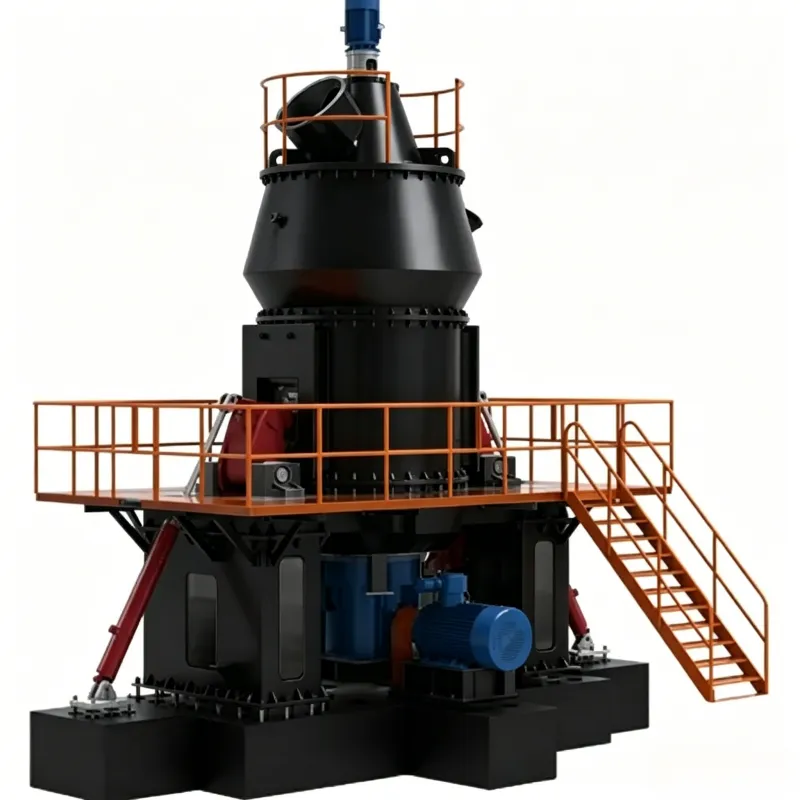
Mulino a impatto ultra-micro serie SCR
Mulino a urto ultra-micro serie SCR Il mulino a urto serie SCR è un mulino per la frantumazione ultrafine…


In the grinding-classification system, the feed rate, the circulating load (return sand), and the grinding density are interrelated.
A change in one parameter often affects the other two.
1. What changes occur when the feed rate increases?
As the amount of new ore entering the mill increases, the mill load increases accordingly.
If the water addition is not adjusted simultaneously, it may lead to:
Increased feed rate → Increased pulp density → Changes in the grinding state.
Excessive throughput may also increase the classification load.
2. Why is the circulating load important?
After cyclone classification, the coarse particles are returned to the mill for further grinding; this portion is the circulating load (return sand).
An increase in the circulating load means:
The internal circulating load of the mill increases.
If the circulating load is too large, it may cause the mill load to rise, affecting processing capacity and grinding performance.
3. What does grinding density affect?
The pulp density affects the interaction between the ore and the grinding balls, as well as the grinding and classification performance.
After the density changes, it may further affect:
Grinding efficiency → Classification performance → Circulating load → Mill load.
Therefore, the three actually form a cyclic relationship.
4. How should automation control view this?
One cannot focus on just a single parameter.
Comprehensive attention should be paid to:
Feed rate + Water addition rate + Pulp density + Cyclone pressure + Circulating load.
Through continuous collection and adjustment by the PLC/DCS, the grinding-classification system is kept as stable as possible.
The feed rate determines how much ore enters the system, the circulating load reflects the circulating load, and the grinding density affects the grinding and classification state.
The three need to be viewed in combination to truly understand the operating state of the grinding-classification system.
 English English
 Spanish
 Russian
 Arabic
 Swahili
 French
 Turkish
 Portuguese
 Korean
 Japanese
 German
 Italian