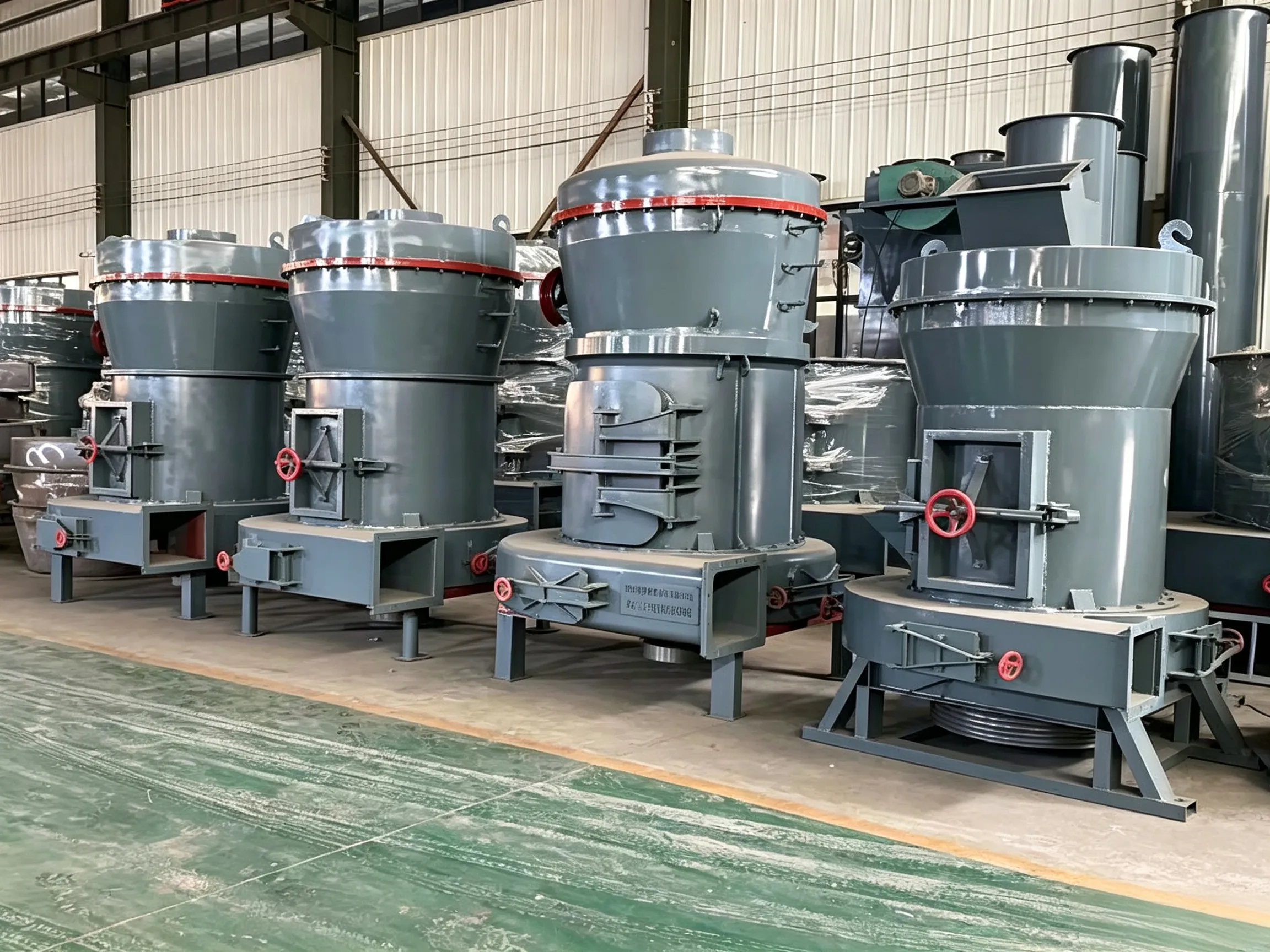
Upgrading an old Mulino Raymond can significantly boost its performance, capacity, and efficiency while reducing operational costs. These upgrades generally fall into three main categories: mechanical and structural improvements, operational optimizations, e system-wide enhancements.
🔧 Mechanical & Structural Upgrades
These upgrades focus on the core physical components of the mill.
- Upgrade the Drive System: Traditional mills use belts and pulleys, which slip and lose power. Replacing them with a modern integral bevel gear drive (like on MTW European mills) offers a more compact, quieter, and highly efficient direct-drive system. Retrofitting a variable-speed motor can also reduce energy consumption by up to 20%.
- Modernize the Grinding Zone: Upgrading to high-chromium cast iron for rollers and rings significantly extends their lifespan. Some modern mills feature a trapezoidal working surface that maintains a constant contact area as parts wear, ensuring consistent capacity. You can also add a high-pressure spring system to increase grinding force by 30–50%, allowing the mill to handle harder materials and produce finer powder.
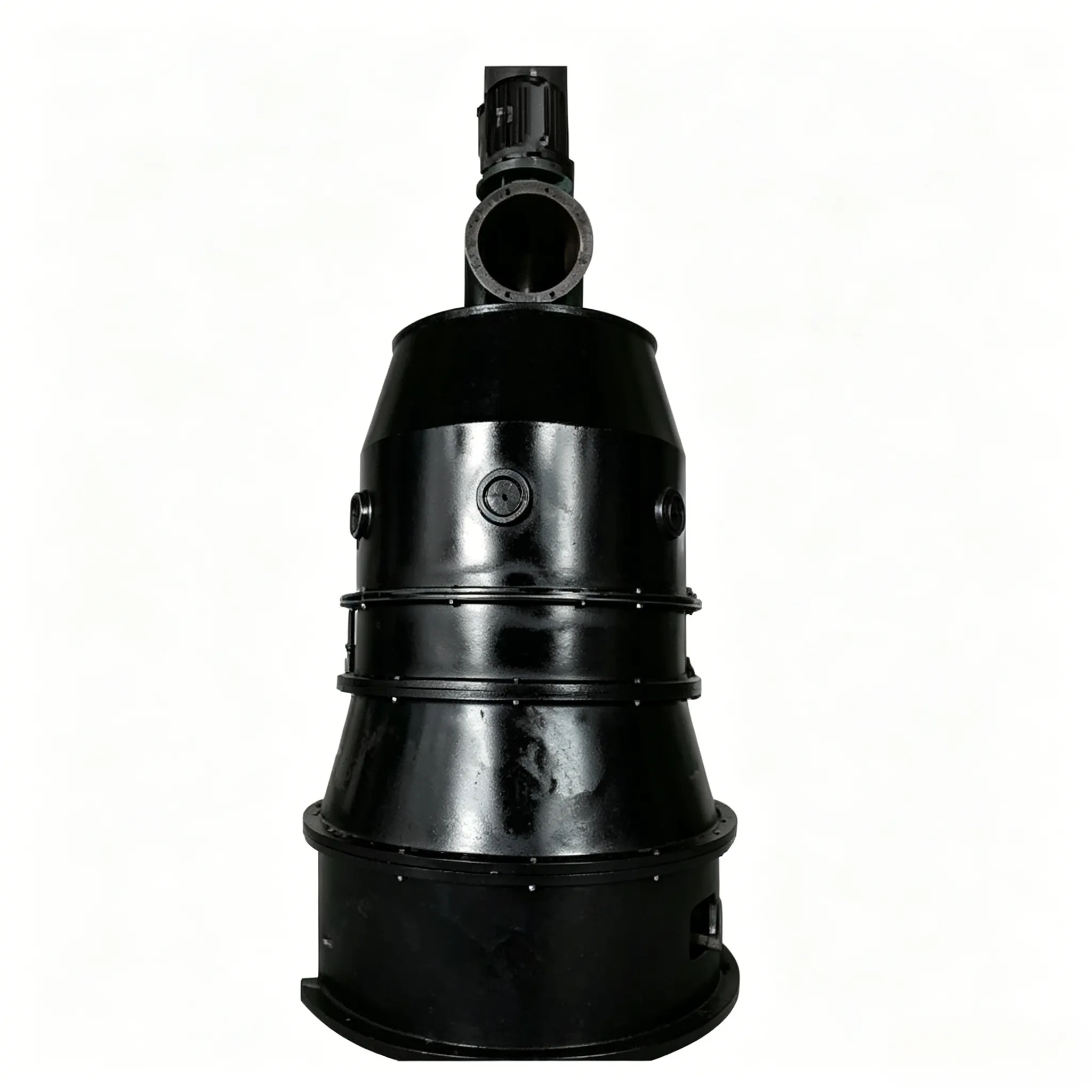
- Enhance the Classifier: Upgrading to a high-density, high-precision impeller classifier can increase the yield of finished products by more than 50% with the same power, offering much better control over the final particle size.
- Improve the Airflow System: Replacing sharp, 90-degree air ducts with curved, streamlined channels reduces air resistance and lowers fan power consumption. Upgrading to a more efficient centrifugal induced draft fan further improves system performance.
- Convert Bushings to Bearings: Replacing old bushings on horizontal and vertical shafts with anti-friction roller bearings reduces power consumption, decreases vibration and wear, and improves overall mechanical reliability.
- Adopt Internal Thin-Oil Lubrication: This system constantly bathes the main shaft and bevel gears in clean oil, eliminating the need for manual greasing, extending bearing life, and reducing maintenance.
⚙️ Operational Optimizations
These are adjustments and best practices that don’t require major hardware changes.
- Adjust Main Engine Speed: Optimizing the main engine speed directly increases the grinding force and production rate. Check for loose or worn drive belts and adjust or replace them to prevent speed loss.
- Fine-Tune Air Pressure and Volume: Proper airflow is critical. If the airflow is too strong, coarse particles can be carried into the final product; if too weak, material can block the main machine. The optimal setting depends on the density of the material being ground.
- Optimize the Shovel Blade: The blade’s role is to feed material between the roller and ring. A worn blade can’t shovel material efficiently, reducing grinding. Ensure it is in good condition and made of wear-resistant material.
- Ensure Proper Lubrication: Check transmission parts like gears regularly and keep them well-lubricated to maintain smooth operation and prevent speed loss.
- Keep the Pipeline Clear and Sealed: A blocked air duct prevents powder from being transported out. Regular cleaning is essential. Poor seals cause dust and pressure imbalances, so all connections must be properly sealed.
🌐 System-Wide Enhancements
These upgrades involve integrating new technologies or control systems.
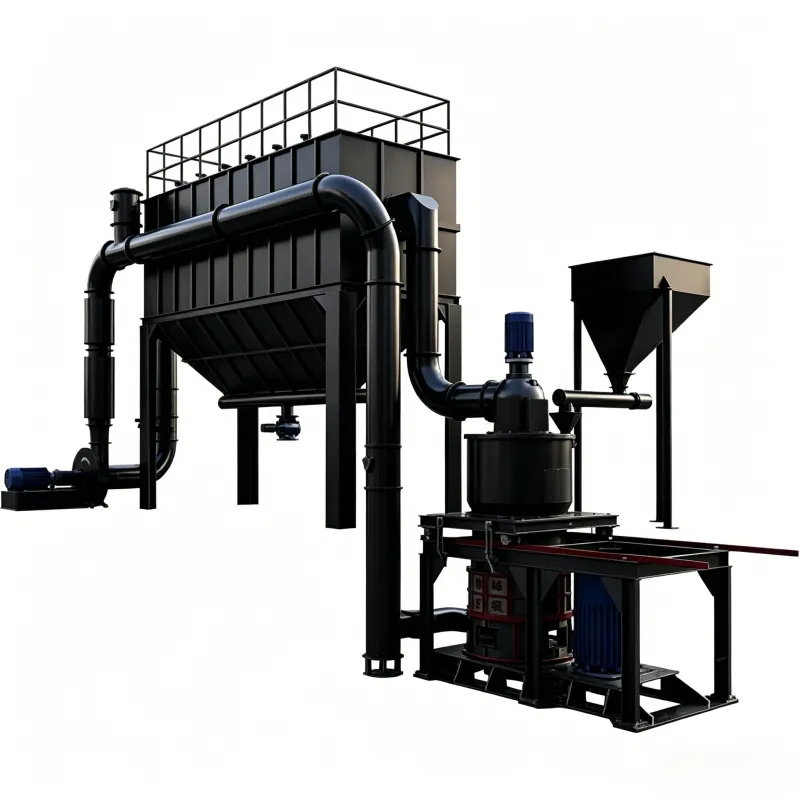
- Consider a Complete Mill Replacement: For a fundamental performance leap, replacing an old mill with a modern European-style mill (like the MTW or MTM series) can be the most effective strategy. These mills offer higher precision (down to 38 µm), 20–30% energy savings, integrated drying and classifying, and a more compact design.
- Implement Control System Upgrades: Upgrading to a PLC-based automation system allows for remote monitoring, easier integration into production lines, and more efficient operations management. OEMs also offer specific upgrade packages for control systems.
- Add a Hot Air Generator: If you process materials with high moisture content, adding a hot air generator to the mill circuit allows for simultaneous drying and grinding in a single step.
💎 Summary: A Phased Approach to Upgrading
Here’s a general roadmap for your upgrade project:
- Assess & Define: Start by evaluating your current mill’s performance (capacity, fineness, energy use, downtime) and define your technical requirements.
- Prioritize Upgrades: Based on your budget and goals, choose the most impactful upgrades. High-wear parts and airflow adjustments are often good starting points.
- Consider a Full Upgrade: For maximum long-term benefits, replacing the entire mill with a modern European-style model is a strategic investment.
- Partner with Experts: Work with a reputable manufacturer or supplier who can provide OEM or high-quality replacement parts, guide your upgrade, and offer ongoing support.


 English
 Spanish
 Russian
 Arabic
 Swahili
 French
 Turkish
 Portuguese
 Korean
 Japanese
 German
 Italian