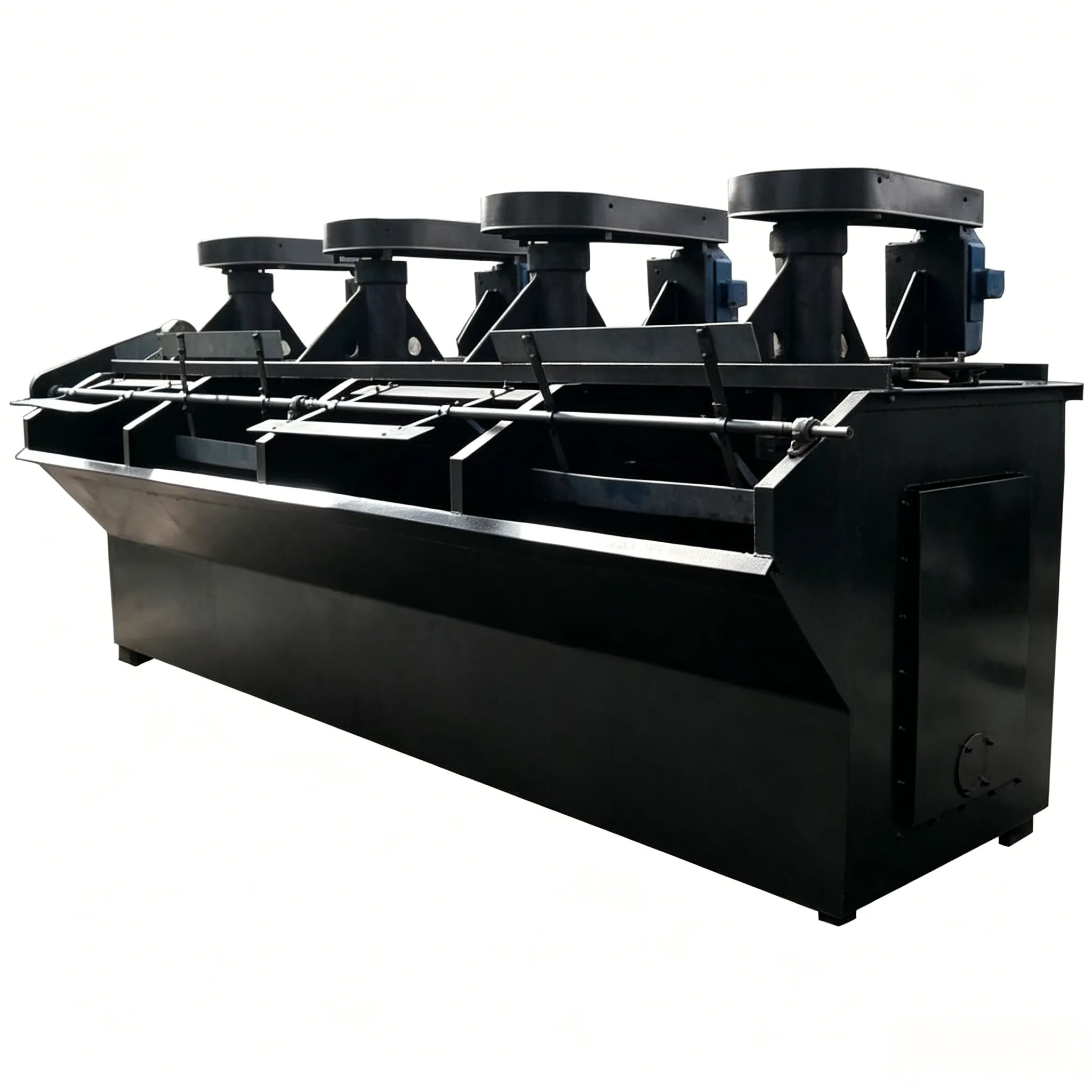
Macchina di flottazione XJ
Macchina di flottazione XJ (nota anche come Tipo A o XJK) Questa macchina…


Wollastonite is a naturally occurring chain silicate mineral with a unique acicular (needle‑like) or fibrous crystal morphology, combined with excellent properties such as high whiteness, low oil absorption, good electrical insulation, and heat resistance. As an important industrial mineral raw material, wollastonite is widely used in ceramics, coatings, plastics, rubber, metallurgical casting fluxes, and building materials. With downstream industries demanding increasingly refined and functional materials, particle size control of wollastonite powder has become a critical factor affecting its application performance. Among various grades, 325‑mesh (approx. 45 μm) wollastonite powder has become an ideal choice for many industrial applications due to its moderate particle size, reasonable specific surface area, and good dispersibility. This article provides a comprehensive analysis of the processing technology, core equipment selection, and quality control for 325‑mesh wollastonite powder.
325‑mesh wollastonite powder has a wide range of applications:
Typical requirements for 325‑mesh wollastonite powder in the paint and coating industry are:
| Parametro | Requisito |
|---|---|
| SiO₂ content | ≥49% |
| CaO content | ≥42%–45% |
| Fe₂O₃ content | ≤0.2% |
| 325‑mesh residue | ≤0.15% |
| Whiteness | ≥90% |
| Oil absorption | 20–25 g/100 g |
| Water‑soluble matter | ≤0.5% |
| pH of water extract | 7–9 |
From raw wollastonite ore to 325‑mesh finished powder, the typical process involves the following main stages:
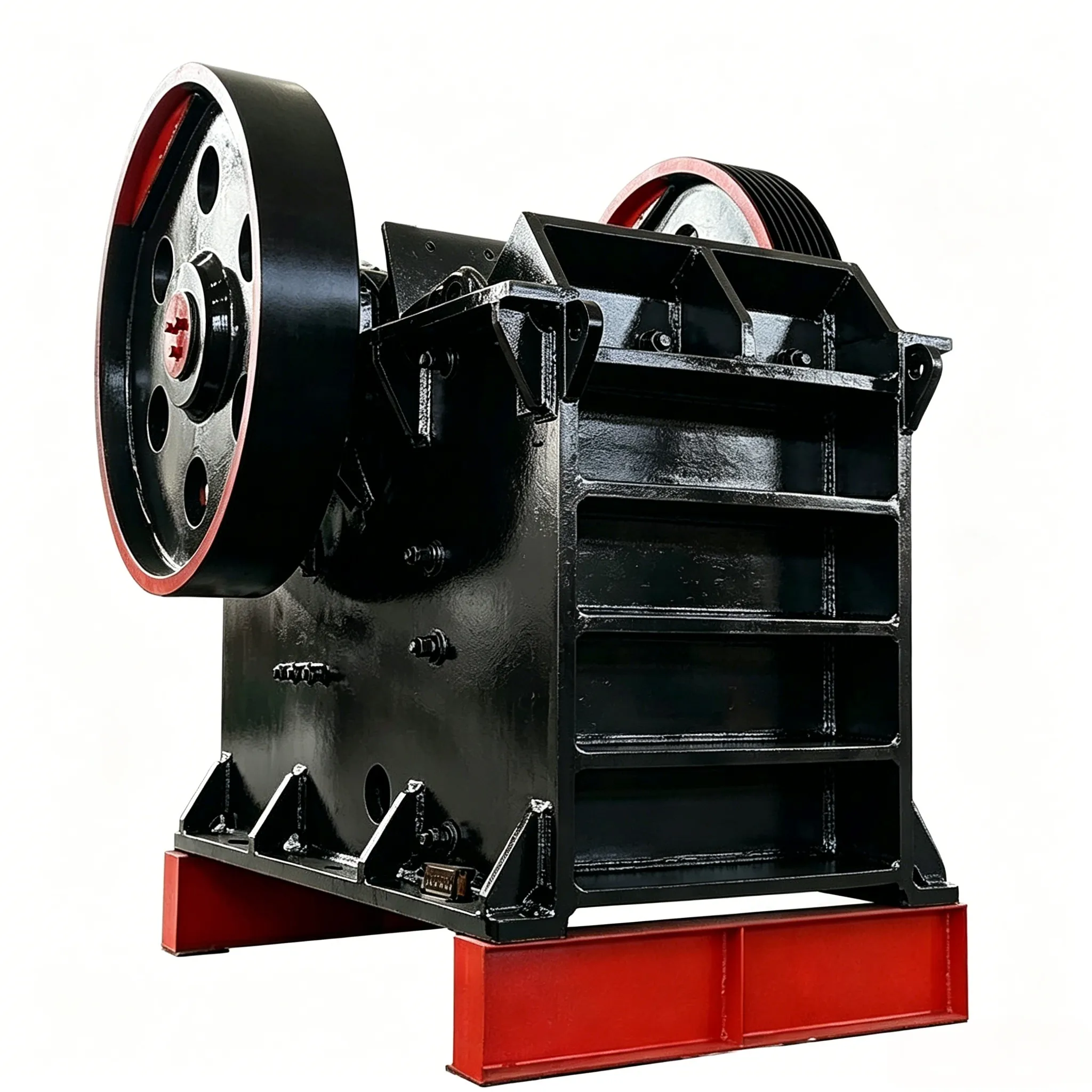
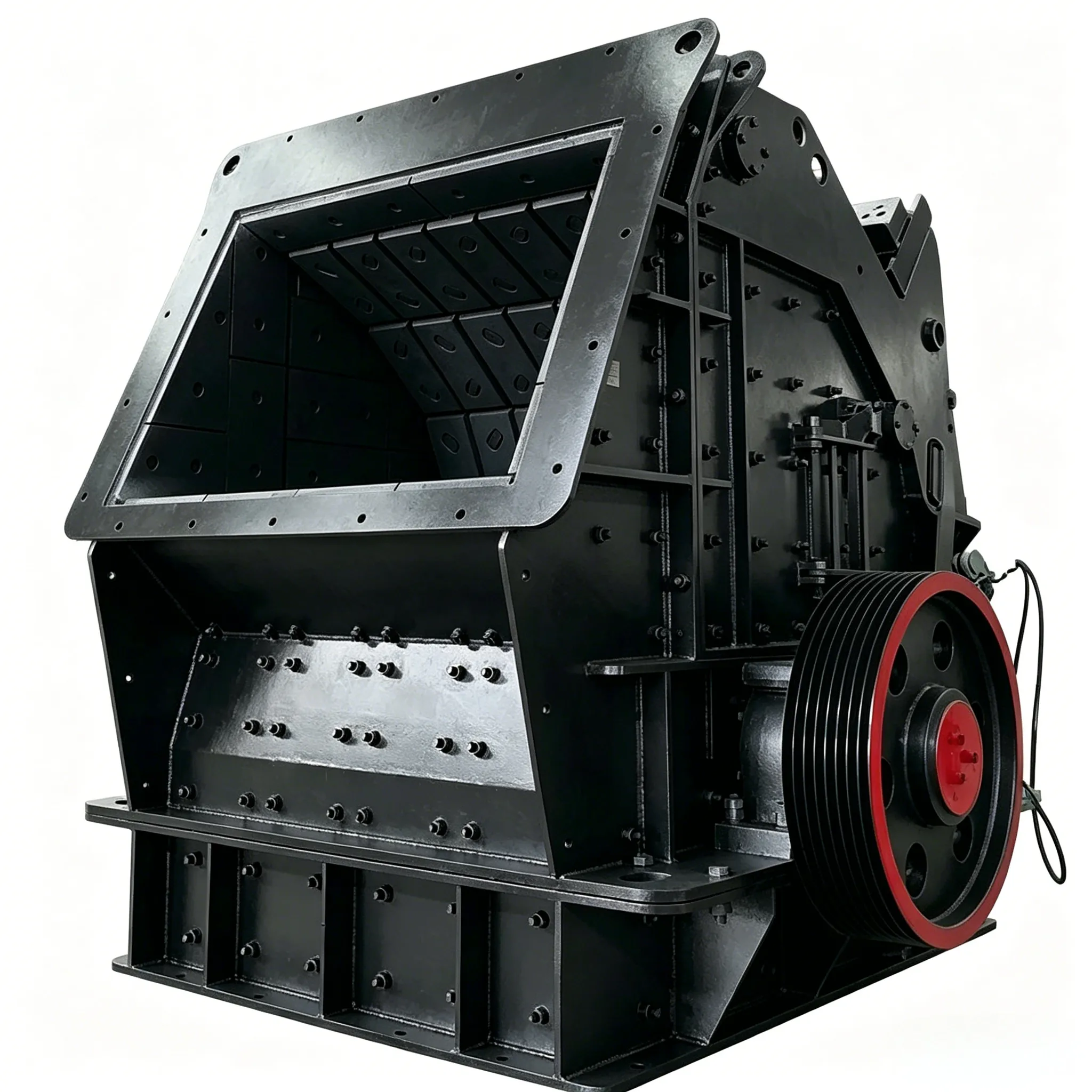
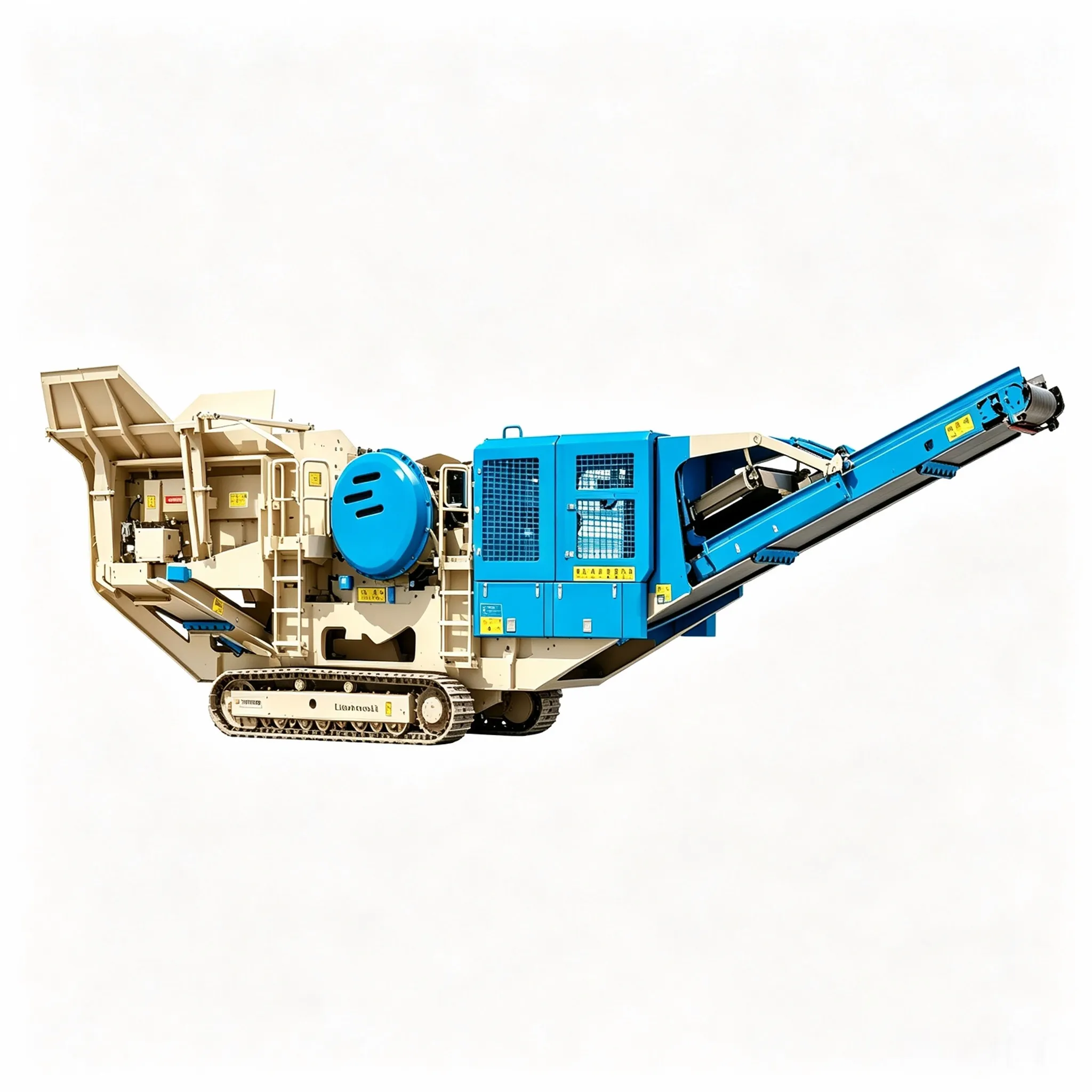
After hand‑sorting to remove impurities, large wollastonite ore blocks are coarsely crushed in a frantoio a mascelle, then medium‑crushed in a frantoio a cono oppure frantoio a urto. The material is crushed to a size suitable for the grinding mill feed (typically <30 mm). During the crushing stage, care must be taken to protect the acicular crystal structure. Using a long‑chamber jaw crusher ensures that the crushing forces are mainly compressive and frictional, avoiding over‑crushing and effectively preserving the acicular morphology of the coarse wollastonite particles.
The crushed material is conveyed by a bucket elevator to a storage hopper and then uniformly fed by a feeder into the grinding mill. For producing 325‑mesh ordinary wollastonite powder, Raymond mills, ball mills, or vertical roller mills are commonly used as dry‑grinding equipment. During grinding, the material is crushed under compression and attrition between the grinding rollers and the ring (or table).
The ground material is carried by the air stream into the classification system. By adjusting the classifier speed, air volume, and grinding pressure, the final product fineness can be precisely controlled. Qualified fine powder is collected by cyclone collectors or bag filters and sent to finished product silos; coarse particles are returned to the mill for regrinding, forming a closed‑circuit loop.
The collected 325‑mesh wollastonite powder, after passing quality inspection, is packaged and stored.
For producing 325‑mesh wollastonite powder, equipment selection directly affects production efficiency, product quality, energy consumption, and long‑term operating costs. The three main types of equipment currently available are:
Raymond mills are widely regarded as one of the ideal equipment options for processing 325‑mesh wollastonite powder. They operate on the principle of combining compression and attrition: grinding rollers rotate under centrifugal force against the grinding ring, applying pressure and shear to the material, while an air‑classifying system enables integrated continuous grinding and classification.
Core advantages:
Suitable scenarios: Small‑to‑medium production lines or enterprises with strict cost‑control requirements. Large GK‑series Raymond mills can achieve capacities of up to 55 t/h.
Vertical roller mills (including ultrafine VRMs) integrate crushing, grinding, classification, drying, and conveying in a single unit, and have been increasingly applied in the wollastonite processing field in recent years.
Core advantages:
Suitable scenarios: Large‑scale production, especially for lines with outputs above 10 t/h.
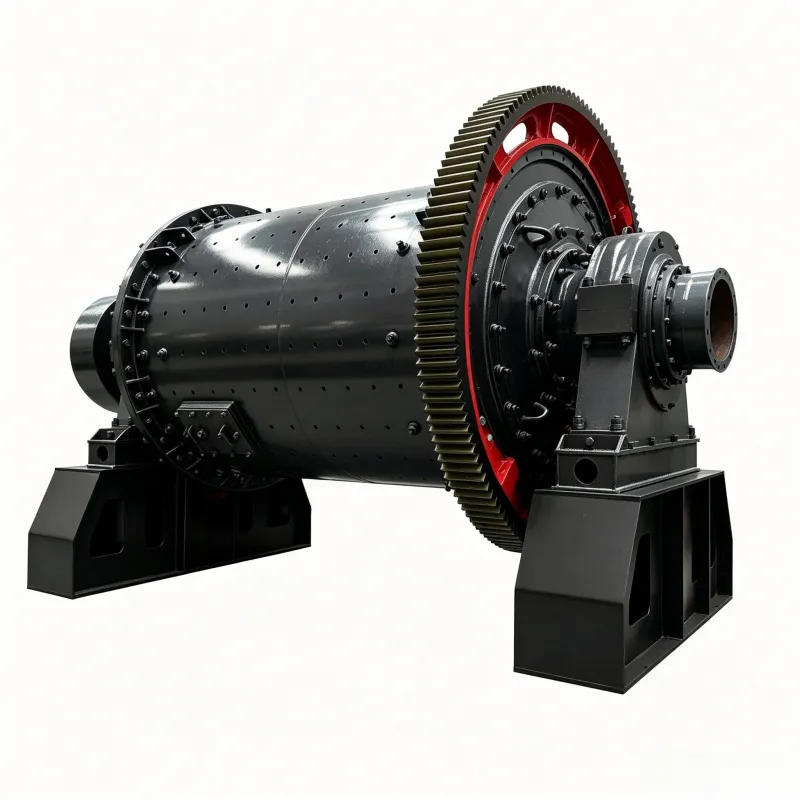
Ball mills are one of the traditional grinding equipment options and can also be used to produce 325‑mesh wollastonite powder. They offer the advantages of mature technology and strong adaptability, but they lag behind Raymond mills and VRMs in terms of energy consumption, space requirements, and noise control.
| Comparison Aspect | Mulino Raymond | Vertical Roller Mill | Mulino a sfere |
|---|---|---|---|
| Suitable scale | Small to medium | Large | Small to medium |
| Fineness range | 80–400 mesh | 325–2500 mesh | Wide |
| Specific energy consumption | Moderato | Low | High |
| Investment cost | Moderato | High | Low |
| Floor space | Moderato | Small | Large |
| Operational stability | Good | Eccellente | Good |
For the 325‑mesh moderate fineness requirement, although ultrafine VRMs, ball mills, or jet mills can also achieve this fineness, they are not the optimal choice due to high investment costs, high energy consumption, or complex processes. Raymond mills show clear advantages in cost‑performance, operational stability, and adaptability, especially for medium‑scale production lines. If the line is large‑scale (over 10 t/h) or if there are future plans to expand to finer particle sizes, the vertical roller mill is a more forward‑looking choice.
The 325‑mesh (approx. 45 μm) requirement demands precise control over the grinding and classification process. By adjusting the classifier speed and air volume, the product particle size distribution is kept concentrated, avoiding “over‑grinding” or “under‑grinding.” The 325‑mesh residue is generally required to be ≤0.15%.
The acicular crystal structure of wollastonite is the key to its reinforcing and strengthening functions. During the comminution process, care must be taken to preserve this morphology. Appropriate grinding equipment and process parameters should be used to avoid excessive grinding that would destroy the crystal shape.
The whiteness of 325‑mesh wollastonite powder is generally required to be ≥90%. At the same time, impurities such as Fe₂O₃ must be strictly controlled (≤0.2%) to ensure performance in downstream applications.
With downstream industries demanding ever‑higher material performance, wollastonite powder processing is exhibiting the following trends:
Processing 325‑mesh wollastonite powder is a systematic project that integrates crushing, grinding, classification, and collection. From raw ore to finished product, equipment selection is the key factor determining the success of the production line. Raymond mills, with their mature technology, precise fineness control, and good cost‑performance, are the first choice for most medium‑scale projects; vertical roller mills, with their high capacity, low energy consumption, and flexible fineness adjustment, offer distinct advantages for large‑scale production. When selecting equipment, companies should comprehensively consider production scale, investment budget, product positioning, and future development plans to choose the process route that best fits their needs.
 English English
 Spanish
 Russian
 Arabic
 Swahili
 French
 Turkish
 Portuguese
 Korean
 Japanese
 German
 Italian