Costi di manutenzione tipici delle attrezzature del mulino Raymond
Costi di manutenzione tipici delle attrezzature del mulino Raymond
Luglio 9th, 2026
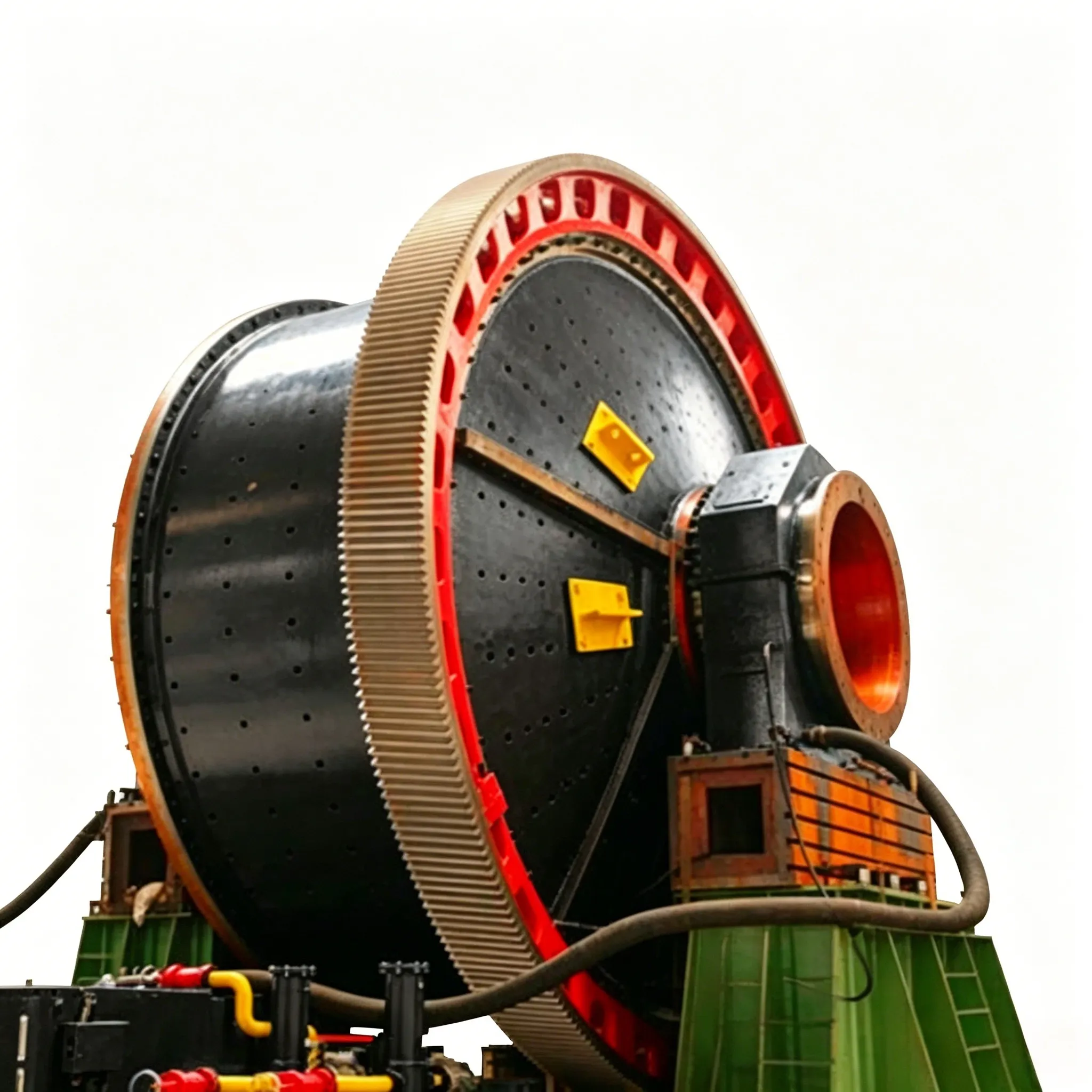
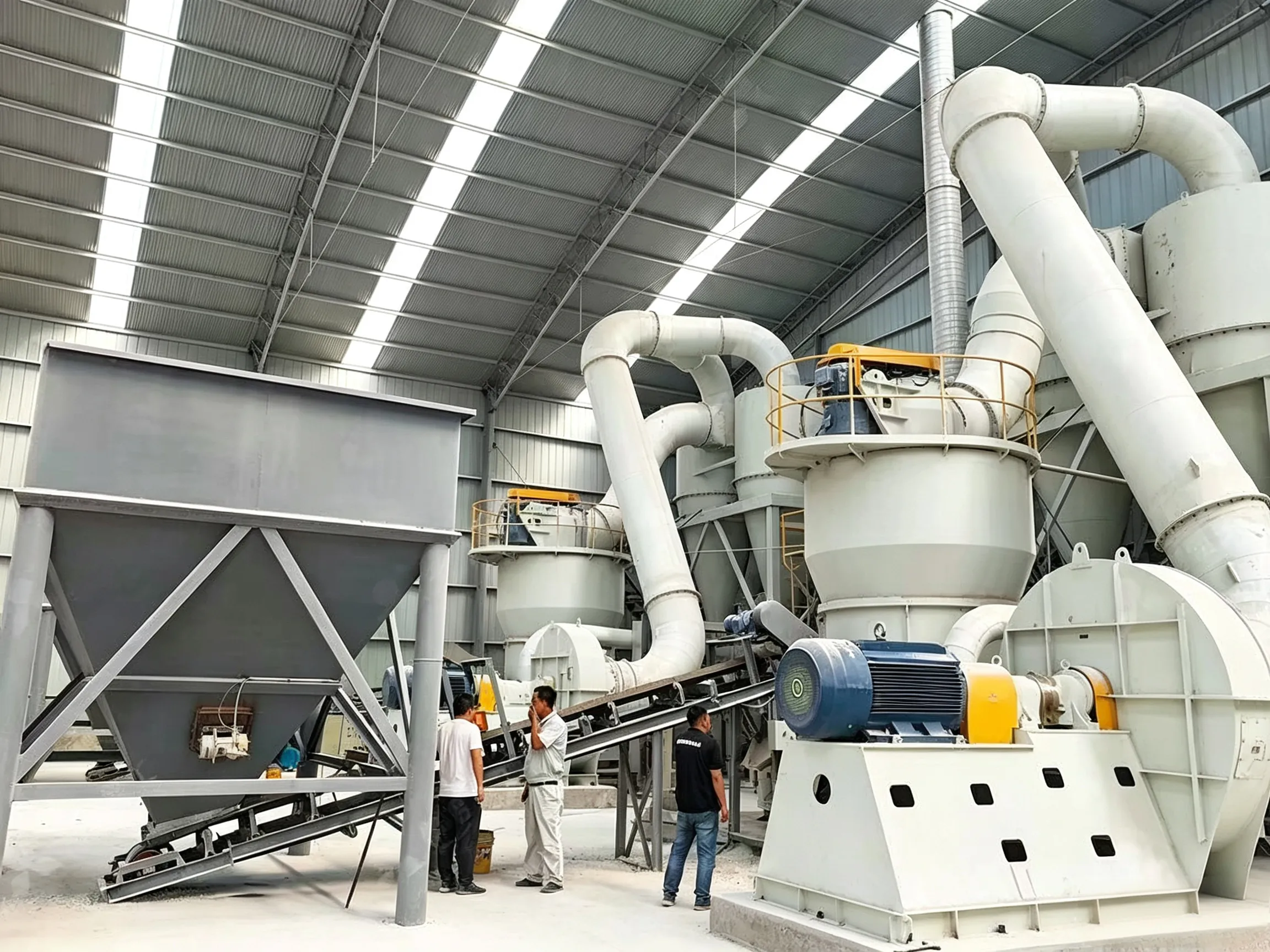
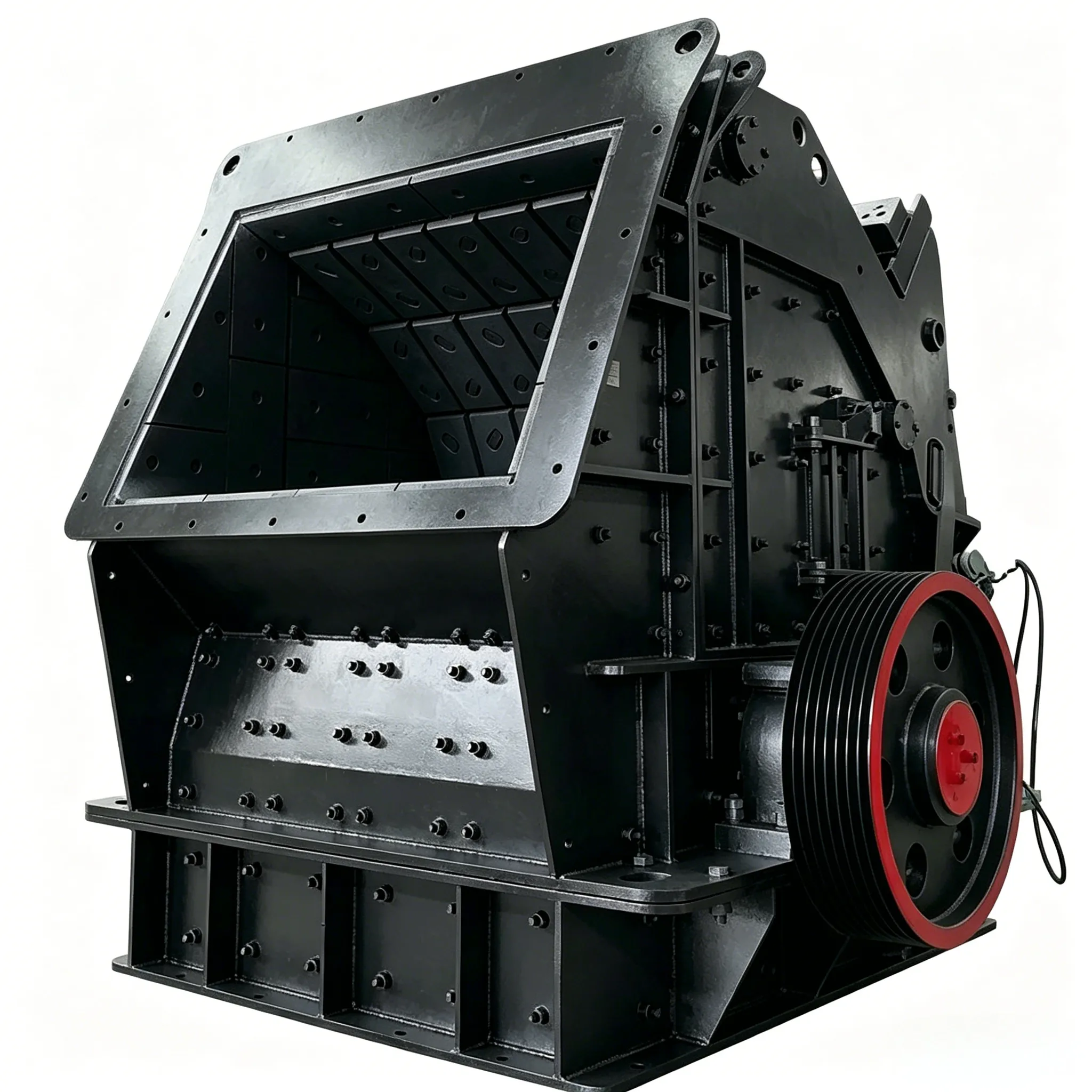
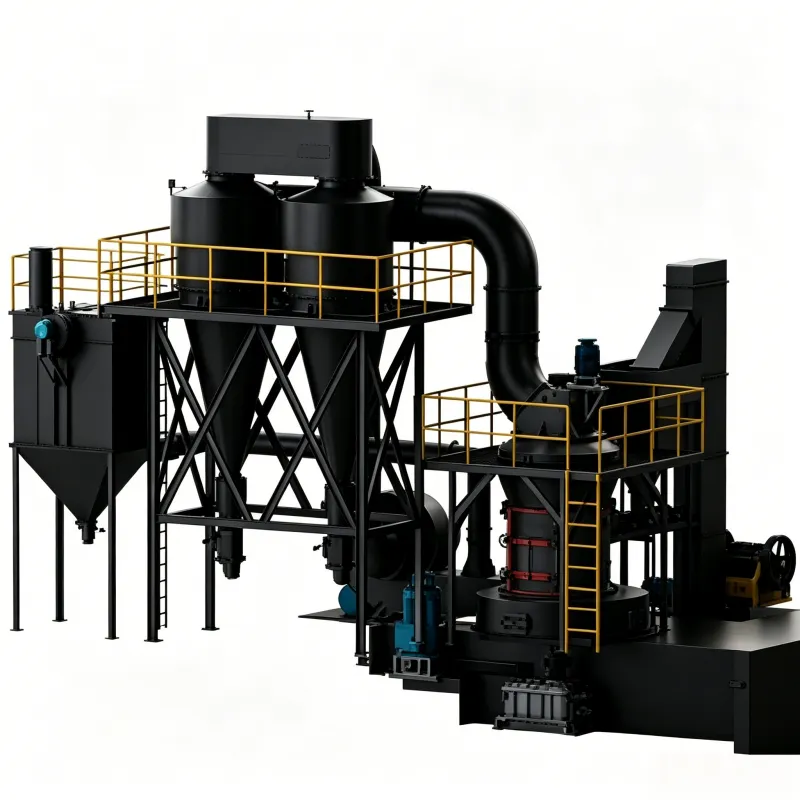
Typical maintenance costs for Mulino Raymond equipment are not a single fixed number. They are a significant and ongoing operational expense that varies substantially based on factors like the material being processed, the mill’s model, and the quality of maintenance performed.
To provide a detailed answer, we can break down these costs into several key categories and look at real-world examples.
📊 Breakdown of Maintenance Costs
The total maintenance cost is composed of several key elements:
Wear Parts Replacement (The Largest Cost): This is the most substantial and recurring expense, primarily for the grinding rollers and rings. The replacement frequency is directly tied to the abrasiveness of the material being processed.
High-Abrasion Materials: When grinding very hard or abrasive materials like quartz or certain ores, rollers and rings may need replacement or rebuilding every 1,000 to 2,000 operating hours. A common benchmark is every 500 ore.
Low-Abrasion Materials: For softer materials like limestone or gypsum, high-quality alloy components can last over 8,000 hours. Modern mills with advanced materials can extend this lifespan significantly, with some cases showing a 4-fold increase in service life.
Other Wear Parts: Beyond rollers and rings, other components like blade sets (shovel blades), spindle bushings, bearings, and classifier blades also require regular replacement, adding to the total cost.
Labor Costs: This includes the cost of maintenance personnel for routine inspections, adjustments, and part replacements.
Routine Tasks: Raymond mills require regular maintenance activities, including weekly inspections of rollers, fans, and air systems.
Downtime Impact: Maintenance activities cause production downtime. Raymond mills typically experience 15-25% more annual downtime for maintenance compared to modern vertical mills, which represents a significant hidden cost-.
Lubrication Costs: The cost of lubricants is a direct consumable expense.
Major Overhaul Costs: Periodically, a major overhaul is necessary. While the frequency can be extended with good maintenance, it’s a significant expense when it occurs.
Esempio: One non-metallic mining company that neglected maintenance faced a major overhaul every 2 years, costing over 100,000 RMB (approx. $13,800 USD) per event.
Consumo energetico: While not a direct maintenance cost, energy is a major operational expense. Raymond mills have a moderate power consumption. For instance, one analysis shows a power cost of $47,616 per year for a specific setup. The unit power consumption can be around 18-22 kW·h/ton.
💰 Real-World Cost Examples and Averages
To give you a clearer picture, here are some specific figures found in case studies and analyses:
Annual Maintenance Cost (Example): A specific analysis of a Raymond mill system reported an annual maintenance cost of $42,700.
Cost Per Ton (Example): In one published example, the maintenance cost per ton of material processed was $0.0187.
Consumables Cost (Example): The same analysis showed annual consumables (like lubricants) costing $13,461.
⚙️ Factors That Influence Cost
The final cost you incur will depend heavily on these factors:
Material Hardness and Abrasiveness: This is the single biggest factor. Harder materials dramatically increase the wear rate of rollers and rings, leading to more frequent and expensive replacements.
Mill Model and Size: Larger, more powerful mills (e.g., 5R, 6R models) will have larger, more expensive wear parts and consume more power.
Quality of Wear Parts: Using high-quality, wear-resistant materials like high-chromium alloy can slash maintenance costs by up to 50% by extending component life.
Maintenance Practices: A disciplined, proactive maintenance routine is a low-cost, high-return investment-. Proper lubrication, regular inspections, and timely repairs can prevent minor issues from becoming major, costly failures.
Operating Practices: Running the mill at its optimal capacity and avoiding overloading or uneven feeding reduces stress on components and extends their lifespan.
💎 Summary Table: Key Cost Areas & Estimates
Cost Category
Typical Components
Frequency / Notes
Estimated Cost (Examples)
Wear Parts
Rollers, Rings, Blades, Bearings
Every 500-2,000 hours, depends on abrasiveness
40-60% of mill’s purchase price over 5 years
Labor & Downtime
Inspections, Adjustments, Replacements
Weekly inspections-; 15-25% more downtime than vertical mills
Variable, based on hourly rates and downtime cost
Lubrificazione
Oils, Grease
Continuous / Regular intervals
$13,461 / year (example)
Major Overhaul
Comprehensive rebuild
Every 2-4 years, depending on maintenance
Over $10,000 USD per event
Energy
Electricity for main motor, fan
Continuous operation
$47,616 / year (example)
Total Annual
All of the above
$42,700 / year (example for a specific setup)
In conclusion, while the initial investment for a Raymond mill is relatively low, the ongoing maintenance costs, particularly for wear parts, are significant and should be a primary consideration in your operational budget. Proactive maintenance and the use of high-quality components are the most effective strategies for controlling these costs.

 English
 Spanish
 Russian
 Arabic
 Swahili
 French
 Turkish
 Portuguese
 Korean
 Japanese
 German
 Italian