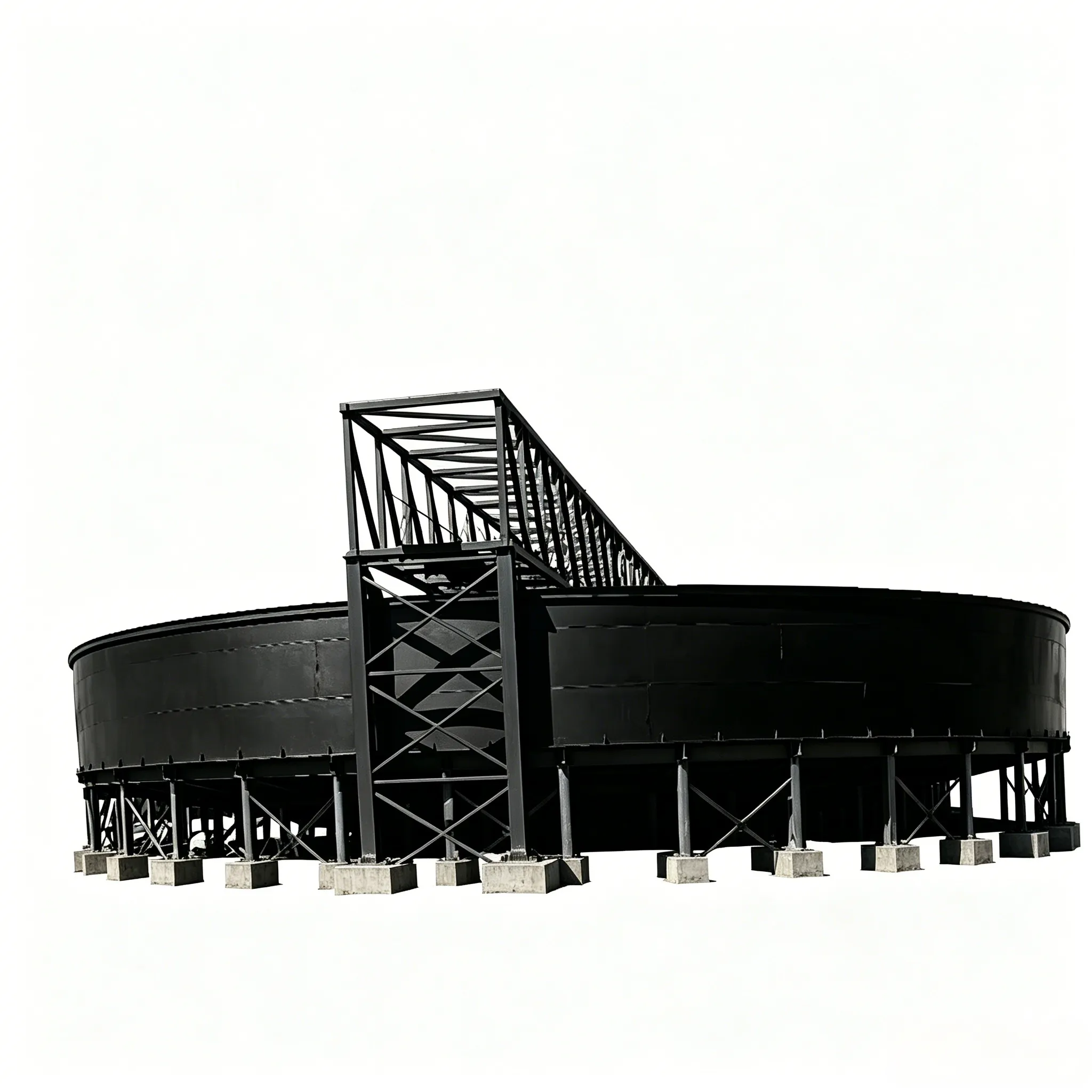
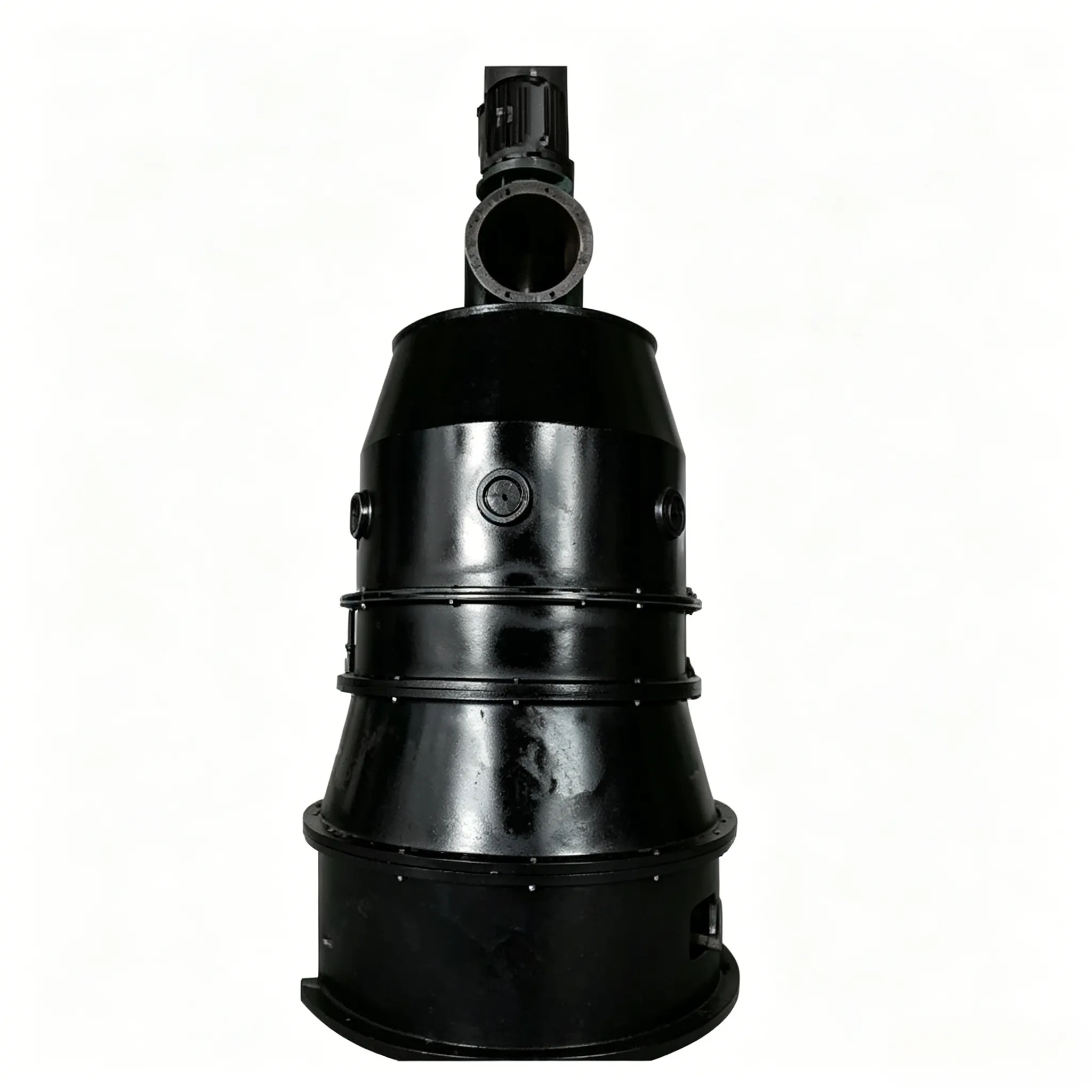
Addensatore ad azionamento periferico
Addensatori ad azionamento periferico Attualmente, gli addensatori ad azionamento periferico prodotti in Cina in genere…


The present invention belongs to the field of stibnite ore flotation.
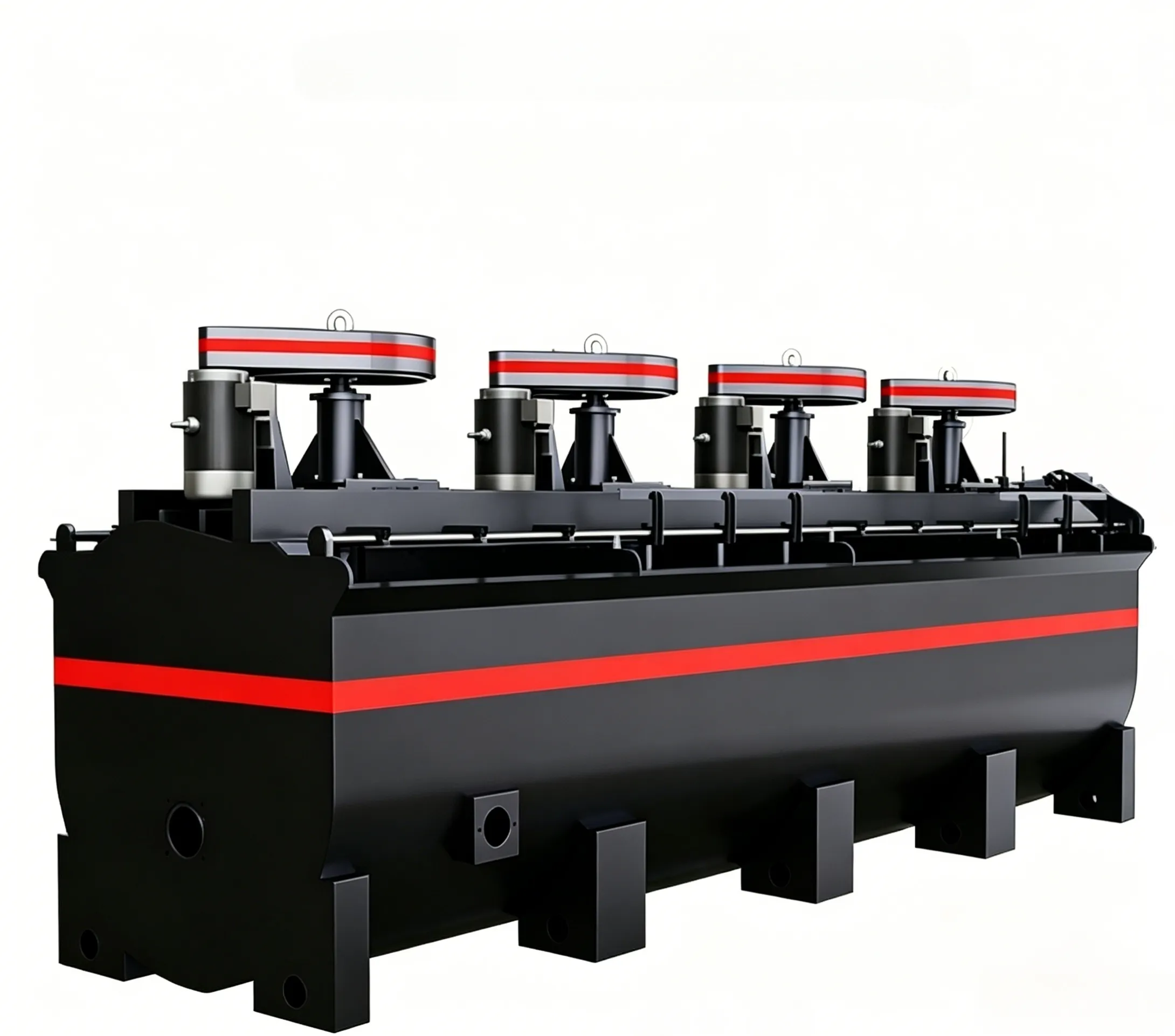
Stibnite ore flotation is usually carried out in neutral pulp, with a traditional reagent scheme comprising lead nitrate as activator, xanthate as collector, and pine oil as frother. More complex reagent schemes use up to six reagents, combining various higher sulfhydryl collectors (such as butyl xanthate, diethyldithiocarbamate, etc.) with large amounts of auxiliary collectors (such as shale oil, kerosene, etc.), also requiring activator and frother. With these two types of reagent schemes, the flotation rate is slow, requiring more flotation equipment and high energy consumption; the variety of flotation reagents is large and reagent consumption is high; and the flotation indices are low (the best foreign indices, such as at Murchison in South Africa, with a feed grade of 11% Sb, produce a stibnite concentrate grade of 61.94% and a recovery of 91.4%; domestic better indices, such as at the Southern Plant of Xikuangshan in China, with a feed grade of 3.19% Sb, produce a stibnite concentrate grade of 47.58% and a recovery of 93.97%). The separation of arsenic‑bearing stibnite ores is poor, and the stibnite concentrate has high arsenic content (when the stibnite ore contains 0.58% As, the stibnite concentrate contains 2.74% As), which affects the smelting recovery of antimony and the quality of antimony products, and also causes environmental pollution. In addition, the SO₂ harmful gas emitted by smelters also needs to be treated and utilized.
In order to accelerate the flotation rate, separate antimony‑arsenic minerals, simplify the reagent scheme, reduce reagent consumption, improve flotation indices, and enhance product quality, the present invention adopts weakly acidic pulp flotation.
The basic composition of the present invention is: using sulfuric acid or sulfurous acid (SO₂) to adjust the pulp to a weakly acidic pH of 5–8 (this pH range is suitable for stibnite flotation and does not damage equipment), and flotation is carried out using the selective collector ammonium dibutyl dithiophosphate (ammonium aerofloat) or other sulfhydryl collectors. When ammonium dibutyl dithiophosphate is used, no frother is required; when using other sulfhydryl collectors, a frother is still required. Before flotation of stibnite ore (including arsenic‑bearing stibnite ore), the reagents are added in the order of sulfuric acid [or sulfurous acid (SO₂)] at 1000–4000 g/t, lead nitrate at 100–300 g/t, and ammonium dibutyl dithiophosphate at 150–300 g/t, to condition the pulp; after one stage of roughing (5–10 min), one stage of scavenging (3–5 min), and one stage of cleaning, a high‑quality stibnite concentrate can be obtained. When the feed ore contains 4.5–7.2% Sb, the obtained stibnite concentrate grade is 60–65% and the recovery is 95–98%. When the feed ore is an arsenic‑bearing stibnite ore containing 0.45–0.6% As, the arsenic content of the stibnite concentrate obtained by flotation is reduced from 2.5–4.5% (with traditional reagent scheme) to 0.3–0.5% (with the present reagent scheme).
Compared with neutral pulp flotation, the present invention has the following advantages: ① Short flotation time and low reagent consumption. When stibnite ore is floated in weakly acidic pulp (roughing for 10 min), the antimony recovery can reach 97%; whereas when floated in neutral pulp (roughing for 10 min), the recovery is only 82.3%. Even when both the collector dosage and flotation time are doubled, the recovery is still only 94.3%. ② It is beneficial for antimony‑arsenic separation. When the feed ore contains 5.11% Sb and 0.46% As, using xanthate as collector (requiring frother) yields a stibnite concentrate containing 49.08% Sb and 4.25% As, with an antimony recovery of 94.7%; whereas when the feed ore contains 5.19% Sb and 0.55% As, using ammonium dibutyl dithiophosphate as collector (no frother required) yields a stibnite concentrate containing 56.1% Sb and 0.34% As, with an antimony recovery of 95.6%. The low arsenic content in the stibnite concentrate is beneficial for shortening the antimony smelting cycle, reducing alkali consumption and energy consumption in smelting, improving the antimony smelting recovery and product quality, and reducing arsenic pollution to the environment. ③ SO₂ waste gas, sulfurous acid, and waste dilute sulfuric acid can be used to adjust the acidity of the pulp, turning waste into treasure.
Esempio: For a stibnite ore feed containing 7.28% Sb, before flotation, the reagents are added in the order of sulfuric acid 2500 g/t, lead nitrate 150 g/t, and ammonium dibutyl dithiophosphate 180 g/t to condition the pulp (pH = 5.4). After one stage of roughing (10 min), one stage of scavenging (5 min), and one stage of cleaning, with middlings returned in sequence in a small‑scale closed‑circuit flotation test, a stibnite concentrate grade of 65% and a recovery of 98.2% are obtained.

 English English
 Spanish
 Russian
 Arabic
 Swahili
 French
 Turkish
 Portuguese
 Korean
 Japanese
 German
 Italian