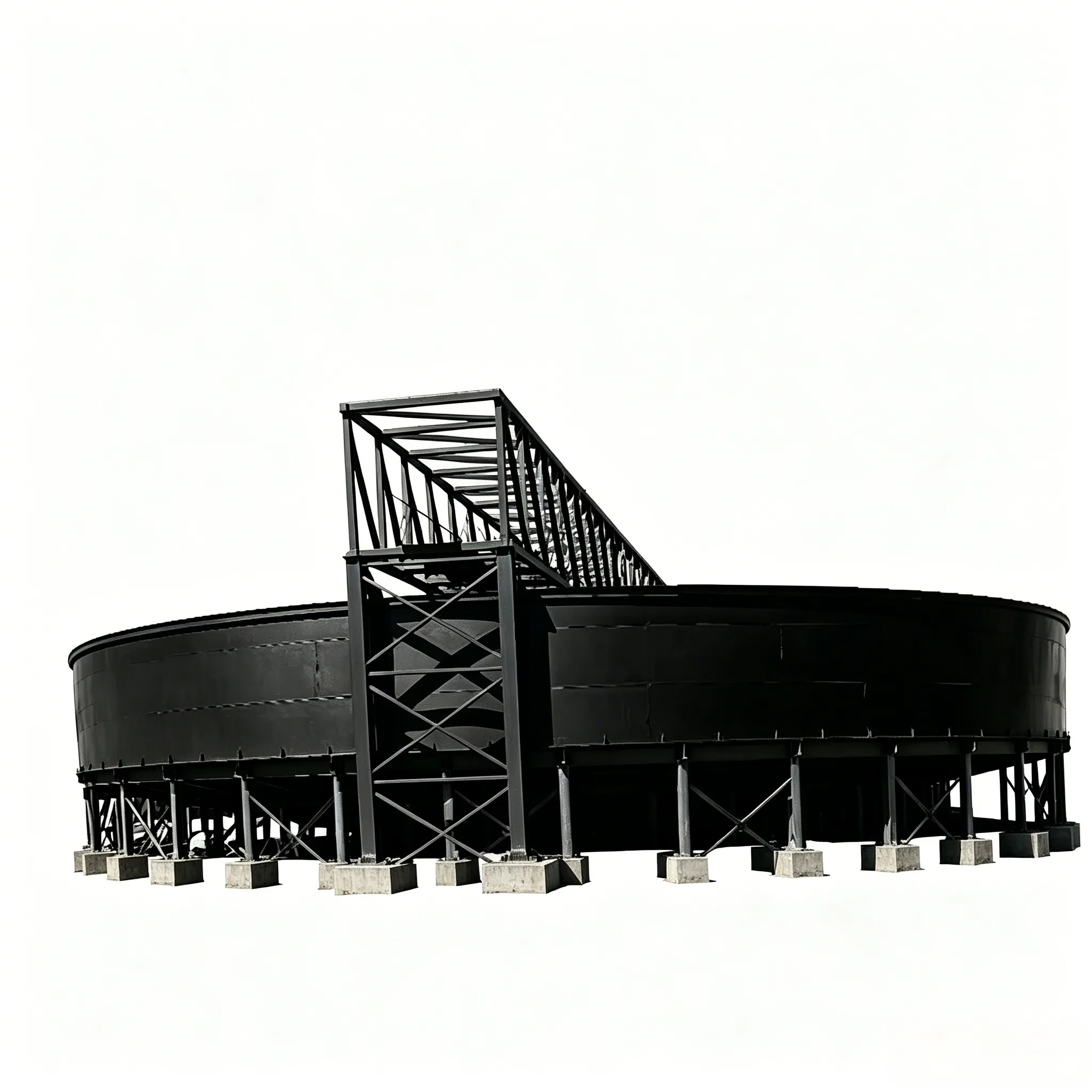
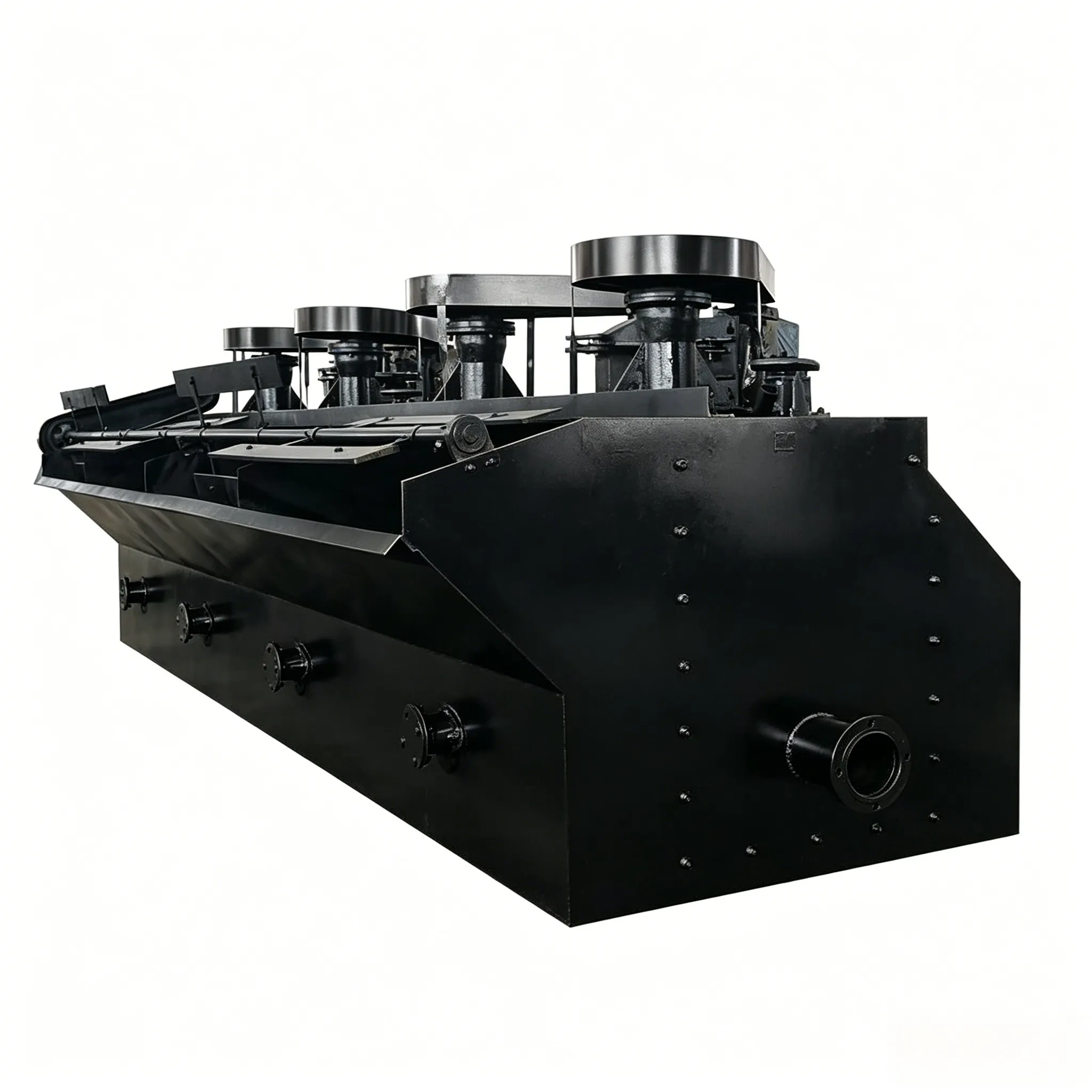
ボックス型傾斜板濃縮機
従来の傾斜板式濃縮機 KMIZ(Y)シリーズの傾斜板式濃縮機(澄清機)は、新しい…


Dolomite is a carbonate mineral with the chemical composition CaMg(CO₃)₂, belonging to the trigonal crystal system. It often appears grayish-white, pale yellow, or light brown due to the presence of iron, manganese, and other elements, and exhibits a vitreous luster. Dolomite is the main mineral component of dolostone and dolomitic limestone. China possesses abundant dolomite resources, mainly distributed in Hubei, Hunan, Guangxi, Guizhou, Jiangsu, and Inner Mongolia.
With the continuous growth in demand for dolomite powder in building materials, metallurgy, chemical industry, agriculture, and other sectors, processing raw dolomite ore into high-value-added powder products offers significant economic benefits. The Raymond mill is an ideal choice for dolomite pulverization due to its simple structure, low capital investment, and uniform product fineness.
This study aims to demonstrate the feasibility of using a Raymond mill for dolomite pulverization, covering technical feasibility, economic feasibility, and market feasibility, so as to provide a basis for project investment decisions.
| パラメータ | 値 |
|---|---|
| Chemical formula | CaMg(CO₃)₂ |
| モース硬度 | 3.5–4 |
| 密度 | 2.8–2.9 g/cm³ |
| Color | Colorless, white, yellow, grayish-white, etc. |
| Luster | Vitreous |
| Solubility | Slowly effervesces in cold dilute hydrochloric acid |
The Raymond mill is widely applicable for grinding non-flammable and non-explosive minerals with Mohs hardness not exceeding 9.3 and moisture content below 6%. Dolomite, with a Mohs hardness of 3.5–4 (well below the Raymond mill’s upper limit of 7) and typically dry, fully meets the processing conditions.
The dolomite Raymond mill production line adopts a standardized process of “crushing – grinding – classification – collection”, comprising the following four stages:
Large dolomite boulders are first crushed by a jaw crusher to a feed size of ≤20 mm. This step significantly impacts subsequent energy consumption—actual data show that reducing feed size from 30 mm to 15 mm can lower Raymond mill power consumption by 28%. A “three-stage closed-circuit crushing” process is recommended, with screening equipment returning oversized particles for re-crushing to ensure uniform particle size.
The crushed dolomite particles are conveyed by a bucket elevator to a storage bin, then fed uniformly, quantitatively, and continuously into the Raymond mill main unit via an electromagnetic vibrating feeder for grinding.
Grinding principle: The transmission device drives the central shaft to rotate, and the grinding rollers on the plum blossom frame revolve around the grinding ring while also rotating on their own axes. The shovel blade system throws the material between the rollers and the ring, forming a material bed, where it is crushed by the centrifugal (compressive) force generated by the roller rotation.
The ground powder is carried by the fan airflow to the classifier for separation. By adjusting the classifier rotor speed, the product fineness can be precisely controlled. Fine powder meeting the required fineness is carried by the airflow to the downstream collection system; oversized coarse particles fall back to the grinding chamber for further processing, forming a closed-circuit cycle.
The qualified fine powder is carried by the airflow through pipelines to a large cyclone collector for separation and collection, then discharged through the powder outlet as finished product. A pulse dust collector is recommended, achieving a dust recovery rate of up to 99.9%. Finally, automatic packaging machines are used for ton-bag packaging.
Raw dolomite → Jaw crusher → Bucket elevator → Storage bin → Electromagnetic vibrating feeder
    → Raymond mill main unit (grinding) → Classifier → Cyclone collector
    → Finished product silo → Automatic packaging → Finished product storage
                    ↑ (coarse powder returns)
| 制御パラメータ | 推奨値 | 備考 |
|---|---|---|
| フィードサイズ | 20 mm以下 | Larger increases energy consumption; smaller raises crushing cost |
| Mill internal temperature | <80°C | Prevents thermal degradation of material |
| Classifier speed | Adjusted per target fineness | Higher speed yields finer product |
| システムの風量 | 負圧バランスを維持する | Adjusted via bleed air duct |
A complete dolomite Raymond mill production line includes:
| いいえ。. | 設備 | 機能 |
|---|---|---|
| 1 | ジョークラッシャー | Primary crushing of large ore |
| 2 | バケットエレベーター | 垂直方向の材料搬送 |
| 3 | 収納ボックス | バッファ貯蔵 |
| 4 | 電磁振動フィーダー | 均一かつ定量的な給餌 |
| 5 | レイモンドミル main unit | コア研削装置 |
| 6 | 分類器 | Powder classification |
| 7 | Cyclone collector | Finished product collection |
| 8 | パルス式集塵機 | 粉塵回収と環境保護 |
| 9 | 高圧ファン | 空気輸送 |
| 10 | Electrical control system | Centralized control |
Based on production scale, the following commonly used models are recommended:
| モデル | ローラーの数 | Ring Outer Diameter (mm) | 給餌サイズ(mm) | Product Fineness (mm) | 処理能力(t/h) | Total Power (kW) |
|---|---|---|---|---|---|---|
| HCQ1290 | 3 | 1290 | 20以下 | 0.038–0.18 | 1.5–6 | 125 |
| HCQ1500 | 4 | 1500 | 25以下 | 0.038–0.18 | 2–13 | 238.5 |
| 4R3216 | 4 | ~1270 | 30以下 | 0.038–0.18 | 1.5–8 | ~150 |
Product fineness can be adjusted within 80–400 mesh (0.18–0.038 mm); some upgraded models can reach 600 mesh.
| 品目 | 概算費用(10,000人民元) | 備考 |
|---|---|---|
| Raymond mill main unit | 40–50 | HCQ1500 reference price |
| 破砕・搬送設備 | 10–15 | Jaw crusher, elevator, feeder, etc. |
| Dust collection and recovery system | 8–12 | Pulse dust collector, cyclone, etc. |
| 電気制御装置および補助装置 | 5–8 | PLC制御システム、配管など. |
| 設置および試運転 | 5–10 | |
| 合計 | 68–95 |
Dolomite powder fineness can be flexibly adjusted according to downstream requirements:
| 製品グレード | 粒度(メッシュ) | 主な適用分野 |
|---|---|---|
| 粗い粉末 | 80–120 | Building materials, refractories |
| 微粉末 | 200–325 | Ceramics, glass, metallurgical fluxes |
| 超微粉末 | 400–600 | High-end ceramics, coatings, fillers |
Dolomite powder is widely used in the following fields:
The global dolomite powder market is projected to grow from approximately US$34 billion in 2025 to about US$49.5 billion by 2034, at a compound annual growth rate (CAGR) of about 4.27%. With growing demand for high-performance materials in new energy vehicles, 5G communications, and other industries, the application potential of ultra-fine dolomite powder in lithium battery separator coatings, electronic ceramic substrates, and other fields is continually being explored.
生産コストの内訳:
| 原価項目 | 単価(人民元/トン) | 年間費用(10,000人民元/年) | 備考 |
|---|---|---|---|
| Raw dolomite ore | 80–120 | 400–600 | Varies by local ore price |
| 電気 | 30–50 | 150–250 | HCQ1500 power 238.5 kW |
| 労働 | 15–25 | 75–125 | 3–4 operators per shift |
| Wear parts (rollers, rings) | 10–20 | 50–100 | High-chromium alloy lasts longer |
| 設備の減価償却 | 15–20 | 75–100 | 10年間の定額法 |
| 保守・修理 | 5–10 | 25–50 | |
| その他(管理、輸送) | 10–15 | 50–75 | |
| 合計 | 165–260 | 825–1300 |
| 製品グレード | 販売価格(人民元/トン) | 年間生産量(10,000トン) | 年間売上高(10,000人民元) |
|---|---|---|---|
| 200-mesh dolomite powder | 350–500 | 5 | 1750–2500 |
Compared with traditional R-type mills, new Raymond mills can increase production by more than 40% and reduce unit power consumption by over 30%, delivering significant economic benefits.
| 因子 | 変更 | 利益への影響 |
|---|---|---|
| Raw ore price increase | +20% | Profit decrease ~15% |
| 電気料金の値上げ | +20% | Profit decrease ~5% |
| 製品の販売価格の引き下げ | -10% | Profit decrease ~25% |
The Raymond mill is suitable for grinding various non-flammable and non-explosive ores with Mohs hardness below 7 and moisture below 6%. Dolomite, with hardness 3.5–4 and typically dry, fully meets these conditions, making it a technically mature and suitable solution.
The Raymond mill produces fine powder with uniform particle size, achieving a sieving pass rate of up to 99%—a significant advantage over other grinding equipment. When equipped with a high-precision turbo classifier, particle size can be precisely controlled to meet the fineness requirements of various industries.
The Raymond mill has a compact three-dimensional structure with a small footprint and strong system integration. It can form an independent production system from raw material processing to pulverization and packaging. The electrical system adopts centralized control for automated operation. Equipment equipped with PLC automatic control systems can reduce failure rates by 60%.
The system operates under negative pressure and is equipped with a pulse dust collector with a collection efficiency of up to 99.9%, effectively controlling dust emissions. Dust leakage can be reduced by 95% compared with manual operation. The entire airflow system is closed-loop and circulated, with minimal dust discharge and no environmental pollution.
| リスク要因 | 想定される影響 | 緩和策 |
|---|---|---|
| Oversized feed particles | Increased energy consumption, equipment damage | Strict control of crushing size; install screening equipment |
| Excessive moisture content | Clogging in mill, reduced output | Add drying step; schedule operations during dry weather |
| Roller and ring wear | Fluctuations in product fineness | Use high-chromium alloy wear parts; regular inspection and replacement |
| リスク要因 | 想定される影響 | 緩和策 |
|---|---|---|
| 製品の価格変動 | 利益率の低下 | Diversify sales channels; develop high-value-added products |
| 下流需要の変動 | 過剰生産能力 | Flexibly adjust product fineness to suit different industries |
| 激化する競争 | 市場シェアの低下 | Enhance product quality stability; build brand reputation |
| リスク要因 | 想定される影響 | 緩和策 |
|---|---|---|
| Unstable power supply | 生産の中断 | Equip backup power source; choose area with stable grid |
| より厳しい環境規制 | コンプライアンスコストの増加 | Adopt high-standard dust removal equipment to ensure emissions compliance |
| 安全上の事故 | 死傷者、操業停止 | Strictly enforce operating procedures; regular safety training |

 English English
 Spanish
 Russian
 Arabic
 Swahili
 French
 Turkish
 Portuguese
 Korean
 Japanese
 German
 Italian