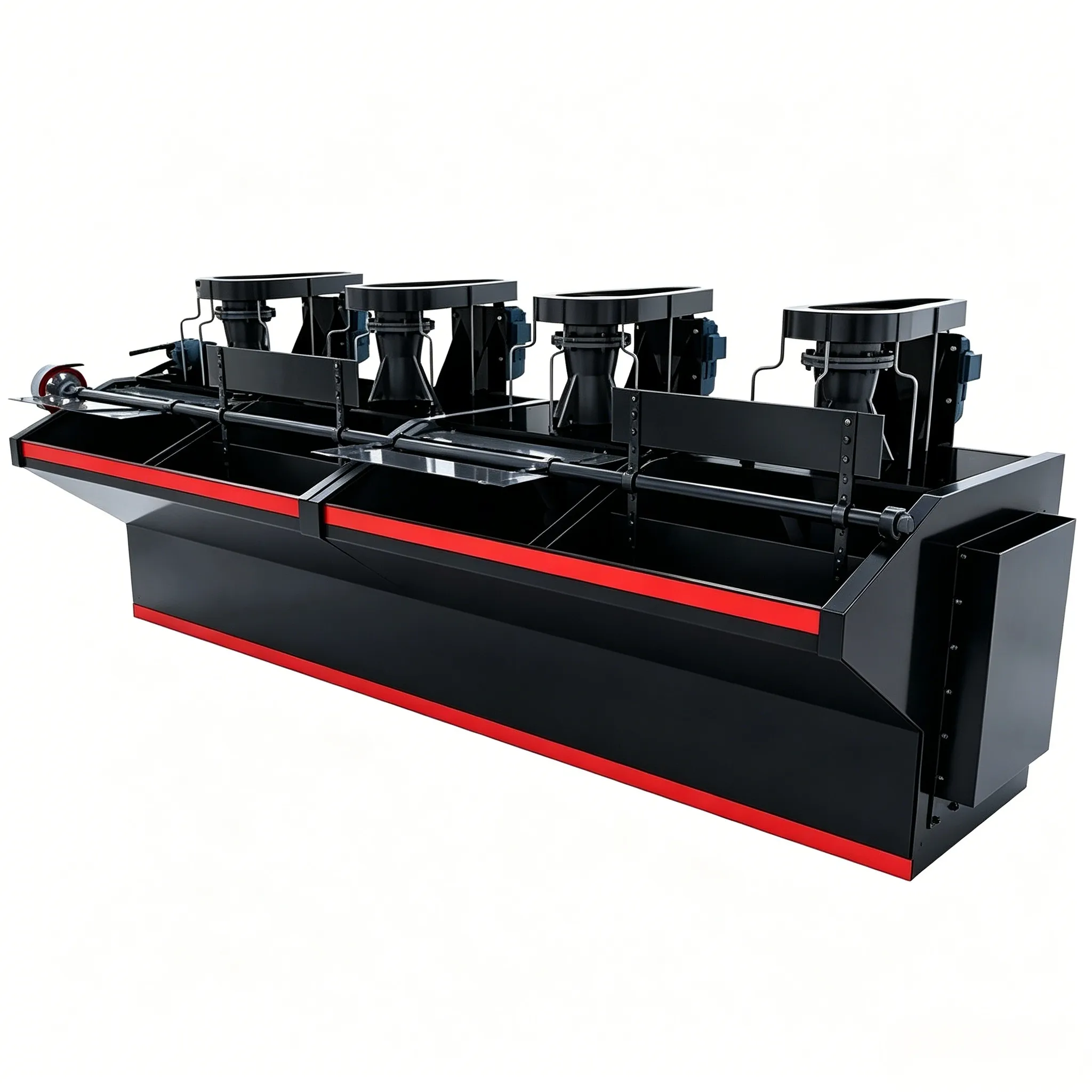
XJBロッド式浮選機
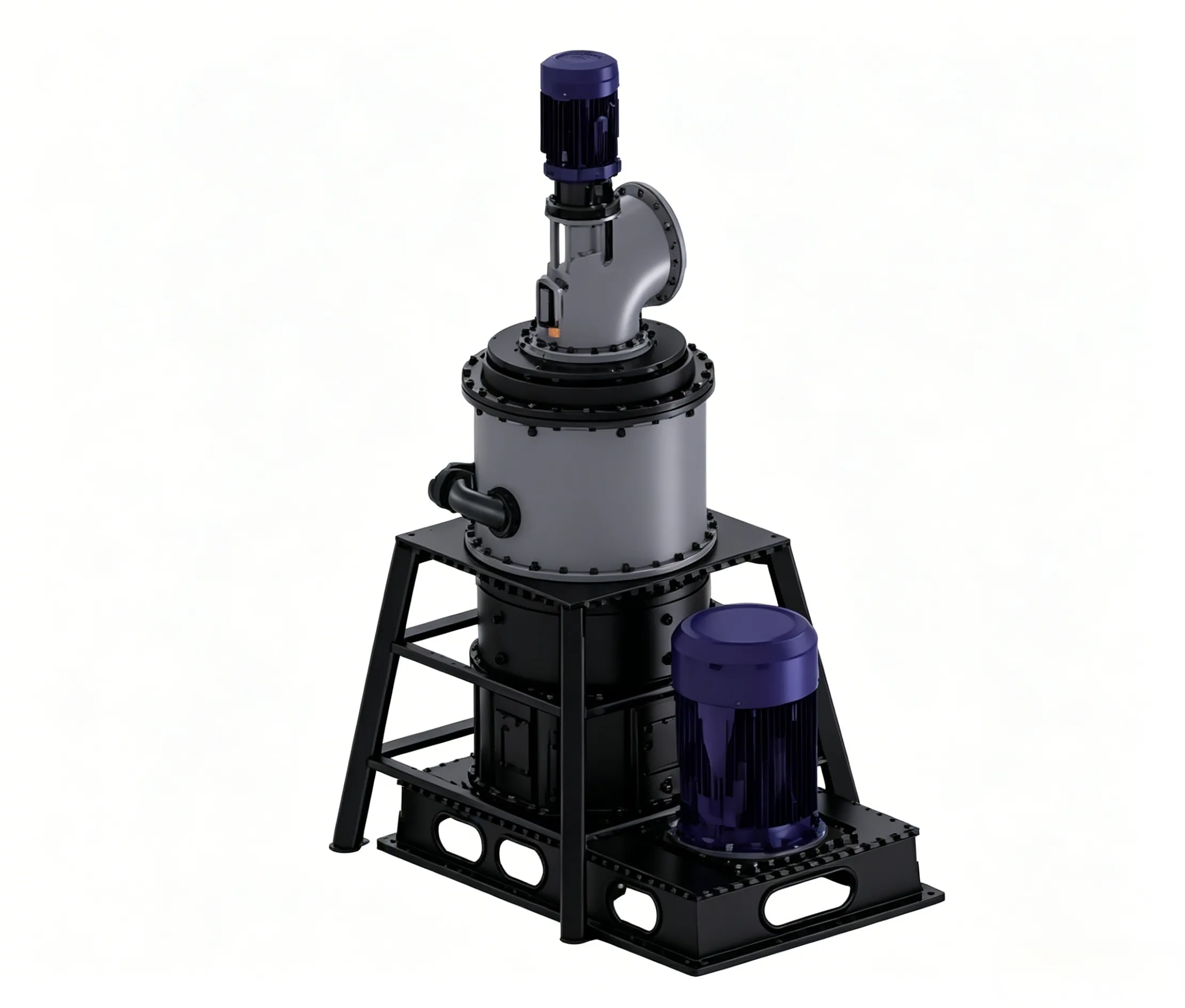
XJBロッド式浮選機 XJBロッド式浮選機は、…と類似しています。

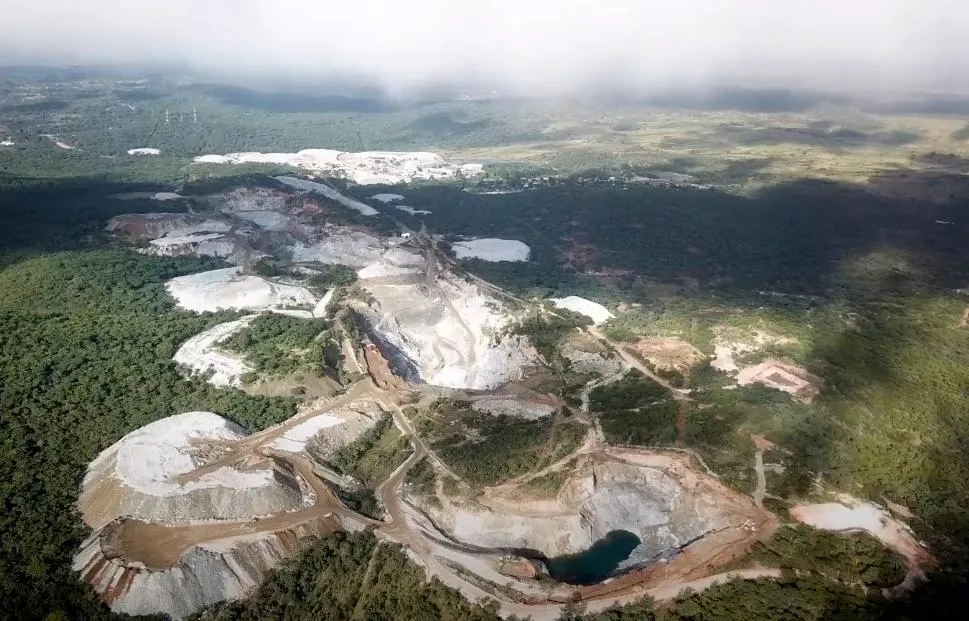
Bikita Minerals is stepping up efforts to convert the country’s lithium resources into high value-added products. Zimbabwe is committed to building a domestic mineral processing industry, and the company’s planned investment is expected to exceed US$1 billion by 2027.
This expansion project is led by the Chinese company Sinomine, aiming to increase processing capacity, drive industrial development and reduce dependence on exports of raw ore and semi-processed mineral products.
Thomas Mufumi, Deputy General Manager of Bikita Minerals, said the company has invested more than US$380 million in the completed mineral processing project, and subsequent capital expenditure will push total investment above US$1 billion.
Mufumi said: “We have invested more than US$380 million in the mineral processing project, and by 2027 total investment is expected to exceed US$1 billion.”
The core project in the expansion plan is a US$400 million lithium sulfate plant, scheduled for completion in the second quarter of 2027. The plant is designed with an annual production capacity of 100,000 tonnes, which will enhance the mine’s ability to process lithium raw materials into products needed by downstream industries.
The company will also increase the ore processing capacity of one of its spodumene beneficiation production lines from 2 million tonnes per year to 3.3 million tonnes per year, and continue to invest in tantalum metal extraction operations.
Zimbabwe is promoting in-country mineral processing, technology transfer and industrial development in order to retain more economic benefits from its mineral resources, and the above series of projects are being implemented in this context.
Dr. Nomusa Jane Moyo, General Manager of the Minerals Marketing Corporation of Zimbabwe (MMCZ), said this investment confirms that beneficiation and value-addition operations can drive the mining industry from a pure resource extraction sector into a comprehensive engine of economic growth.
Dr. Moyo said: “This is not just about mining minerals, but about increasing mineral revenue, creating jobs and transferring technology to Zimbabwe. Every step forward in mineral beneficiation means more value stays in the country.”
She said the expansion of processing capacity can also drive economic activity beyond mining: cultivating local suppliers, developing technical talent and stimulating infrastructure investment.
However, this huge investment plan is being implemented against the backdrop of uncertainty in the global lithium market, with volatile lithium prices and unclear demand prospects putting pressure on producers.
Mufumi noted that the industry has a huge demand for working capital and called on the government to review the taxes and deductible items applicable to lithium producers.
He said: “Lithium prices are highly volatile, demand uncertainty is high, and the industry’s working capital needs are large. Readjusting the industry’s relevant tax burden and deduction policies will help producers maintain operations and continue to invest.”
This appeal highlights the dilemma facing Zimbabwe: attracting long-term investment in mineral beneficiation while ensuring that mining companies remain financially sustainable during periods of low commodity prices.
Mufumi said Bikita Minerals currently has about 1,400 direct employees, and with outsourced contractors included, the total workforce exceeds 2,000. The company also carries out a number of community development projects, covering rural electrification, schools, clinics and road construction.
Moyo believes that if beneficiation investment is accompanied by local supplier development, job creation and technology transfer, it can unlock broader economic benefits.
She said: “Bikita Minerals demonstrates what can be achieved by combining investment with value-added processing. The key is to ensure that Zimbabwe no longer simply exports minerals, but builds a complete industry around its mineral resources.”
With the lithium sulfate plant and other processing projects gradually expanding, Bikita Minerals has become an important pilot for testing Zimbabwe’s goal of building an integrated mining industry.
Project basic information:
I. Lithium resources (per Sinomine Resource Group’s announcement, NI 43-101 basis)
Remaining ore volume: 124.0939 million tonnes
Average lithium oxide grade Li₂O: 0.95%
Li₂O metal content: 1.1838 million tonnes, equivalent to 2.9240 million tonnes LCE (lithium carbonate equivalent) Shenzhen Stock Exchange…
The pegmatite body in the mining area is not closed off to the west and still has potential for exploration and resource growth; at the time of the early acquisition there was only about 850,000 tonnes LCE, and subsequent continuous exploration substantially increased the resource China Securities Journal
Ore types: spodumene, petalite, lepidolite, amblygonite, eucryptite — multiple lithium minerals occurring together, not a single spodumene ore.
II. Associated resources (tantalum, caesium)
Tantalum: the SQI6 ore body has associated Ta₂O₅ resources of 8.4 million pounds, with an average Ta₂O₅ grade of 186 ppm; tantalum concentrate has a Ta₂O₅ grade of about 21%, with associated niobium (Nb₂O₅ about 7–12%). The project is also investing in tantalum extraction in parallel, as a by-product to increase cash flow and hedge against lithium price volatility.
Pollucite: a globally renowned caesium resource, capable of producing caesium salt products, and historically a core specialty product.
III. Mining and processing capacity plan (corresponding to the news above)
Expansion of the existing spodumene beneficiation line: from 2 million tonnes/year → 3.3 million tonnes of raw ore/year
New lithium sulfate smelter: US$400 million investment, commissioning in Q2 2027, annual output of 100,000 tonnes of lithium sulfate (the project’s core value-added works, smelting on site to reduce lithium concentrate exports)
Total investment plan: total investment >US$1 billion by 2027; US$380 million already invested in beneficiation infrastructure
IV. Mine service life
Public management guidance: existing resources support a mine life of >15 years; with continued exploration, the service life is expected to be further extended.
V. Logistics and supporting resources
About 325 km from the capital Harare; export ports for finished products: Durban Port in South Africa and Beira Port in Mozambique, connected by road + rail, making it one of the best-located lithium mines in Zimbabwe.
Workforce: about 1,400 direct employees, >2,000 including contractors; supporting community infrastructure (power, schools, clinics, roads).

 English English
 Spanish
 Russian
 Arabic
 Swahili
 French
 Turkish
 Portuguese
 Korean
 Japanese
 German
 Italian