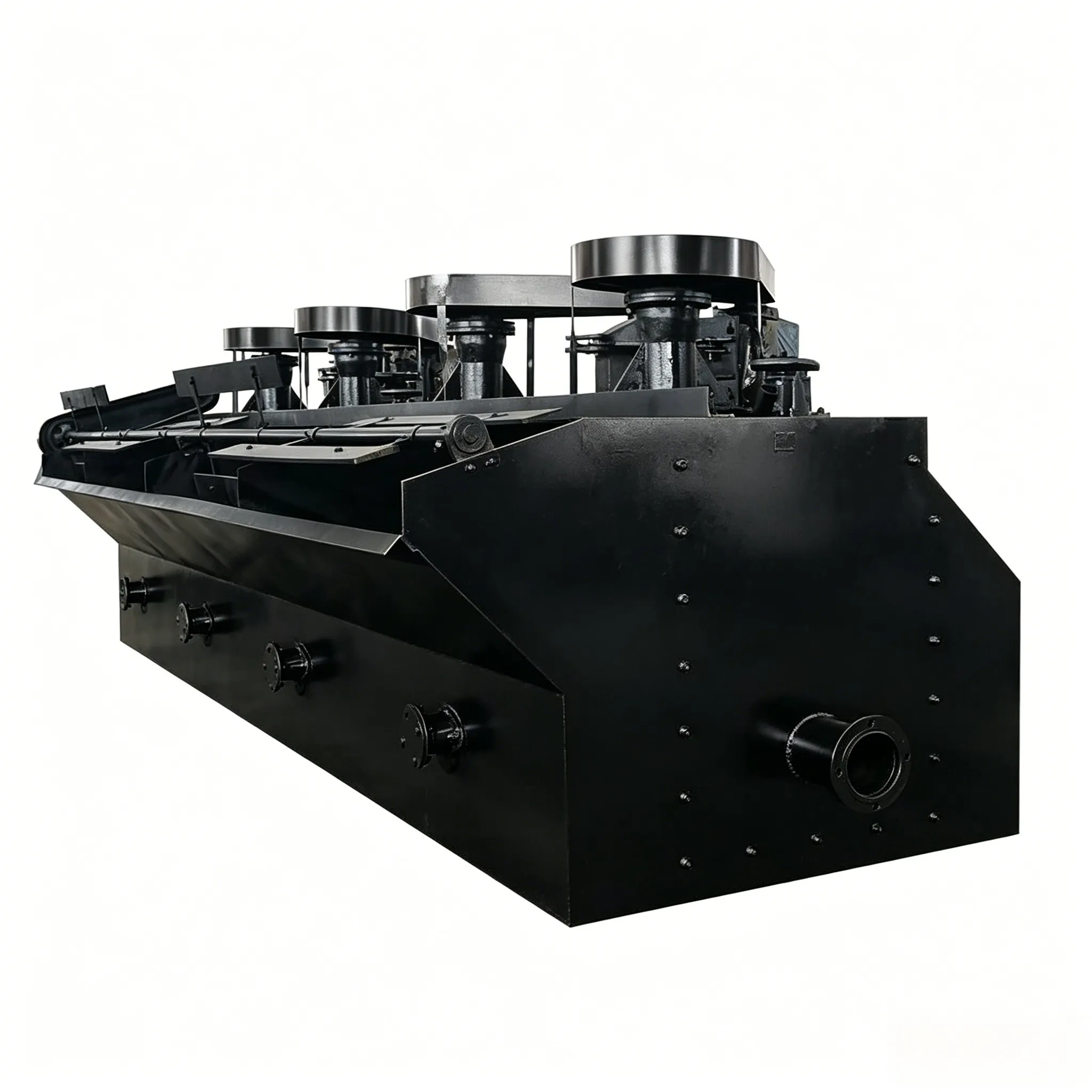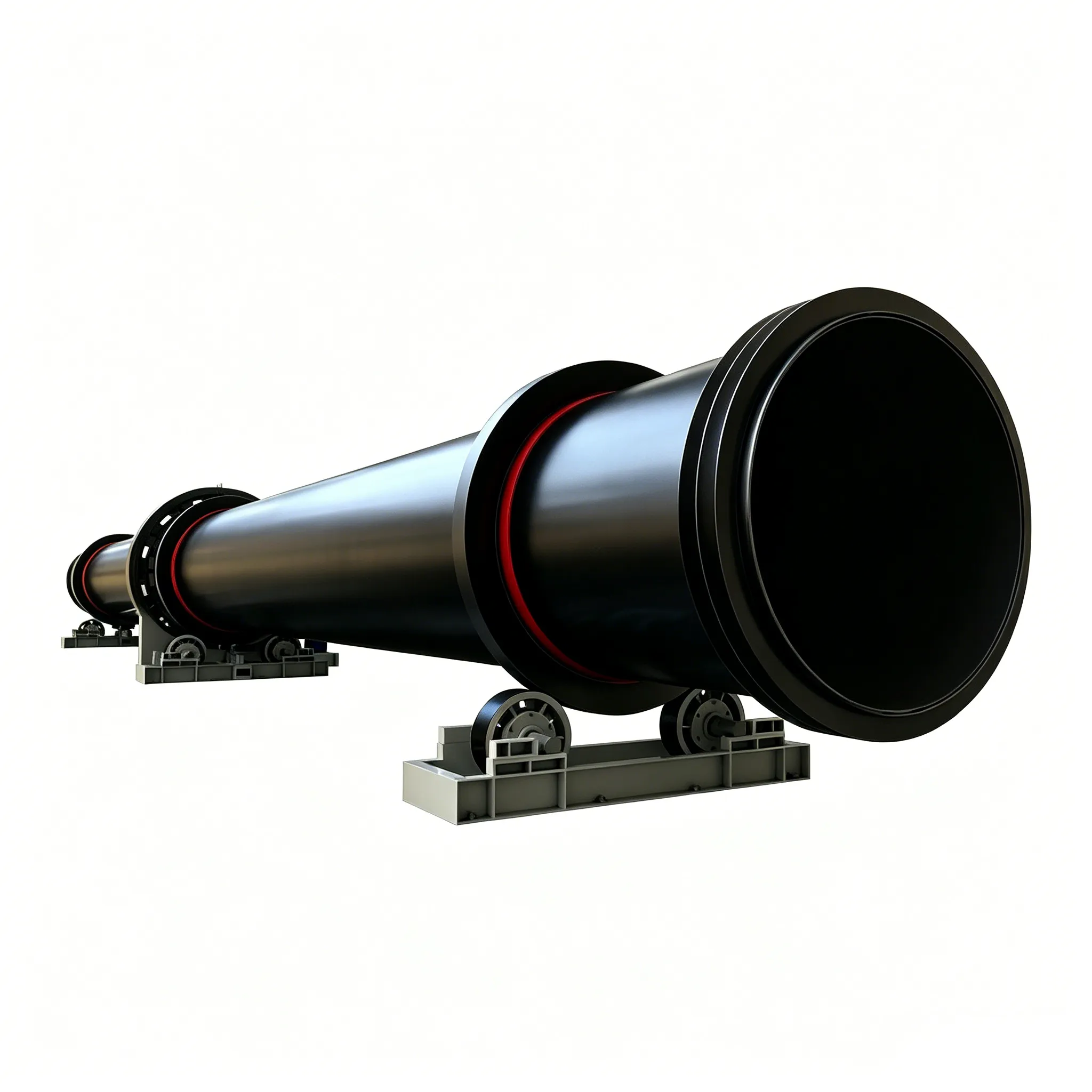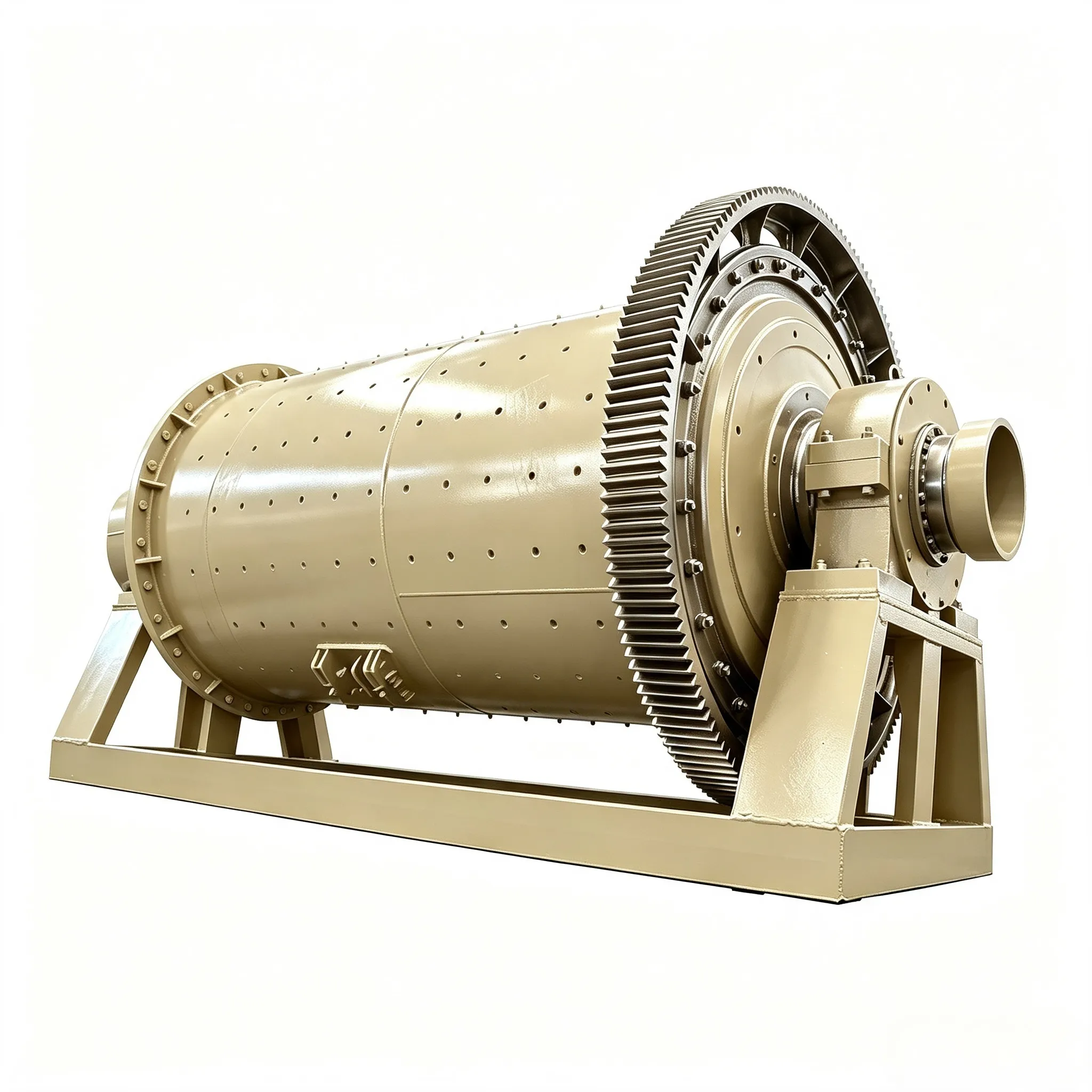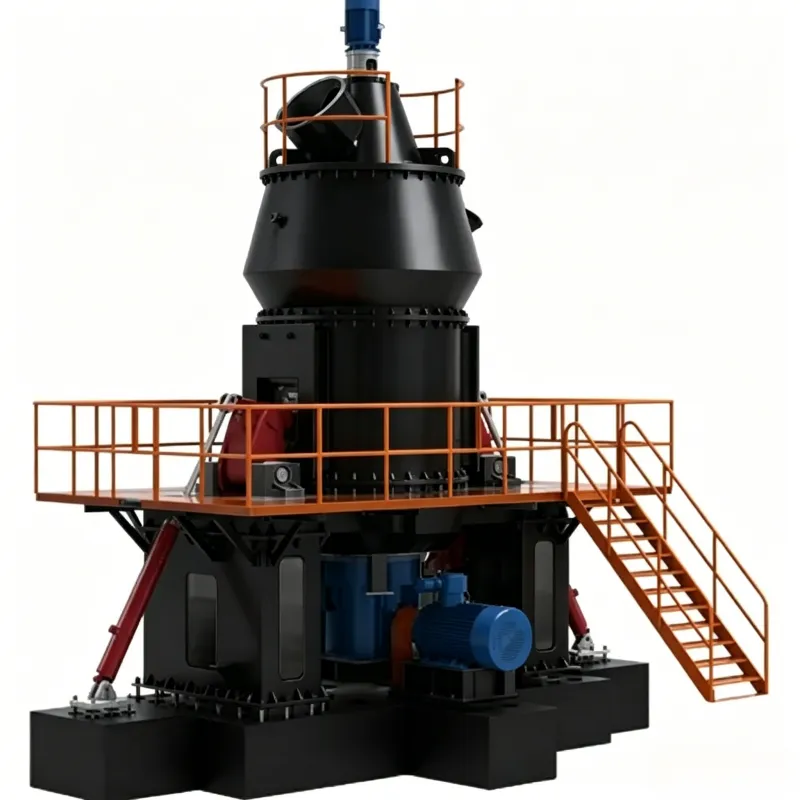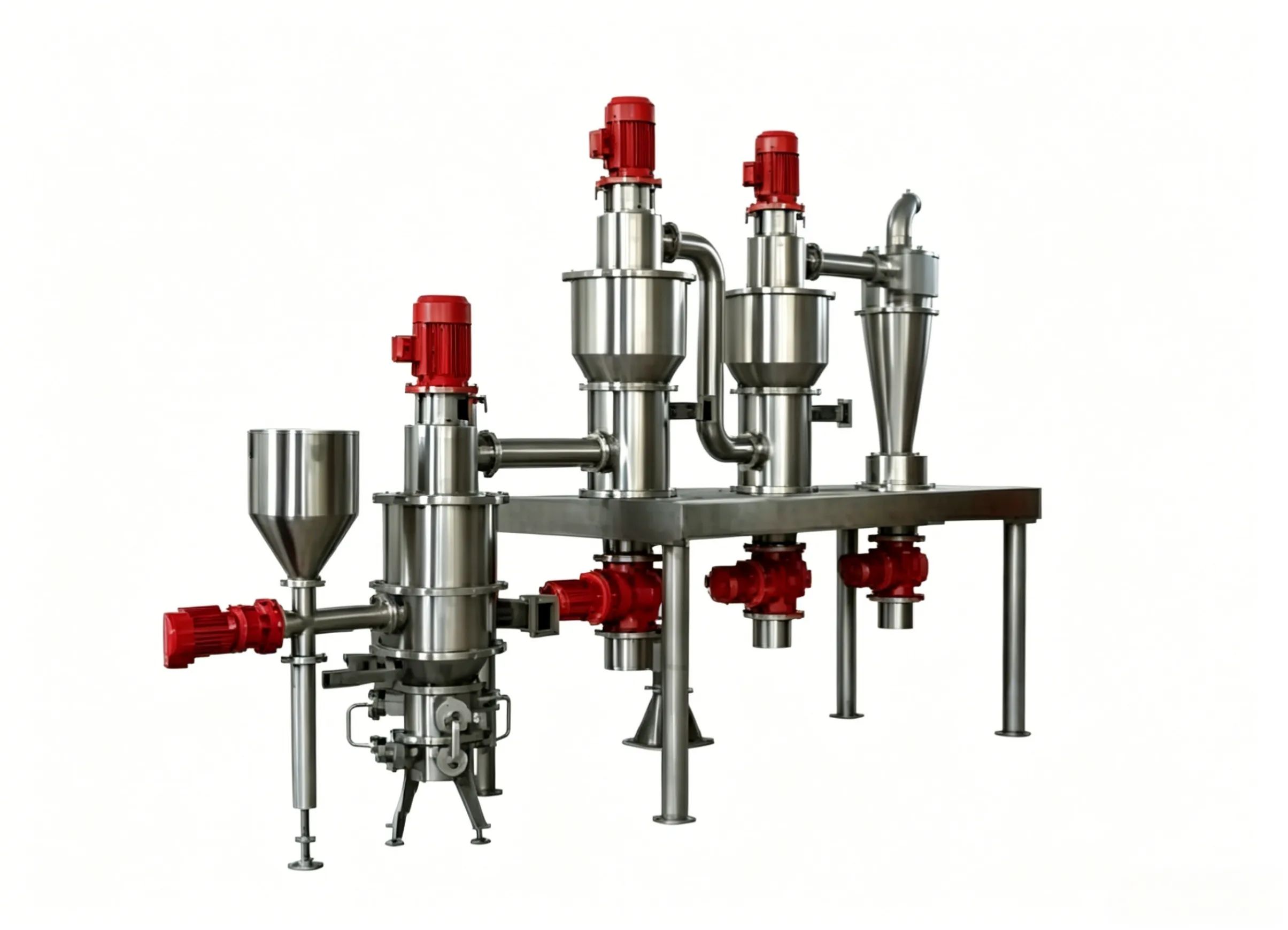
ジェットミル
ジェットミル この機械は、乾式超微粉砕・分級装置です…

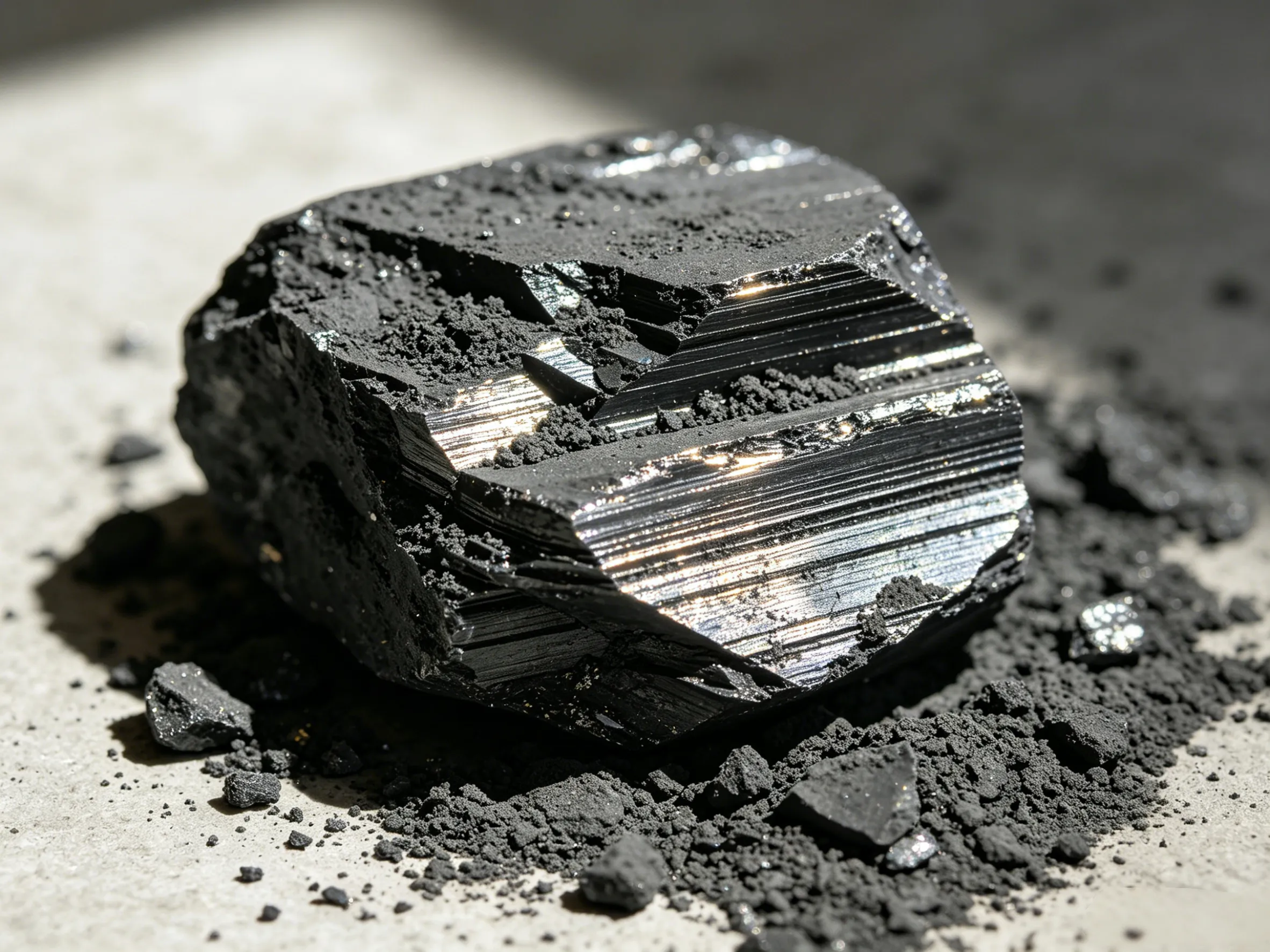
C1-B01
Gneissic biotite migmatitic monzogranite. The rock is light flesh-red to brownish-yellow (due to iron oxide staining), with a medium- to fine-grained granular porphyritic texture and gneissic to massive structures. The main mineral components are feldspar and quartz, with minor biotite. Feldspar: white to light grayish-white, mostly stained brownish-yellow by limonite, occurring as columnar–granular crystals; a few are euhedral, but most are subhedral to anhedral granular, with grain sizes of 1–3 mm, accounting for about 55%. Quartz: colorless and transparent, rounded granular, greasy luster, grain sizes mostly around 1 mm; some occur as single grains, but most are distributed as glomerular aggregates, and fine quartz grains are also found within feldspar crystals, accounting for about 40%. Biotite: black to brownish-yellow, granular and flaky crystals, with flake diameters of 1–2 mm; unevenly distributed in the rock—partly scattered relatively evenly, while another portion shows a slight preferred orientation, discontinuously distributed to form gneissic foliation, creating the gneissic texture, accounting for about 3%.
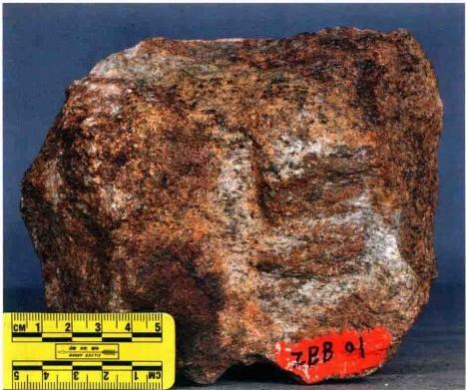
C1-B02
Two-mica quartz schist. The rock is yellowish-gray in color, with a medium- to fine-grained lepidoblastic crystalloblastic texture and banded to schistose structure. The main mineral is quartz, followed by biotite, muscovite, and minor chlorite. Quartz: colorless and transparent, greasy luster, rounded granular, with variable grain sizes, the larger ones 1–2 mm, accounting for 80%–85%. Biotite: black to brownish-yellow, vitreous luster, fine scaly, grain size less than 1 mm, with个别 reaching 2 mm. Muscovite: white, colorless and transparent, vitreous luster, fine scaly, flake diameter less than 1 mm. Chlorite: dark green, fine scaly, with no discernible crystal shape under the naked eye or hand lens. The above three minerals are closely intergrown to form bands and cannot be further separated, with a total content of 10%–15%. The protolith is a rock composed of interbedded quartz sandstone and silty mudstone; after metamorphism, the original quartz sandstone formed quartzite bands, locally showing relict psammitic texture and secondary enlargement of quartz, while the original silty mudstone portion metamorphosed into bands composed of biotite, muscovite, and chlorite together with fine sandy quartz silt.
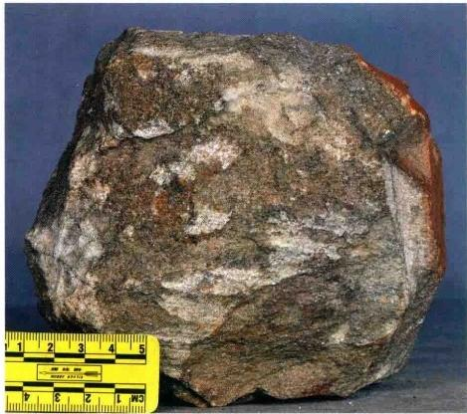
C1-B03
Mica quartz schist. The rock is light grayish-yellow in color, with a fine-grained lepidoblastic crystalloblastic texture and schistose structure. The main mineral component is quartz, followed by sericite and muscovite, with minor biotite. Quartz: colorless and transparent, greasy luster, anhedral to rounded granular, with grain sizes of 0.5–2 mm, mostly around 1 mm, unevenly distributed in bands; where abundant, it may reach 80%–85%, and where sparse, only 40%–45%, averaging about 60%. Sericite: light grayish-yellow, silky luster, fine scaly, with flake diameters mostly less than 1 mm. Muscovite: white, colorless and transparent, vitreous luster, mostly fine scaly, but some flakes are larger, up to 2–3 mm in diameter. Sericite and muscovite are closely intergrown, with a total content of about 30%. Biotite: black to brownish-yellow, sporadically distributed, about 3%. In addition, garnet is occasionally observed locally, dark red, greasy luster, fine grains less than 0.5 mm, present in very minor amounts.
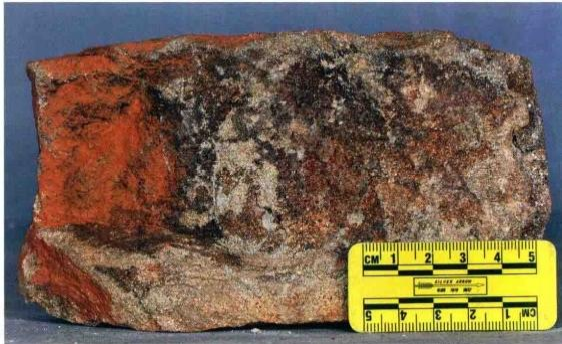
C1-B04
Garnet-bearing biotite quartz schist. The rock is dark gray in color, with a medium- to fine-grained lepidoblastic crystalloblastic texture and banded to massive structures. The main mineral component is quartz, with minor biotite, chlorite, and trace amounts of garnet and pyrite. Quartz: partly colorless and transparent, greasy luster, rounded granular; mostly occurring as massive aggregates, with grain sizes generally 0.5–2.0 mm, accounting for 90%. Chlorite: dark green to grayish-green, mostly occurring as microcrystalline anhedral grains, distributed in bands, content 2%–3%. Biotite: black to yellowish-brown, occurring as fine scaly grains, with flake diameters mostly less than 1 mm, scattered throughout the rock, content 2%–3%. Garnet: brownish-yellow to light flesh-red, anhedral fine granular, grain size less than 1 mm, content less than 1%. Pyrite: yellowish-white to yellow, metallic luster, anhedral fine granular, grain size less than 1 mm, content 1%. The protolith is inferred to be siliceous‑cemented quartz sandstone or argillaceous siltstone.

C1-B05
Graphite-bearing two-mica quartz schist. The rock is dark gray in color, weathering to yellowish-gray, with a fine-grained lepidoblastic crystalloblastic texture and schistose to massive structures. The main mineral component is quartz, followed by biotite, with minor muscovite and graphite. Quartz: colorless and transparent, partly white, greasy luster, anhedral granular to massive, with grain sizes generally 0.5–2 mm, unevenly distributed, accounting for about 70%. Biotite: black to brownish-yellow, fine scaly, oriented along schistosity, with flake diameters around 1 mm, accounting for about 15%. Muscovite: white to creamy-yellow, vitreous luster, fine scaly, with flake diameters of 1–2 mm, slightly oriented, accounting for about 5%. Graphite: black, submetallic luster, low hardness, soils fingers, mostly occurring as fine scaly grains, with flake diameters generally less than 0.5 mm, accounting for 3%–5%. The metamorphic protolith is inferred to be carbonaceous argillaceous siltstone.

C1-B06
Biotite quartz schist-type graphite ore. The rock is dark gray in color, with a fine-grained lepidoblastic crystalloblastic texture and banded to schistose structures. The main mineral component is quartz, followed by biotite and graphite, with minor talc. Quartz: colorless and transparent, greasy luster, anhedral granular, with grain sizes of 0.5–1.5 mm, unevenly distributed as thin bands or lenses, accounting for 70%–75%. Biotite: brown to black, vitreous luster, fine scaly, with flake diameters mostly less than 1 mm, oriented along schistosity, accounting for about 10%. Graphite: black, submetallic luster, soils fingers when touched, occurring as fine scaly grains relatively evenly distributed in the rock, slightly oriented along schistosity, accounting for about 10%. Talc: light green, white, or colorless, pearly luster, hardness less than that of a fingernail, unevenly distributed in the rock as porphyroblasts of variable sizes, ranging from 1 mm × 5 mm to 5 mm × 15 mm, occurring as foliated, acicular, or fibrous aggregates, distributed along schistosity, but within the schistosity the talc shows anisotropic elongation; its content is uneven, reaching up to 2%–3% in local concentrations.

C1-B07
Two-mica quartz schist-type graphite ore. The ore is dark gray to grayish-black in color, with a fine-grained lepidoblastic crystalloblastic texture and banded, streaky, and schistose structures. The main mineral component is quartz, followed by biotite and muscovite, with minor graphite. Quartz: colorless and transparent, greasy luster, anhedral granular, with grain sizes of 0.2–2 mm, mostly in the range of 0.5–1 mm, unevenly distributed, with an average content of about 50%. Muscovite: white to colorless, pearly luster, fine scaly, generally with flake diameters less than 0.5 mm. Biotite: black to brownish, vitreous luster, fine scaly, generally with flake diameters less than 0.5 mm. Both biotite and muscovite are each about 20% in content; both show preferred orientation forming schistosity, but muscovite tends to form bands with white, coarser-grained quartz, whereas biotite tends to form colored bands with finer quartz grains; the two types alternate to form a banded structure. Graphite: black, submetallic to metallic luster, fine scaly, with flake diameters less than 0.5 mm, soils fingers when touched, content 3%–5%. The protolith is inferred to be interbedded carbonaceous siltstone and fine sandstone.

C1-B08
Two-mica quartz schist-type graphite ore. The rock is dark gray to grayish-black in color, with a fine-grained lepidoblastic crystalloblastic texture and streaky, banded, and schistose structures. The main mineral component is quartz, followed by biotite and muscovite, with minor graphite and trace pyrite. Quartz: white, yellowish-white, or colorless and transparent, greasy luster, anhedral fine granular, with grain sizes of 0.5–1 mm, accounting for 40%–50%. Muscovite: white to colorless, pearly luster, fine scaly, with flake diameters generally less than 0.5 mm, often forming light-colored bands or streaks with quartz, content about 20%. Biotite: black to brownish, vitreous luster, fine scaly, with flake diameters generally 0.5–1 mm, often forming dark bands with graphite and fine quartz, content about 15%. Graphite: black, submetallic luster, fine scaly, with flake diameters generally 0.1–0.5 mm, occasionally larger up to 1–2 mm, unevenly distributed, averaging about 5%. Pyrite: occasionally seen as fine grains, most of which have been oxidized to limonite, content less than 1%. The flaky minerals—muscovite, biotite, and graphite—all show distinct preferred orientation along schistosity. Powdery graphite is visible on structural fracture surfaces of the rock. The protolith is inferred to be carbonaceous argillaceous siltstone.

C1-B09
Graphite-bearing biotite talc schist. The rock is dark gray to grayish-black in color, with a fine-grained lepidoblastic crystalloblastic texture and schistose structure. The main mineral component is talc, followed by biotite, with minor quartz and graphite. Talc: white to green, subvitreous luster, occurring as fine scaly grains, with flake diameters of 0.5–3 mm, generally about 1 mm, accounting for about 70%. Biotite: black to dark brown, vitreous luster, occurring as fine scaly grains, with flake diameters of 0.5–1 mm, accounting for about 20%. Quartz: colorless to milky-white, transparent to translucent, greasy luster, anhedral granular or glomerular, with grain sizes of 1–3 mm, accounting for about 5%. Graphite: black, submetallic to metallic luster, soils fingers, has a slippery feel, occurring as fine scaly grains relatively evenly distributed in the rock, accounting for 2%–3%.
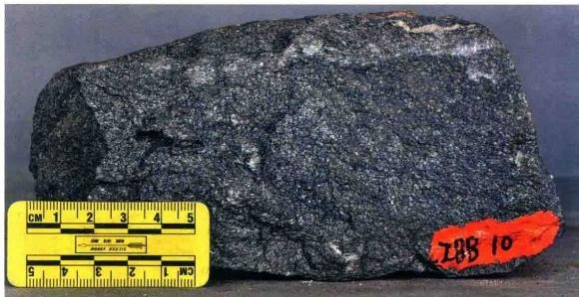
C1-B10
Biotite quartz schist. The fresh surface of the rock is gray, while the weathered surface is brownish-yellow, with a fine-grained crystalloblastic texture and massive structure; schistose structure is not well developed. The main mineral component is quartz, followed by biotite. Quartz: colorless and transparent or milky-white, greasy luster, anhedral granular or rounded, with grain sizes generally less than 1 mm and up to 2 mm at maximum, accounting for about 90%. Biotite: black to brownish-black, vitreous luster, occurring as fine scaly grains relatively evenly distributed in the rock, accounting for about 5%, with no obvious preferred orientation. Very fine-grained pyrite is visible in the rock; some has weathered to limonite, and some has been oxidized and leached to form limonite films along fractures. The protolith is inferred to be fine-grained quartz sandstone or argillaceous fine-grained quartz sandstone.

C1-B11
Plagioclase amphibolite. The rock is dark gray to grayish-black in color, with a fine-grained granoblastic texture and banded structure. The main mineral component is hornblende, followed by plagioclase and biotite, possibly containing minor pyroxene. Hornblende: black, vitreous luster, partly occurring as euhedral long prismatic crystals, mostly subhedral to anhedral granular, with larger grains up to 1 mm × 3 mm, difficult to distinguish with the naked eye, accounting for 45%–50%. Biotite: black to brownish, vitreous luster, euhedral to anhedral flaky and granular, scattered in distribution, accounting for about 10%. Plagioclase: white to milky-white, anhedral granular, with grain sizes of 1–2 mm, accounting for about 35%. Quartz: colorless and transparent, anhedral granular, greasy luster, with grain sizes around 1 mm, accounting for about 5%. Dark bands composed of dark minerals (hornblende, biotite, and partly pyroxene) and light bands composed of plagioclase and quartz are straight and alternating, forming the banded structure.

C1-B12
Biotite monzogneiss. The rock is yellowish-white in color, with a medium- to fine-grained crystalloblastic texture and gneissic to massive structures. The protolith is inferred to be feldspathic quartz sandstone. The main mineral components are quartz and feldspar, with minor biotite. Quartz: colorless to milky-white, transparent to translucent, greasy luster, anhedral granular, with grain sizes of 1–3 mm; some quartz grains are rounded to elliptical, accounting for about 60%. Feldspar: light grayish-white to white, anhedral granular, mostly intergrown with quartz, with grain sizes of 0.5–2 mm, accounting for about 35%. Biotite: black to brownish, occurring as glomerular, flaky, or带状 aggregates, with a preferred orientation, forming a weak gneissic structure. Due to weathering, iron oxides have been leached from the biotite, staining the surrounding plagioclase and quartz yellowish-brown. Biotite content is about 5%.

C1-B13
Migmatitic biotite plagiogranite. The rock is yellowish-white in color, with a fine-grained crystalloblastic texture and massive structure. The main mineral components are quartz and plagioclase, with minor biotite. Quartz: colorless to milky-white, transparent to translucent, anhedral granular to rounded granular, with grain sizes of 0.5–2 mm, accounting for more than 60%. Plagioclase: white to light grayish-white, mostly irregular granular, with a few occurring as relatively euhedral tabular or granular crystals, grain sizes mostly between 0.5 and 1 mm, accounting for more than 30%. Biotite: black to yellowish-brown, vitreous luster, occurring as fine scaly grains scattered throughout the rock, accounting for about 5%. The protolith is inferred to be feldspathic quartz sandstone.
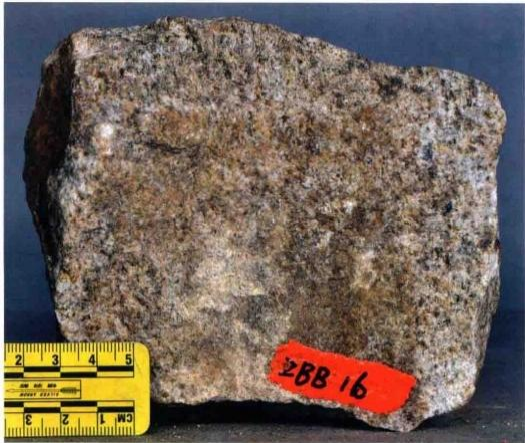
C1-B14
Biotite quartz schist-type graphite ore. The rock is grayish-black to dark gray in color, with a fine-grained lepidoblastic crystalloblastic texture and banded and schistose structures. The main mineral component is quartz, followed by biotite, with minor graphite. Quartz: colorless to milky-white, transparent to translucent, greasy luster, anhedral granular to rounded granular, with grain sizes of 0.5–1 mm, occasionally up to 2 mm; unevenly distributed, locally concentrated to form light-colored bands; some bands are composed almost entirely of quartz, but most quartz occurs as fine grains intergrown with biotite and graphite; content about 70%. Biotite: black to brownish, vitreous luster, euhedral to anhedral granular and flaky, with preferred orientation forming schistosity; grain (flake) diameters 0.5–2 mm; content 15%–20%. Graphite: black, submetallic to metallic luster, soils fingers when touched, has a slippery feel; occurring as fine scaly grains with flake diameters of 0.2–0.5 mm; it is crystalline graphite; content about 10%. Obvious folding is observed in the rock: bands composed of white to colorless quartz, 1–2 cm wide, show repeated folding within the hand‑specimen view, with hinge zones connected. On the slickenside surfaces of tectonic fractures in the rock, graphite occurs as powder and soils fingers strongly.

C1-B15
Two-mica quartz schist-type graphite ore (two-mica quartz schist). The rock is grayish-black to black in color, with a fine-grained lepidoblastic crystalloblastic texture and schistose to streaky structures. The main mineral component is quartz, followed by biotite, with minor muscovite and graphite. Quartz: white to milky-white, transparent to translucent, greasy luster, mostly anhedral fine granular, partly rounded granular, with grain sizes less than 1 mm; locally showing preferred elongation along schistosity; content 60%–70%. In addition, coarser quartz grains (1–2 mm) together with plagioclase (kaolinized) form thin bands, 1–3 mm wide, irregularly distributed in the rock. Biotite: black to brownish, vitreous luster, fine scaly, with preferred orientation forming schistosity; sometimes alternating with quartz bands; content about 20%. Muscovite (partly sericite): white to colorless, vitreous to pearly luster, fine scaly, forming schistosity together with biotite; content less than 5%. Graphite: black, submetallic luster, fine scaly, with flake diameters of 0.1–0.3 mm, some even smaller, but all are crystalline graphite; also oriented along schistosity but unevenly distributed; average content about 1%. The protolith is inferred to be carbonaceous argillaceous siltstone.

C1-B16
Biotite feldspar quartz schist-type graphite ore. The ore is dark gray to grayish-black in color, with a fine-grained lepidoblastic granoblastic texture and schistose to streaky structures. The main mineral components are quartz and plagioclase, followed by biotite and graphite. Quartz: colorless to milky-white, transparent to translucent, greasy luster, rounded fine granular, with grain sizes of 0.1–0.5 mm, accounting for about 40%. Plagioclase: white to light grayish-white, vitreous luster, subhedral to anhedral granular, with grain sizes of 0.5–1 mm, accounting for about 35%. Biotite: black to brownish, vitreous luster, occurring as fine scaly grains with flake diameters of 0.1–0.5 mm, oriented to form schistosity, accounting for about 15%. Graphite: black, submetallic to metallic luster, fine scaly, with flake diameters generally 0.1–0.3 mm, some even smaller than 0.1 mm, all are crystalline graphite, showing preferred orientation along schistosity; relatively evenly distributed in the rock, accounting for about 10%. In addition, scattered, honeycomb-like limonite is occasionally observed in the rock, which may be oxidation products of fine-grained pyrite. The protolith is inferred to be carbonaceous feldspathic quartzose siltstone.

C1-B17
Biotite feldspar quartz schist-type graphite ore. The rock is dark gray to grayish-black in color, with a weathered surface of brownish-yellow, exhibiting a fine-grained lepidoblastic and granoblastic crystalloblastic texture, and schistose to streaky structures. The main mineral components are quartz and plagioclase, followed by biotite, muscovite, and graphite. Quartz: white to colorless, translucent to transparent, greasy luster, anhedral rounded granular, with grain sizes of 0.5–2 mm, accounting for 40%–50%. Plagioclase: yellowish-white, anhedral granular, with grain sizes of 0.2–1 mm, mostly kaolinized, accounting for about 30%. The two minerals form streaky bands, with the light yellowish streaks being coarser-grained and the dark streaks finer-grained. Biotite: black to yellowish-brown, vitreous luster, occurring as scaly grains with preferred orientation, forming schistosity; flake diameters 0.2–1 mm, content about 20%. Muscovite: white to colorless, transparent to translucent, vitreous to pearly luster, fine scaly, with preferred orientation forming schistosity; content 1%–2%. Graphite: black, submetallic to metallic luster, opaque, occurring as fine scaly grains with flake diameters less than 0.1 mm, most ranging 0.1–0.3 mm; it is crystalline graphite; content 5%–8%. The protolith is inferred to be carbonaceous argillaceous siltstone.

 English English
 Spanish
 Russian
 Arabic
 Swahili
 French
 Turkish
 Portuguese
 Korean
 Japanese
 German
 Italian