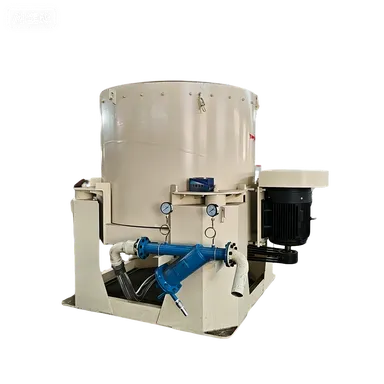
遠心濃縮機
遠心濃縮機 – 高効率微粒子重力濃縮機 製品概要 遠心濃縮機…


Many mineral processing plants encounter this situation:
When the grinding throughput is increased, the grinding fineness actually decreases.
There are several main reasons:
1. Shortened grinding time
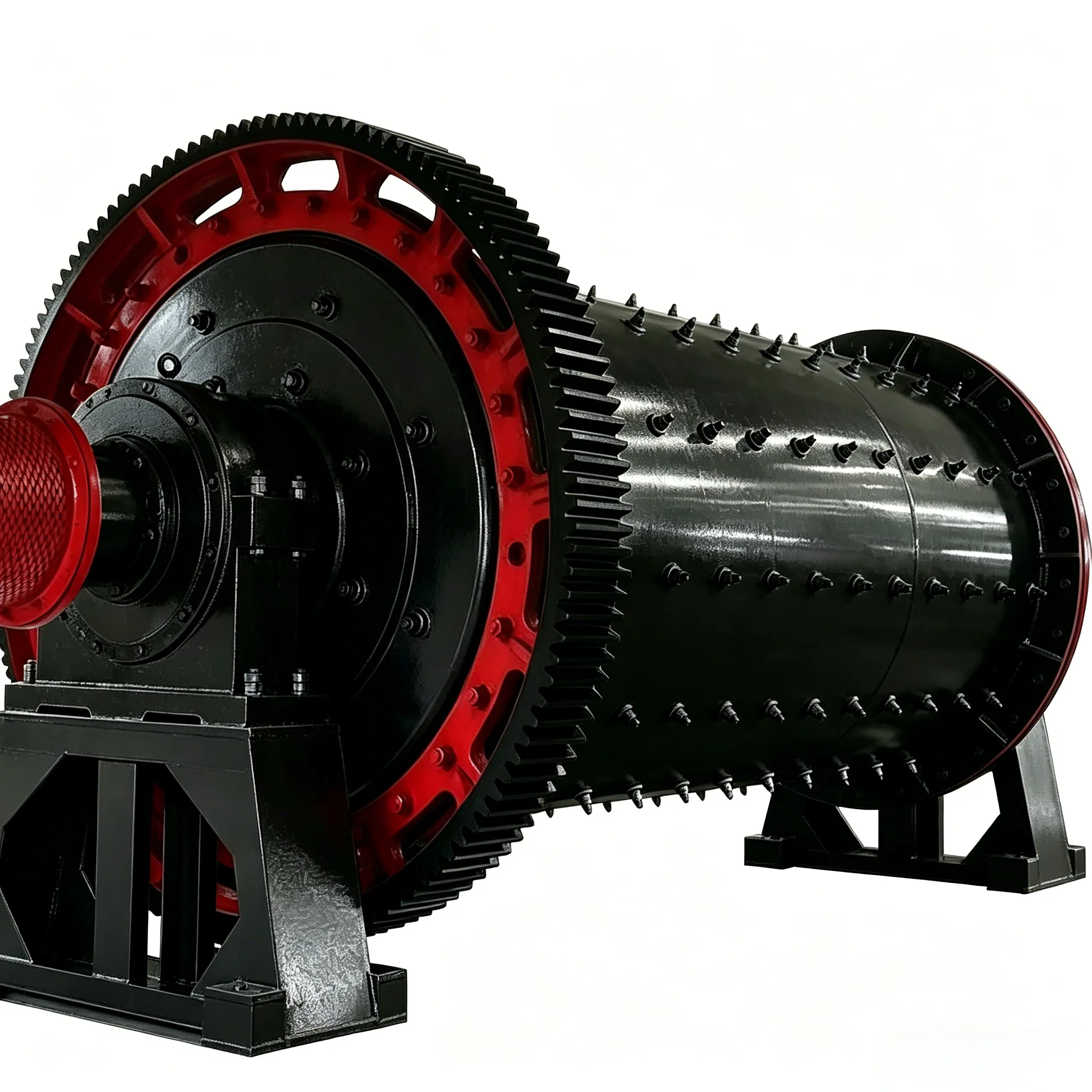
As the amount of ore entering the mill per unit time increases, the residence time of the material inside the mill may decrease, and the ore particles may not be ground sufficiently.
2. Increased mill load
An excessively high feed rate may cause the mill load to rise, changing the effective collision and grinding conditions between the grinding balls and the ore.
3. Changes in pulp density
After the throughput is increased, if the water addition is not adjusted in time, the pulp density will change, which will also affect the grinding efficiency.
4. Changes in classification pressure
After the grinding volume increases, the load on classification equipment such as the cyclone will also increase, which may cause changes in the classification performance and allow some coarse particles to enter the subsequent flotation.
Therefore:
When increasing the grinding throughput, one cannot only look at the tonnage; attention must also be paid simultaneously to grinding fineness, pulp density, mill load, and classification pressure.
Through real-time monitoring and adjustment of these parameters, automation control can help maintain the grinding process as stable as possible while increasing the throughput.

 English English
 Spanish
 Russian
 Arabic
 Swahili
 French
 Turkish
 Portuguese
 Korean
 Japanese
 German
 Italian