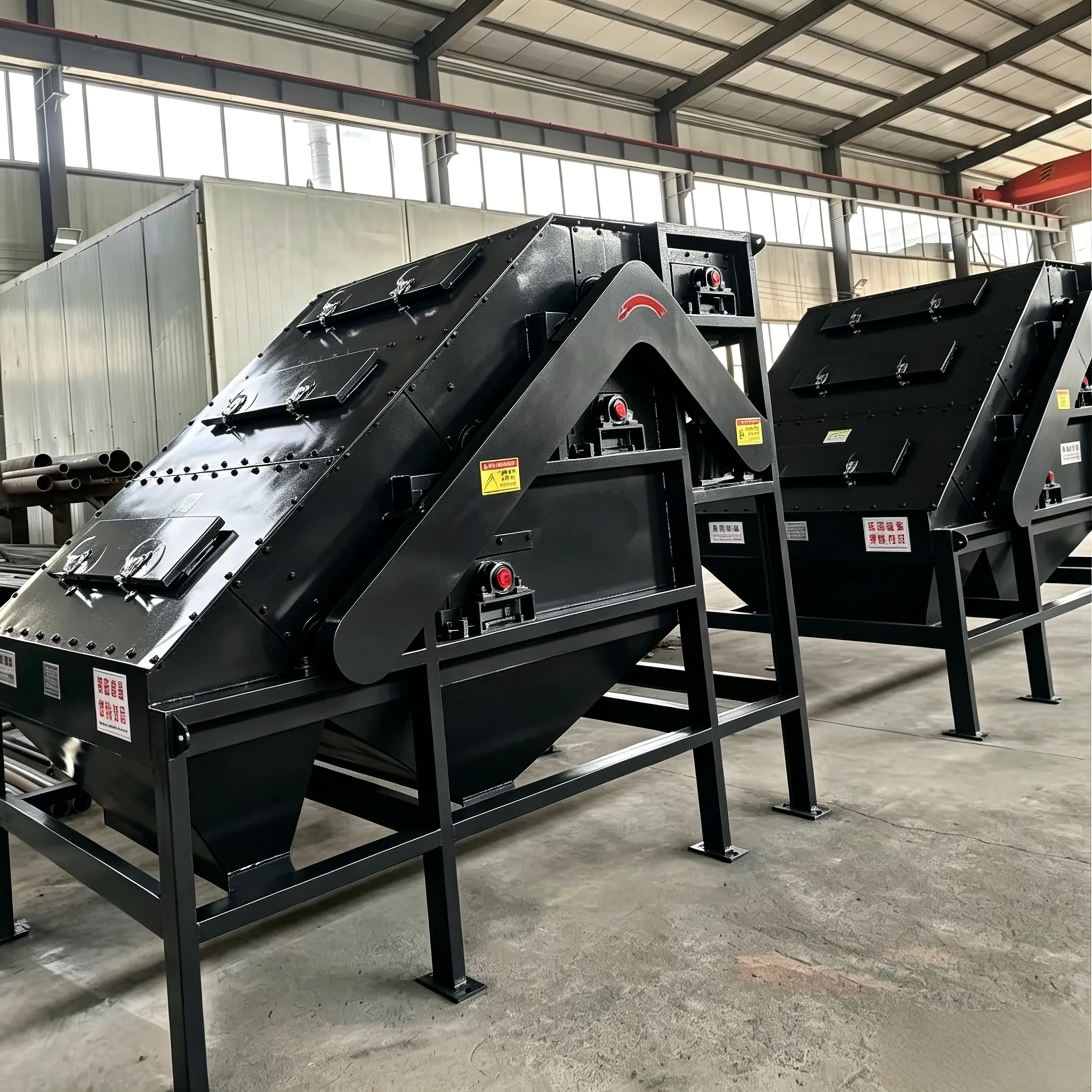
고구배 자력 분리기
고구배 자력 분리기 제작. 고구배 자력 분리기의 분리 원리는…

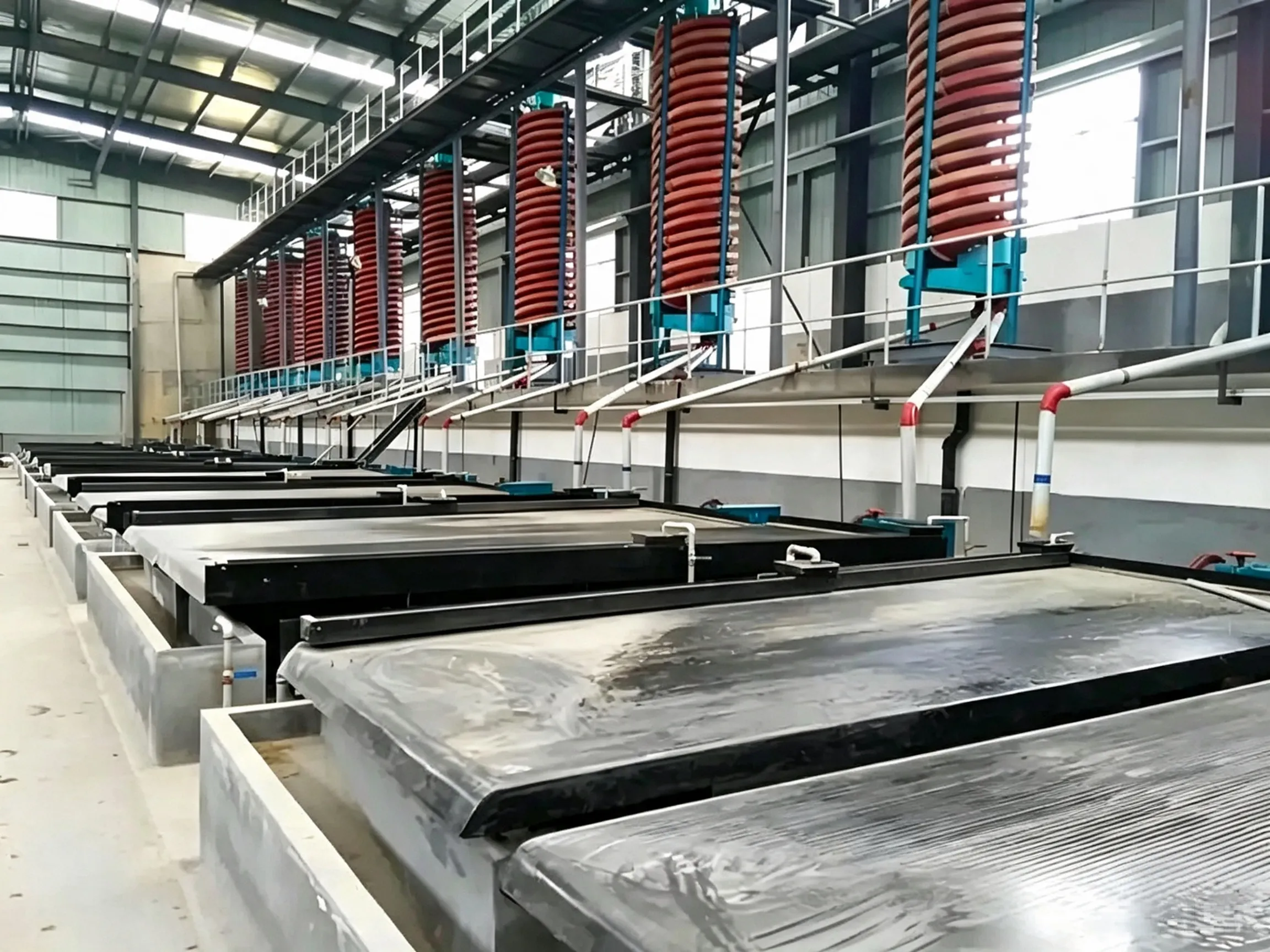
니켈-몰리브덴 광석에 대한 효율적인 선광 기술
기술 분야
The present invention belongs to the field of mineral processing technology, and particularly relates to an efficient beneficiation technology for complex, refractory nickel–molybdenum ore of black shale series.
배경 아트
Nickel–molybdenum ores are widely distributed in Guizhou, Hunan, Hubei and other provinces. The metallogenic belt extends for 180 km with a width of about 40 km and contains astonishing reserves. Exploration results from the Hunan Nonferrous Geological Survey Bureau show that in the Zhangjiajie area of Hunan alone, the nickel metal reserves reach 3 million tonnes and molybdenum metal reserves about 2 million tonnes. This ore is a special complex polymetallic mineral resource, containing rare and precious metals such as Ni, Mo, V, W, abundant gold, silver, platinum group metals, and rare earth metals. Due to its special composition and structure, nickel and molybdenum in the ore are mainly hosted in an amorphous colloidal carbonaceous sulfide. The complex occurrence state of elements and the similar interfacial properties among different minerals make beneficiation enrichment and metallurgical extraction difficult.
To date, research on nickel–molybdenum ore beneficiation outside China is almost nonexistent. Only Canadian company Ateba’s patent No. PN6026965 mentions that flotation of polymetallic minerals from black shale series is quite difficult and conventional methods cannot handle them effectively. They used suspension dispersion and high‑efficiency settling technology to treat the ore with some success. In China, many years of research have been conducted on the beneficiation of nickel–molybdenum ores, but no effective technical solution has yet been developed. Many research institutes have carried out a series of studies on these ores, and the conclusions indicate that under conventional grinding and flotation conditions, the nickel and molybdenum grades of the froth product and the tailings are not significantly different. Even when a concentrate of certain grade is obtained, the recovery is very low. Subsequently, some researchers tried gravity pre‑concentration, selective flocculation, and other pre‑treatment methods, but no substantial progress was achieved, and the recovered products still could not meet the requirements for qualified metallurgical feed in a combined beneficiation‑metallurgy process.
발명의 개요
The object of the present invention is to address the problems of difficulty in removing organic carbon from nickel–molybdenum ores and the low grade and low recovery of products obtained by existing beneficiation technologies, and to provide a technology that can effectively remove organic carbon and efficiently recover nickel and molybdenum by flotation.
The technical solution of the present invention mainly comprises the following steps:
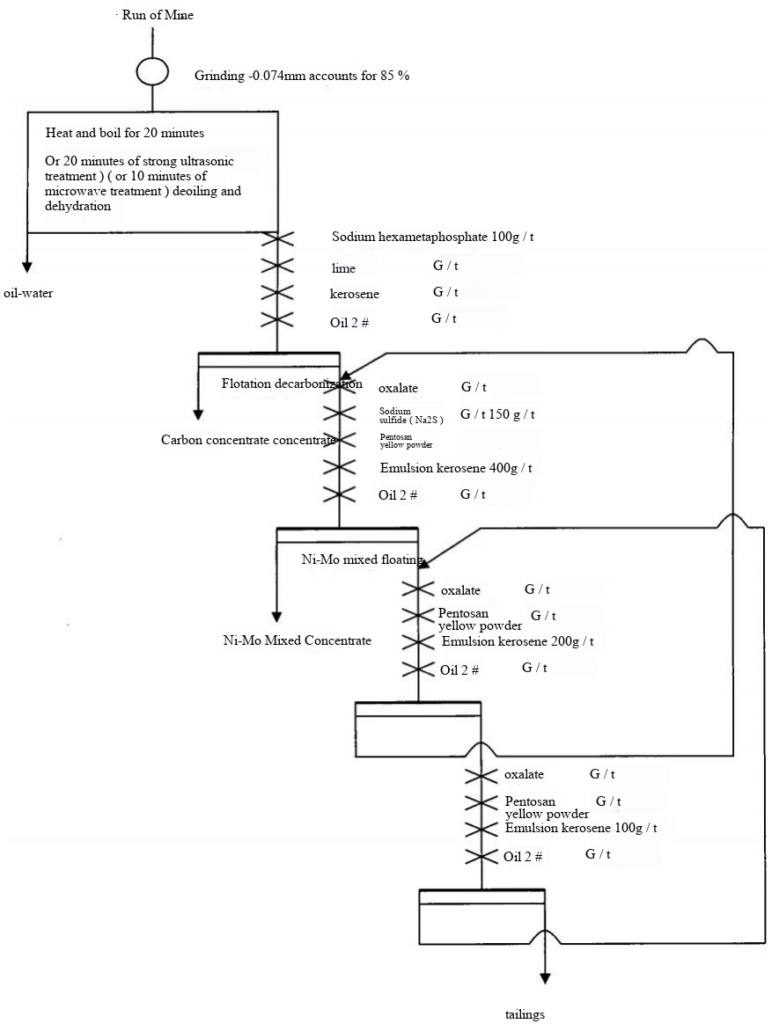
a. Crush and grind the ore to a fineness of –0.074 mm occupying 50%–90%, preferably 85%.
b. Intense physical field pre‑treatment for decarbonization: Add fresh water to adjust the pulp density to 10%–50%, preferably 30%; pre‑treat the pulp with one of three intense physical fields (thermal field, ultrasound, or microwave), then float for decarbonization.
c. Pulp conditioning and activation: Adjust the pulp density of the pre‑treated pulp to 20%–50%, preferably 30%; add 10–1000 g/t copper sulfate, 10–6000 g/t oxalic acid, sodium carbonate, or ammonium bicarbonate as activators, used singly or in combination; then add 50–2000 g/t sodium sulfide.
d. Flotation to collect nickel–molybdenum ore: Add 10–2000 g/t kerosene or 10–800 g/t xanthate as collector, and 10–200 g/t No. 2 oil as frother, and float to recover nickel and molybdenum; the kerosene and xanthate can be used singly or in combination.
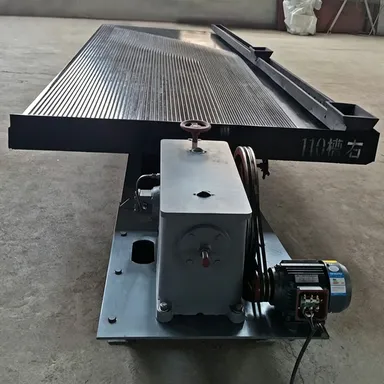
When the ore contains high slime content, a shaking table desliming step is performed after grinding and before the intense physical field pre‑treatment; if the slime content is low, this step may be omitted.
The thermal field pre‑treatment refers to heating the pulp to 80–100 °C and boiling for 10–30 minutes, then allowing it to stand for 5–20 minutes before decanting the supernatant. Preferably, the pulp is heated to 100 °C, boiled for 20 minutes, allowed to stand for 20 minutes, and the supernatant is decanted.
The ultrasound pre‑treatment refers to treating the pulp in a high‑intensity ultrasound field with a frequency of 20–100 kHz, sound intensity greater than 2 W/cm², and power of 90–3000 W for 5–120 minutes, then allowing it to stand for 5–20 minutes before decanting the supernatant. Preferably, the pulp is treated with strong ultrasound at a frequency of 50 kHz, sound intensity of 10 W/cm², and power of 400 W for 20 minutes, allowed to stand for 8 minutes, and the supernatant is decanted.
The microwave pre‑treatment refers to treating the pulp in microwave radiation with a frequency of 3×10⁹–3×10¹² Hz and power of 30–5000 W for 5–120 minutes. Preferably, the pulp is treated with microwave radiation at a frequency of 2450 MHz and power of 2000 W for 10 minutes, allowed to stand for 10 minutes, and the supernatant is decanted.
The flotation decarbonization refers to dispersing the pulp with 10–1000 g/t sodium hexametaphosphate, adding 100–10000 g/t lime to depress nickel and molybdenum, and then floating with 10–1000 g/t kerosene for decarbonization. Preferably, the sodium hexametaphosphate dosage is 100 g/t, the lime dosage is 2000 g/t, and the kerosene dosage is 500 g/t.
When activators are used singly, the preferred dosage of copper sulfate is 300 g/t, oxalic acid 800 g/t, sodium carbonate 1000 g/t, and ammonium bicarbonate 800 g/t.
The four activators are preferably added according to one of the following six combinations: oxalic acid + copper sulfate; sodium carbonate + copper sulfate; ammonium bicarbonate + copper sulfate; oxalic acid + sodium carbonate + copper sulfate; oxalic acid + ammonium bicarbonate + copper sulfate; oxalic acid + sodium carbonate + ammonium bicarbonate + copper sulfate.
The kerosene is preferably emulsified or sulfonated kerosene, added at 700 g/t; the xanthate is preferably a xanthate with 3–6 carbon atoms, added at 280 g/t; the No. 2 oil is preferably added at 60 g/t.
Advantages of the Invention
Using the technical solution of the present invention to treat low‑grade nickel–molybdenum ore containing 0.5–2% Ni and Mo, a bulk nickel–molybdenum concentrate with a combined grade of 5–8% and a recovery greater than 75% can be obtained, which fully meets the requirements for metallurgical feed in a combined beneficiation‑metallurgy process. This effectively solves the current problems of difficult organic carbon removal and low nickel–molybdenum recovery from refractory black shale series nickel–molybdenum ores, and provides a new approach for the efficient utilization of China’s low‑ and medium‑grade nickel–molybdenum ore resources.
Brief Description of the Drawing
Figure 1 is a process flow diagram of the present invention.
실시예에 대한 상세한 설명
The following further description is given with reference to embodiments. These embodiments are intended to better illustrate the present invention and are not intended to limit its scope.
Example 1: Thermal treatment decarbonization and flotation
A refractory black shale series nickel–molybdenum ore containing 0.8% Ni and 0.5% Mo was crushed and ground to –0.074 mm occupying 85%. Fresh water was added to adjust the pulp density to 30%, and the pulp was heated to 100 °C and boiled for 20 minutes. After standing for 20 minutes, the supernatant was decanted. The pulp was concentrated to 30%, and 100 g/t sodium hexametaphosphate was added as dispersant, 2000 g/t lime to depress Ni and Mo, and 500 g/t kerosene as collector, with 60 g/t No. 2 oil as frother; decarbonization flotation was carried out in an aerated flotation machine. Then 800 g/t oxalic acid and 500 g/t sodium sulfide were added as activators, and 700 g/t emulsified kerosene and 280 g/t amyl xanthate were used for flotation collection of Ni–Mo. Through a small‑scale closed‑circuit test comprising one roughing and two scavenging stages, a bulk Ni–Mo concentrate with Ni and Mo grades greater than 5% and 6%, respectively, and recoveries above 75% was obtained. Results are shown in Table 1.
Example 2: Intense ultrasound pre‑treatment decarbonization and flotation
A refractory black shale series nickel–molybdenum ore containing 0.8% Ni and 0.5% Mo was crushed and ground to –0.074 mm occupying 85%. Fresh water was added to adjust the pulp density to 30%, and the pulp was treated in a high‑intensity ultrasound field at a frequency of 50 kHz, sound intensity of 10 W/cm², and power of 400 W for 20 minutes. After standing for 8 minutes, the supernatant was decanted. The pulp was concentrated to 30%, and 100 g/t sodium hexametaphosphate was added as dispersant, 2000 g/t lime to depress Ni and Mo, 500 g/t kerosene as collector, and 60 g/t No. 2 oil as frother; decarbonization flotation was carried out in an aerated flotation machine. Then 800 g/t oxalic acid and 500 g/t sodium sulfide were added as activators, and 700 g/t emulsified kerosene and 280 g/t amyl xanthate were used for flotation collection of Ni–Mo. Through a small‑scale closed‑circuit test comprising one roughing and two scavenging stages, a bulk Ni–Mo concentrate with Ni and Mo grades of 5.68% and 7.88%, respectively, and recoveries of 77.53% for Ni and 76.72% for Mo was obtained.
Example 3: Microwave pre‑treatment decarbonization and flotation
A refractory black shale series nickel–molybdenum ore containing 0.8% Ni and 0.5% Mo was crushed and ground to –0.074 mm occupying 85%. Fresh water was added to adjust the pulp density to 30%, and the pulp was treated in microwave radiation at a frequency of 2450 MHz and power of 2000 W for 10 minutes. After standing for 10 minutes, the supernatant was decanted. The pulp was concentrated to 30%, and 100 g/t sodium hexametaphosphate was added as dispersant, 2000 g/t lime to depress Ni and Mo, 500 g/t kerosene as collector, and 60 g/t No. 2 oil as frother; decarbonization flotation was carried out in an aerated flotation machine. Then 800 g/t oxalic acid and 500 g/t sodium sulfide were added as activators, and 700 g/t emulsified kerosene and 280 g/t amyl xanthate were used for flotation collection of Ni–Mo. Through a small‑scale closed‑circuit test comprising one roughing and two scavenging stages, a bulk Ni–Mo concentrate with Ni and Mo grades of 6.52% and 7.95%, respectively, and recoveries of 86.47% for Ni and 88.32% for Mo was obtained.
예 4
Activators used: 500 g/t oxalic acid + 300 g/t copper sulfate. Other steps were the same as in Example 1. Test data are shown in Table 1.
예 5
Activators used: 800 g/t ammonium bicarbonate + 300 g/t copper sulfate. Other steps were the same as in Example 1. Test data are shown in Table 1.
예 6
Activators used: 500 g/t oxalic acid + 500 g/t ammonium bicarbonate + 300 g/t copper sulfate. Other steps were the same as in Example 1. Test data are shown in Table 1.
예 7
Activator used: 1000 g/t sodium carbonate (alone). Other steps were the same as in Example 1. Test data are shown in Table 1.
Table 1 Test data of thermal treatment decarbonization – flotation recovery of Ni–Mo ore
| 예시 | Ni grade in concentrate (%) | Ni recovery (%) | Mo grade in concentrate (%) | Mo recovery (%) |
|---|---|---|---|---|
| 1 | 5.12 | 75.23 | 7.56 | 76.12 |
| 4 | 5.34 | 77.01 | 7.66 | 79.78 |
| 5 | 5.68 | 75.60 | 7.51 | 76.89 |
| 6 | 6.01 | 75.42 | 7.00 | 76.01 |
| 7 | 5.10 | 76.87 | 6.01 | 78.32 |
 English English
 Spanish
 Russian
 Arabic
 Swahili
 French
 Turkish
 Portuguese
 Korean
 Japanese
 German
 Italian