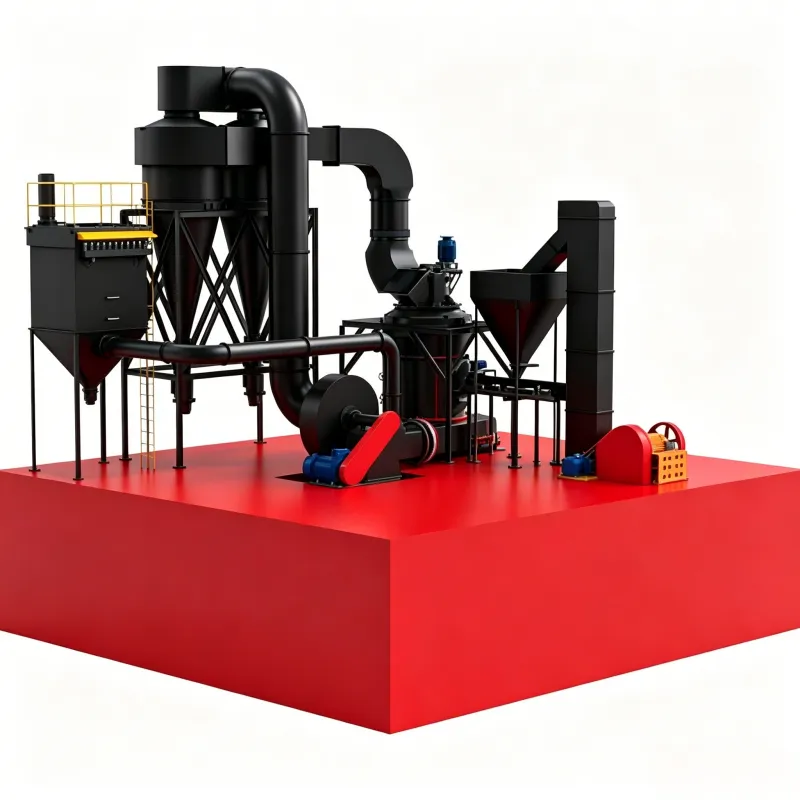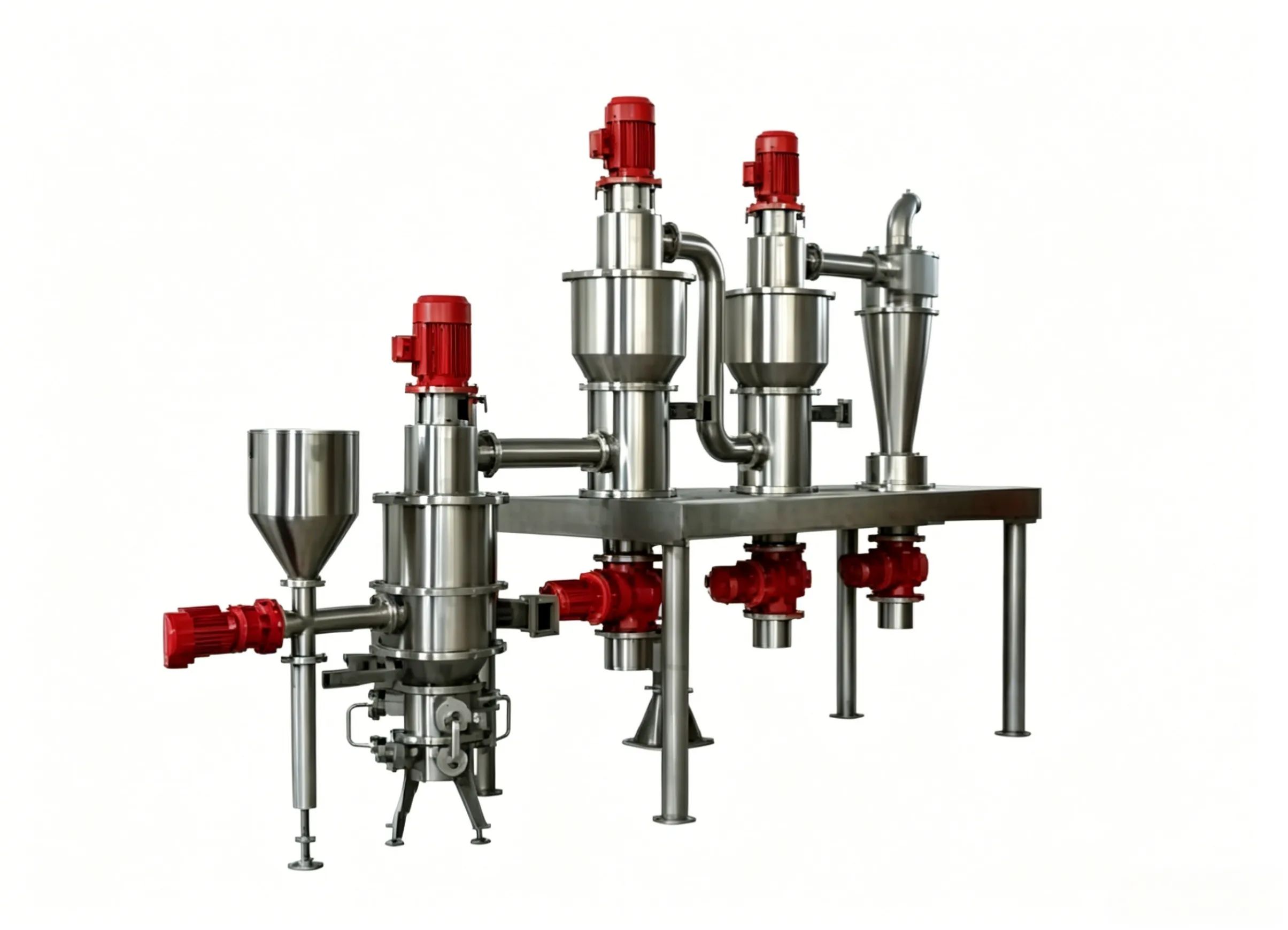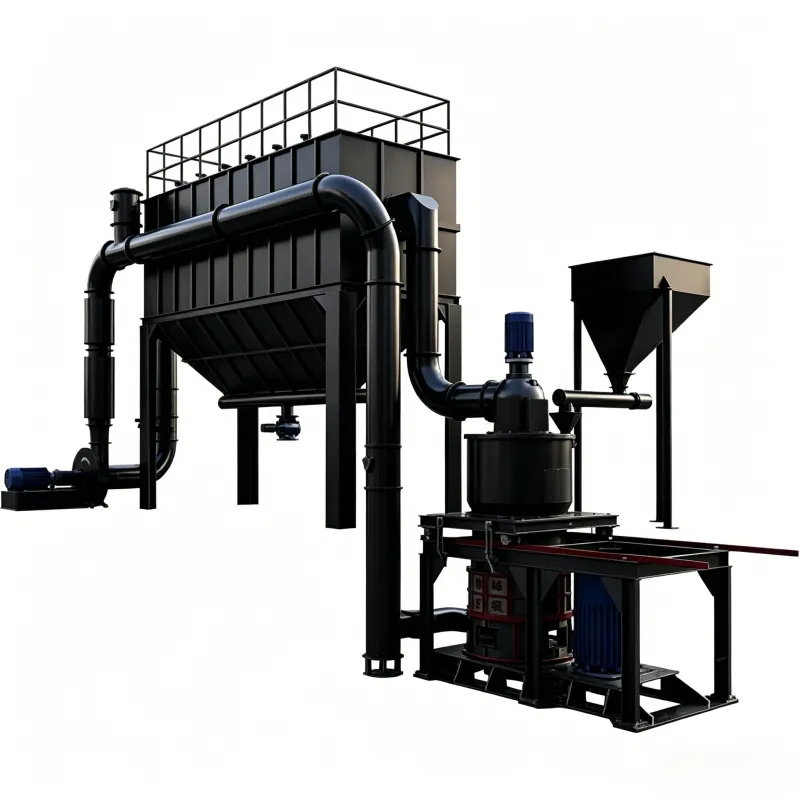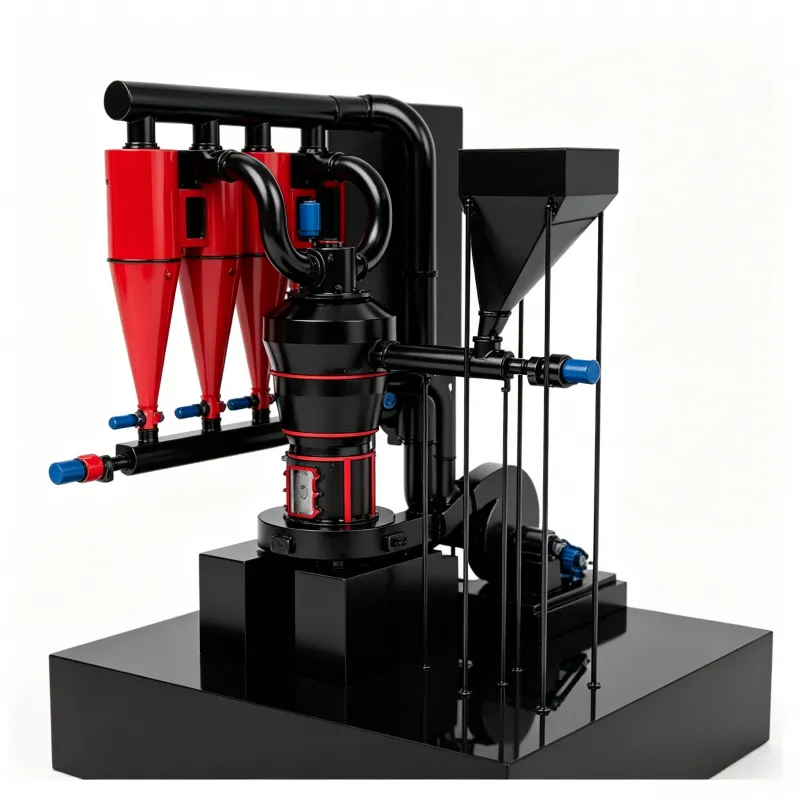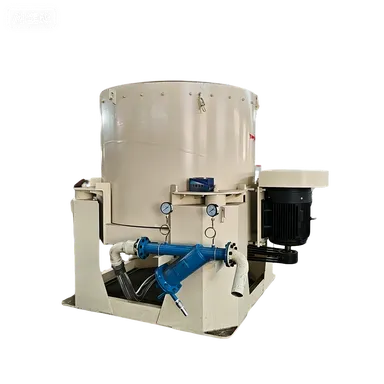
원심 농축기
원심 농축기 – 고효율 미세 입자 중력 농축기 제품 개요 원심 농축기는…


Grinding system automation should not only focus on whether the equipment is operating normally, but also on grinding fineness, throughput, and the subsequent flotation performance. Only by combining PLC/DCS control with process indices can it truly play its role.
1. Coordination between feed rate and throughput
The feed rate is an important factor affecting the mill load. Through means such as variable-frequency feeding and load monitoring, feed fluctuations can be reduced, and stable throughput can be maintained within the range permitted by equipment capacity and process requirements.
2. Coordination between water addition control and pulp density
Water addition in grinding not only affects the pulp density but also affects pulp flow and subsequent classification. The control system can coordinate and adjust based on detection data such as flow rate and density, but the specific setpoints need to be determined in combination with ore properties and on-site processes.
3. Coordination between grinding and cyclone classification
The mill and the cyclone form a circulating system. During control, the mill load, pump sump level, cyclone pressure, and classification performance should be comprehensively considered to avoid adjusting a single parameter while causing fluctuations in other stages.
4. Use grinding fineness to verify the control effectiveness
Stable equipment current, pressure, and flow rate do not mean that the grinding fineness is definitely up to standard. Online particle size analysis or regular sampling and assaying should be combined to determine whether the control measures have truly improved the process indices.
 English English
 Spanish
 Russian
 Arabic
 Swahili
 French
 Turkish
 Portuguese
 Korean
 Japanese
 German
 Italian