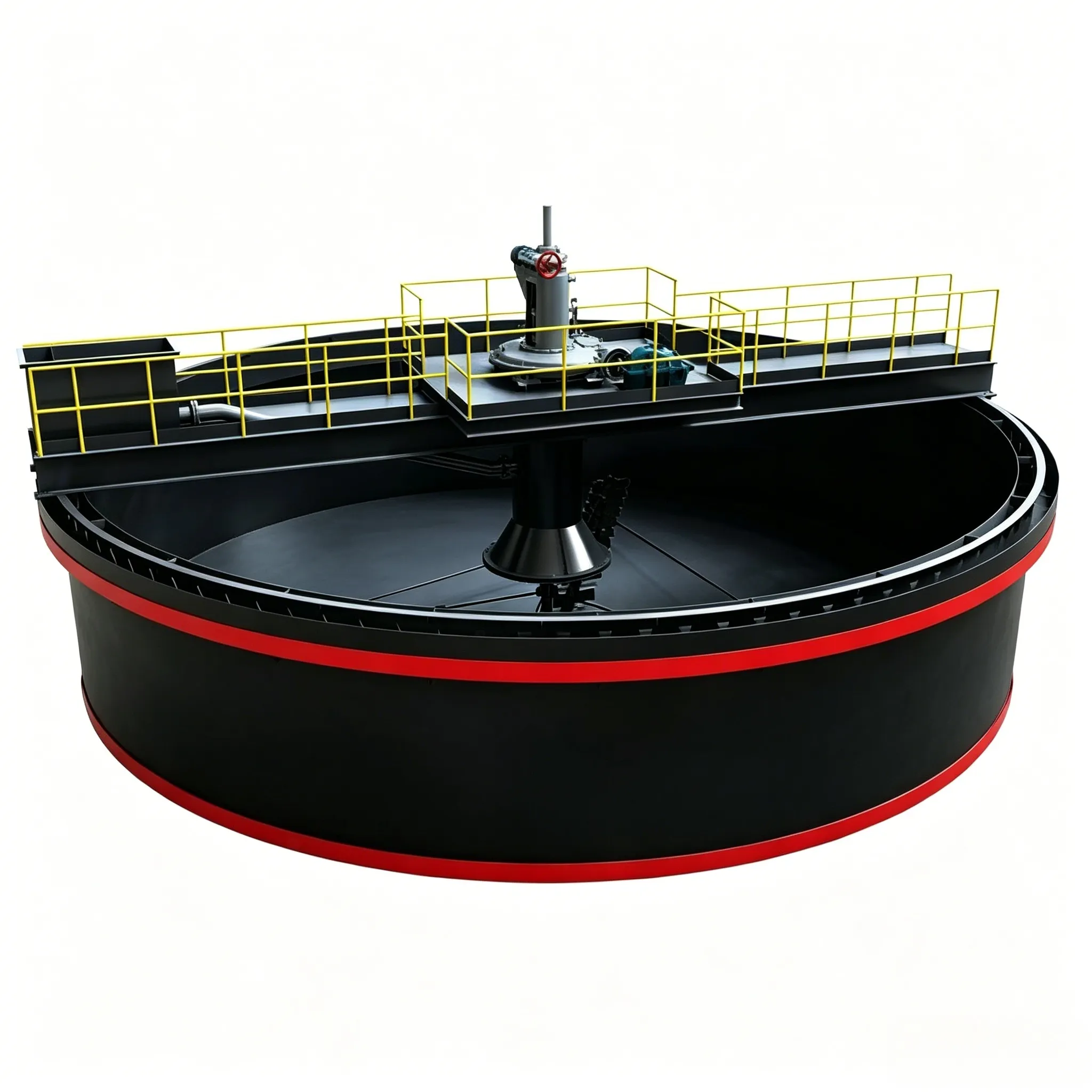
Espessante de alta eficiência
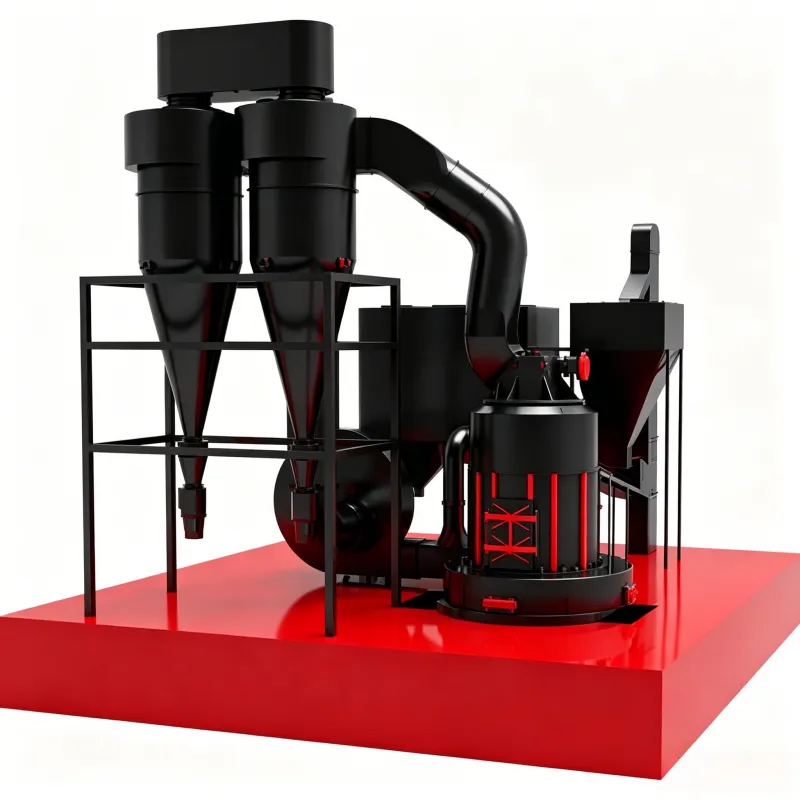
Espessador de alta eficiência O espessador de alta eficiência é um novo tipo de equipamento de espessamento…

Área Técnica
The present invention relates to a preparation method for a flotation collector used in a fluorite concentrator, and specifically to a method for preparing a fluorite flotation collector using crude fatty acid or mixed fatty acid, which are intermediate products in the production of oleic acid and are commonly used as fluorite flotation collectors in current fluorite flotation plants, as basic raw materials.
Arte de fundo
At present, oleic acid is widely used as a flotation collector in fluorite concentrators both domestically and internationally. Oleic acid can be produced using edible oils as raw materials, but due to the high price and limited resources of edible oils, some manufacturers have switched to using soapstock or acidified oil as raw materials for oleic acid production in recent years. Here, soapstock refers to the by-product generated during the processing of edible animal and vegetable oils in oil mills, i.e., the emulsified layer and sediment remaining after the finished oil is removed; acidified oil refers to the mixture of fatty acids and unhydrolyzed oil obtained after preliminary acidification and hydrolysis of soapstock, with an acid value of 110~130 (mg KOH/g sample).
The general process for preparing oleic acid is as follows: raw soapstock or acidified oil is hydrolyzed under acidic or alkaline conditions to produce crude fatty acids; after the water layer is removed from the crude fatty acids, they are dried, dehydrated, and distilled to produce mixed fatty acids accounting for about 85% of the crude fatty acid amount, while a by-product of still bottoms is also produced; the mixed fatty acids are then subjected to freezing and pressing to produce the final product, oleic acid, whose yield accounts for about 65% to 75% of the mixed fatty acids, with solid acid being produced as a by-product.
As can be seen from the above production process, the production cycle of oleic acid is long, the energy consumption for distillation and freezing pressing is high, and two low‑value by‑products (distillation residue and solid acid) are produced. The proportion of the final oleic acid product to the initial intermediate crude fatty acid is only about 50% to 65%, which makes oleic acid expensive and thus increases the production cost for fluorite flotation plants that use it. Moreover, due to imperfect freezing pressing in some plants, oleic acid containing more solid acids is often produced. When such oleic acid is used as a fluorite flotation collector, the flotation performance significantly deteriorates under low‑temperature conditions, and the collecting ability declines sharply.
Resumo da invenção
The object of the present invention is to provide a preparation method for a fluorite flotation collector with low production cost, strong collecting ability, and suitability for low‑temperature flotation, in view of the above‑mentioned problems existing in oleic acid production and its application in fluorite flotation.
The preparation method for the fluorite flotation collector according to the present invention is carried out according to the following process and steps: using crude fatty acid or mixed fatty acid, which are intermediate products in oleic acid production, as raw materials, having an acid value greater than 165 mg KOH/g sample and an unsaturated acid content >80%; adding concentrated sulfuric acid in an amount of 3% to 15% by weight of the fatty acid, controlling the reaction temperature at 20°C to 40°C, with a reaction time of 40 to 90 minutes; after the sulfation reaction is completed, washing, allowing to stand, separating the water layer, then adding a flotation frother in an amount of 0.4% to 3% by weight of the fatty acid, and mixing evenly to obtain the finished product.
In the preparation method for the fluorite flotation collector provided by the present invention, the optimum amount of concentrated sulfuric acid added is 5% to 8% by weight of the fatty acid. If the amount added is too high, the frothing ability of the finished product becomes too strong and the selectivity decreases; if the amount is too low, the sulfation reaction is insufficient. The amount of flotation frother added is preferably 0.5% to 1% by weight of the fatty acid. If the amount added is too high, the frothing property is too strong and the selectivity becomes poor; if the amount is too low, the collecting performance of the reagent is reduced.
The flotation frother added may be one of alcohols such as terpene alcohol, polyglycol ethers such as polypropylene glycol ether, or alkanes such as triethoxybutane, or other frothers with similar properties to the above types, all of which are well known to those skilled in the art. It is preferred to use No. 2 flotation oil (alcohol type, the main component and effective component being terpene alcohol), which is widely available on the market.
Compared with the oleic acid production method, the preparation method for the fluorite flotation collector provided by the present invention has the following advantages:
(1) There is no need to discharge low‑value by‑products, thus maximizing the utilization of raw materials and reducing production costs.
(2) Compared with the oleic acid preparation process, the processing technology of the fluorite flotation agent produced by the present invention replaces the long production cycle of drying, dehydration, distillation, and freezing pressing required for oleic acid with a 40‑ to 90‑minute sulfation reaction, significantly reducing energy consumption and thus lowering costs.
(3) The sulfation treatment causes part of the unsaturated fatty acids in the raw material to undergo a sulfation reaction. The sulfated products introduce sulfate groups, which can enhance the adsorption of the reagent onto the ore, thereby increasing the collecting performance of the reagent. The sulfated products have good water solubility. Together with the low‑melting‑point frother, they are incorporated into the fatty acid molecular arrangement, improving the emulsification and dispersion of the reagent in the pulp, increasing its coverage on the mineral surface, and thus substantially enhancing the collecting ability of the reagent.
(4) The fluorite flotation collector prepared by the present method has improved emulsification and dissolution properties, as well as good water solubility and dispersibility, making it suitable for fluorite flotation at normal or low temperatures.
The method provided by the present invention is described in further detail below with reference to the following examples.
Exemplo 1
Using crude fatty acid or mixed fatty acid, an intermediate product in oleic acid production, as the raw material in an amount of 100 g, with an acid value greater than 165 mg KOH/g sample and an unsaturated acid content of 80.0%, 3 g of concentrated sulfuric acid was added under continuous stirring. The reaction temperature was controlled within the range of 35°C to 40°C using cooling water. After the addition of concentrated sulfuric acid, stirring was continued for a total of 40 minutes. Then, 20 g of tap water was added, stirred for washing for 1 minute, and allowed to stand for 1‑2 hours. After good layering, the water layer was separated, and 3 g of No. 2 flotation oil (frother) was added, followed by mixing evenly to obtain the product.
Exemplo 2
Process conditions: The amount of raw fatty acid used was 100 g, with an acid value greater than 175 mg KOH/g sample and an unsaturated fatty acid content of 85%; the sulfation reaction temperature was in the range of 30°C to 35°C; the sulfation reaction time was 60 minutes; the amount of concentrated sulfuric acid added was 7 g; the amount of No. 2 flotation oil (frother) added was 1 g. The process steps were the same as in Example 1.
Exemplo 3
Process conditions: The amount of raw fatty acid used was 100 g, with an acid value greater than 180 mg KOH/g sample and an unsaturated fatty acid content of 88.5%; the sulfation reaction temperature was in the range of 20°C to 30°C; the sulfation reaction time was 90 minutes; the amount of concentrated sulfuric acid added was 15 g; the amount of flotation frother added was 0.4 g. The process steps were the same as in Example 1.
Example 4
Process conditions: The amount of raw fatty acid used was 100 g; the amount of concentrated sulfuric acid added was 8 g; the amount of No. 2 flotation oil (frother) added was 0.5 g. Other process conditions were the same as in Example 2. The process steps were the same as in Example 1.
Example 5
Process conditions: The amount of raw fatty acid used was 100 g; the amount of concentrated sulfuric acid added was 5 g; the amount of No. 2 flotation oil (frother) added was 0.8 g. Other process conditions were the same as in Example 2. The process steps were the same as in Example 1.
Example 6
The flotation frother added was triethoxybutane. Other process conditions were the same as in Example 2. The process steps were the same as in Example 1.
Example 7
The flotation frother added was polypropylene glycol ether. Other process conditions were the same as in Example 2. The process steps were the same as in Example 1.
The equipment used in the preparation method of the fluorite flotation collector of the present invention is conventional equipment well known to those skilled in the art.
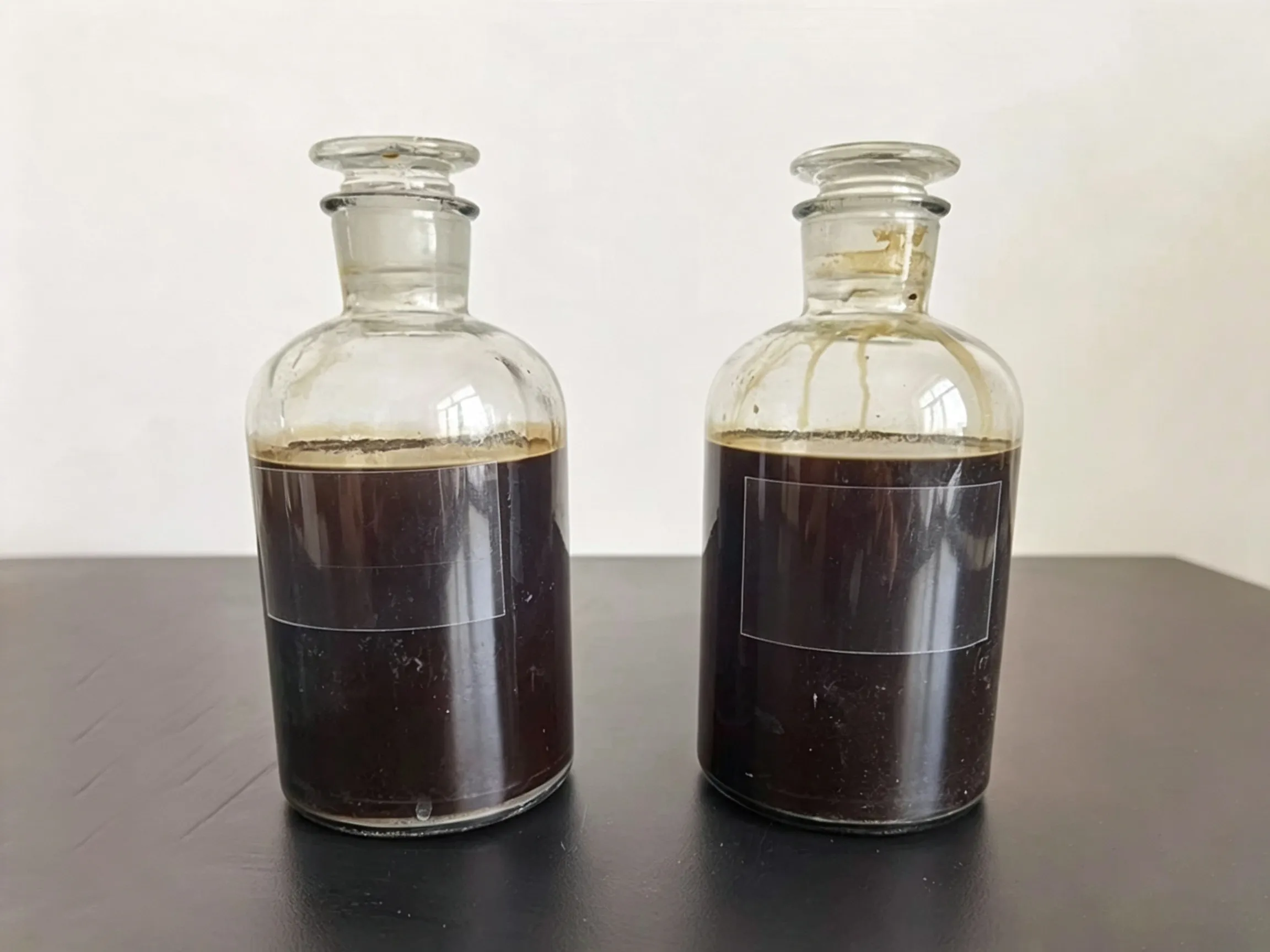
The fluorite flotation collector prepared by the present method has a solidification point in the range of 14°C to 20°C and an acid value between 170 and 200 mg KOH/g sample. The product mostly retains the properties of the raw fatty acid. Depending on the amount of acid added, 1/3 to 1/4 of the product undergoes a sulfation reaction with the concentrated sulfuric acid to form sulfated products and their hydrolysis products R‑CH=CH‑(CH₂)ₙ‑COOH. Therefore, the product is a mixture of fatty acids, sulfated products of unsaturated fatty acids and their hydrolysis products, and a flotation frother, and appears as a viscous oily liquid at room temperature.

 English English
 Spanish
 Russian
 Arabic
 Swahili
 French
 Turkish
 Portuguese
 Korean
 Japanese
 German
 Italian