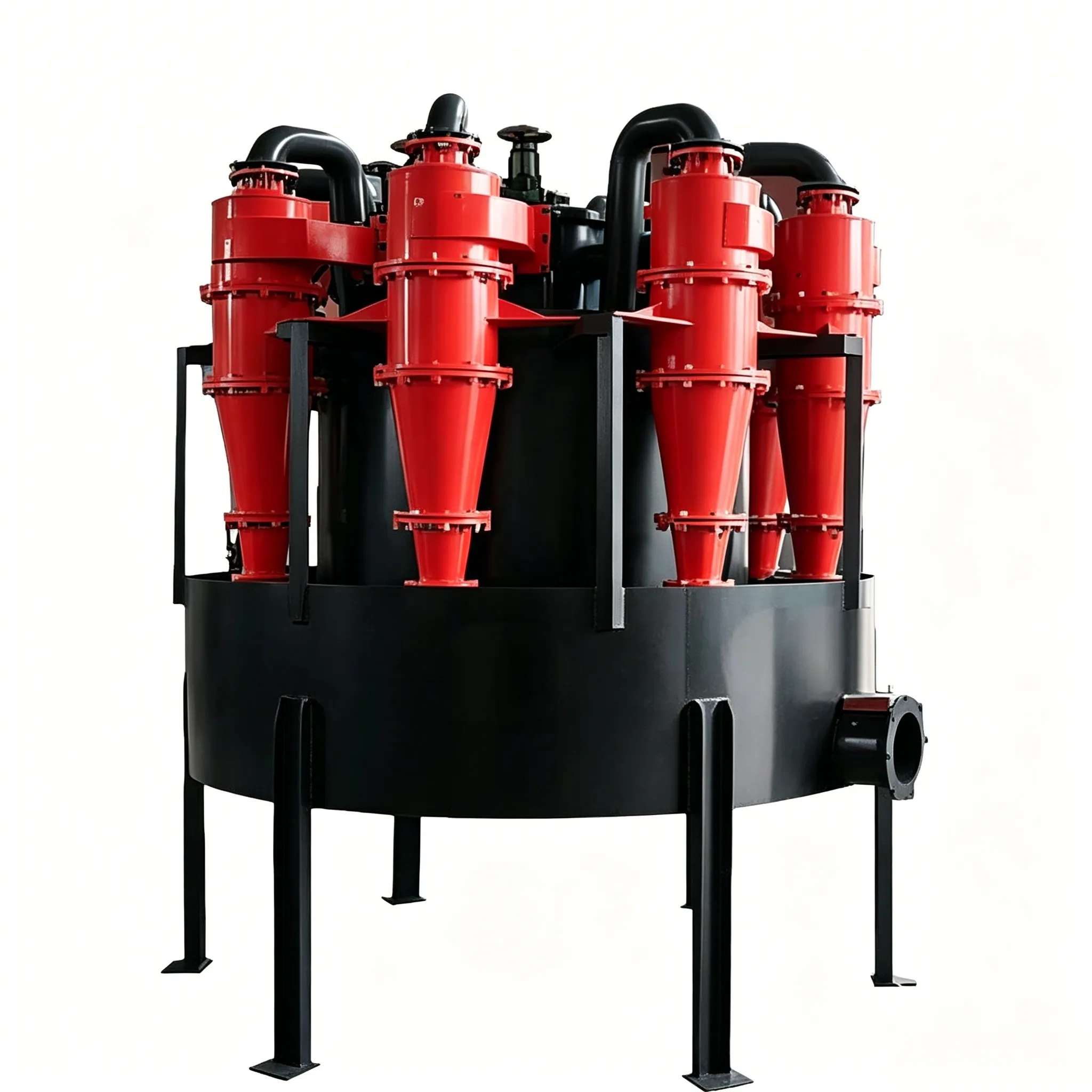
Гидроциклон
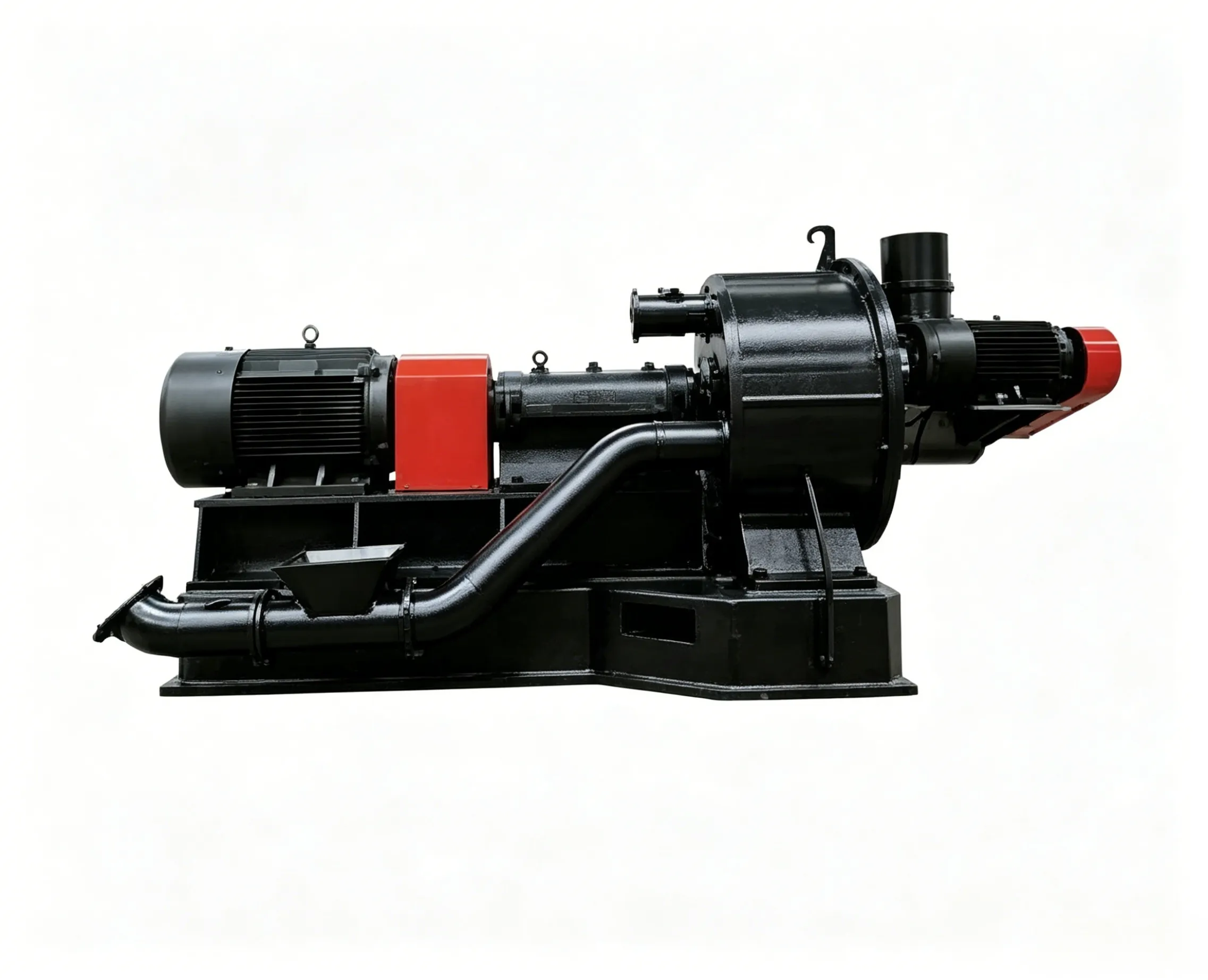
Гидроциклон Гидроциклон - это устройство, использующее центробежную силу для классификации...

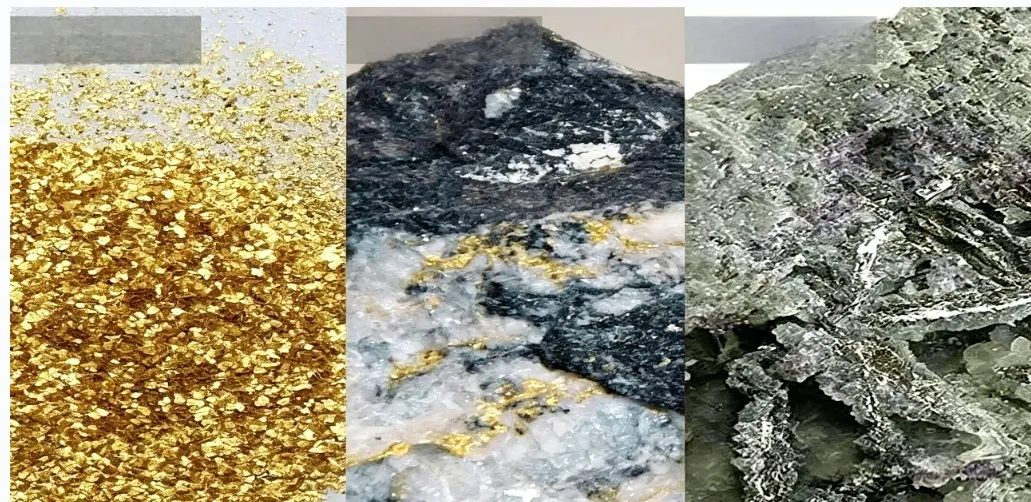
Gold mines come in many types, including placer gold mines, quartz vein gold mines, gold sulfide mines, gold oxide mines, and high-arsenic, high-sulfur gold mines. Different types of gold mines vary significantly in their beneficiation processes and production costs.
I. Quick Reference Table for 9 Types of Gold Ore Beneficiation Processes
Characteristics: Gold is liberated, density is much higher than gangue, ore is loose, containing a large amount of gravel.
Process: Screening → Desliming → Jigging/Spiral Conveyor → Shaking Table → Heavy Placer Gold
Cost: Extremely low cost (<10 RMB/ton), recovery rate 85%-95%, investment 5-10 million RMB/10,000 tons
Characteristics: Gold is found in quartz veins, often associated with pyrite, gold grain size varies greatly (coarse visible gold to fine grains).
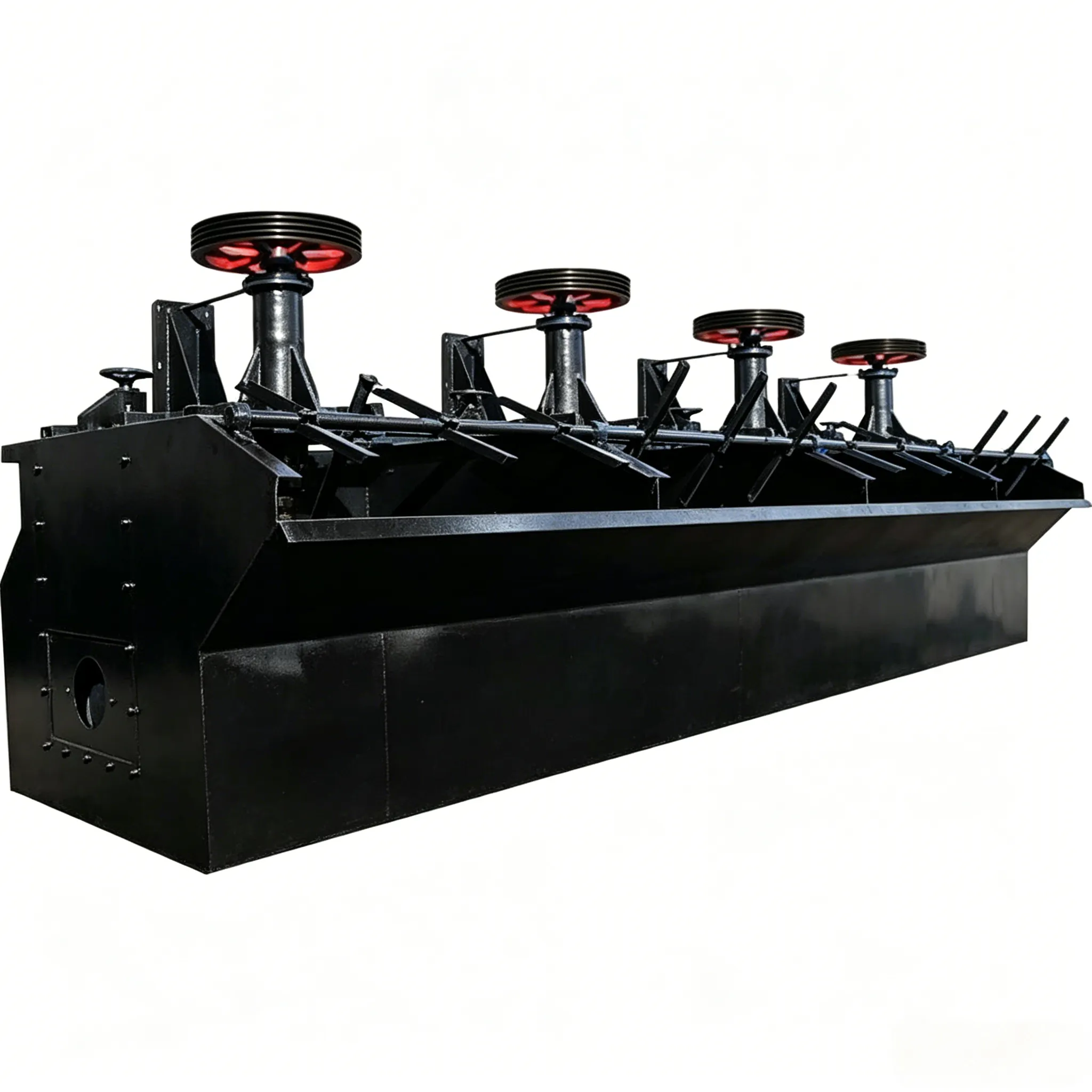
Process: For coarse visible gold (>70μm): gravity separation + flotation; for fine gold: pure flotation
Cost: Medium cost (80-120 RMB/ton), recovery rate 85%-95%, investment 30-50 million RMB/10,000 tons
Characteristics: Primary gold ore is weathered and oxidized, with a loose structure and gold exposed on the mineral surface.
Process: Grade <1g/t: heap leaching; Grade >3g/t: whole-sludge cyanidation
Cost: Low/medium cost (30-120 RMB/ton), recovery rate 60%-95%, investment 10-50 million RMB/10,000 tons
Characteristics: Gold is encased in pyrite/arsene, direct cyanidation leaching rate <30%
Process: Flotation → gold concentrate → pretreatment (roasting/pressurization/bacterial oxidation) → cyanidation
Cost: High cost (150-500 RMB/ton), recovery rate 77%-95%, investment 50-250 million RMB/10,000 tons
Characteristics: Gold and arsene coexist, high arsenic content (>0.5%)
Process: Flotation → high-arsenic gold concentrate → arsenic removal pretreatment → cyanidation
Cost: High cost (200-400 RMB/ton), recovery rate 77%-84%, investment 60-100 million RMB/10,000 tons
Characteristics: Contains organic carbon/graphite, which “robs” gold (absorbs dissolved gold).
Process: Flotation → gold concentrate → roasting (500-700℃) → cyanidation, or preferential carbon flotation → gold flotation
Cost: High cost (200-400 RMB/ton), recovery rate 77%-84%, investment 60-100 million RMB/10,000 tons
Characteristics: Gold is associated with copper, lead, and zinc.
Process: Preferential flotation (copper → lead → zinc), gold is enriched in copper and lead concentrates.
Cost: High cost (150-300 RMB/ton), recovery rate 88%-95%, investment 60-100 million RMB/10,000 tons
Characteristics: Gold exists as submicroscopic gold (<0.1μm), gold particles are not visible to the naked eye or microscope.
Process: Chemical oxidation (roasting/hot pressing/bacterial) → cyanidation
Cost: Extremely high cost (300-500 RMB/ton), recovery rate 90%-98%, investment 100-250 million RMB/10,000 tons
Characteristics: Gold and tellurium form tellurium gold ore (AuTe₂), conventional cyanidation is difficult.
Process: Flotation → tellurium gold concentrate → pretreatment (alkali leaching/roasting) → cyanidation
Cost: High cost (200-400 RMB/ton), recovery rate 77%-84%, investment 60-100 million RMB/10,000 tons
II. Common Mistakes and Avoidances
❌ 1. Cyanidation of all gold ore
Cyanidation of placer gold mines wastes costs, resulting in the loss of coarse gold particles through grinding and a surge in the cost of associated copper ore.
Correct: First determine the ore type, then use the corresponding process.
❌ 2. Heap leaching without granulation
With a mud content >20%, granulation is not performed, leading to ore pile compaction, leaching rate <30%, and wasted investment.
Correct: Granulation is mandatory, or whole-mud cyanidation should be used instead.
❌ 3. Direct cyanidation of gold encapsulated in ore
Gold is encapsulated, preventing cyanide contact, resulting in a leaching rate <50% and significant reagent waste.
Correct: Pretreatment (roasting/pressurization/bacterial oxidation) is mandatory. ❌ 4. Neglecting Associated Metals
Copper consumes large amounts of cyanide, drastically increasing costs and wasting copper resources.
Correct: First, recover copper and gold through flotation; this yields the highest overall recovery efficiency.
❌ 5. Neglecting Gold-Stealing Treatment in Carbonaceous Ores
Carbonaceous materials steal gold, resulting in a leaching rate of <30%, rendering the investment worthless.
Correct: Roasting or priority carbon flotation is necessary to eliminate gold stealing.
❌ 6. Neglecting Arsenic Removal in Arsenic-Containing Ores
Arsenic consumes large amounts of cyanide; roasting releases arsenic, polluting the environment.
Correct: Arsenic removal is essential; a reliable arsenic fixation solution is required.