Autogenous Mill
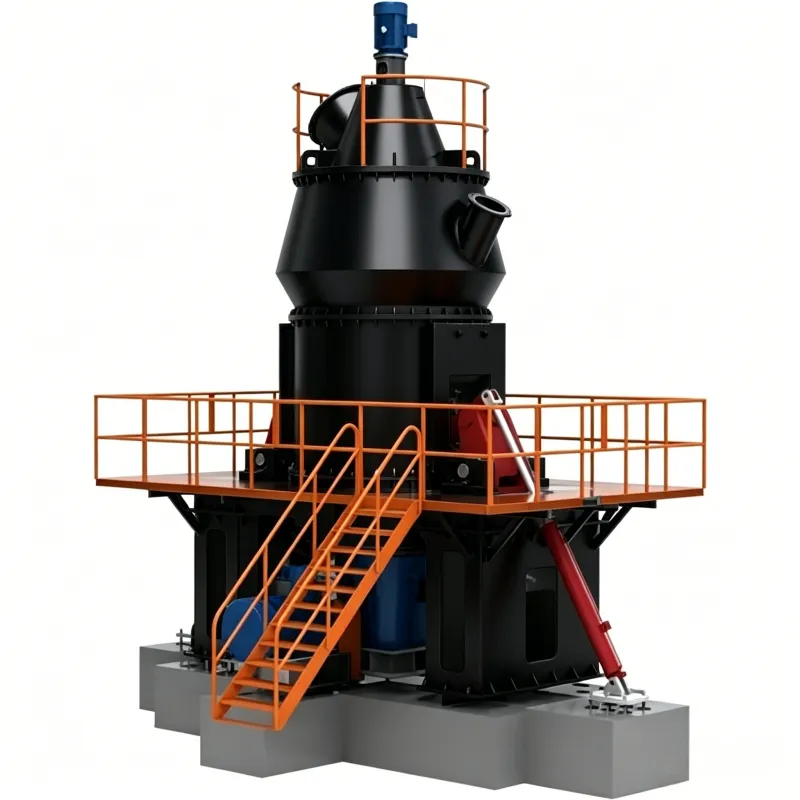
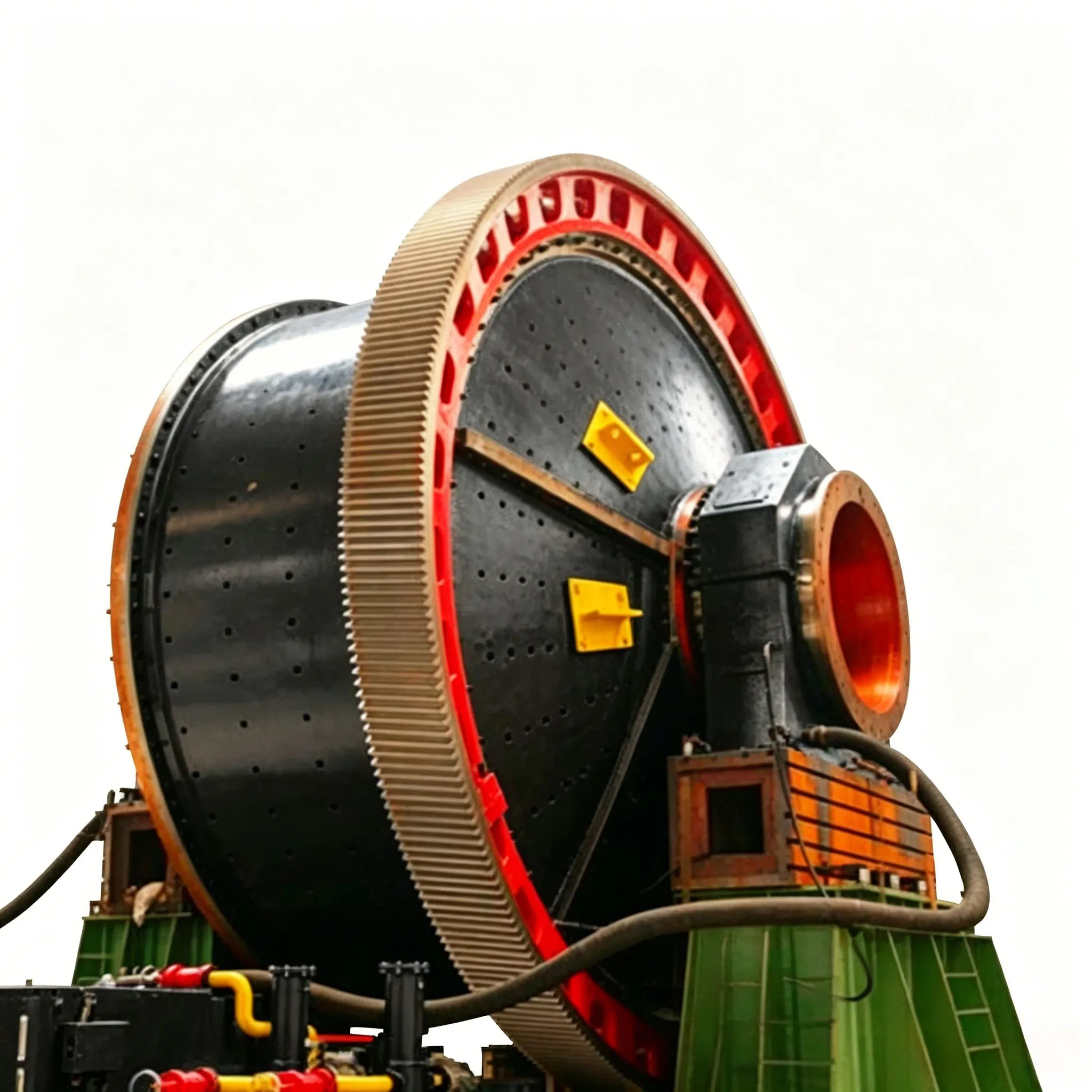
Working Principle of an Autogenous Mill The grinding process of an autogenous…

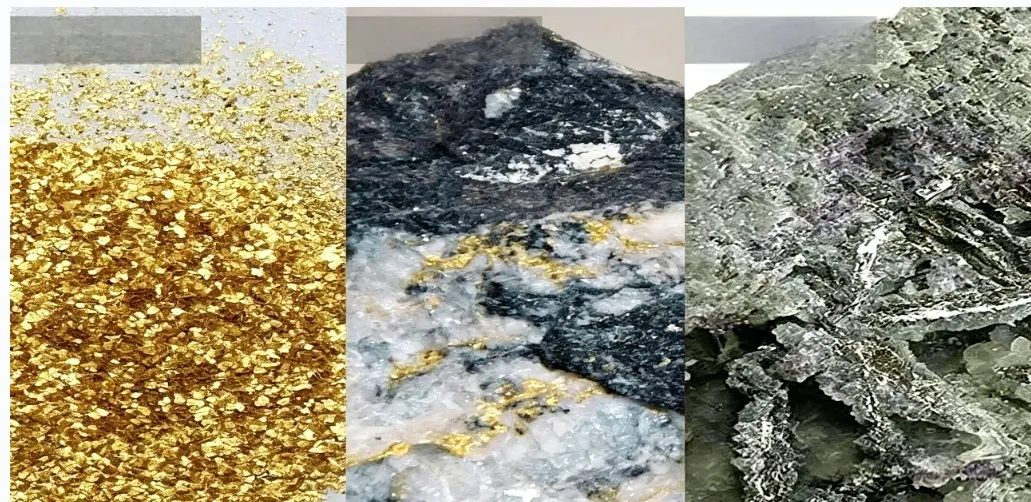
Gold mines come in many types, including placer gold mines, quartz vein gold mines, gold sulfide mines, gold oxide mines, and high-arsenic, high-sulfur gold mines. Different types of gold mines vary significantly in their beneficiation processes and production costs.
I. Quick Reference Table for 9 Types of Gold Ore Beneficiation Processes
Characteristics: Gold is liberated, density is much higher than gangue, ore is loose, containing a large amount of gravel.
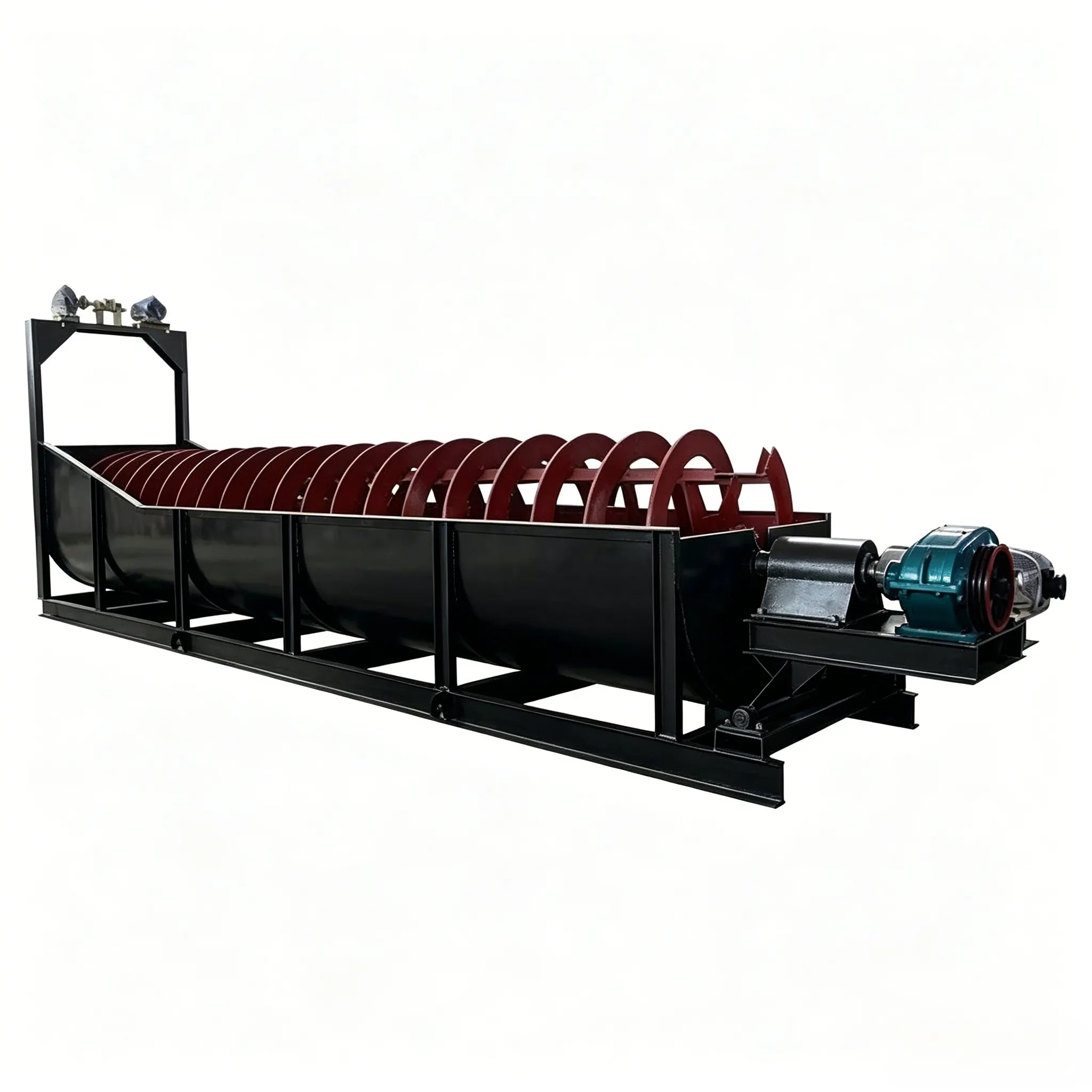
Process: Screening → Desliming → Jigging/Spiral Conveyor → Shaking Table → Heavy Placer Gold
Cost: Extremely low cost (<10 RMB/ton), recovery rate 85%-95%, investment 5-10 million RMB/10,000 tons
Characteristics: Gold is found in quartz veins, often associated with pyrite, gold grain size varies greatly (coarse visible gold to fine grains).
Process: For coarse visible gold (>70μm): gravity separation + flotation; for fine gold: pure flotation
Cost: Medium cost (80-120 RMB/ton), recovery rate 85%-95%, investment 30-50 million RMB/10,000 tons
Characteristics: Primary gold ore is weathered and oxidized, with a loose structure and gold exposed on the mineral surface.
Process: Grade <1g/t: heap leaching; Grade >3g/t: whole-sludge cyanidation
Cost: Low/medium cost (30-120 RMB/ton), recovery rate 60%-95%, investment 10-50 million RMB/10,000 tons
Characteristics: Gold is encased in pyrite/arsene, direct cyanidation leaching rate <30%
Process: Flotation → gold concentrate → pretreatment (roasting/pressurization/bacterial oxidation) → cyanidation
Cost: High cost (150-500 RMB/ton), recovery rate 77%-95%, investment 50-250 million RMB/10,000 tons
Characteristics: Gold and arsene coexist, high arsenic content (>0.5%)
Process: Flotation → high-arsenic gold concentrate → arsenic removal pretreatment → cyanidation
Cost: High cost (200-400 RMB/ton), recovery rate 77%-84%, investment 60-100 million RMB/10,000 tons
Characteristics: Contains organic carbon/graphite, which “robs” gold (absorbs dissolved gold).
Process: Flotation → gold concentrate → roasting (500-700℃) → cyanidation, or preferential carbon flotation → gold flotation
Cost: High cost (200-400 RMB/ton), recovery rate 77%-84%, investment 60-100 million RMB/10,000 tons
Characteristics: Gold is associated with copper, lead, and zinc.
Process: Preferential flotation (copper → lead → zinc), gold is enriched in copper and lead concentrates.
Cost: High cost (150-300 RMB/ton), recovery rate 88%-95%, investment 60-100 million RMB/10,000 tons
Characteristics: Gold exists as submicroscopic gold (<0.1μm), gold particles are not visible to the naked eye or microscope.
Process: Chemical oxidation (roasting/hot pressing/bacterial) → cyanidation
Cost: Extremely high cost (300-500 RMB/ton), recovery rate 90%-98%, investment 100-250 million RMB/10,000 tons
Characteristics: Gold and tellurium form tellurium gold ore (AuTe₂), conventional cyanidation is difficult.
Process: Flotation → tellurium gold concentrate → pretreatment (alkali leaching/roasting) → cyanidation
Cost: High cost (200-400 RMB/ton), recovery rate 77%-84%, investment 60-100 million RMB/10,000 tons
II. Common Mistakes and Avoidances
❌ 1. Cyanidation of all gold ore
Cyanidation of placer gold mines wastes costs, resulting in the loss of coarse gold particles through grinding and a surge in the cost of associated copper ore.
Correct: First determine the ore type, then use the corresponding process.
❌ 2. Heap leaching without granulation
With a mud content >20%, granulation is not performed, leading to ore pile compaction, leaching rate <30%, and wasted investment.
Correct: Granulation is mandatory, or whole-mud cyanidation should be used instead.
❌ 3. Direct cyanidation of gold encapsulated in ore
Gold is encapsulated, preventing cyanide contact, resulting in a leaching rate <50% and significant reagent waste.
Correct: Pretreatment (roasting/pressurization/bacterial oxidation) is mandatory. ❌ 4. Neglecting Associated Metals
Copper consumes large amounts of cyanide, drastically increasing costs and wasting copper resources.
Correct: First, recover copper and gold through flotation; this yields the highest overall recovery efficiency.
❌ 5. Neglecting Gold-Stealing Treatment in Carbonaceous Ores
Carbonaceous materials steal gold, resulting in a leaching rate of <30%, rendering the investment worthless.
Correct: Roasting or priority carbon flotation is necessary to eliminate gold stealing.
❌ 6. Neglecting Arsenic Removal in Arsenic-Containing Ores
Arsenic consumes large amounts of cyanide; roasting releases arsenic, polluting the environment.
Correct: Arsenic removal is essential; a reliable arsenic fixation solution is required.