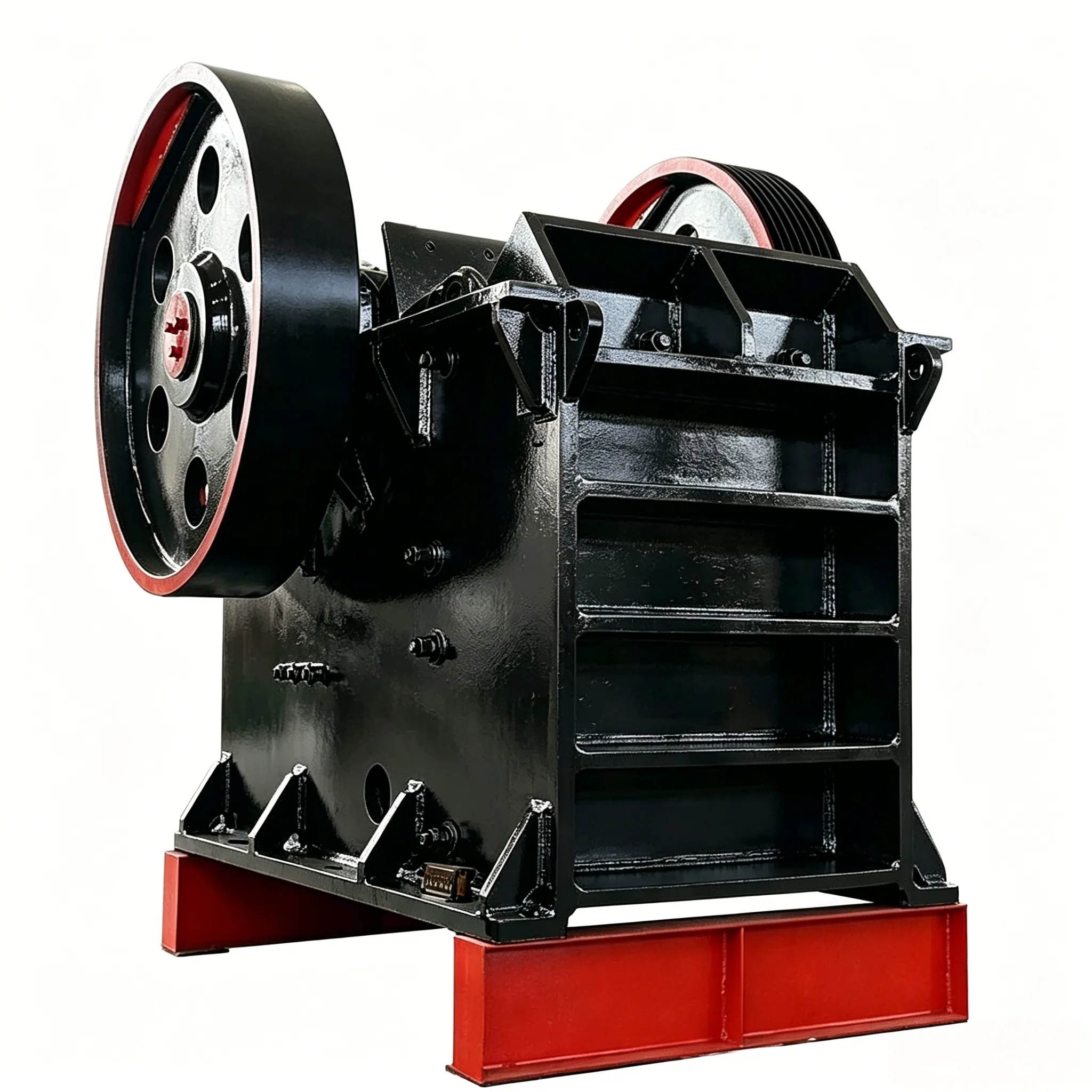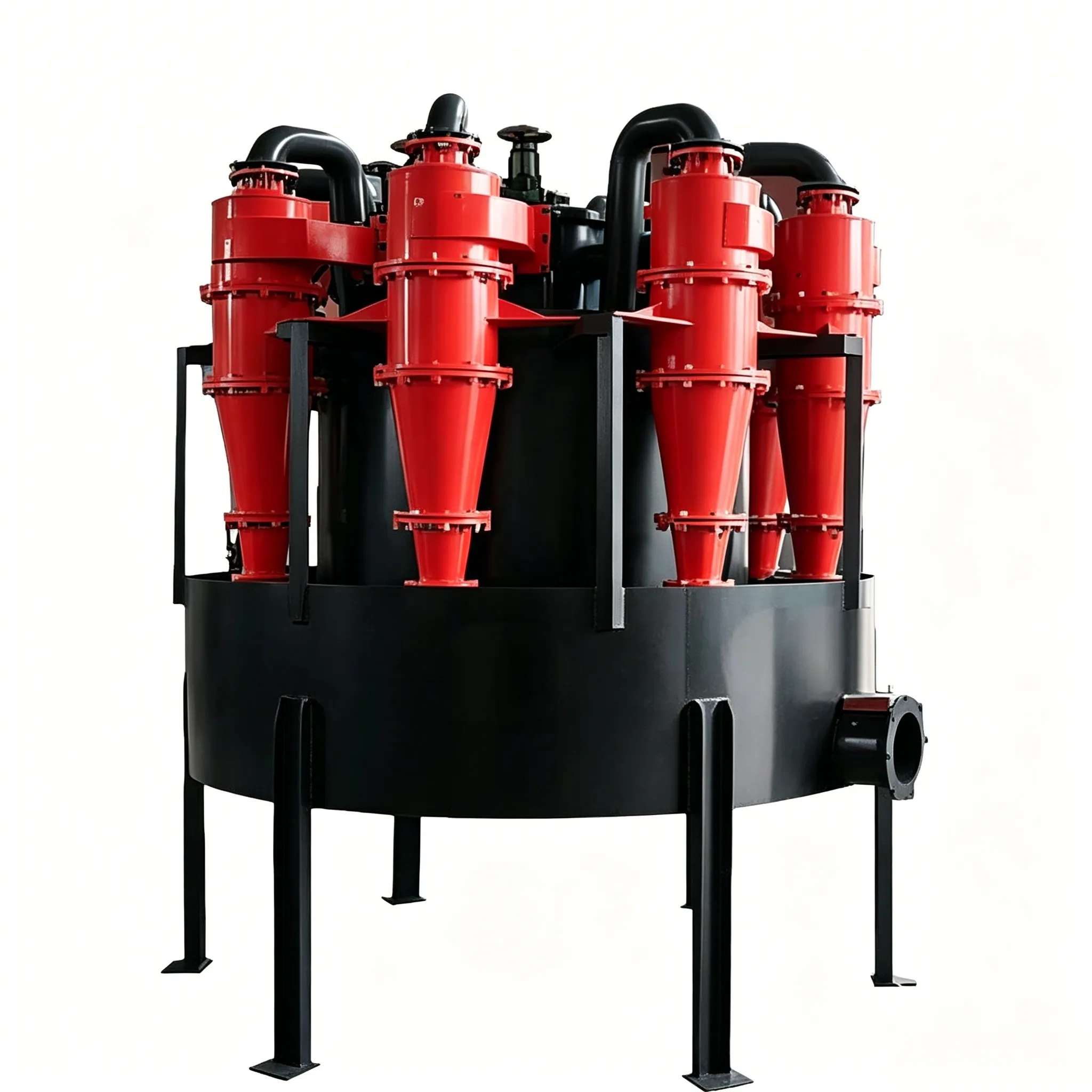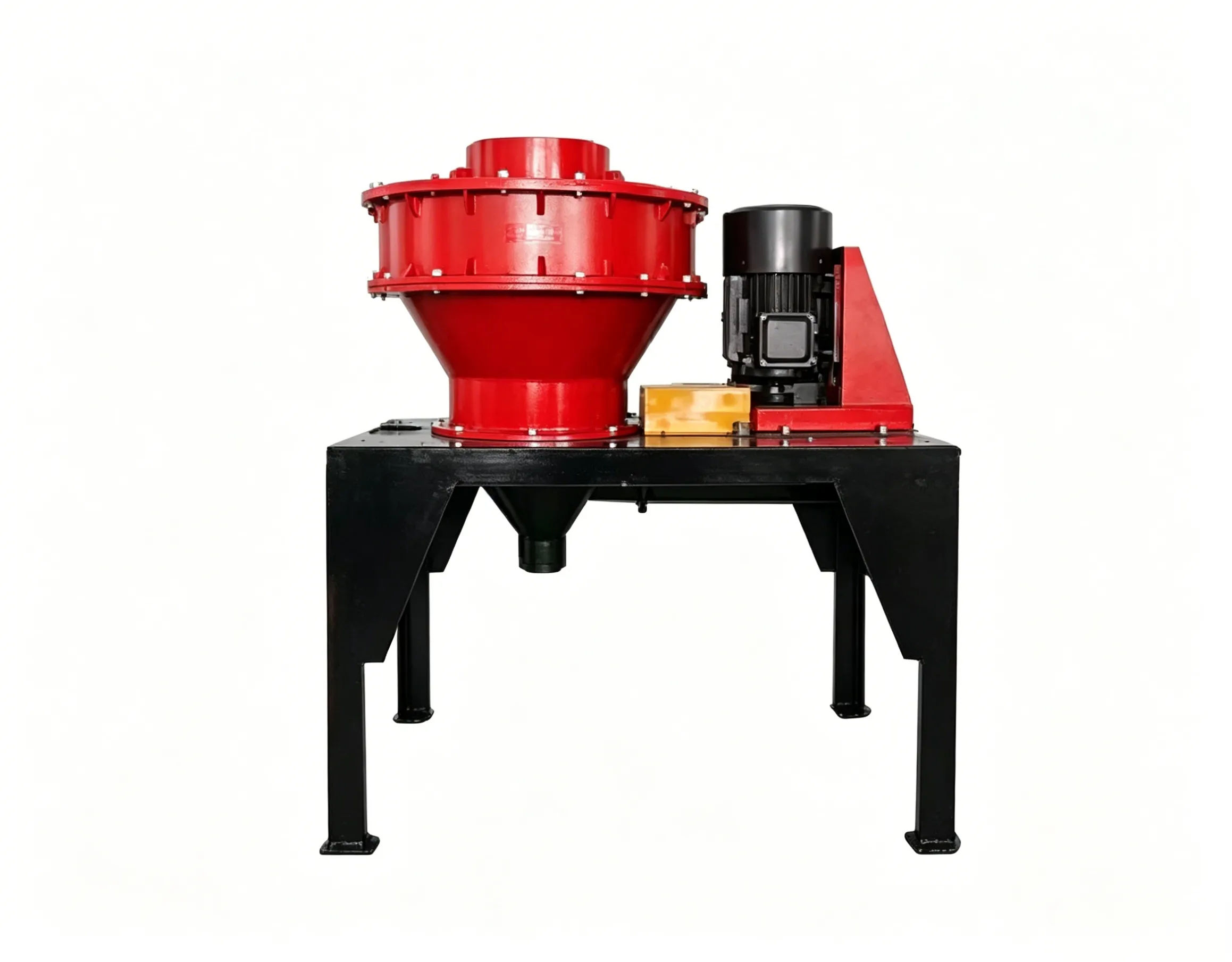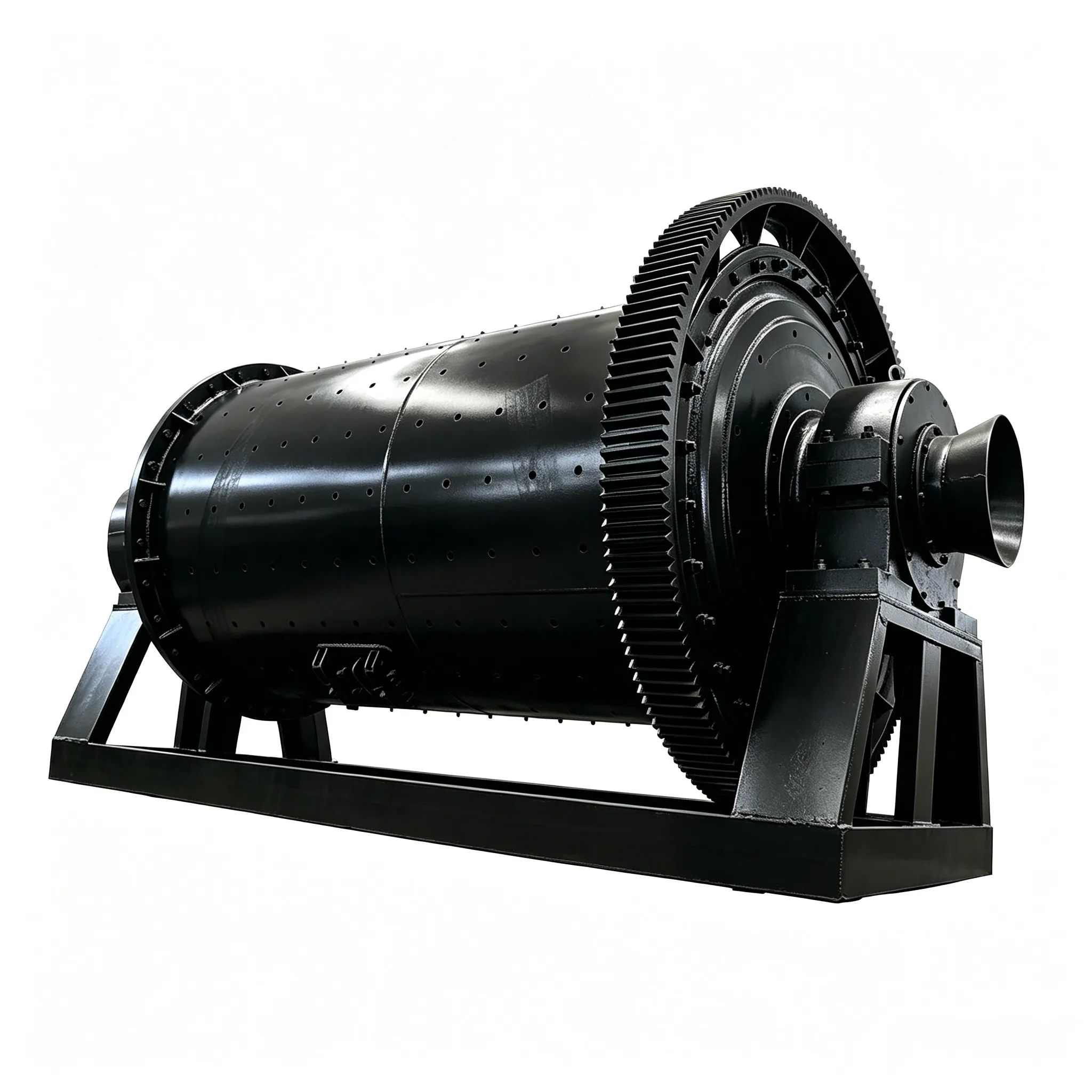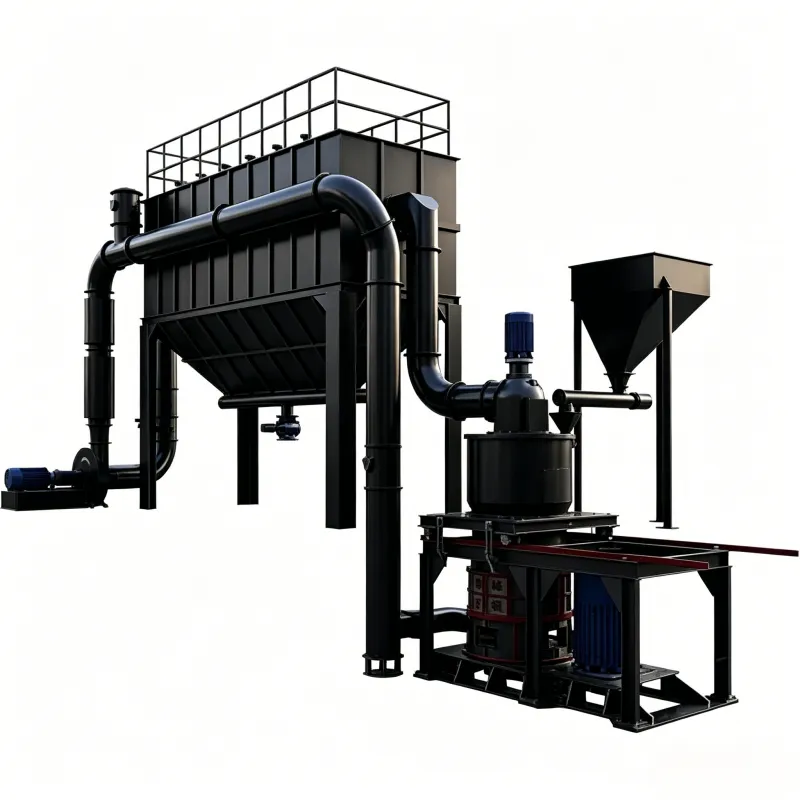
Кольцевая валковая мельница сверхтонкого помола
Введение в ультрамелкую кольцевую вальцовую мельницу Ультрамелкая кольцевая вальцовая мельница KXHGM…

Overview
The production and application of PCC (Precipitated Calcium Carbonate) are primarily concentrated in the United States, China, Japan, and Western Europe. This production facility is capable of producing tens of millions of tons of products. The consumption structure of light calcium carbonate in the United States, Japan, and Western Europe in 2000 is detailed in Table 13-1.
Table 13-1 Consumption Structure of Light Calcium Carbonate Unit: 10,000 tons/a
| Country/Region Consumption Sector | United States | Japan | Western Europe | |||
| 1995 | 2000 | 1995 | 2000 | 1995 | In 2000 | |
| Adhesive/sealant | 2.7 | 4.5 | — | 4.7 | 5.6 | |
| papermaking | 136.1 | 204.1 | 26.3 | 29.5 | 14.5 | 19.5 |
| plastic | 4.5 | 6.8 | 10.9① | 11.1① | 4.1 | 4.6 |
| Paint/Coating | 3.2 | 4.1 | 0 | 0 | 5.7 | 6.0 |
| other | 1.8 | 2.3 | 5.6 | 5.6 | 1.8 | 2.0 |
| total | 148.3 | 221.8 | 42.8 | 46.2 | 30.8 | 37.7 |
① The total consumption of plastics, paints, elastomers, etc. is included in the plastic column in Japan.
The consumption structure of PCC in China is shown in Table 13-2.
Table 13-2: Consumption Fields and Forecasts of Calcium Carbonate in China
| Consumption field | Consumption (kt/a) | Annual growth rate/% | |||
| 1998 actual value | 2001 actual value | Predicted value for 2006 | 1998~2001 | 2001~2006 | |
| plastic | 408 | 680 | 800 | 18.6 | 3.3 |
| rubber | 446 | 650 | 700 | 13.8 | 1.5 |
| papermaking | 102 | 300 | 600 | 43.3 | 14.9 |
| paint | 154 | 380 | 550 | 35.1 | 7.7 |
| other | 165 | 390 | 650 | 33.2 | 10.8 |
| total | 1275 | 2400 | 3210 | 23.5 | 5.9 |
From Tables 13-1 and 13-2, it can be seen that in developed countries such as the United States, Japan, and Western Europe, paper consumption of PCC ranks first among all industries. However, China currently ranks third or fourth.
In the paper industry, with the shift in sizing technology from acid sizing to neutral‑alkaline sizing during the papermaking process, a huge potential market has been opened up for the application of calcium carbonate. As a paper filler, calcium carbonate offers high whiteness and good light scattering. Paper containing it has higher bulk, better plasticity and softness, and a fine surface, which greatly improves paper performance and brings obvious economic benefits to paper mills. Therefore, most paper mills in Europe, America, and Japan have switched from acid sizing to neutral‑alkaline sizing processes. In recent years, China’s paper industry has also begun to shift from acid sizing to neutral sizing technology. The former Ministry of Light Industry has listed neutral‑alkaline sizing technology as one of the key national promotion projects during the “Eighth Five‑Year Plan” period. This requires continuous development of new calcium carbonate products to meet the demands of the paper industry.
Light calcium carbonate (PCC) is mainly used as a filler in alkaline papermaking, with a smaller portion used as a pigment. It is widely used in the pulp market for wood‑free grades. Compared with kaolin and ground calcium carbonate (GCC), it has excellent physical properties such as high transparency, high density, high bulking ability, uniform particle size, and strong pigment anchorage. In the United States, for uncoated wood‑free and premium writing papers, PCC has begun to replace other fillers such as dull kaolin and titanium dioxide. Taking the United States, currently the world’s largest paper producer and consumer, as an example, the current and projected (2005) usage of various mineral materials in papermaking is presented below.
(1) Various mineral materials for paper filling
| Material | Current share / % | Projected 2005 share / % |
|---|---|---|
| Light calcium carbonate (PCC) | 61 | 65 |
| Kaolin | 13 | 12 |
| Ground calcium carbonate (GCC) | 11 | 10 |
| Talc | 6 | 5 |
| Прочее | 9 | 8 |
| Всего | 100 | 100 |
(2) Various mineral materials for paper coating
| Material | Current share / % | Projected 2005 share / % |
|---|---|---|
| Kaolin | 75 | 68 |
| Ground calcium carbonate (GCC) | 13 | 16 |
| Light calcium carbonate (PCC) | 4 | 9 |
| Прочее | 8 | 7 |
| Всего | 100 | 100 |
The above data show that by 2005, the growth rate for PCC in the paper filling market will be 4%, and in the coating market 5%. However, the global market base for mineral fillers in papermaking is huge, with filling demand at 25,000 kt/year and coating demand at 6,000 kt/year. Therefore, the increase in filling demand is about 1,000 kt/year, and coating demand about 300 kt/year, totalling 1,300 kt/year.
China’s paper industry has developed rapidly along with the national economy. Since the 1990s, both the total production and total consumption of paper and paperboard in China have maintained high growth rates. In 1999, the total production was 13,718.7 kt/year and total consumption was 14,428.7 kt/year; in 2000, production reached 30,000 kt/year and consumption 36,500 kt/year. The average annual growth rate of production exceeded 12%, and consumption exceeded 16%. At present, China’s consumption of paper and paperboard has surpassed that of Japan, making it the second largest consumer in the world after the United States. For the next 10–15 years, industry insiders have proposed forecast data for China’s paper industry development, as shown in Table 13‑3.
Table 13‑3 Development projections for China’s paper industry over 10–15 years
| Year | Total production / (kt/a) | Total imports / (kt/a) | Total consumption / (kt/a) |
|---|---|---|---|
| 2000 | 30,000 | 6,500 | 36,500 |
| 2005 | 38,000–40,000 | 7,500–10,000 | about 50,000 |
| 2010 | 50,000–55,000 | 10,000–12,000 | 60,000–65,000 |
| 2015 | about 65,000 | 15,000–18,000 | about 80,000 |
At present, most of China’s paper industry uses clay as filler with acid sizing, which tends to cause paper stiffness and serious acid contamination. According to statistics, in 2000 the paper industry consumed about 400 kt of PCC, and in 2002 about 1,000 kt. In the future, with the implementation of neutral‑alkaline sizing, the demand for calcium carbonate will increase significantly, depending on the pace of conversion to neutral‑alkaline sizing in the paper industry.
The application of calcium carbonate in the paper industry began in the 1980s, when European and American paper mills started converting from acid to neutral and alkaline papermaking processes, thus establishing the foundation for calcium carbonate fillers. Neutral and alkaline papermaking processes improve paper strength and durability, are much less environmentally threatening, and allow higher filler addition levels. To date, the papermaking process is the largest user of PCC, accounting for 73% of global PCC consumption. The two different process uses of PCC in papermaking are as paper filler and paper coating pigment. It is mainly used in filling wood‑free coated papers (WFO), with a maximum filling level of up to 25%, and the final products are office and writing papers, magazine papers, and papers for books or advertising materials. At the same time, PCC is also used in supercalendered (SC) papers, and its usage is expected to increase because with the competition from lightweight coated (LWC) papers, SC papers are gradually being squeezed out of the newsprint sector, forcing SC paper producers to increase PCC usage to reduce costs.
Nano‑calcium carbonate as a paper filler has the advantages of high opacity, high brightness, improving the whiteness and opacity of paper products; high bulking ability, enabling paper mills to use more filler and less pulp, greatly reducing raw material costs; fine and uniform particle size, causing less wear on paper machines and producing more uniform and smooth paper products; and high oil absorption, improving pigment anchorage for colour papers. At present, the application of nano‑calcium carbonate in the paper industry is mainly in high‑grade sanitary napkins, diapers, adult incontinence pads for home care, cigarette paper, and paper coating pigments.
13.2 Application in high‑grade sanitary paper
In high‑grade sanitary paper, nano‑calcium carbonate is mainly used in the production of breathable but water‑impermeable polyethylene films. This breathable film is also called microporous plastic film or cast film. The application of microporous film is still in its infancy in China. Some companies have seen the development prospects and started producing breathable films, for example, Zhejiang Danan Plastic Group has developed PE breathable film. There are not many domestic producers of breathable films, and their production volumes are relatively small. The one with good quality and early production in China is Fujian Heng’an Group. Some other manufacturers use equipment for microporous film mainly from Japan’s Musashino, which not only produces equipment but also holds patented technology for microporous films. Japan ranks first in the world in microporous film usage. Austria’s Lenzing AG has launched polyolefin cast‑stretching equipment and combines breathable film with non‑woven fabric online to produce high‑performance composite products, mainly used for sanitary products, medical backing films, and protective clothing, with a moisture vapour transmission rate up to 12 kg/(m²·24h). The US companies BLACKCLAWSON produce equipment and have specially designed stretching equipment for microporous films. Domestic producers include Shandong Huaguan Group and Foshan Huahan Sanitary Materials Co., Ltd. in Guangdong.
China’s high‑grade sanitary paper has developed rapidly in recent years, especially sanitary napkins. Medical bed pads have begun to enter large and medium‑sized hospitals and some households. Sanitary products are consumables, so market demand forecasting must be based on the actual living standards and consumption structures of Chinese residents. Consistent with the consumption patterns of developed countries, different development levels correspond to different consumption structures. Women’s sanitary napkins, being relatively low‑priced, have been popular for nearly 20 years; diapers and adult incontinence pads are more expensive and have about a decade of consumption history in China.
With the continuous improvement of people’s quality of life, technological progress and the entry of foreign brands have made price and quality competition increasingly fierce in the sanitary products sector, bringing benefits to consumers and expanding market share. There are about 300 million women of child‑bearing age in China, and the potential total demand for sanitary napkins is about 50 billion pieces. In 1998, production was about 27.5 billion pieces, with a penetration rate of less than 15%; in 1999 production reached 30 billion pieces; and in 2000 it was expected to reach 33 billion pieces. At present, China’s sanitary napkin market is mainly concentrated in cities and dominated by foreign brands, such as Procter & Gamble’s “Whisper” (Hushubao), Johnson & Johnson’s “Carefree” (Jiaoshuang), and Kao Corporation’s “Laurier” (Le’erya). The main domestic brand is “An’ele” from Fujian Heng’an Group. In high‑grade sanitary napkins, ultrafine calcium carbonate is mainly used in the production of breathable but water‑impermeable polyethylene films. According to a survey, only Fujian Heng’an Group consumes about 2.5 kt of ultrafine calcium carbonate annually. However, most foreign‑brand products are manufactured abroad and then processed domestically, with ultrafine calcium carbonate mainly used in the semi‑finished products, so the current domestic consumption of ultrafine calcium carbonate in sanitary napkin production is still not large. In 2000, the penetration rate of sanitary napkins in China was expected to reach 20%, among which high‑grade sanitary napkins would require about 30 kt of ultrafine calcium carbonate with an average particle size of 10–50 nm. However, the actual demand depends on whether foreign brands are produced domestically; if they only assemble in China, then the demand for ultrafine calcium carbonate of 10–50 nm for high‑grade sanitary napkins in 2000 would be about 8 kt. It is projected that by 2005, the penetration rate of sanitary napkins will reach 30%, and consumption is expected to reach 50 billion pieces, with high‑grade sanitary napkins requiring about 45 kt of ultrafine calcium carbonate of 10–50 nm.
With the improvement of living standards, the demand for diapers will further increase in the future. At present, there are about 27 million infants under one year old in China, and the usage of diapers is about 1.6 billion pieces. By 2005, the demand for diapers is expected to reach 4 billion pieces.
China’s current population policy allows only one child per couple, and in the future each couple will have to care for 4–5 elderly people. Therefore, home‑care and medical adult incontinence pads will see considerable development in the future. At present, the population aged 60 and above has reached 120 million, and it is expected to reach 140 million by 2005. It is projected that by 2005, the consumption of home‑care adult incontinence pads will reach 2.5–3.5 billion pieces, consuming about 10 kt of nano‑calcium carbonate.
13.3 Application of light calcium carbonate in cigarette paper
China’s cigarette production began in the 1930s, and the use of PCC in cigarette paper started in the 1940s. Calcium carbonate is one of the main raw materials for producing cigarette paper, accounting for 40%–60% of the total (the ash content of the finished paper depends on the retention rate during sheet forming). After the transition to a market economy, cigarette varieties have diversified, and the requirements for cigarette paper have become increasingly higher. Today’s cigarette paper production processes and technologies are different from traditional ones. Therefore, the calcium carbonate used in cigarette paper also has new requirements for adaptability and performance.
Since the 1990s, wood pulp has become the main raw material for cigarette paper. Paper machines for cigarette paper have developed rapidly since the 1980s, with extensive use of automation control, first of all the PLC logic process control system, gradually bringing the production process under control, ensuring stable quality and less fluctuation. The speeds of cigarette paper machines have varied considerably, as shown in Table 13‑4.
Table 13‑4 Changes in cigarette paper machine speed
| Time period | Cigarette paper machine speed / (m/min) | Control system |
|---|---|---|
| 1948–1960 | about 80 | No control system (relied mainly on operator experience) |
| 1960–1970 | 100 | No control system (relied mainly on operator experience) |
| 1970–1990 | 120–150 | Partial modifications on some machines using B/M control from the mid‑1980s |
| 1990–1997 | 200–250 | PLC logic control |
| 1998–present | 350–400 | PCS online automatic control |
With the progressive modernisation of cigarette‑making equipment, the speed of cigarette making machines has also changed dramatically, increasing by a factor of 10 to 20. This requires a rapid improvement in the strength of cigarette paper. The changes in cigarette making machine speed are shown in Table 13‑5. The quality standards for cigarette paper are given in Table 13‑6.
Table 13‑5 Changes in cigarette making machine speed
| Time period | Cigarette making speed / (cigarettes/min) | Cigarette making machine linear speed / (m/min) |
|---|---|---|
| 1950–1979 | 500–800 (a small portion reached 2000) | 30–50 (a small portion reached 125) |
| 1980–1985 | 1000–1500 | 60–100 |
| 1986–1990 | 4500–5000 | 300–400 |
| 1991–1996 | 7000 | 450–500 |
| 1997–present | 10000 | 650 |
Table 13‑6 Quality standards for cigarette paper
| Пункт | Unit | Before 1997 | Implemented from 1998 | Change range |
|---|---|---|---|---|
| Basis weight | g/m² | 25±2 | 26.5±1 | +17.9% |
| Tensile strength | kN/m | 0.78 | 0.92 | +10–20 times |
| Air permeability | cu | 5–10 | 50±5 | –40% |
| Coefficient of variation of air permeability | % | 50 | 10 | — |
| Ash content | % | 12–13 | 15–16 | — |
| Ash cohesion (appearance) | — | No requirement | Complete ash wrap | — |
Note: The “Change range” column only provides specific values for the first three items; the rest are left blank as per the original table.
Calcium carbonate is used in cigarette paper at a level of 40%–45%, and accounts for about 30% of the finished paper – i.e., one‑third of the cigarette paper consists of calcium carbonate. Its functions are as follows:
① High refractive index, which prevents the tobacco from being seen through the paper (i.e., no “show‑through”) – this is a key indicator for cigarette paper;
② During combustion, calcium carbonate decomposes upon heating to release CO₂, which helps the cigarette burn without extinguishing;
③ After burning, the ash of the cigarette paper adheres well to the tobacco, forming a “silkworm‑like” ash wrap;
④ Increases the whiteness of the cigarette paper – the whiteness of imported calcium carbonate is 95%, and domestic grades are 92%, which is 3%–5% higher than that of wood pulp;
⑤ Provides higher air permeability to the cigarette paper.
Items ① to ④ are appearance indicators for cigarette paper: no show‑through, no extinguishing, good ash wrap, and high whiteness. All four are indispensable; if any one is unsatisfactory, the product is substandard. Air permeability ensures the internal quality of the cigarette and can reduce the tar content of the cigarette. Generally, for cigarette paper with an air permeability below 70 cu, each increase of 10 cu reduces the tar content by 1–1.5 mg; above 70 cu, the reduction in tar becomes less significant. Therefore, the selection and use of calcium carbonate for cigarette paper must be very careful. The influence of the crystal shape of calcium carbonate on cigarette paper performance is shown in Table 13‑7.
| Table 3-7: The Influence of CaCO₃ Crystal Shape on the Performance of Cigarette Paper | |||||||||||
| Crystal shapeParticle size / μm(Cigarette paper sample number) | fusiform | Needle-like complex | Cube (or cubic) | Columnar body | |||||||
| 0.15(1) | 0.30(2) | 0.50(3) | 2.50(4) | 0.05(5) | 0.15(6) | 0.30(7) | 0.50(8) | 0.1×0.8(9) | 0.25×2(10) | 0.35×5(11) | |
| Quantitative / (g/m²) | 26.0 | 25.6 | 26.7 | 27.5 | 27.4 | 26.4 | 26.5 | 27.5 | 26.2 | 25.7 | 26.2 |
| Thickness / μm | 47 | 46 | 49 | 49 | 43 | 43 | 46 | 45 | 45 | 47 | 49 |
| Плотность (г/см³) | 0.56 | 0.56 | 0.55 | 0.57 | 0.63 | 0.62 | 0.58 | 0.62 | 0.58 | 0.54 | 0.53 |
| Ash content/% | 18.9 | 18.3 | 18.8 | 18.5 | 18.8 | 18.7 | 18.8 | 18.1 | 18.1 | 18.4 | 18.4 |
| Air permeability / Coresta | 31.6 | 30.8 | 45.3 | 26.7 | 5.1 | 21.5 | 20.5 | 15.9 | 10.0 | 38.3 | 42 |
| Opacity /% | 85.5 | 85.3 | 82.5 | 82.I | 72.1 | 86.2 | 86.5 | 85.0 | 85.7 | 87.0 | 87.5 |
| Whiteness /% | 87.5 | 87.5 | 89.5 | 87.5 | 82.5 | 87.3 | 90.0 | 87.5 | 89.5 | 90.0 | 90.3 |
| Tensile strength (in kN/m) | 1.22 | 1.23 | 1.18 | 1.17 | 1.03 | 1.17 | 1.10 | 1.28 | 1.20 | 1.10 | 1.27 |
| Elongation rate /% | 1.6 | 1.6 | 2.4 | 1.4 | 1.6 | 2.0 | 2.4 | 2.1 | 1.9 | 2.4 | 2.6 |
Currently, countries producing calcium carbonate for cigarette paper include Germany, the United Kingdom, Japan, and France. Among them, Germany produces the most suitable calcium carbonate for high-grade cigarette paper. The quality inspection results are shown in Table 13-8.
Table 13‑8 Quality test results of calcium carbonate for cigarette paper from foreign countries
| Параметр | Unit | German product | British product | French product | Japanese product |
|---|---|---|---|---|---|
| Average particle size | μm | 2.0 | 1.9 | 2.0 | 3.5 |
| Residue on 325‑mesh sieve | % | <0.01 | <0.01 | ≤0.063 | <0.05 |
| Whiteness | % | 96 | 97 | 96 | 96 |
| Удельная площадь поверхности | m²/g | 8 | 7 | 6.8 | 7 |
| pH value | — | <9.8 | <9.5 | <9.85 | <9.8 |
| Oil absorption | g/100g CaCO₃ | 82.50 | 68.22 | 87.56 | 63.33 |
| Sedimentation rate | scale divisions/h | 37.75 | 32.36 | 49.27 | 35.52 |
| Sedimentation volume | mL/g | 3.01 | 2.63 | 3.81 | 2.83 |
| Free alkali (CaO) | % | 0.018 | 0.0296 | 0.041 | 0.033 |
The key indicators for PCC specifically used in papermaking are oil absorption, sedimentation rate, and sedimentation volume. High oil absorption indicates a large specific surface area, fine particle size, and good surface treatment; sedimentation volume is also related to particle and crystal shape. The optimal ranges for these three indicators are: oil absorption 75%–83%, sedimentation volume 2.9–3.0 mL/g, and a slow sedimentation rate that is basically linear and smooth. Uniform crystals and a narrow particle‑size distribution are conducive to the stability of cigarette paper quality. From the sedimentation curves and the measured oil absorption values, the crystal form of the German calcium carbonate is described as “cotton‑ball‑shaped” — it consists of many small crystals with a long axis of 0.6 μm and a short axis of 0.4 μm, assembling into 2–3 μm cotton‑ball agglomerates, with about 95% having a uniform diameter. Therefore, paper made with this calcium carbonate feels thick and soft, and the tar content of cigarettes rolled with this paper varies little and shows good stability.
At present, the national cigarette production is about 30 million large cases, requiring about 80,000 tons of cigarette paper, with a total demand for calcium carbonate of about 30,000 tons. Although the quantity required is not large, it represents a special crystal variety in the calcium carbonate industry, which should be given due attention in order to reduce imports and meet domestic needs.
13.4 Application of nano‑calcium carbonate in paper coating pigments
Compared with their conventional counterparts, nanomaterials exhibit many unusual characteristics in terms of optical, thermal, electrical, magnetic, mechanical, and chemical properties, such as reduced density, increased strength and hardness, improved plasticity and toughness, higher diffusivity, and increased thermal expansion coefficient.
At present, there are not many experiments on the research and application of nanotechnology in the papermaking field, so further research in this area is necessary. In paper coating pigments, because nano‑calcium carbonate has high whiteness and, as a nanomaterial, a large specific surface area, high surface activity, and high strength and hardness, it may contribute to improving the quality of coated paper. By adding nano‑calcium carbonate to the coating colour, it is expected to produce coated paper with high gloss and good ink absorbency, as well as improved smoothness. However, due to its high surface energy, a tendency to agglomerate, hydrophilic and oleophobic surface, and lack of binding affinity with organic substances, its practical application is difficult and requires continuous research and breakthroughs.
When 5% nano‑calcium carbonate is added to the original coating formulation, with the same amounts of binder and dispersant, the coating strength and smoothness can be improved, and the ink absorbency is also somewhat enhanced. A typical conventional paper coating formulation is shown in Table 13‑9.
Table 13‑9 Conventional coating formulation for coated paper
| Material name | Specifications or requirements | Moisture or solid content / % | Proportion / % – Pre‑coat | Proportion / % – Top‑coat |
|---|---|---|---|---|
| China clay (kaolin) | Calculated on dry basis | 92.755 | 80 | — |
| Calcium carbonate | Calculated on dry basis | 98.600 | 20 | — |
| Oxidised starch | Gelatinised at 75 °C, prepared as 20% solution | — | 5.5 | 3 |
| Polyvinyl acetate emulsion | CY‑101 | 48.280 (solid) | 16.5 | 17 |
| Диспергатор | TD‑01 | 35 (solid) | 0.6 | — |
| Optical brightener | Dissolved in hot water at 90 °C | — | 0.2 | — |
| Defoamer | — | — | appropriate amount | — |
| Water for pigment slurry | Clean water | — | — | — |
| Water for coating colour | Clean water | — | — | — |
| Coating colour solids content | — | — | 40 | 50 |
| Pigment slurry solids content | — | — | 45 | 55 |
The DD‑type nano‑calcium carbonate produced by Enping Guangping Chemical Industrial Co., Ltd. was used in the formulation shown in Table 13‑9. Its quality indicators are given in Table 13‑10.
Table 13‑10 Performance indicators of DD‑type nano‑calcium carbonate
| Параметр | Значение |
|---|---|
| Density / (g/mL) | 2.25 |
| Average particle size / nm | 40 |
| BET specific surface area / (m²/g) | ≥24 |
| Whiteness / % | ≥92 |
| Calcium carbonate content / % | ≥96.5 |
| pH value | 8.7–9.5 |
| Форма частиц | Cubic, partially chain‑like |
| Loss on heating / % | 44±1 |
| Surface treatment agent | Resin acid |
| Activation rate / % | ≥95 |
| Moisture content / % | ≤1 |
| Appearance | White powder |
With other components in the coating colour kept unchanged, the proportion of nano‑calcium carbonate relative to ordinary calcium carbonate was adjusted as follows:
The coating viscosity is shown in Table 13‑11. After one pre‑coating application, the paper was top‑coated, essentially achieving the uniformity and whiteness requirements for a double‑coated layer. The measured values of several important physical properties of the coating layer are given in Table 13‑12.
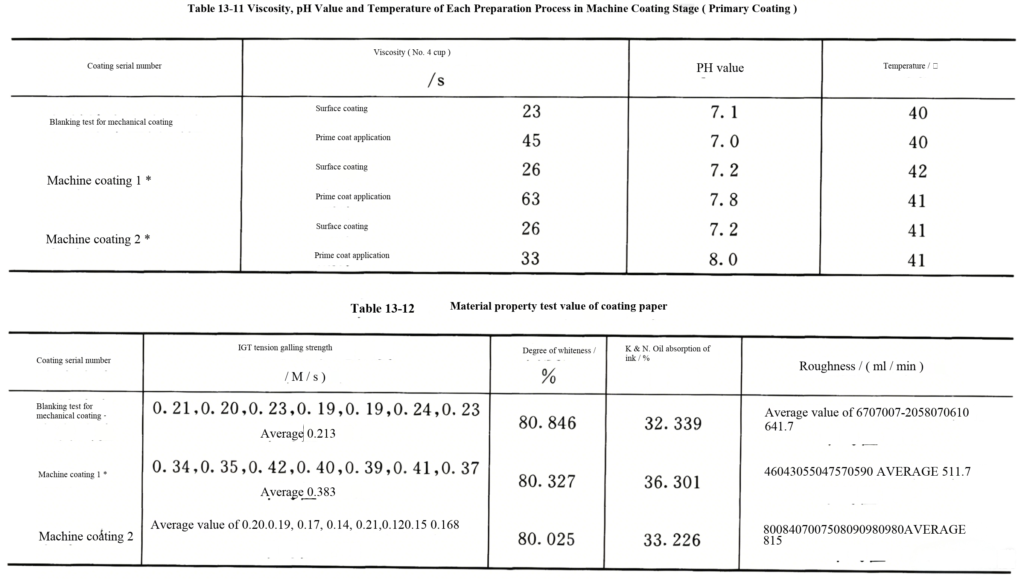
As can be seen from Table 13‑12, several important physicochemical indicators of the coating were significantly improved after the addition of nano‑calcium carbonate. Detailed explanations are given below.
(1) Improvement of IGT pick resistance – When the formulation contained 5% nano‑calcium carbonate, the IGT value was markedly increased, being nearly 80% higher than that without nano‑calcium carbonate. However, when 10% nano‑calcium carbonate was added, the IGT value decreased. The reason may be that while the content of nano‑calcium carbonate increased, the dispersion technique was not improved accordingly, leading to a poorer result instead. On the other hand, it is also possible that an excessively high proportion of nano‑calcium carbonate itself adversely affected the performance. Nevertheless, we predict that if the dispersion problem of nano‑calcium carbonate can be solved, the IGT pick resistance value may be greatly enhanced.
(2) Whiteness – The effect of nano‑calcium carbonate on the whiteness of the coating seems minimal, which is contrary to the assumption that its high whiteness would significantly improve whiteness. In the blank test, the calcium carbonate used had a whiteness of over 97%, almost the same as the whiteness of nano‑calcium carbonate (the whiteness of nano‑calcium carbonate is 298% – note: this figure appears as a typo in the source; it likely means ≥92% or similar). Therefore, the final result is not very satisfactory. However, there are still points worth noting. First, experimental error may have a considerable influence on whiteness, including differences in calendering time (longer time leads to lower whiteness) and the instrument error of the whiteness meter. Second, the coated paper was not calendered in this experiment. Theoretically, the smaller the particle size, the more easily it is pressed dark during calendering, thereby affecting whiteness. Therefore, in actual production applications, the result may be a decrease in whiteness.
(3) K&N ink absorbency – Papers coated with the formulation containing nano‑calcium carbonate all exhibited better ink absorbency than ordinary paper without nano‑calcium carbonate. This is because the nano‑particles have a small particle size, a large specific surface area, and strong adsorption capacity. It can be preliminarily stated that nano‑calcium carbonate helps to improve the K&N ink absorbency of paper.
(4) Roughness – Roughness is greatly affected by nano‑calcium carbonate, mainly because the nano‑particles are fine, so the small dents and bumps on the paper surface are relatively reduced, making the paper surface smoother. At a 5% nano‑calcium carbonate content, the roughness is lower and the paper is relatively smooth. However, at 10% nano‑calcium carbonate content, the roughness is significantly higher than the measured value of the blank test. As reflected in the IGT pick resistance values, a high content of nano‑particles requires a high level of dispersion technology. It can be seen that when added in an appropriate amount and well dispersed, nano‑calcium carbonate contributes to reducing roughness and increasing smoothness.
In summary, the addition of nano‑calcium carbonate is beneficial for improving several important properties of the coating layer; however, the improvement is not proportional to the amount added. From the experimental data, it can be seen that when the addition level of nano‑calcium carbonate reached 10%, the various paper properties all declined. This may be because nano‑calcium carbonate itself cannot be added in excess – too much instead impairs the paper performance. It may also be due to insufficient dispersion of the nano‑particles, leading to flocculation. Nano‑particles have high surface energy and are in a thermodynamically unstable state, so they readily agglomerate, thus affecting the dispersion and application effectiveness of nano‑calcium carbonate. Ordinary mechanical dispersion methods and dispersants alone cannot achieve ideal dispersion results. In this experiment, sodium polyacrylate was used as the dispersant. It was chosen because it disperses china clay and calcium carbonate well and has certain advantages in its dispersion mechanism (besides achieving dispersion by forming anions that are adsorbed onto the pigment to form an electric double layer, it also forms a coating layer around the pigment particles). However, two points were not considered. On the one hand, nano‑calcium carbonate is hydrophilic and lipophobic, with strong polarity; ordinary organic dispersants find it difficult to disperse it uniformly, and there is no binding force with organic matter, which easily causes interfacial defects and leads to performance degradation – yet sodium polyacrylate is precisely an organic dispersant. On the other hand, the dispersant used is the one commonly used for conventional large‑particle coatings; this dispersion mechanism may not be suitable for nano‑particles. Therefore, it is likely that the inapplicability or unsuitability of this dispersant for nano‑calcium carbonate dispersion caused the phenomenon in this experiment where some paper properties decreased when the nano‑calcium carbonate content increased. Thus, whether nano‑calcium carbonate can be uniformly dispersed will greatly affect the coating performance. In addition, theoretically, because nano‑calcium carbonate has a large specific surface area, the amount of binder required should be increased accordingly; this proportional relationship awaits further experimental verification.