Мобильная мельница Raymond
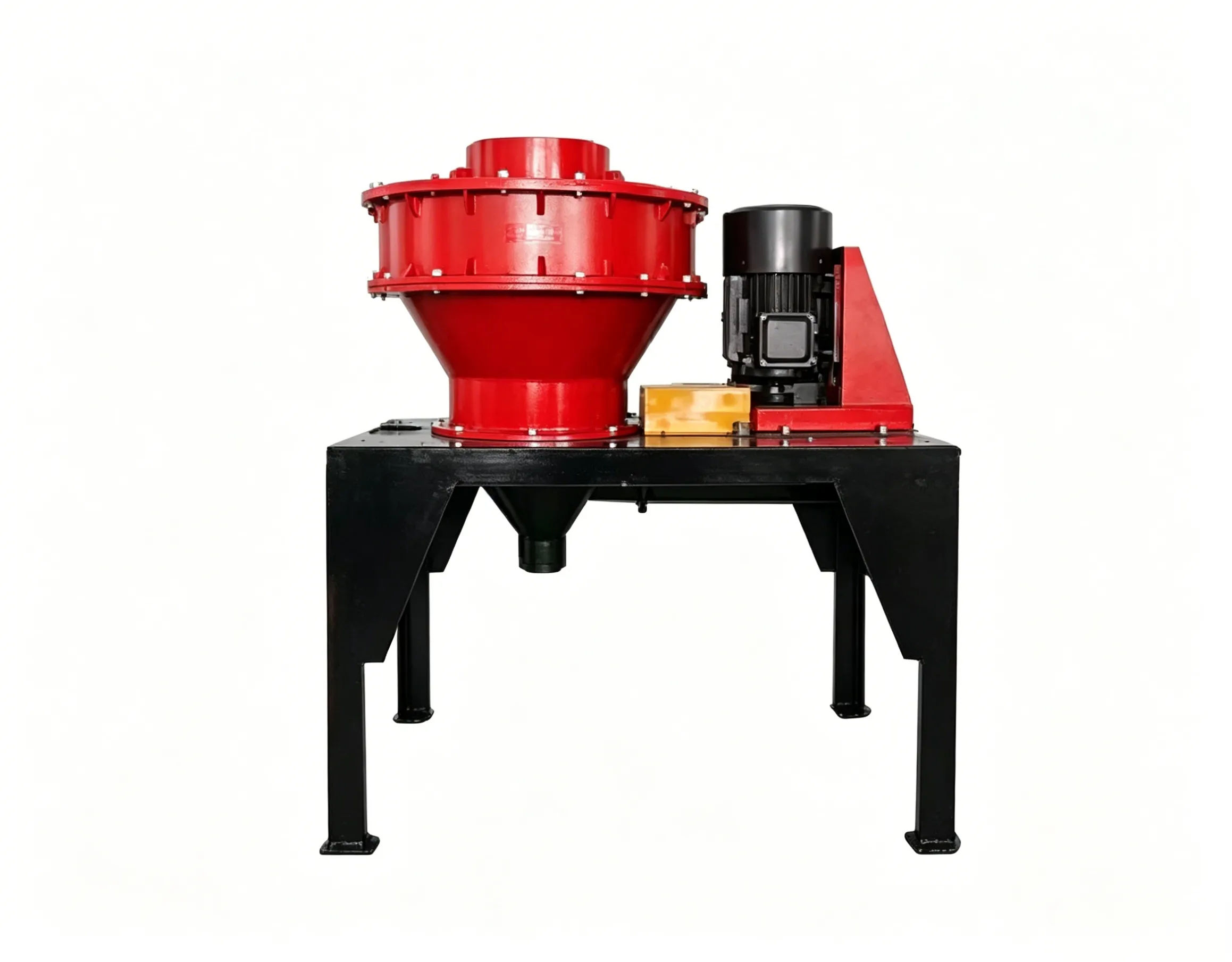
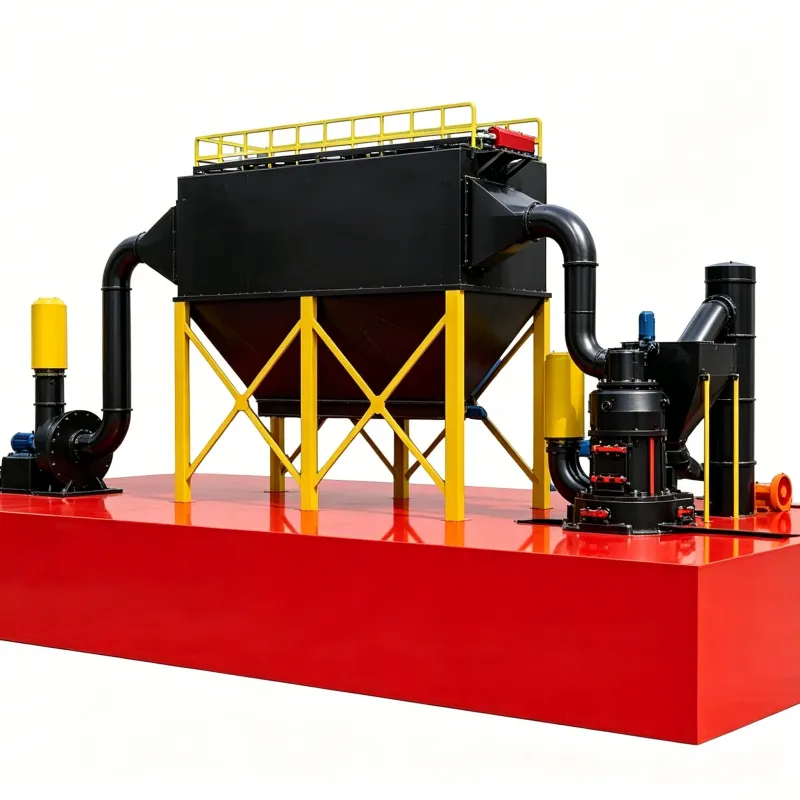
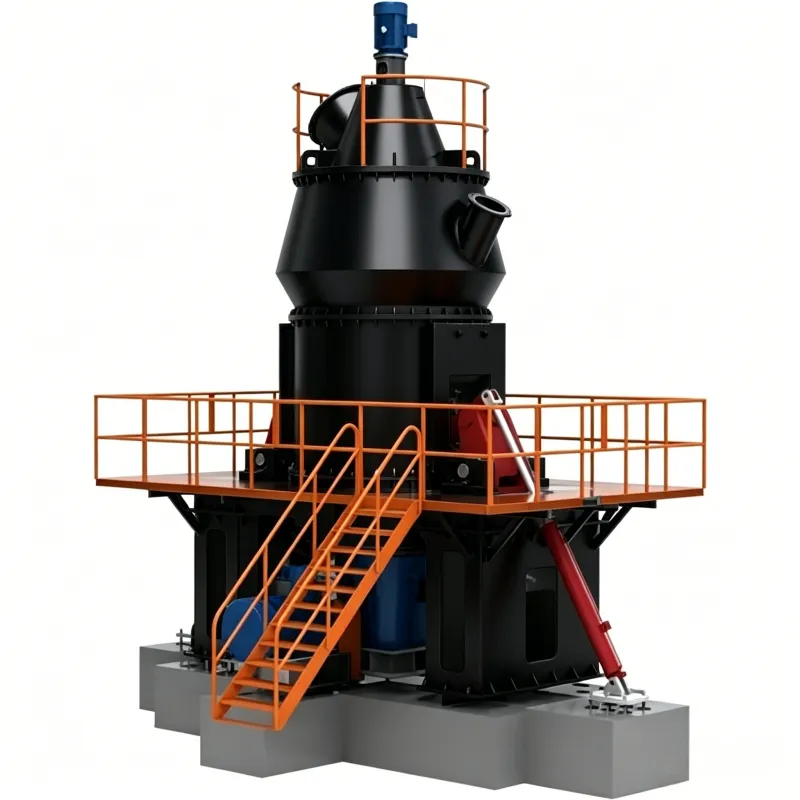
Introduction to Mobile Raymond Mill The mobile Raymond mill (referred to as…

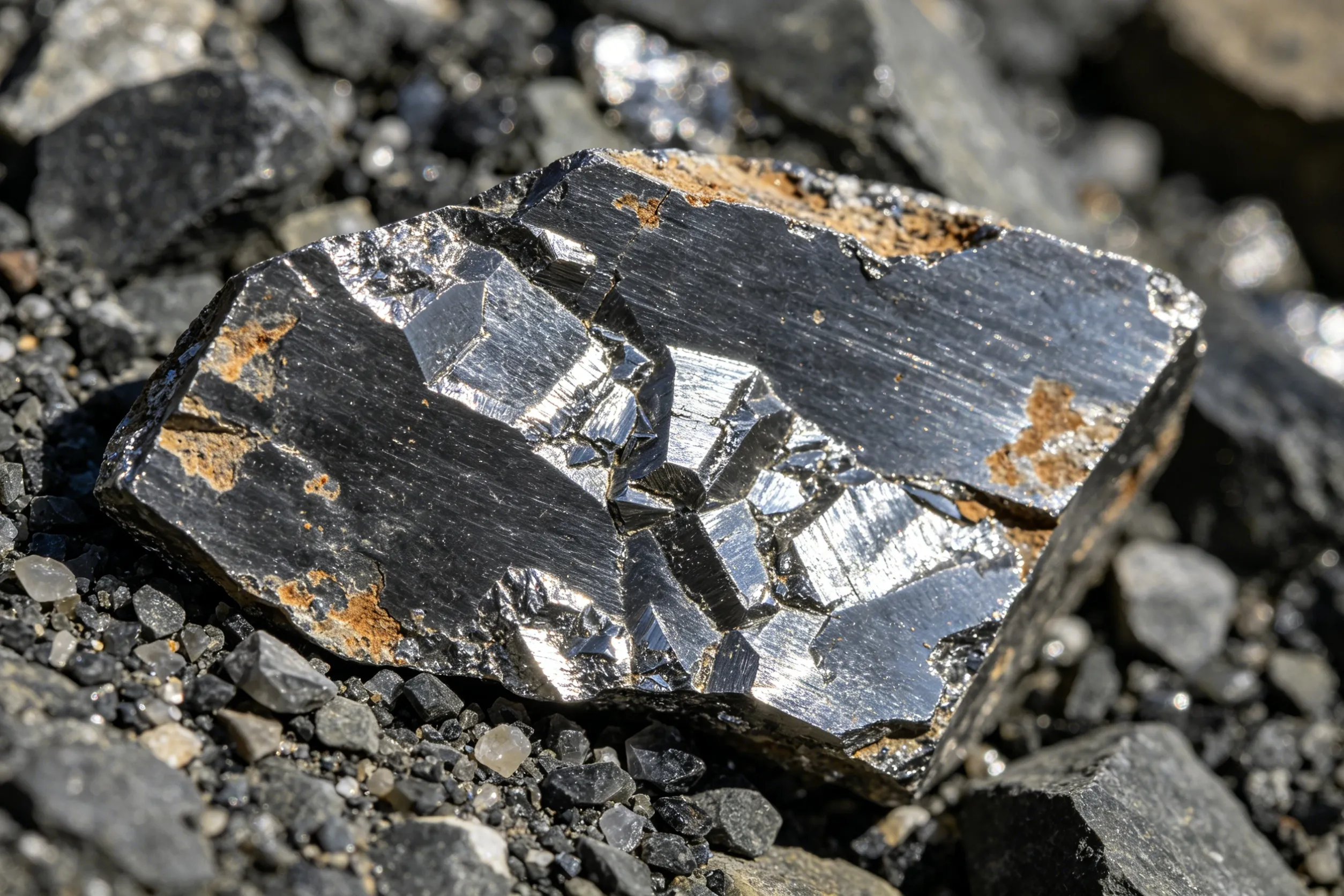
A quartz vein tungsten-tin ore in Yunnan has low head grades (0.323% WO₃ and 0.140% Sn), complex mineral composition (containing more than twenty minerals), but large reserves with good development potential. Detailed beneficiation testwork was carried out on this ore. Based on the ore properties, multiple process alternatives were tested for roughing and cleaning/separation of the bulk concentrate. The final flowsheet adopted shaking table roughing to produce a tungsten‑tin bulk concentrate, followed by flotation desulfurization, magnetic separation for iron removal, and then tungsten‑tin separation at ambient temperature using sodium carbonate for pulp conditioning, sodium silicate as depressant, and oxidized paraffin soap as collector. Good metallurgical results were achieved, providing technical support for resource development.
The tungsten‑tin ore consists of quartz, feldspar, tourmaline, actinolite, tremolite, fluorite, mica, illite, chlorite, beryl, garnet, apatite, vesuvianite, cassiterite, scheelite, pyrite, pyrrhotite, limonite, hematite, sphalerite, arsenopyrite, wolframite, chalcopyrite, etc. The main gangue minerals are quartz and feldspar, followed by tourmaline, mica, and chlorite. The main metallic minerals are limonite, pyrite, and pyrrhotite, with minor amounts of scheelite, hematite, sphalerite, chalcopyrite, arsenopyrite, cassiterite, etc.
Process mineralogy studies show that scheelite is the main tungsten mineral to be recovered. It is grey, light yellow, or light brown in color, with a relative density of 6.1 g/cm³. Scheelite has uneven crystal size and complex associations, mainly closely intergrown with quartz and tourmaline. It occurs as irregular medium-grained, granular, and fine-grained aggregates, often composed of single or multiple scheelite crystals of varying sizes, intergrown or attached to quartz, feldspar, tourmaline, chlorite, pyrite, etc. Aggregate grains can reach up to about 0.5 mm, generally ranging from 0.011 to 0.15 mm, with the finest less than 0.004 mm. Cassiterite in the ore occurs mainly as irregular angular grains, tetragonal dipyramidal short prismatic crystals, and sub-rounded grains embedded in tourmaline, quartz, etc. Its color is mainly brown, dark brown, reddish brown, occasionally asphaltic black, with a relative density of 6.8–7.0 g/cm³. Cassiterite crystals reach a maximum size of about 0.5 mm, typically ranging from 0.006 to 0.2 mm, with the finest less than 0.003 mm.
Based on the ore properties, a flowsheet of roughing/pre-concentration followed by bulk concentrate separation was adopted. That is, shaking table pre-concentration produces a tungsten‑tin rough concentrate, followed by flotation separation to recover tungsten and tin. In this flowsheet, the ore is ground to –0.5 mm, then subjected to one stage of shaking table, re-cleaning, second stage, and slime treatment to produce a tungsten‑tin bulk concentrate with a yield of only 0.96%, which is then sent to flotation for tungsten‑tin separation.
Narrow size fractions are treated separately; sand and slime are processed separately; secondary concentrates and middlings are re-treated individually; low‑grade bulk concentrate is collected to maximize recovery. According to the suitable feed size ranges of different shaking table types at Yunnan Tin Corporation (Yunxi), the ore is ground to –0.5 mm and hydraulically classified into four fractions: +0.25 mm, 0.074–0.25 mm, 0.037–0.074 mm, and –0.037 mm. These are fed to coarse sand tables, fine sand tables, grooved tables, and new fine slime tables, respectively. Each size fraction is processed separately, producing concentrate, secondary concentrate, middlings, tailings, and slime in one pass. The secondary concentrates from all fractions are combined and sent to re-cleaning; middlings are combined and sent to second‑stage processing; slimes from each operation are combined and sent to slime treatment to improve recovery. The tungsten‑tin bulk concentrates from each stage are combined and sent to the subsequent flotation cleaning and separation.
The bulk concentrate from the shaking tables is a heavy product mixture with high sulfur and iron content, requiring impurity removal. To better separate tungsten and tin, grindability tests were carried out. A process of flotation desulfurization → magnetic separation for iron removal → scheelite flotation → tin gravity concentration was adopted. For scheelite flotation, a large amount of sodium silicate (90 kg/t of bulk concentrate) was used, heated to 90 °C and stirred for 1.5 h to depress gangue minerals, then kept at 30–40 °C, conditioned with sodium carbonate, and floated with oleic acid as collector. This was compared with ambient‑temperature flotation using sodium carbonate for conditioning, sodium silicate as depressant, and oxidized paraffin soap as collector. The flowsheet is shown in Figure 5‑5.
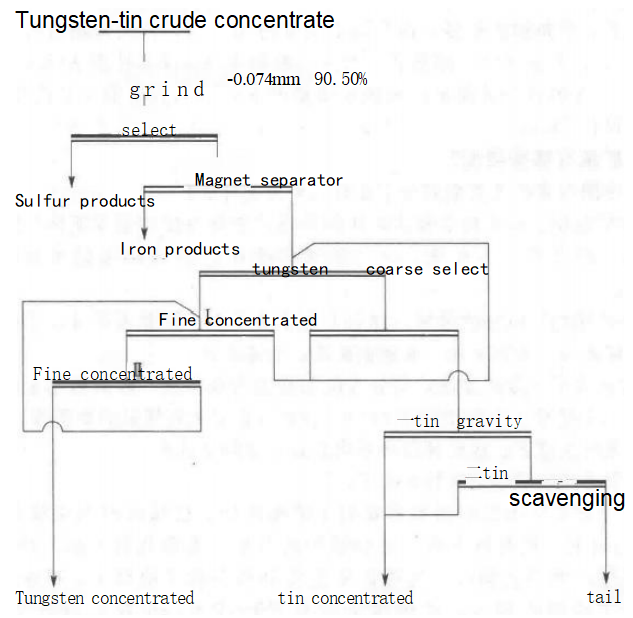
Figure 5-5 Flowchart of Mixed Concentrate Refinement