
Мини мобильная каменная дробилка
Введение Мини-мобильная щековая дробилка - это очень компактная, установленная на гусеничном ходу дробильная...

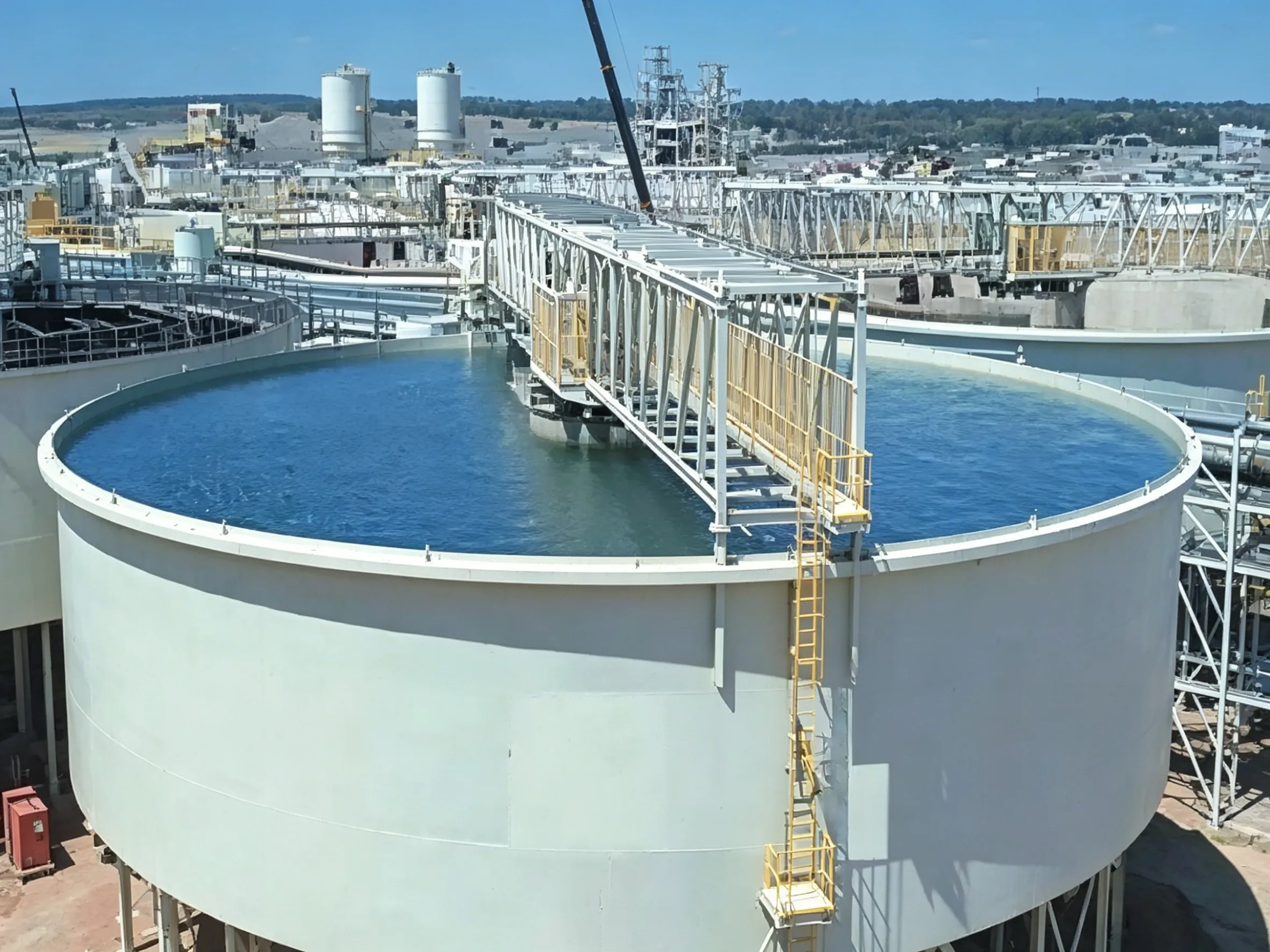
Информацию о неисправностях и методах их устранения при работе сгустителя см. в таблице 14-10.
Таблица 14-10. Неисправности и меры по их устранению при работе сгустителя
| Состояние неисправности | Причина | Метод исключения |
|---|---|---|
| Двигатель и редуктор работают, но гребни не вращаются | Предохранительный срезной штифт на приводном механизме сломан из-за чрезмерной нагрузки на сгуститель, либо произошло разрушение нижней поперечины граблей | Устраните причину чрезмерной нагрузки (например, высокую концентрацию шлама, скопление мусора на дне резервуара), а затем замените предохранительный штифт или поперечину граблей |
| Засорился бункер разгрузки | В резервуар сгустителя попали крупные частицы: куски дерева, тряпки, кирпичи, камни и т. п. | Сначала закройте сливной клапан, а затем промойте резервуар уплотнителя водой под высоким давлением или опорожните его для тщательной очистки |
| Необычный шум, исходящий от редуктора | 1. Сильный износ подшипников 2. Нехватка масла или низкое качество масла 3. Ослабленные соединительные болты 4. Сильный износ внутренней зубчатой передачи | 1. Заменить подшипники 2. Заменить масло или добавить смазку 3. Затяните болты 4. Заменить сильно изношенные шестерни |
| Перегрев двигателя, вибрация, необычные шумы | 1. Чрезмерная нагрузка 2. Сильный износ подшипников привода или отсутствие масла 3. Несоосность вала двигателя и вала редуктора | 1. Уменьшить дозу загустителя 2. Замените подшипники или долейте масло 3. Осуществите регулировку для обеспечения концентричности |
В соответствии с действующей системой технического обслуживания, принятой на большинстве китайских обогатительных фабрик, работы по техническому обслуживанию, как правило, подразделяются на мелкий, средний и капитальный ремонт в зависимости от объема и трудоемкости.
(1) Незначительный ремонт
К основным задачам мелкого ремонта относятся:
(2) Средний ремонт
К основным задачам среднего ремонта относятся:
(3) Капитальный ремонт
К основным задачам капитального ремонта относятся:
Рамы граблей для сгустителей, как правило, бывают двух конструкционных типов: цельная опорная рама и консольная рама. Первая в основном используется в сгустителях с периферийным приводом, а вторая — в сгустителях с центральным приводом. Рама с простыми опорами отличается относительно высокой прочностью, не подвержена деформациям и обеспечивает безопасную и надёжную работу. Рама с консольной балкой, по сравнению с ней, имеет меньшую прочность и жёсткость, что делает её более подверженной деформациям и ослаблению креплений.
Ремонт простая опорная рама для граблей — это относительно просто. Регулярно проверяйте степень износа и крепление зубьев граблей. Если зубья граблей изношены более чем на половину от их первоначальной высоты, замените или отремонтируйте их, чтобы восстановить исходные размеры. Кроме того, регулярно проверяйте все места соединений и сварные швы простой опорной рамы; своевременно затягивайте соединительные болты и укрепляйте треснувшие сварные швы повторной сваркой.
Этот консольная балка с наклонной рамой Как правило, имеет четыре гребня (два длинных и два коротких). Один конец каждого гребня привинчен к поперечине гребня, установленной на главном валу, а другой конец соединен с главным валом с помощью 1–2 диагональных растяжек (шарнирные соединения). Грейферы также соединены между собой поперечными растяжками (шарнирные соединения). Все растяжки регулируются.
В силу своих конструктивных особенностей рама гребней с консольными балками обладает низкой жесткостью. При чрезмерной нагрузке натяжные стержни имеют тенденцию к ослаблению, что приводит к скручиванию и деформации гребней, а также к ослаблению болтов, соединяющих гребни с поперечиной. В крайних случаях на поперечине могут появиться трещины. Поэтому необходимо регулярно проверять затяжку натяжных стержней рамы гребней и при необходимости регулировать их. Соединительные болты зубьев гребней и болты, соединяющие гребни с поперечиной, должны быть надежно затянуты (используйте двойные гайки, затянутые, а затем прихваченные сваркой, чтобы предотвратить ослабление). В небольших сгустителях поперечина, как правило, изготавливается из серого чугуна, который склонен к растрескиванию. Для повышения прочности предпочтительно заменить материал на литую сталь. Рама гребней и зубья гребней, как правило, подвергаются незначительному износу, но если обрабатываемая суспензия обладает высокой абразивностью, следует применять антикоррозионную обработку.
Привод сгустителя с центральным приводом, как правило, состоит из электродвигателя, установленного на ферме, цилиндрического редуктора, промежуточного открытого редуктора и большого червячного редуктора, который приводит в движение главный вал и раму сгребателя. Электродвигатель и цилиндрический редуктор, как правило, соединены штифтовой муфтой. Регулярно проверяйте износ штифтов. Если штифты сильно изношены и муфта издает громкий шум во время работы, незамедлительно замените их. Ведите подробный учет каждой замены, чтобы точно определить цикл замены и составить график планового технического обслуживания.
Цилиндрический редуктор, как правило, редко вызывает проблемы, а его детали отличаются долговечностью. К числу распространенных неисправностей относятся утечки масла в местах уплотнений входного и выходного валов. Решения: (1) избегайте перелива масла; (2) отрегулируйте или увеличьте маслоотбойную перегородку внутри подшипника; (3) замените тип уплотнения, перейдя с войлочных уплотнений или одногубных резиновых масляных уплотнений на двухгубные резиновые масляные уплотнения, и убедитесь в отсутствии утечек в любых точках статического уплотнения. Если во время работы возникают нехарактерные шумы, удары, резкий рост температуры или вибрация, немедленно остановите машину для проверки. Распространённые причины: (a) повреждение подшипников — очистите и осмотрите все подшипники, замените те, у которых имеется чрезмерный зазор или очевидные повреждения; (b) сильный износ внутренних зубчатых колес — замените зубчатые колеса, если износ превышает 1/4 ширины вершины зуба; (c) попадание посторонних предметов между шестернями и их прилипание к поверхностям зубьев, что приводит к нестабильному зацеплению и вибрации — очистите и удалите мусор; (d) ослабленные крепежные болты редуктора, приводящие к перекосу муфты и плохому зацеплению открытых шестерен — отрегулируйте и затяните.
Для промежуточная открытая шестерня, регулярно наносите смазку или перейдите на систему смазки в масляной ванне. Если износ толщины зубьев шестерни превышает 30%, замените шестерню.
Этот крупный червячный редуктор работает на низкой скорости и отличается низкой частотой отказов. Во время эксплуатации следует обеспечить надлежащую смазку подшипников червячного вала, чтобы избежать их повреждения из-за недостатка смазки. Как правило, после одного года непрерывной работы подшипники следует демонтировать для очистки, осмотра и скребкования. Не допускайте попадания воды или других посторонних частиц в большой упорный подшипник, расположенный под червячной передачей. Постоянно поддерживайте смазку в полостях подшипников, чтобы избежать образования точечной коррозии на шариках или дорожках качения, что может сократить срок службы подшипника. Как правило, после трёх лет эксплуатации следует очистить и осмотреть подшипник; если на дорожках качения или шариках появятся следы точечной коррозии или вмятины, незамедлительно замените подшипник, чтобы предотвратить серьёзные поломки.
Нижняя опорная втулка главного вала червячной передачи должна быть хорошо смазана и герметизирована. По истечении одного года эксплуатации её следует очистить, осмотреть и отшлифовать. В случае обнаружения эксцентричного износа необходимо выявить причину и незамедлительно устранить её.
Привод уплотнителя с периферийным приводом, как правило, бывает трех типов: роликовый привод, привод с зубчатой рейкой и привод с пневматическими шинами. Независимо от типа привода, его механизм относительно проще, чем у сгустителя с центральным приводом. Как правило, двигатель приводит в действие редуктор, который, в свою очередь, приводит в движение пару открытых шестерен или зубчатую рейку для двухступенчатого снижения скорости. Для подачи питания на двигатель на центральной опорной колонне установлено контактное кольцо. Следует обратить внимание на герметичность в районе верхней части контактного кольца, чтобы дождь, снег или пыль не привели к нарушению контакта, что может повлиять на нормальную работу двигателя.
Стойку следует регулярно проверять на наличие деформаций или ослаблений — один раз в месяц. Сверяйте состояние периферийной стойки с установленными габаритными размерами; любые отклонения следует незамедлительно устранять.
Подшипники в корпусе редуктора и корпусе роликовых подшипников следует регулярно смазывать. Каждые 6 месяцев очищайте и осматривайте подшипники. При появлении точечной коррозии или явных повреждений незамедлительно замените подшипники и заправьте их свежей смазкой.
Инструкции по техническому обслуживанию центрального крупногабаритного упорного подшипника, редуктора и открытых зубчатых колес см. в соответствующих разделах, посвящённых описанному выше сгустителю с центральным приводом.

 English English
  Spanish
 Russian
 Arabic
 Swahili
 French
 Turkish
 Portuguese
 Korean
 Japanese
 German
 Italian