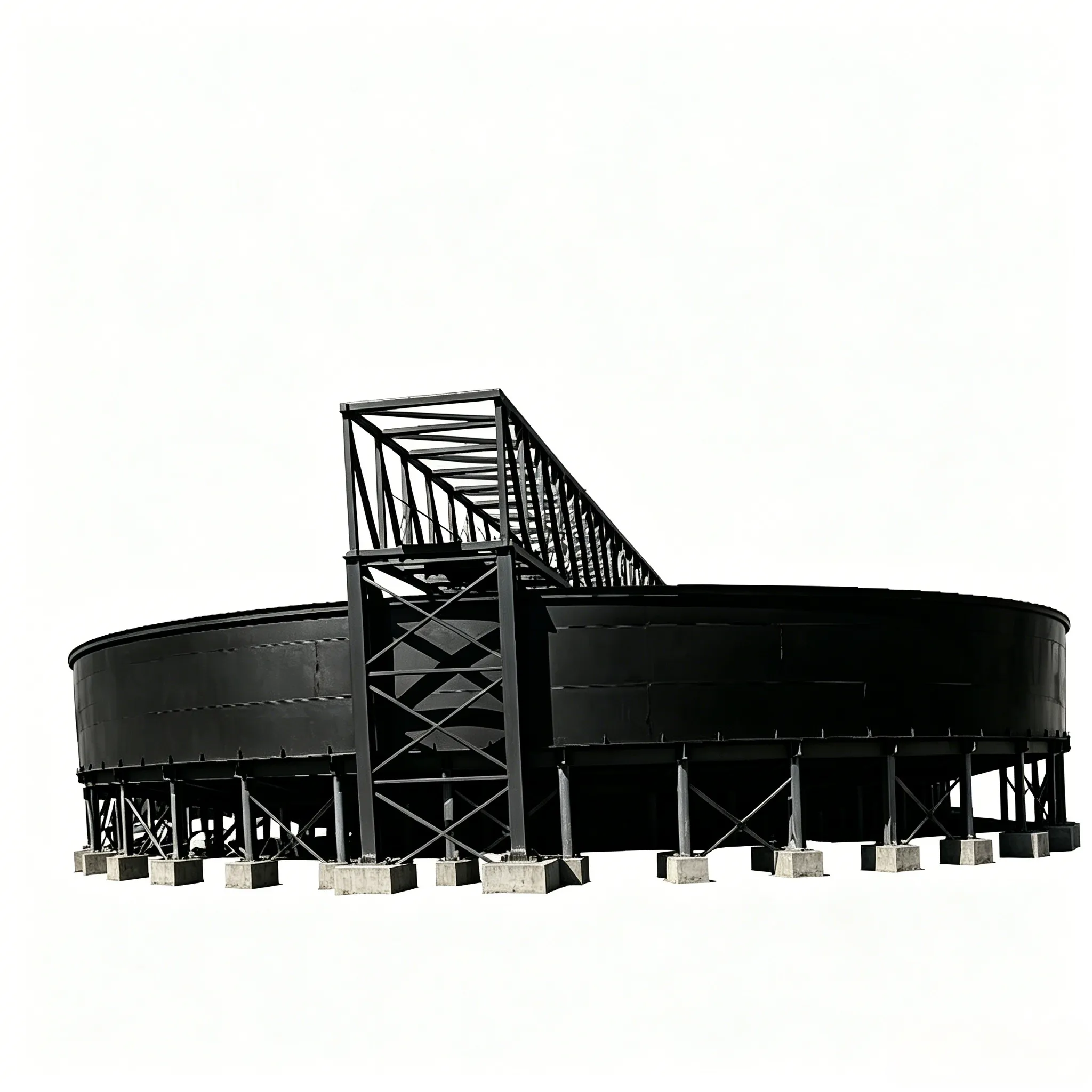
Сгуститель с периферийным приводом
Периферийный приводной сгуститель В настоящее время периферийные приводные сгустители, производимые в Китае, как правило,...

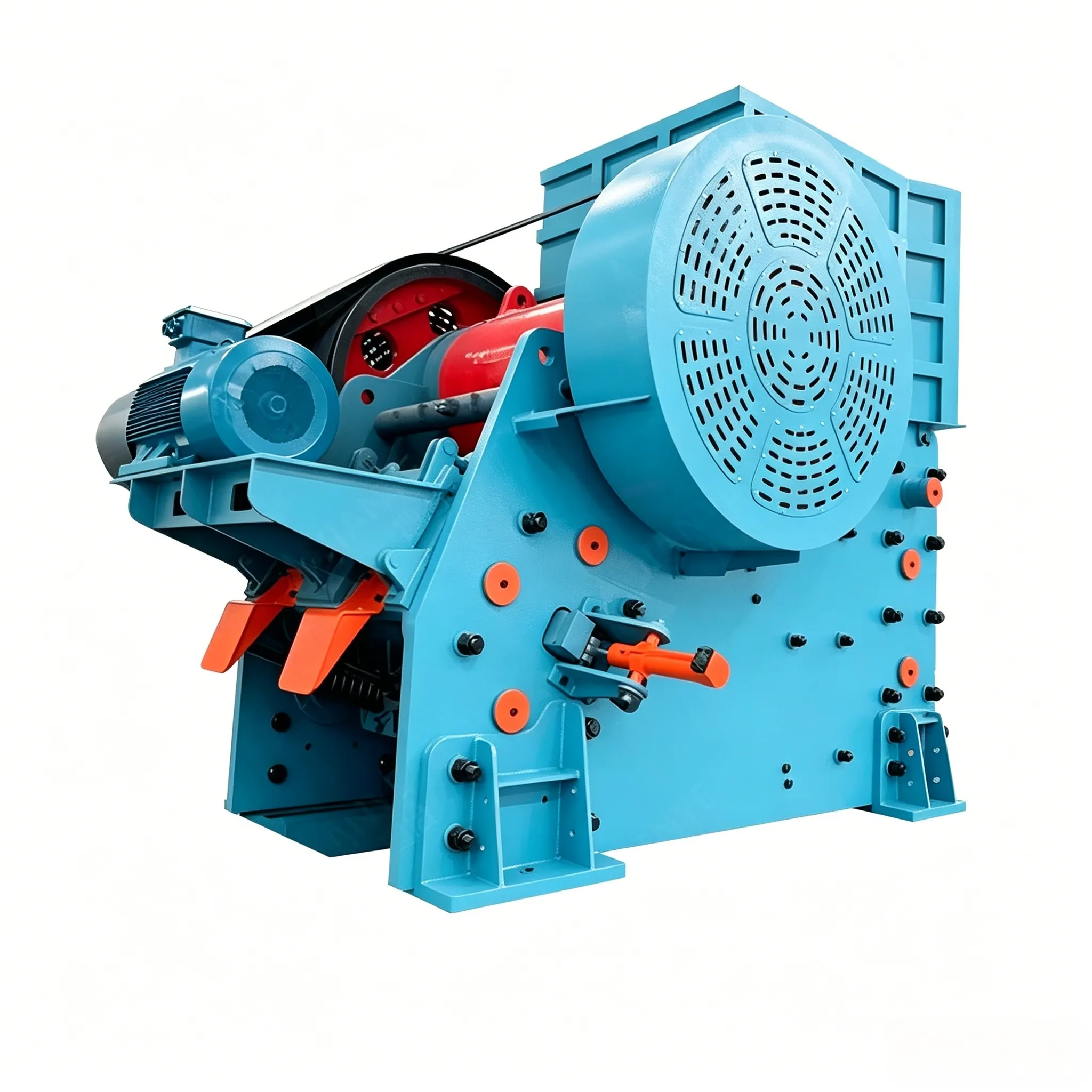
Порядок установки щековые дробилки всех моделей в основном одинакова, а различия зависят лишь от веса и конструкции отдельных компонентов.
Щековые дробилки, как правило, устанавливаются на бетонном фундаменте. Для снижения вибрации и шума рекомендуется размещать между дробилкой и бетонным фундаментом подкладки из твердой древесины, резиновые прокладки или другие демпфирующие материалы. Крупные дробилки следует устанавливать на стальных балках, заложенных в фундамент, с размещением упругих подкладок между рамой и стальными балками.
Фундамент дробилки должен быть отделен от фундамента цеха, чтобы предотвратить передачу вредных вибраций, создаваемых дробилкой, на здание цеха. Высота, глубина и площадь фундамента рассчитываются индивидуально для каждой модели дробилки с учетом состояния грунта.
При проектировании фундамента необходимо предусмотреть место для установки конвейерной ленты, предназначенной для приема дробленого продукта, пространство, необходимое для замены коленчатой пластины и ремонта регулировочного устройства, а также предусмотреть проемы для доступа с целью установки фундаментных болтов. Дробленое сырье должно выгружаться через продольный выпускной желоб, расположенный под дробилкой; выгрузка сбоку от фундамента не допускается. На выпускной желоб фундамента следует уложить слой металлической пластины. Туннель в фундаменте должен иметь достаточную высоту, чтобы обеспечить беспрепятственную транспортировку дробленого сырья наружу.
Для подъема тяжелых частей дробилки в здании дробильной установки должно быть предусмотрено подвижное подъемное оборудование (например, мостовой кран и т. п.). Подъемное оборудование должно подбираться с учетом веса самых тяжелых узлов дробилки.
2.6.1.1 Установка рамы
Перед монтажом собранную раму необходимо тщательно осмотреть, чтобы убедиться в правильности всех сопрягаемых поверхностей. Нижняя рама выравнивается на фундаменте с помощью стальных клиньев. При монтаже верхней рамы устанавливаются установочные штифты на стыке верхней и нижней рам. Выравнивание по горизонтали и вертикали рамы производится с использованием опор в качестве опорных поверхностей. Допустимые отклонения по поперечной и продольной ровности рамы должны соответствовать требованиям, указанным в таблице 2-7.
При соприкосновении соединительных поверхностей в незатянутом состоянии зазоры в отдельных местах не должны превышать 0,1 мм. Длина каждого участка зазора не должна превышать 150 мм, а общая суммарная длина зазоров не должна превышать 10% от общей длины периметра соединительной поверхности.
Если рама имеет съемную конструкцию, необходимо убедиться, что боковые стенки дробилки расположены параллельно друг другу, а передняя стенка — перпендикулярно боковым стенкам, образуя прямоугольник. Для обеспечения плотного соединения съемных стенок перед установкой натяжные болты необходимо предварительно нагреть до 400 °C.
После установки и выравнивания каркаса затяните анкерные болты и выполните повторную заделку швов между каркасом и фундаментом. Затирка должна обладать хорошей текучестью, чтобы она проникла во все углы, образуя сплошной и прочный слой.
После того как слой раствора затвердеет и гайки фундамента будут затянуты, можно приступать к монтажу остальных узлов дробилки.
На собранной раме сначала следует установить несъемную зажимную пластину. Между передней стенкой и несъемной зажимной пластиной, а также между задней стенкой и задним опорным седлом необходимо залить слой цинкового сплава. Во время литья все зазоры необходимо заделать асбестом или глиной, смешанной с асбестом, для предотвращения утечки расплавленного металла. Болты, крепящие фиксированную зажимную пластину и заднее опорное гнездо, необходимо затянуть после остывания цинкового сплава.
2.6.1.2 Установка поворотной челюсти и вала
При установке собранной поворотной губки (в комплекте с валом и вкладышами) в раму шейки вала должны войти в подшипниковые втулки. Между подшипниковой втулкой и торцевой поверхностью упорного буртика вала поворотной губки необходимо оставить заданный зазор.
Кроме того, необходимо следить за тем, чтобы все пары трения были должным образом смазаны. Затем следует установить верхнюю втулку подшипника на место и затянуть крышку подшипника болтами.
При монтаже необходимо также следить за тем, чтобы неподвижная и подвижная щековые пластины были расположены таким образом, чтобы гребни одной из них совпадали с впадинами другой (т. е. дробильные поверхности располагались в шахматном порядке).
2.6.1.3 Установка шатуна и эксцентрикового вала
Перед установкой шатуна необходимо проверить посадку втулки подшипника шатуна на соответствующем шейке эксцентрикового вала. Одновременно следует проверить посадку главного подшипника на раме. Посадка эксцентрикового вала в главном подшипнике должна соответствовать требованиям, приведенным в таблице 2-7.
При монтаже шатуна, по возможности, рекомендуется предварительно собрать детали шатуна и эксцентрикового вала. Затем предварительно собранный шатун и эксцентриковый вал следует установить на главные подшипники, после чего устанавливается верхняя подшипниковая втулка и крышка подшипника затягивается гайками.
Если предварительная сборка шатуна с эксцентриковым валом невозможна, сначала установите корпус шатуна (без головки) на заранее подготовленную опору внутри картера и надежно зафиксируйте его, чтобы предотвратить опрокидывание. Затем установите эксцентриковый вал в главные подшипники. Далее установите верхнюю втулку подшипника, крышку главного подшипника, маслосборники и т. д. Подшипник шатуна должен плотно прилегать к шейке эксцентрикового вала, а крышка подшипника должна быть затянута болтами. При затяжке главных подшипников и подшипников шатунов необходимо проверить, свободно ли вращается вал в подшипниках.
2.6.1.4 Установка переключающей пластины и тяги
Сначала установите переднюю коленчатую пластину, при этом с помощью крана притяните шатун к передней стенке рамы. Затем установите заднюю коленчатую пластину. После установки коленчатой пластины кран должен продолжать удерживать узел до тех пор, пока не будут установлены натяжная пружина и тяга; после этого кран можно убрать.
Необходимо тщательно проверить правильность прилегания коленчатой пластины к гнездам с помощью “красной графитовой пасты” (инженерной синей краски или маркировочной пасты). Как правило, длина контакта между коленчатой пластиной и гнездом коленчатого механизма не должна составлять менее 60 % от общей длины, а длина любого локального зазора не должна превышать 10 % от общей длины.
Длина сжатой растягивающей пружины должна быть отрегулирована на практике таким образом, чтобы обеспечить надлежащее натяжение.
2.6.1.5 Допустимые отклонения при монтаже и методы проверки щековой дробилки
Допустимые отклонения при монтаже и методы контроля для щековой дробилки должны соответствовать требованиям, приведенным в таблице 2-7.
Таблица 2-7. Допустимые отклонения при монтаже щековой дробилки
| номер позиции | проект | допустимое отклонение | единица | Метод проверки | ||
| 1 | Установка базы | Продольные и поперечные оси | 3.0 | мм | Контрольно-измерительные работы | |
| 2 | высота | ±5,0 | мм | Проверка датчика уровня и мерной линейки | ||
| 3 | Установка основания станка | Продольная ровность | 0.5/1000 | один | Проверка индикатора уровня | |
| 4 | Горизонтальная ровность | 0.15/1000 | один | Проверка индикатора уровня | ||
| 5 | Втулка подшипника подвижной губки; посадка по диаметру оси | угол смачивания | 100-120 | мм | Измерьте и проверьте с помощью линейки | |
| 6 | Количество точек соприкосновения для размера 25 мм × 25 мм | ≥1 | a | Визуальный осмотр и измерение рулеткой | ||
| 7 | Максимальный зазор | (0,001–0,0015) д | один | Проверка алюминиевого микрометра | ||
| 8 | Втулка подшипника главного вала; посадка по диаметру оси | угол смачивания | 100-120 | (°) | Контрольно-измерительные работы | |
| 9 | Количество точек соприкосновения для размера 25 мм × 25 мм | Медная черепица | >3 | a | Контроль метода окрашивания | |
| Плитка из подшипникового сплава | >2 | a | Визуальный осмотр и измерение рулеткой | |||
| 10 | Рассчитать зазор сверху исходя из диаметра вала d | (0,001–0,0015)d | один | Проверьте с помощью алюминиевого микрометра | ||
| Зазор с каждой стороны | от 0,5 до 1,0 раза больше верхнего зазора | два | Контроль посадки с помощью щупа | |||
 English English
  Spanish
 Russian
 Arabic
 Swahili
 French
 Turkish
 Portuguese
 Korean
 Japanese
 German
 Italian