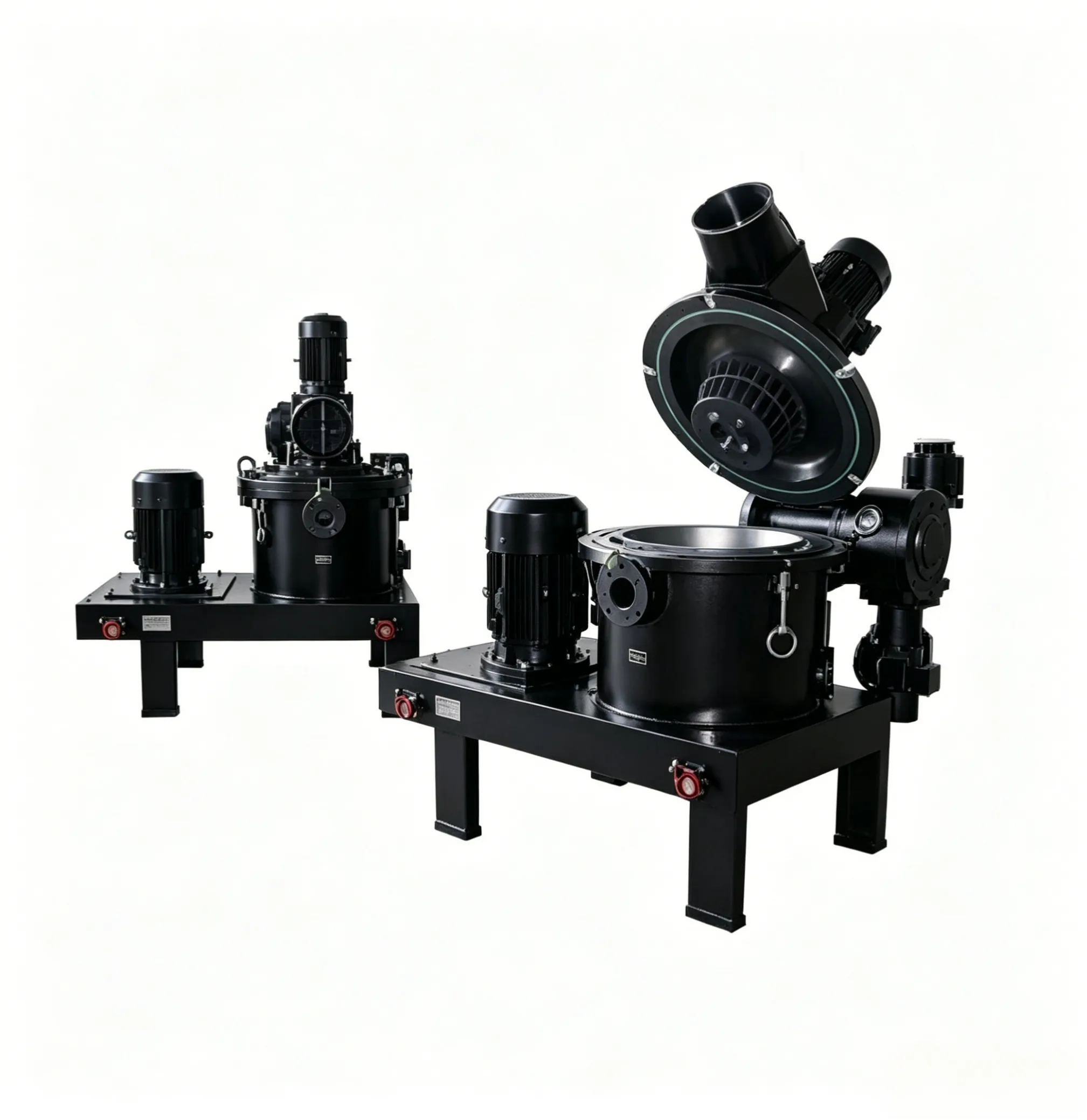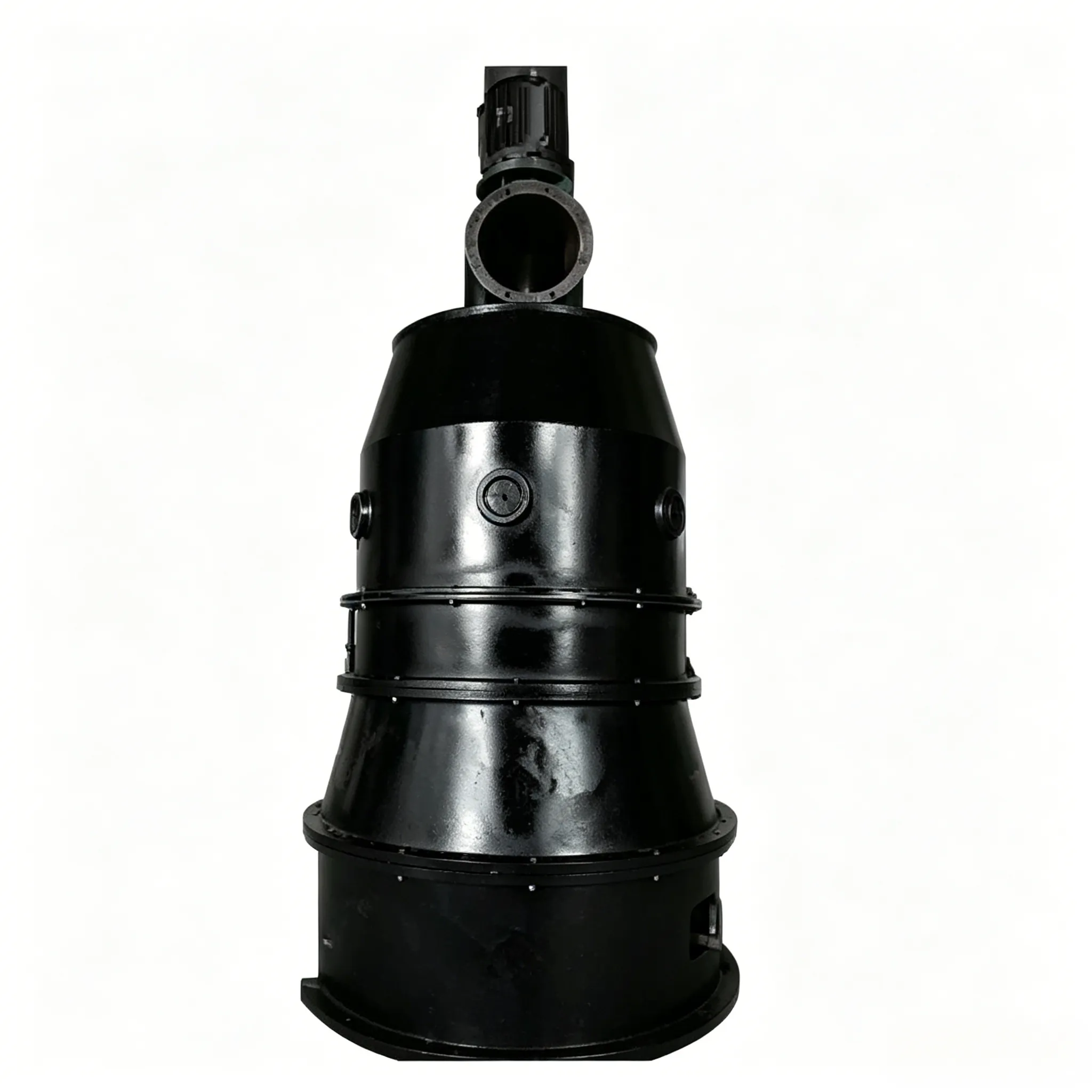
Ударная дробилка с направляющими SUM
Ударная дробилка серии SUM с циклонной системой отделения. Дробилка серии SUM представляет собой ударную дробилку с циклонной системой отделения, работающую в сухом режиме…

Preparation of High‑Efficiency Flocculants from Tailings
Preparation of Polyaluminum Ferric Chloride (PAFC) from Pyrite Tailings
Li Zhi et al. from Chengdu University of Technology conducted an experimental study on the preparation of polyaluminum ferric chloride (PAFC) from pyrite tailings. In the experiment, the kaolin tailings from Chuannan Mining Co., Ltd., after the removal of pyrite ore, were used as raw material. After calcination, the Fe₂O₃ and Al₂O₃ within the original kaolinite structure were leached out by acid. Aluminum salts and iron salts were recovered from the solution, and a mixed water‑purifying agent of polyaluminum ferric chloride could be produced through polymerization. The filter residue, with its iron content significantly reduced, could then be used as a raw material for manufacturing glass‑ceramics. The process flow is shown in Figure 8‑2.
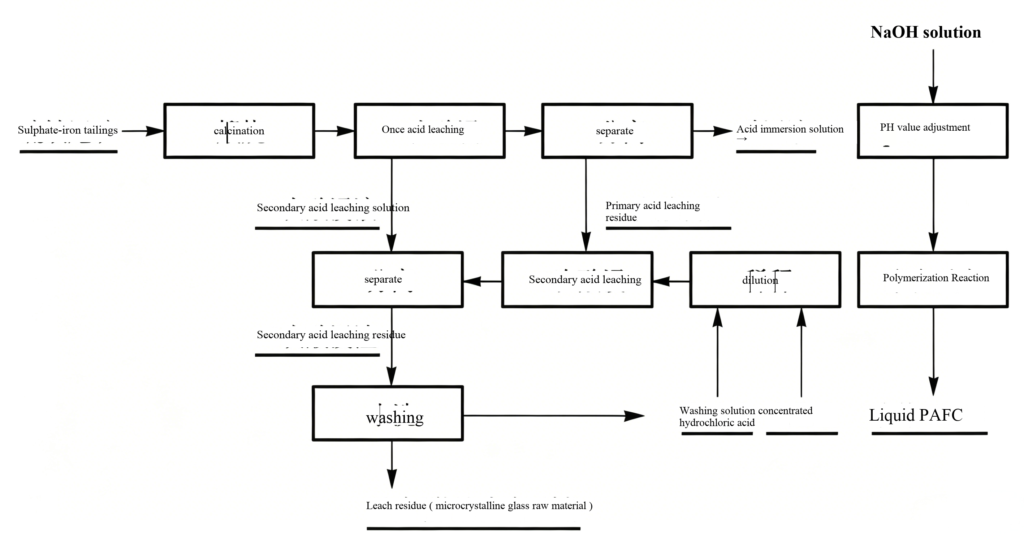
Figure 8‑2 Resource recovery process flow of pyrite tailings
The prepared polyaluminum ferric chloride (PAFC) was used for turbidity removal from wastewater, demonstrating that it is a new type of high‑efficiency flocculant. Compared with the flocculant PAC, PAFC exhibits the characteristics of rapid floc formation, dense and coarse flocs, and fast settling velocity during the coagulation‑flocculation water purification process. Suspended solids and other substances in the water are adsorbed by the coarse flocs and settle together, resulting in immediate clarification of the water quality. It is particularly suitable for rapid turbidity removal from high‑turbidity raw water.
PAFC, when applied to wastewater treatment, not only achieves good treatment efficiency and ease of operation, but also requires lower dosage, exhibits good floc settling performance, and leaves a low residual aluminum ratio in the purified water. It is a superior inorganic polymeric flocculant.
8.4.2 Preparation of Polymeric Ferric Phosphorus Sulfate (PFPS) from Hematite Tailings
Li Jun from Wuhan University of Technology conducted a study on the preparation of a novel polymeric flocculant, polymeric ferric phosphorus sulfate (PFPS), using hematite tailings as raw material. Taking the magnetic separation tailings from the Enshi hematite mine of WISCO as the research object, PFPS with a high basicity was prepared through a series of processes including acid leaching, reduction, and polymerization. The prepared PFPS was then used to treat simulated kaolin wastewater.
Through experiments, the optimal conditions for the acid leaching process were determined as: temperature 90 °C, stirring time 1.5 h, stirring speed 400 r/min, and acid excess coefficient 1.5. For the reduction process, the optimal conditions were: time 2 h, temperature 50 °C, and iron scrap excess coefficient 1.4. The polymerization conditions for PFPS were: n(NaClO):n(Fe²⁺) = 0.16, n(Na₃PO₄):n(Fe²⁺) = 0.075, polymerization temperature 75 °C, and polymerization time 30 min.
Flocculation tests were conducted on simulated kaolin wastewater by adding self‑prepared PFPS, PFS, and PAC. The effects of pH value, flocculant dosage, and settling time on residual turbidity and light transmittance were investigated. The results showed that the flocculation performance of the self‑prepared PFPS was far superior to that of PFS and PAC in the flocculation tests.